What an Iron Ore Conveyor Pulley Does
On an ore conveyor, the iron ore conveyor pulley is the rotating drum that carries and drives the belt at the head, tail, or tensioning point. It looks simple from the walkway, yet it carries the full belt tension and the weight of a heavy, abrasive load. In a mine, a quarry, or a steel plant sinter line, a worn or poorly matched pulley can stop the whole circuit, so buying one is not a commodity decision.
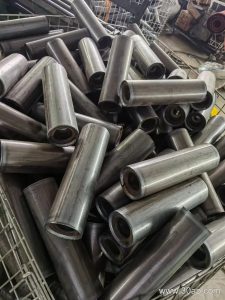
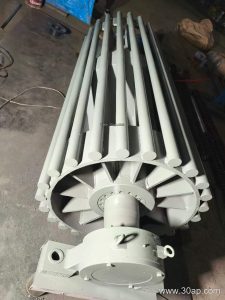
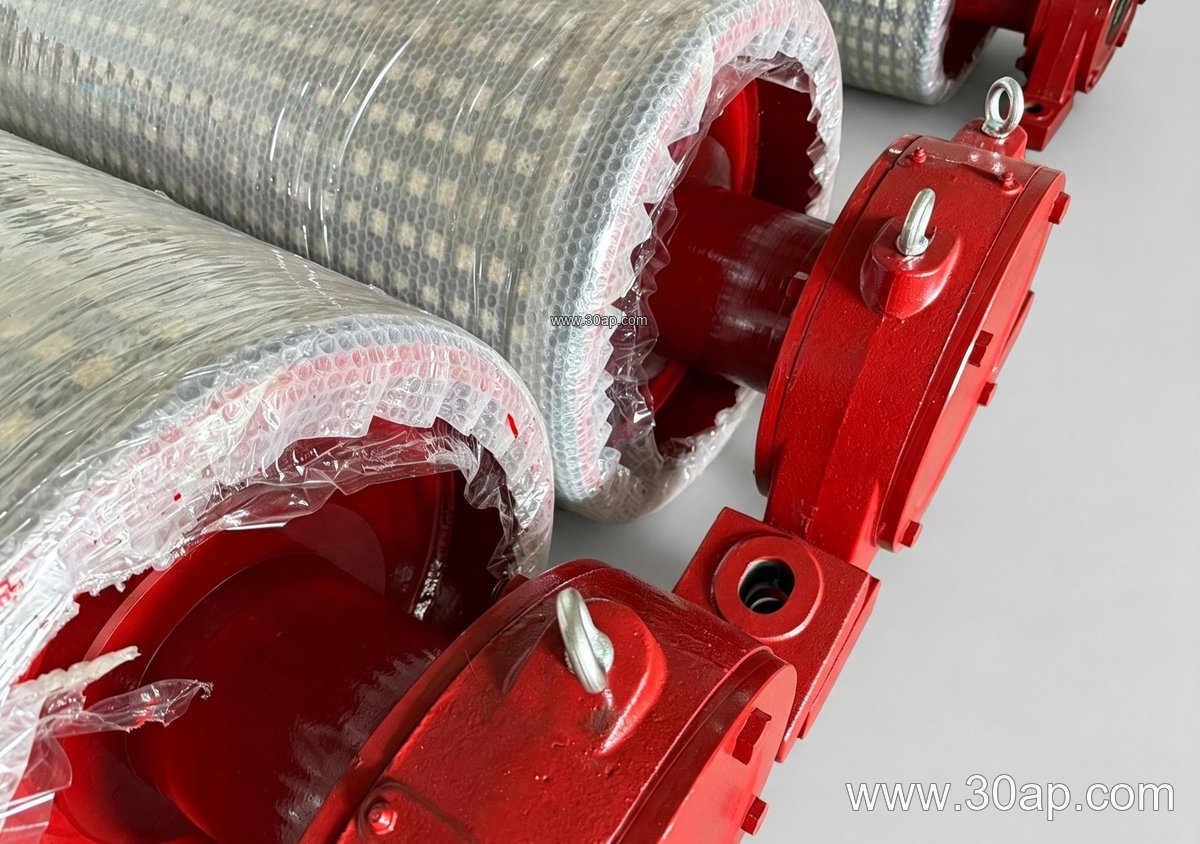
This pulley is a fabricated steel drum, usually with a machined shell, two end discs, a shaft, and hubs. The shaft is keyed to the drum and supported in bearing housings that sit on a conveyor bracket or frame. The shell surface may be plain or covered with rubber, ceramic, or a combination, depending on whether the pulley drives, returns, or bends the belt.
How It Is Built and Where It Fits
A drive pulley at the head of an ore conveyor transfers torque through lagging to the belt, so grip matters. A tail pulley at the loading end turns the belt back and often needs protection against fines and impact. A bend pulley changes belt direction and is usually smaller and lightly loaded. These are different jobs, and one subtype cannot simply replace another; a tail pulley is not a drive pulley, and a bend pulley is not a tensioning pulley.
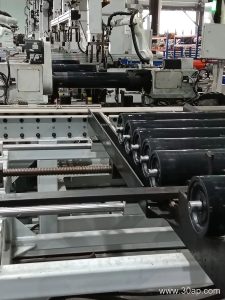
Shell construction usually uses rolled steel plate with welded end discs, then machining to keep the drum round and balanced. Larger drums may be stress-relieved before final machining. Lagging is applied by vulcanizing, cold bonding, or casting, and the surface form can be smooth, diamond, herringbone, or ceramic. Common cover thicknesses are 8, 10, 12, 15, and 20 mm, chosen according to the duty and the belt it contacts.
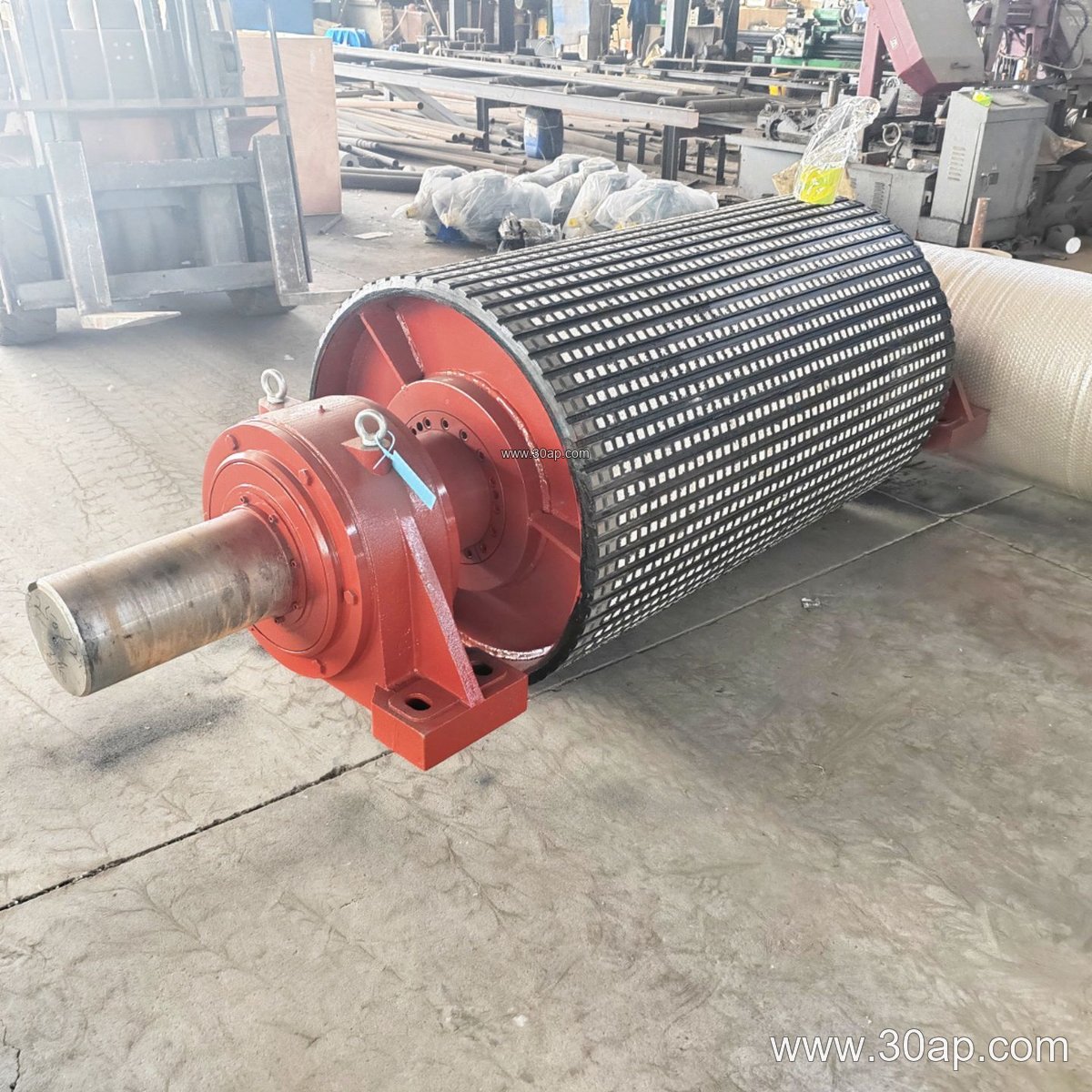
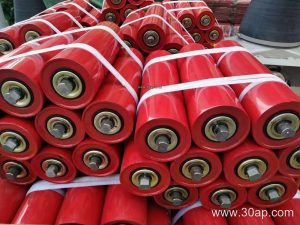
Because iron ore is dense and sharp, the shell and lagging wear faster than on a light bulk line. A well-built iron ore conveyor pulley therefore pairs a robust shell with a cover that resists cutting and slipping. It also works closely with the conveyor belt, the idler roller, and the frame, so alignment and belt tracking are part of the same system.
Common Sizes and Surface Options
Pulleys are normally ordered by belt width and drum diameter, with shell width slightly wider than the belt. The table below gives typical reference combinations, not fixed rules. A B1200 belt does not have to use Ø1000, and a B800 line can run with Ø500 in some layouts and a larger drum in others.
| Belt width | Typical shell width | Example diameter pairing |
|---|---|---|
| B500 | about 600 mm | Ø315 or Ø400 |
| B650 | about 750 mm | Ø400 or Ø500 |
| B800 | about 950 mm | Ø500 or Ø630 |
| B1000 | about 1150 mm | Ø630 or Ø800 |
| B1200 | about 1400 mm | Ø800 or Ø1000 |
| B1400 | about 1600 mm | Ø1000 or Ø1250 |
| B1600 | about 1800 mm | Ø1250 or Ø1400 |
| B1800 | about 2000 mm | Ø1400 or Ø1600 |
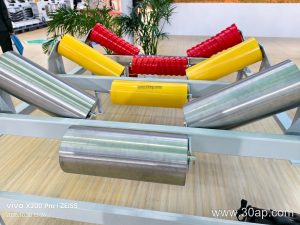
Shaft diameters commonly fall in the Ø50 to Ø200 range, but the right size comes from torque and load calculation, not from the belt width alone. Surface choices include plain, cast rubber, cold-bonded rubber, hot-vulcanized rubber, diamond lagging, herringbone lagging, ceramic lagging, and flat rubber sheet. Ceramic or diamond patterns are often used where the belt is wet or the drive needs extra traction.
Buying Notes for Plant and Mine Engineers
Before ordering, confirm the belt width, the drum diameter, the shaft size, the bearing type, and the mounting centers. State whether the unit is a head pulley, tail pulley, take-up pulley, or snub pulley, because the duty and the load differ. Ask about the lagging method and cover thickness, and check that the drum is balanced for the planned belt speed. For a high-tonnage iron ore conveyor pulley, a heavier shell and a quality cover often pay back through longer service life.
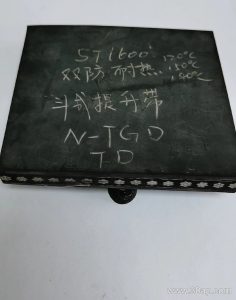
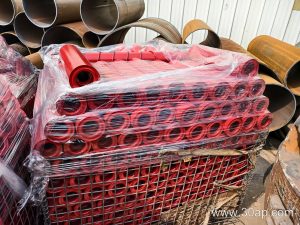
Keep the surrounding equipment in mind too. A worn idler roller or a misaligned conveyor bracket can shorten pulley life by forcing the belt to run off-center. In dusty plants, sealed bearing housings and good access for inspection help. Matching the pulley to the belt, whether a heavy-duty mining belt or a heat resistant belt near a sinter cooler, keeps the whole line running.
Typical applications include iron ore mines, copper concentrators, limestone quarries, coal preparation plants, cement clinker lines, power plant coal handling, and port bulk terminals. In each case, the pulley is selected for the material, the belt, and the layout rather than by a single size rule. Buyers who share full duty data with the supplier usually get a better match than those who order by belt width alone.