What a Cold Resistant Conveyor Belt Is
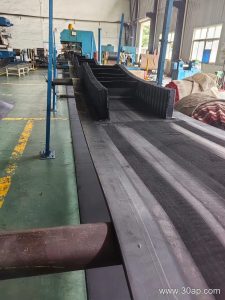
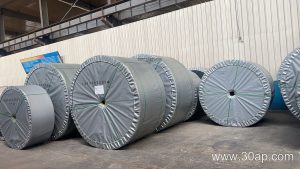
A Cold Resistant Conveyor Belt is a rubber conveyor belt engineered to stay flexible and keep carrying material when ambient temperatures drop well below freezing. Standard rubber compounds stiffen in cold weather, which can lead to cracking at the pulley, edge damage and splice failure. The cold resistant version uses a rubber compound that retains elasticity at low temperature, so the belt can wrap around drive, tail and bend pulleys without embrittlement. It is a familiar sight in open-pit mines, coal yards, cement plants, power stations, sand and gravel operations and port stockyards in cold regions.
How the Belt Is Built
The construction follows the same logic as other fabric or steel reinforced belts, with the compound and the carcass adapted for cold service. A typical build includes:
- A low-temperature resistant top and bottom cover, usually with good abrasion resistance for frozen and gritty loads
- A fabric core such as an EP Conveyor Belt or NN Conveyor Belt carcass, or a Steel Cord Conveyor Belt core for very long runs and high tension
- Multiple plies, commonly 2 to 6, bonded with cold-flexible skim rubber
- Optional antistatic or Flame Retardant Conveyor Belt properties for underground coal mining conveyors
The cover compound is the key difference. It is formulated to avoid the glass transition problems that make ordinary rubber brittle, and the carcass is selected so the belt still tracks and troughs correctly on idler rollers in freezing conditions.
Where It Fits in the Plant
Cold weather affects nearly every bulk handling line. In a coal mining conveyor or an Underground Coal Mining Conveyor Belt system, a cold resistant belt helps avoid startup damage after a long idle period. In a cement plant or power plant, it keeps clinker, limestone and coal moving through outdoor transfer points. Quarry and aggregate operations use it on primary and secondary lines where frozen lumps and sharp stone increase impact and abrasion. Port and ship loading conveyors also benefit when winter temperatures fall sharply.
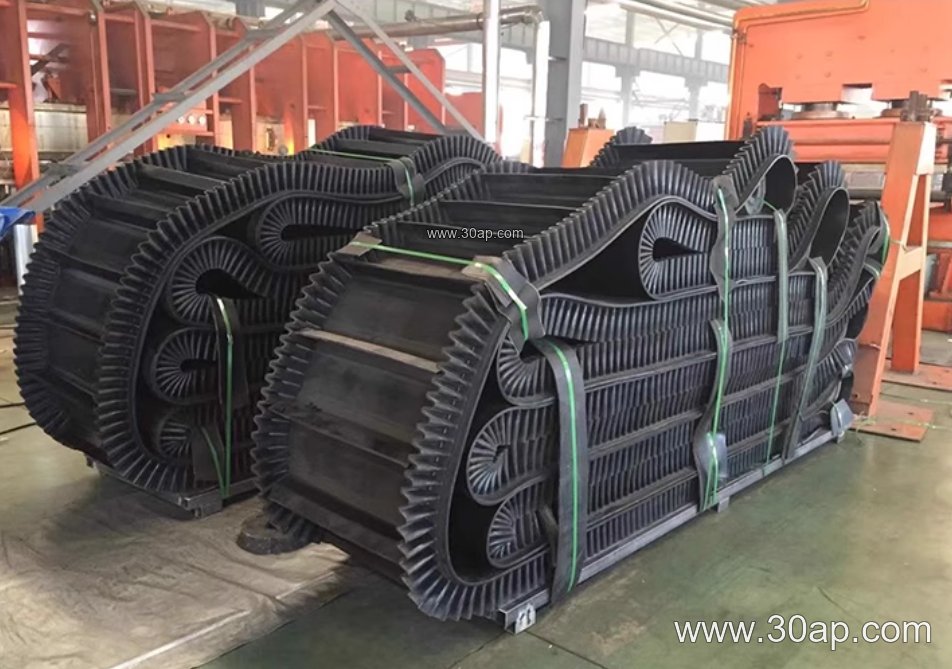
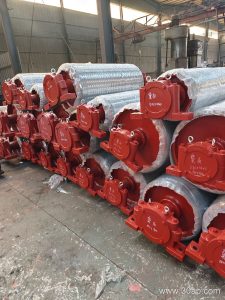
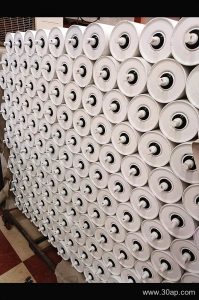
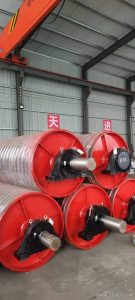
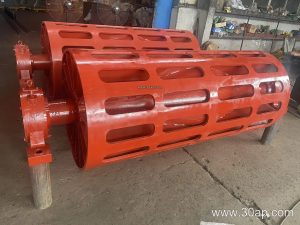
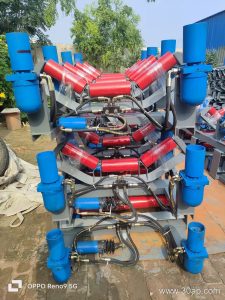
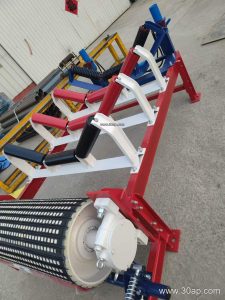
The belt does not work alone. Correctly sized conveyor pulleys, well-selected idler rollers and sturdy conveyor brackets all help the belt run true. A cold resistant belt paired with a poorly aligned bend pulley will still wear at the edges, so mechanical alignment matters as much as the compound.
Common Specifications and Parameters
Cold resistant belts are usually ordered by carcass type, strength grade, width and cover thickness. The values below are common references; actual supply is confirmed by design and by the manufacturer.
| Parameter | Typical Range |
|---|---|
| Carcass type | EP fabric, NN fabric, steel cord |
| Strength grade | EP200 to EP2000, ST1000 to ST3150 |
| Belt width | B500, B650, B800, B1000, B1200, B1400, B1600, B1800, B2000 |
| Cover thickness | 3+1.5, 4+2, 5+2, 6+2, 8+3 mm |
| Ply count | 2 to 6 layers |
| Service temperature | Usually stated by the maker for the specific compound |
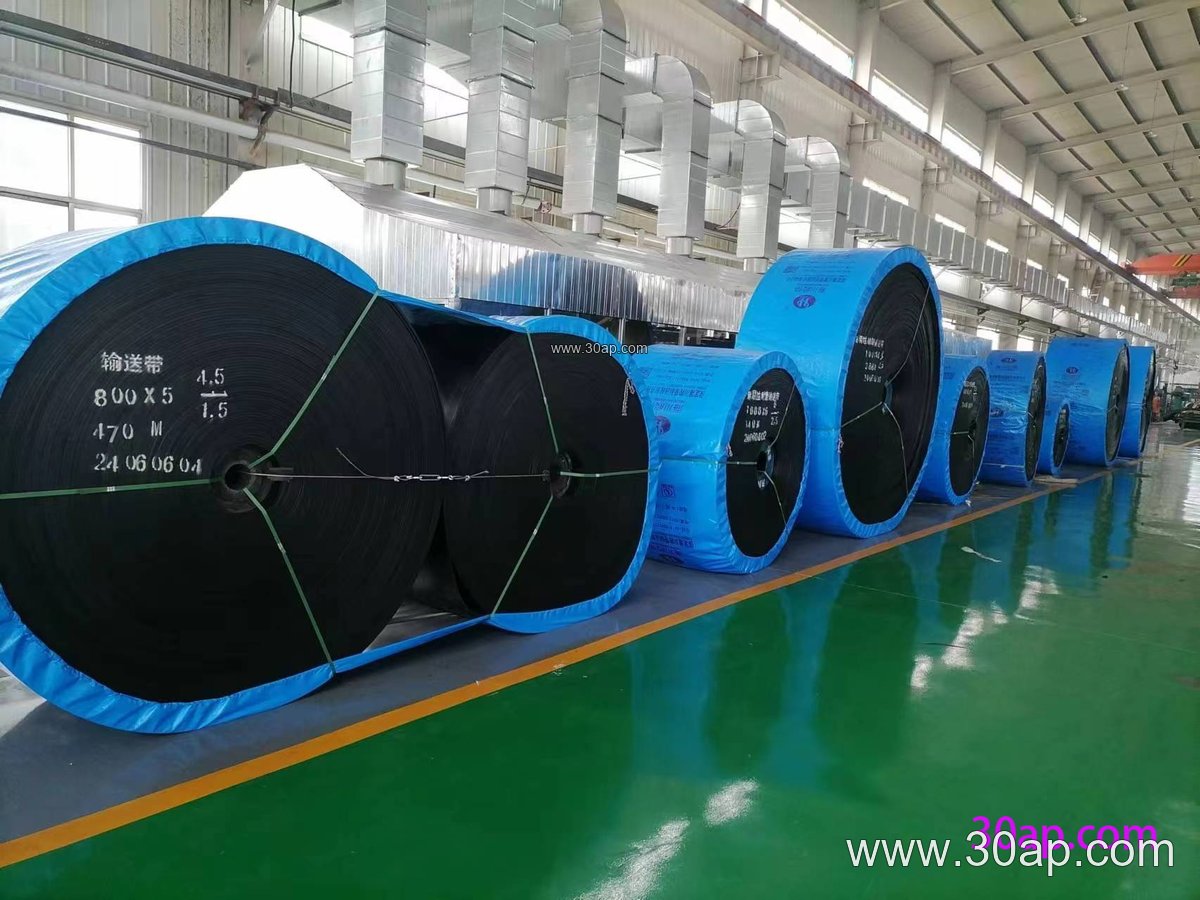
A 1200mm wide belt with a 5+2 cover is a common choice for a main haulage line, while a narrower 800mm belt may suit a short transfer conveyor. Width and pulley diameter are matched by conveyor design, not by a fixed rule.
Selection Points for Buyers
Start with the lowest expected ambient temperature and the longest idle period, because cold startup is usually the hardest moment for the belt. Confirm the load type: frozen ore and rock call for a High Abrasion Resistant Conveyor Belt cover, while coal lines in underground service may need flame retardant and anti-static properties. Check whether the belt will run on a Pipe Conveyor Belt route or a conventional trough, since pipe designs need specific flexibility. For steep inclines, a Chevron Conveyor Belt or Corrugated Sidewall Conveyor Belt may be considered as a separate solution, but it does not replace the cold resistant flat belt on the main line.
Ask for the compound’s low-temperature test data, the splice method recommended for cold conditions, and the storage advice. Belts stored in unheated warehouses can harden at the edges, so allow them to relax before installation.
Installation and Maintenance Notes
Cold resistant belts should be tensioned according to the conveyor design, with extra attention to take-up travel in winter. Keep idler rollers turning freely; a seized roller can flat-spot a cold belt quickly. Inspect splices after the first cold snap and re-check edge wear near the tail pulley. Cleaning frozen material from the return side reduces misalignment and protects the conveyor pulley lagging. Where the line stops for long periods, run the belt briefly at intervals to prevent set marks.
For more on matching belts, rollers and pulleys, see the cold resistant conveyor belt range and related conveyor belt options at rubberbeltpro.com, and review idler roller and conveyor pulley guidance before ordering.