What an Underground Mining Conveyor Belt Has to Do
An underground mining conveyor belt is the load-carrying element of a continuous haulage system installed in tunnels, declines and shaft-adjacent roadways. Its job sounds simple: move broken rock, coal or ore from the face to the surface. In practice, the belt works in a confined, dusty and often wet environment where restarting under load, limited space and fire risk all shape the design. That is why a Mining Conveyor Belt intended for underground duty is specified differently from a general Bulk Material Conveyor Belt used on a surface yard.
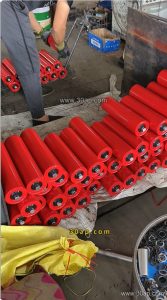
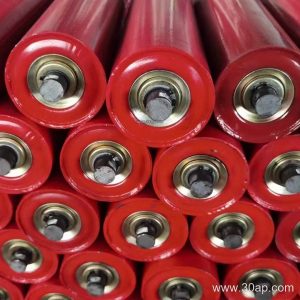
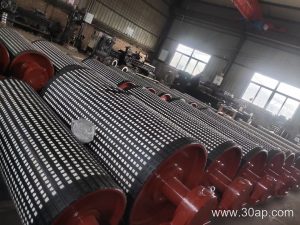
The belt runs over a steel structure fitted with idler roller sets, a drive pulley at the head, a tail pulley at the loading end, and bend pulleys where the route changes direction. These pulleys are not interchangeable parts: the drive pulley transmits torque, the tail pulley sets belt tension and tracking at the load point, and bend pulleys only redirect the belt path. Confusing them during planning is a common source of expensive rework.
Construction of the Belt Body
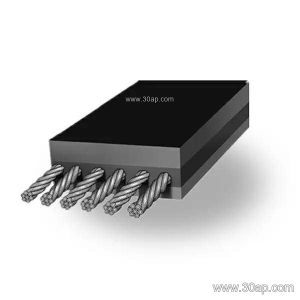
Most underground installations use a fabric-cored belt rather than a steel cord design, because fabric cores tolerate tighter pulley diameters and are easier to splice in a confined roadway. Common options include EP Conveyor Belt (polyester warp, nylon weft), NN Conveyor Belt (all-nylon) and Multi-Ply Fabric Core Conveyor Belt constructions with two to six plies. Steel Cord Conveyor Belt is normally reserved for long, high-tension surface or incline runs where its very high strength justifies larger pulleys and heavier splice equipment.
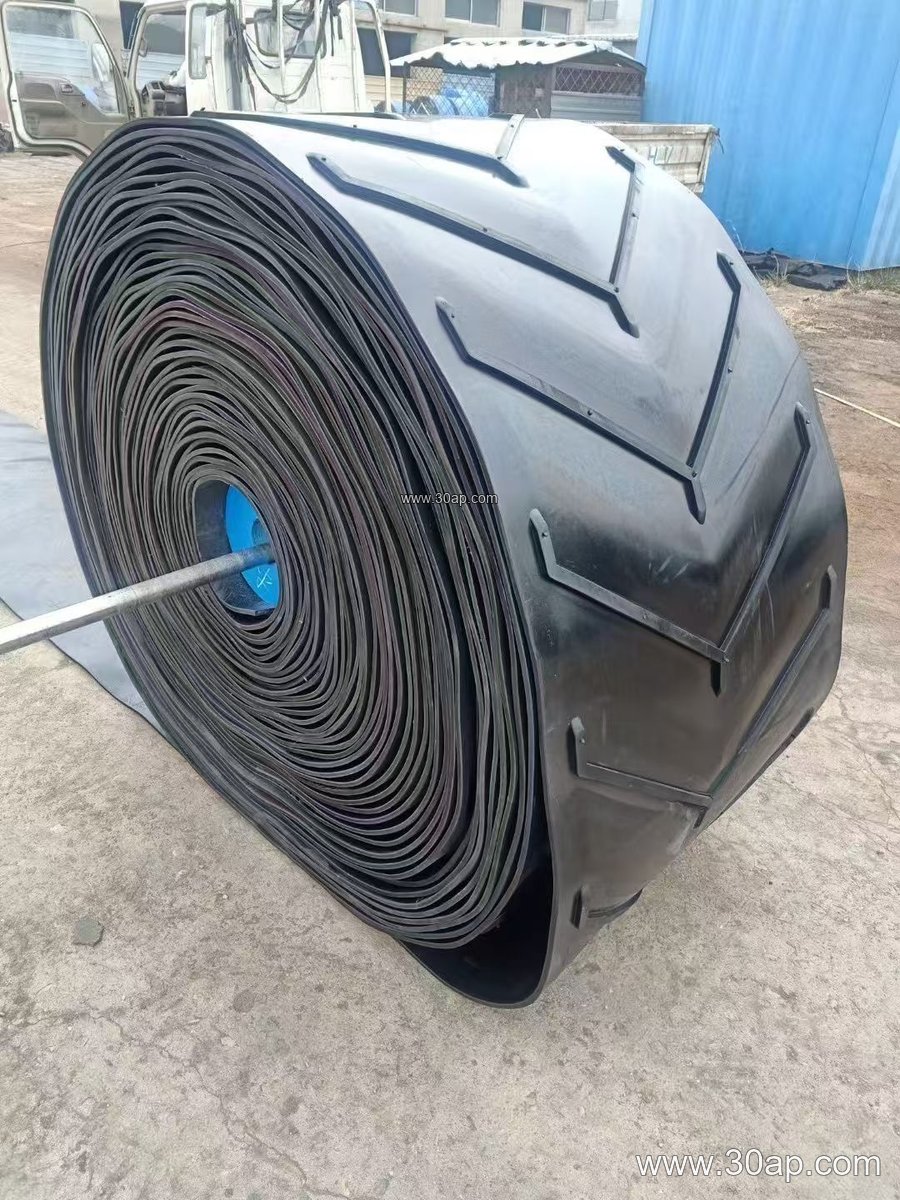
Cover compounds are matched to the duty. A Flame Retardant Conveyor Belt and Fire Resistant Conveyor Belt grade is typical for coal haulage; an Abrasion Resistant Conveyor Belt compound suits sharp crushed rock; Oil Resistant Conveyor Belt grades appear where lubricants or oily fines are present. Anti-Static Conveyor Belt properties are usually requested together with flame resistance in gassy roadways. PVG Conveyor Belt and PVC Conveyor Belt solid-woven constructions are also widely used on underground coal faces and gate roads.
Typical reference data
The figures below are common reference ranges, not fixed universal specifications. Final values are confirmed by the belt designer for each conveyor.
- Fabric core grades: EP200, EP315, EP400, EP500, EP630, EP800, EP1000, EP1250, EP1600, EP2000
- Nylon grades: NN100, NN200, NN300, NN400
- Belt widths: B500, B650, B800, B1000, B1200, B1400, B1600, B1800, B2000
- Cover thickness: 3+1.5, 4+2, 5+2, 6+2, 8+3 mm
- Ply count: usually 2 to 6 layers
A belt width does not dictate a single pulley diameter. Tension, ply count, pulley location and splice type all feed into the pulley sizing calculation, so a 1000mm or 1200mm belt may run on quite different pulley diameters in two different mines.
Where These Belts Are Used
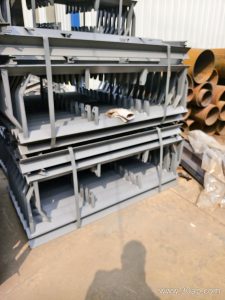
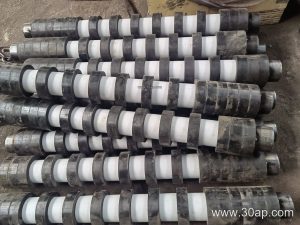
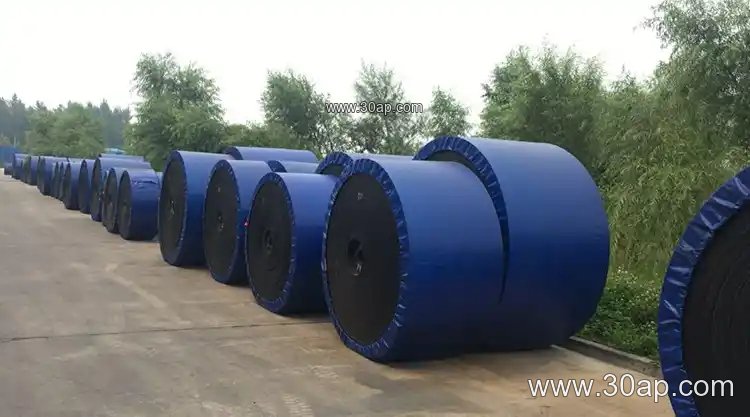
Underground Coal Mining Conveyor Belt systems dominate gate road and main drift haulage in coal mines. Metal operations use the same family for ore handling in declines and transfer drifts, where a Rock Conveyor Belt or Ore Conveyor Belt must survive impact at the loading point. Potash, salt and gypsum mines apply chemical-resistant covers. Tunnelling and civil projects use compact fabric belts to muck out spoil. In each case the belt works with conveyor pulley assemblies, conveyor bracket frames and closely spaced idler roller sets that support the load and control sag.
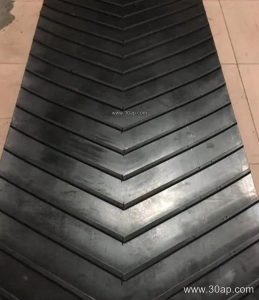
Where the route climbs steeply, a Chevron Conveyor Belt or Corrugated Sidewall Conveyor Belt may be considered, and a Skirted Conveyor Belt helps contain material at transfer points. These are alternatives for specific geometry, not replacements for the standard troughed belt on the main haul.
Buyer Checklist Before Ordering
- Confirm the duty: coal, hard rock, ore or mixed duty, and whether flame resistance and anti-static properties are required.
- State the conveyor length, lift, capacity and incline so tension can be calculated.
- Give the pulley diameters at drive, tail and bend positions, since minimum pulley diameter limits ply and cover selection.
- Specify cover thickness and grade, for example a 6+2 mm abrasion-resistant cover, and the splice method to be used underground.
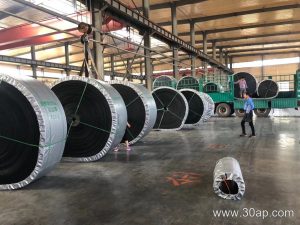
- Check that the belt can be delivered and handled in the roadway; a wide belt may need to be spliced in place.
- Agree on marking, roll length and storage conditions, because rubber ages and should not sit in sunlight or ozone for long.
For a second opinion on matching belt grade, width and cover to your conveyor route, the team at www.qdconveyorbelt.com can review your duty data alongside pulley and idler roller details. A well-matched Underground Mining Conveyor Belt reduces splice failures, tracking problems and unplanned stops, which matters more underground than almost anywhere else.