What a Rubber Impact Idler Does at the Loading Point
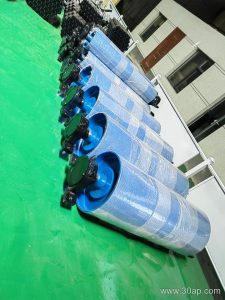
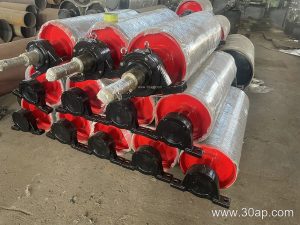
A rubber impact idler is a buffer-type carrying idler fitted with rubber rings or a rubber-covered shell, mounted on the conveyor frame exactly where material falls onto the belt. Its job is to absorb the energy of lumps, protect the carcass from cut-through and bruising, and keep the belt line stable while the load settles. In a quarry, a limestone mine or a crushing and screening circuit, the drop height at the transfer chute is often the harshest point on the whole conveyor, and this is where a rubber impact idler earns its place. It is not a replacement for a troughing idler along the normal run; it is a specific duty idler used at the feed zone.
The same component is also described as a rubber-ring impact idler or rubber disc impact roller. Those names refer to the same product, and the qualifiers matter: it is a buffer idler, not a troughing, return or self-aligning idler.
How the Rubber Impact Idler Is Built
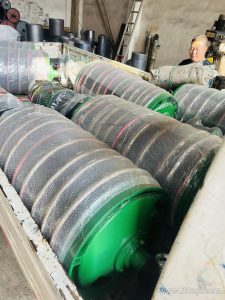
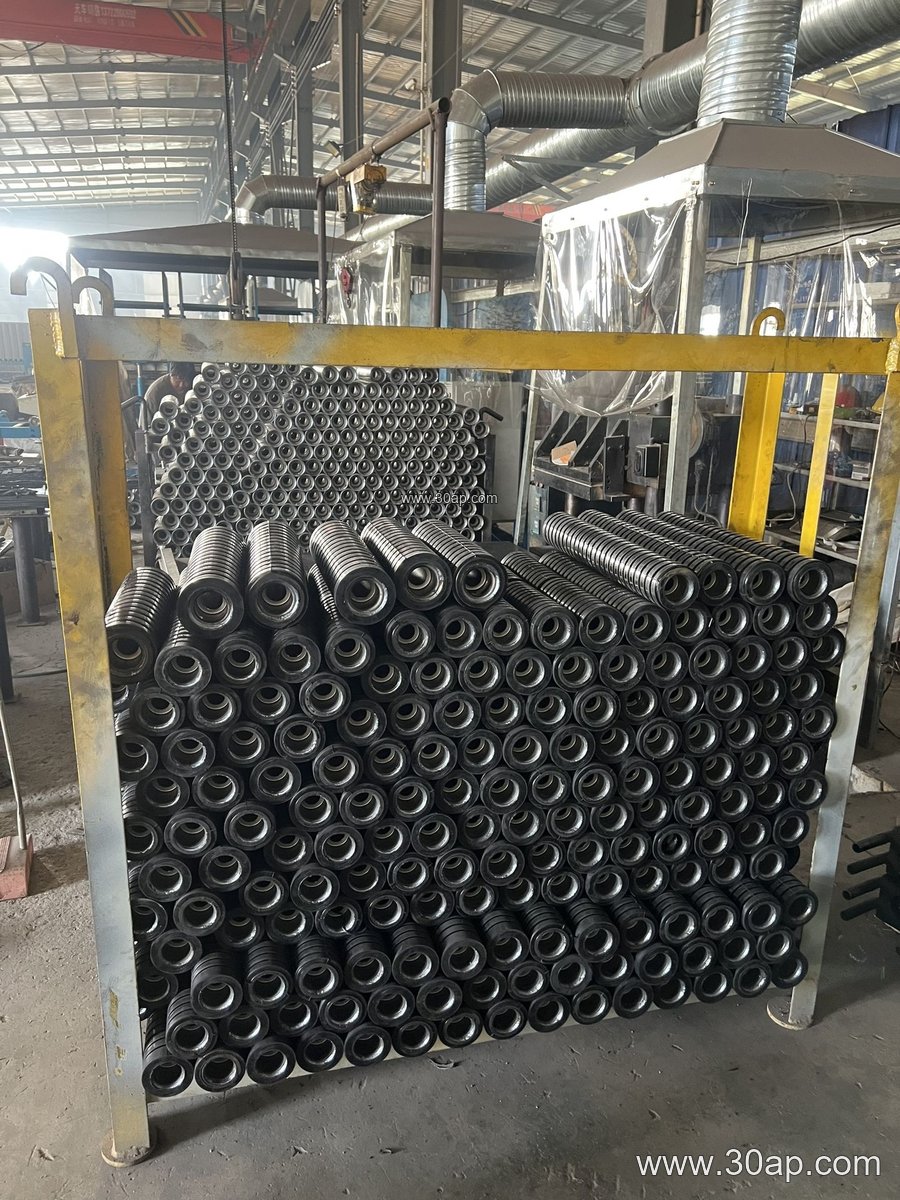
The core is normally a steel tube, with a shaft running through sealed bearing housings at each end. Around the shell, a series of rubber rings or discs are pressed on, sometimes in a staggered pattern, sometimes as a continuous rubber sleeve. The rubber is the working surface; the steel carries the load. Sealing is the quiet hero here, because dust from a coal handling plant or a cement kiln feed line will destroy an unprotected bearing long before the rubber wears out.
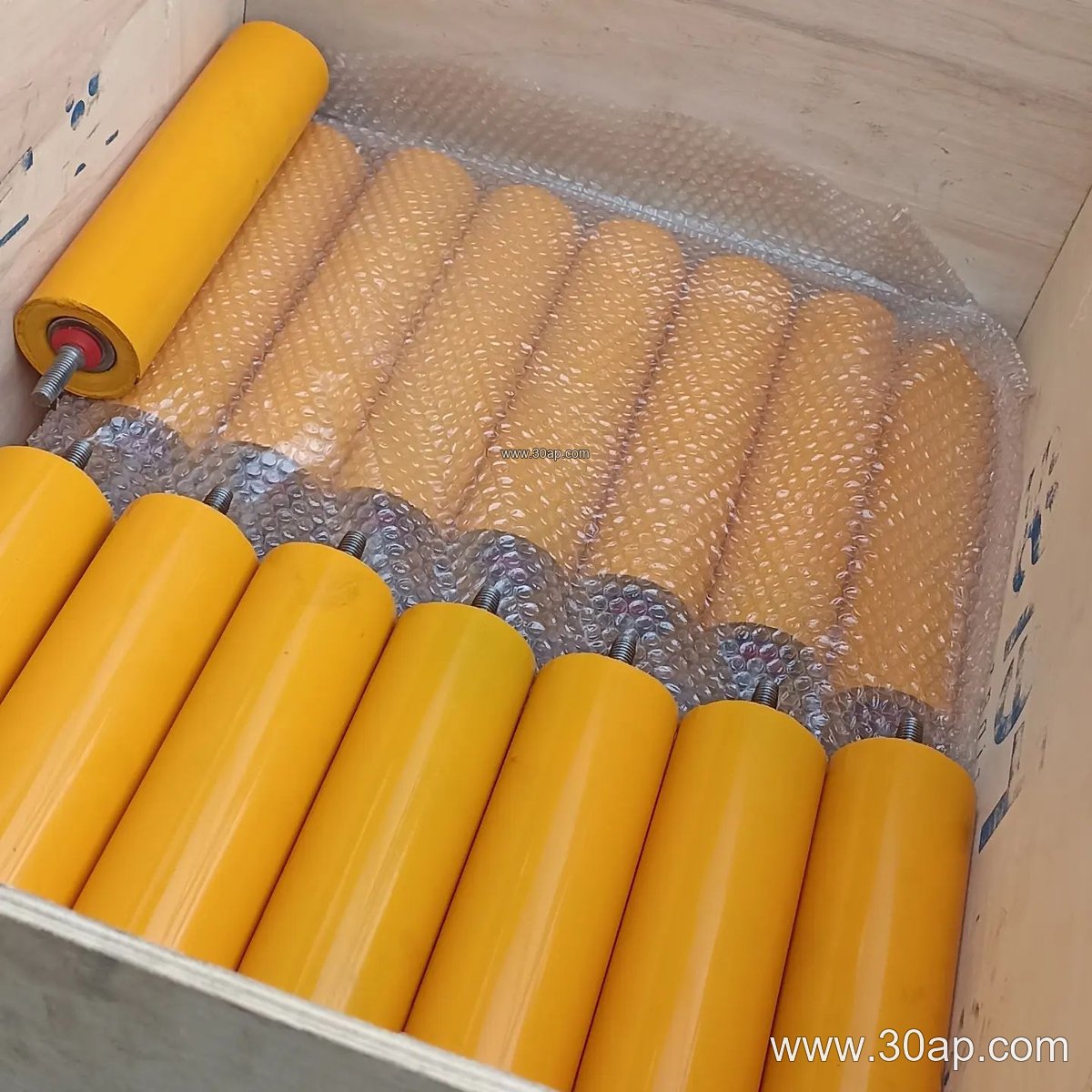
- Shell: steel tube, often with a thicker wall than a standard carrying idler
- Rubber rings: natural or synthetic rubber, selected for elasticity and cut resistance
- Bearing: deep-groove ball bearings such as 6205, 6305, 6306 or 6308, chosen by load and shaft size
- Sealing: labyrinth or contact seal, with grease retention
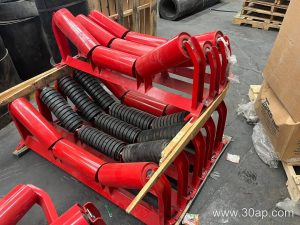
- Mounting: fixed to the conveyor bracket or impact frame, usually in a three-roll or two-roll arrangement
Diameter and roller length follow the belt width and the trough angle. Common roller diameters in this family include Ø89, Ø108, Ø127, Ø133 and Ø159 mm, with larger sizes used where the lump size and drop energy are high. Roll length is set by belt width and frame geometry, not by a single fixed rule.
Where It Fits on the Conveyor
The idler sits under the loading point, typically on a reinforced impact frame or a set of impact bars. On a B800 or B1000 belt receiving crushed rock, a three-roll impact set at 30 or 35 degrees is a typical arrangement, with the centre roll taking the direct hit. On wider belts, such as B1400 or B1600, the same duty may be handled by a two-roll or three-roll frame with heavier rings. The idler is usually followed by a transition idler and then standard troughing idlers, so the belt moves smoothly from the flattened impact zone back into its normal trough.
Applications cluster around heavy bulk handling: a quarry conveyor belt under the primary crusher, a coal mining conveyor belt at the seam transfer, a cement plant conveyor belt at the clinker drop, a power plant coal conveyor belt at the bunker feed, and a port conveyor belt at the ship loader. In each case the rubber impact idler protects both the belt and the structure.
Selecting the Right Buffer Idler
Buyers should start with the belt width, the trough angle and the lump size, then confirm the drop height and the expected tonnage. A rubber impact idler on a B650 belt with small aggregate is a very different component from one on a B1800 belt taking run-of-mine ore. Check the shaft diameter and bearing size against the frame, and confirm the roller length with the idler supplier rather than assuming a standard figure.
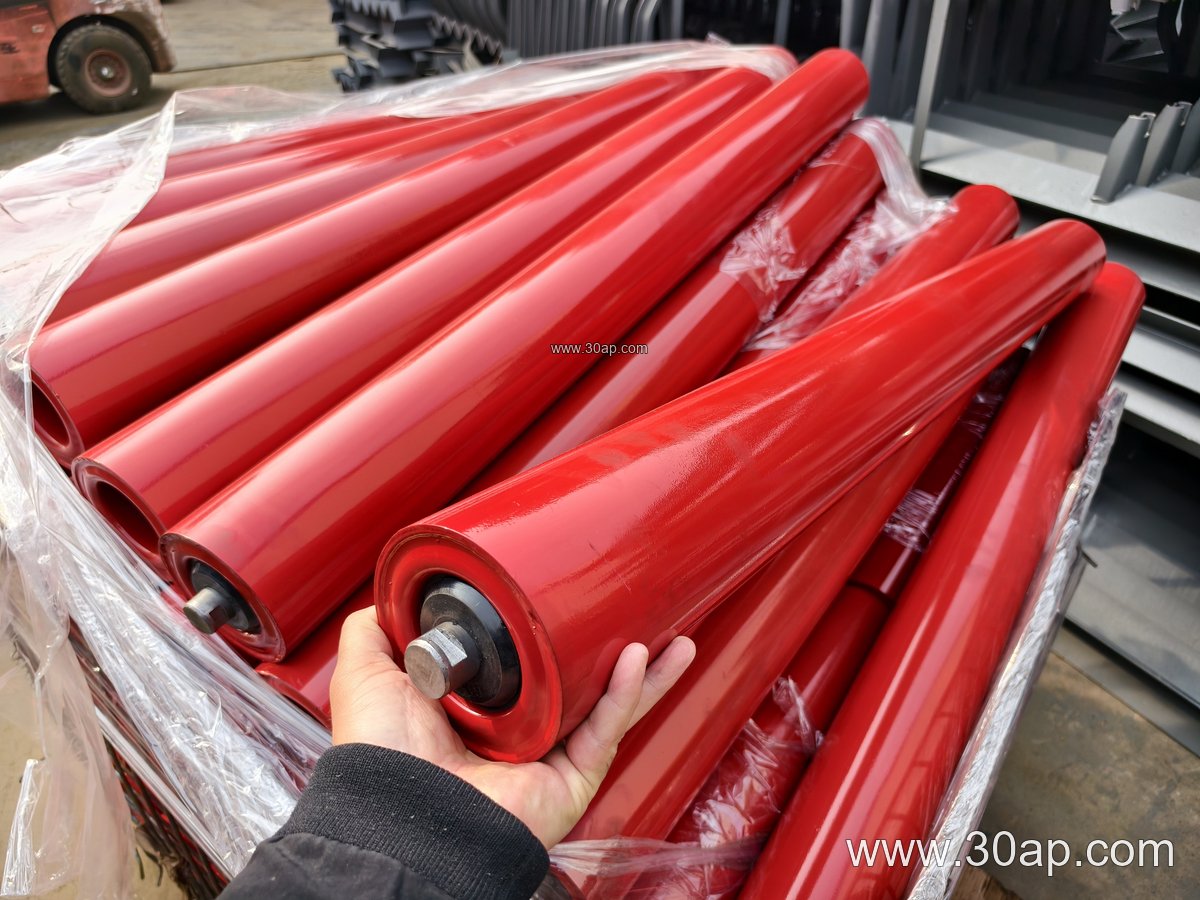
Rubber hardness matters too. Soft rings absorb more energy but wear faster; harder rings last longer but transmit more shock to the bearing. For a high-abrasion duty such as iron ore or copper ore, a wear-resistant rubber compound is worth specifying. Where the belt itself is a heavy-duty mining conveyor belt, an abrasion resistant conveyor belt or a flame retardant conveyor belt for underground service, the impact idler should be matched to the same duty class.
Installation and Maintenance Notes
Impact idlers should be installed so the belt rests on the rings without excessive sag, and the frame should be rigid enough to resist vibration. Grease the bearings at the recommended interval, and inspect the rubber rings for chunking, flattening or separation from the shell. A worn ring leaves the belt unsupported and the shock transfers to the carcass. Keep spare rings and complete idlers on hand for the loading zone, because downtime at the crusher feed stops the whole line.
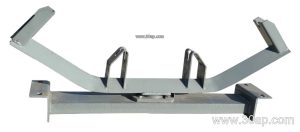
Related equipment in the same area includes the conveyor pulley at the head and tail, the conveyor bracket that carries the idler frame, and the conveyor belt itself. None of these are interchangeable with the rubber impact idler, but they all share the same design duty at the transfer point.