What a Belt Conveyor Tail Pulley Does
The belt conveyor tail pulley sits at the rear of the conveyor frame, where the return strand turns and heads back toward the head end. It closes the belt loop and, on many installations, also serves as the tensioning point. In a quarry, a cement plant, or a coal handling system, this component is often the least visible part of the conveyor, yet it directly affects belt tracking and the load on the drive.
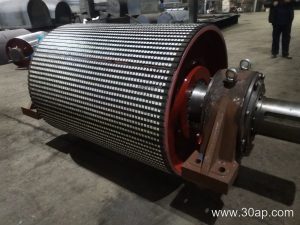
It is a drum-style conveyor pulley with a cylindrical shell, end discs, a shaft, bearing housings, and a surface that may be plain or covered with rubber. It should not be confused with the drive pulley at the head, which transmits power, or with bend pulleys used to redirect the belt at take-up and snub positions. Each has its own job, and they are not interchangeable.
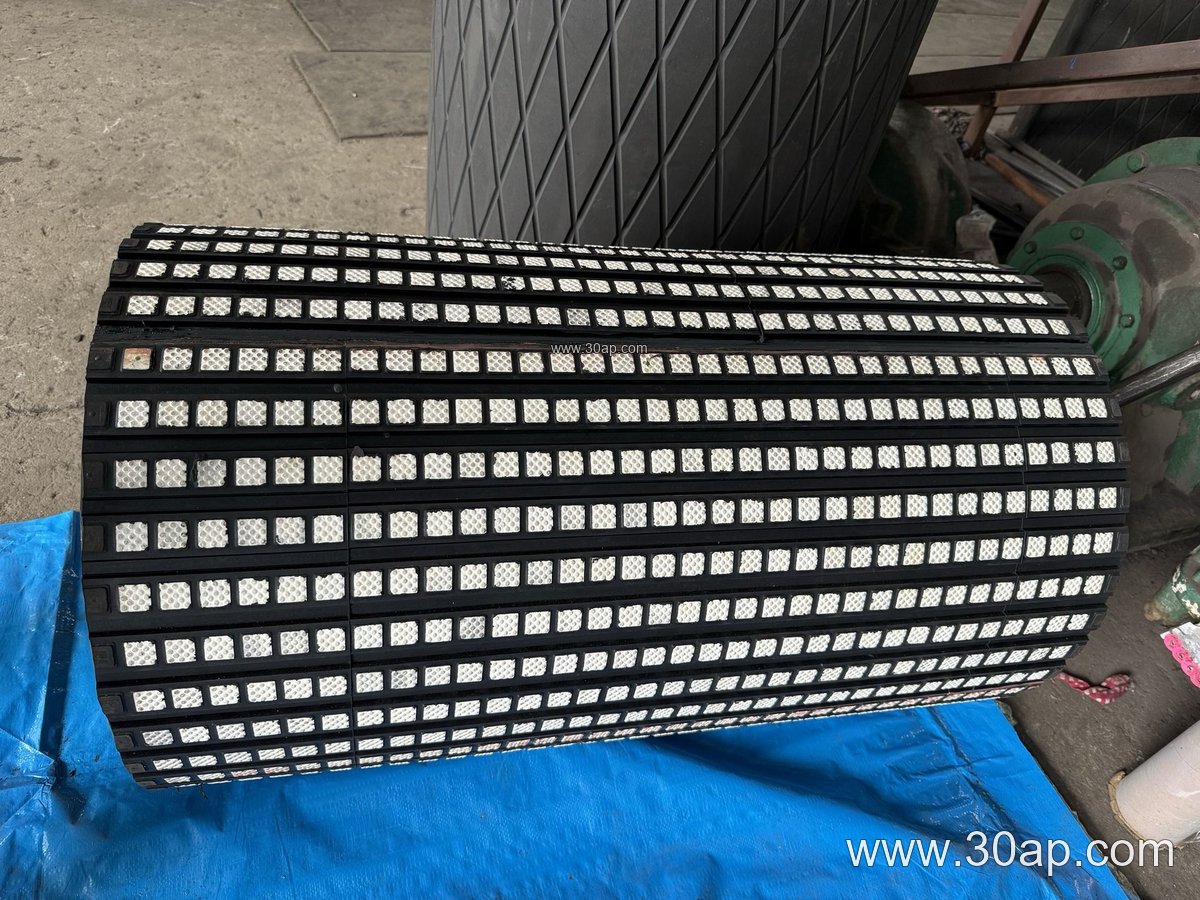
Construction Details That Matter
The shell is usually rolled from steel plate, machined, and balanced. Shaft ends are supported by self-aligning bearings in housings mounted on the conveyor brackets, which allows easy alignment. Surface treatment ranges from a plain finish to cast rubber, cold-bonded rubber, hot-vulcanized rubber, diamond groove, herringbone, or ceramic lagging. Lagging thicknesses commonly fall between 8 mm and 20 mm, depending on grip and wear requirements.
Typical combinations in catalogs include B800 × Ø500, B1000 × Ø630, and B1200 × Ø1000, but these are design examples rather than fixed pairings. Shell width normally exceeds belt width, for example B650 at roughly 750 mm or B1200 at roughly 1400 mm. Shaft diameter, such as Ø80, Ø100, or Ø120, is determined by torque and radial load rather than by belt width alone.
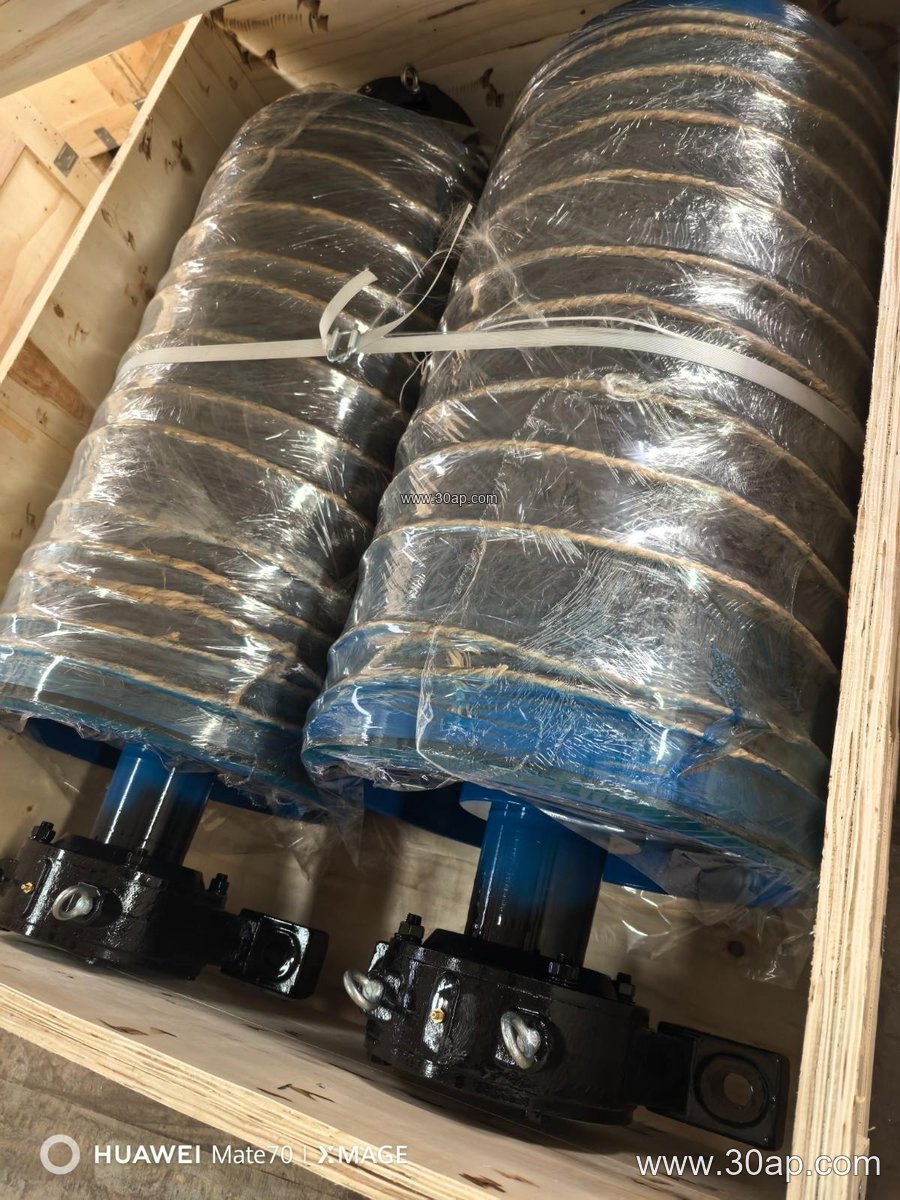
Where It Fits in the Plant
In a stone crushing line, the tail drum on a crusher conveyor often runs in a dusty, abrasive environment, so lagging and sealing both matter. In a power plant coal yard, flame retardant conveyor belt behavior and static control are routine concerns, and the tail pulley must track correctly to avoid edge wear. The same product appears in sand and gravel plants, cement clinker transport, fertilizer handling, and port bulk terminals.
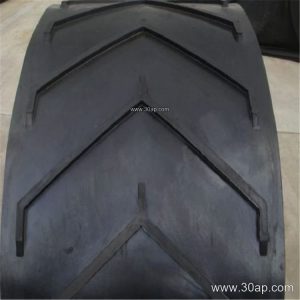
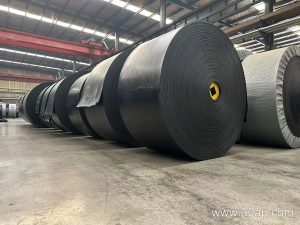
Whether the belt is an EP conveyor belt, an NN belt, a steel cord belt, or a multi-ply fabric core belt, the tail pulley should match the belt’s tension and splice conditions. On a heavy-duty mining conveyor belt, a robust shell and adequate shaft size are more important than a decorative surface.
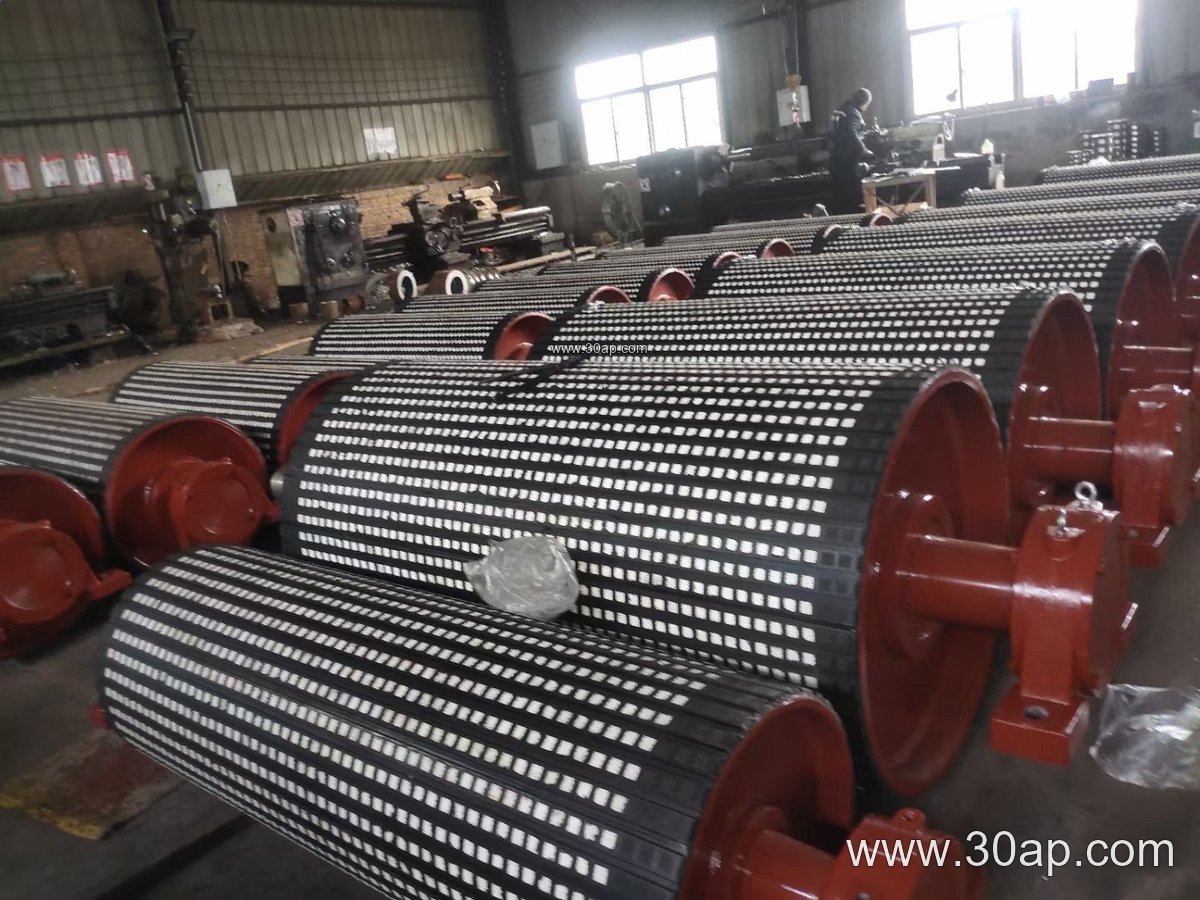
Tail Pulley Compared With Other Pulleys
A tail pulley primarily redirects the belt and sometimes provides take-up, while a drive pulley transfers power and a bend pulley changes belt direction in the tensioning system. A snub or press pulley adds wrap angle near the drive. A wing pulley is a different design used for cleaning and self-cleaning duty, not a substitute for a standard tail drum. Buyers should keep this distinction clear when ordering spares, because the function, load case, and surface treatment differ.
Selection Notes for Buyers
- Confirm belt width, belt type, and belt tension before choosing shell width and shaft size.
- Decide between plain and lagged surface based on material carryback and grip needs.
- Check bearing housing style and mounting dimensions against existing conveyor brackets.
- Consider environmental factors such as heat, oil, or cold when specifying lagging and seals.
- Plan inspection access, since belt tracking problems often start at the tail end.
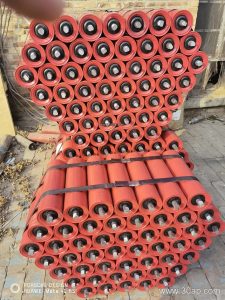
Maintenance is mostly about alignment and bearing condition. A misaligned tail pulley can cause belt edge damage and spillage, and worn lagging reduces traction on start-up. Keeping the return side clear of build-up and checking fasteners after the first weeks of operation helps avoid premature failure. For more conveyor components, including idler roller sets and pulley assemblies, review the full product range at beltconveyor-pulley.com.
Get advice on matching a tail pulley to your conveyor at beltconveyor-pulley.com. A correct match between drum, belt, and frame keeps a bulk material conveyor running smoothly from the quarry face to the stockpile.