What a Q235 Conveyor Bracket Does
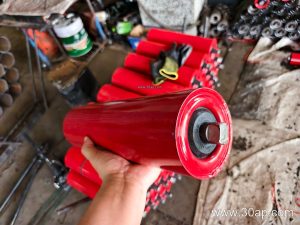
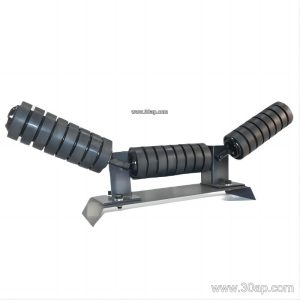
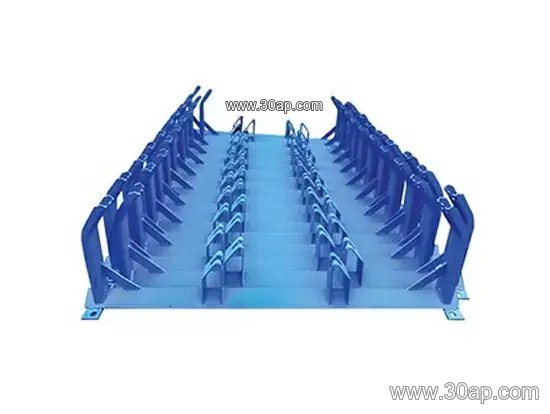
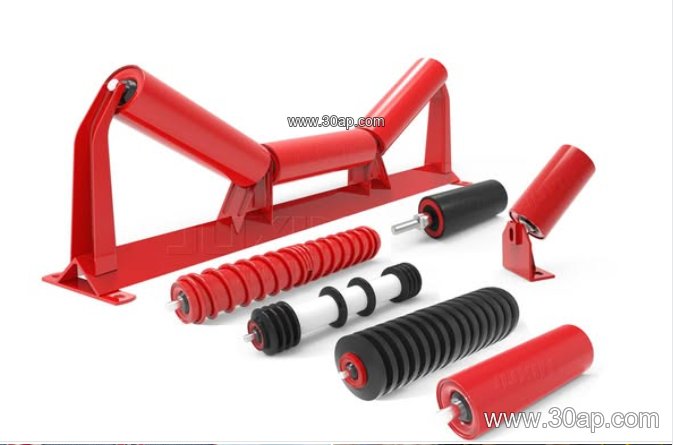
On a belt conveyor, the Q235 conveyor bracket is the structural link between the idler roller and the conveyor frame. It holds each idler at the required trough angle and height so the conveyor belt keeps a stable profile under load. Because it guides the belt through the carrying and return runs, this steel support bracket has a direct effect on belt tracking, spillage and wear. Plants in coal mining, quarrying, cement and power generation rely on it as a simple, repairable consumable rather than a precision component.
How the Bracket Is Built
Q235 is a common structural carbon steel in Chinese practice, valued for weldability and predictable strength. Most brackets are fabricated from angle steel, channel steel or folded steel plate. Slots and bolt holes are punched or drilled to match the idler shaft and the frame cross member. A welded bracket may combine a base plate, a vertical web and inclined seats. Surface treatment is usually painted or galvanized, and buyers should confirm the finish because dusty or wet conditions shorten service life.
The bracket is not a one-size item. Its cross member length and hole spacing change with belt width and trough angle, so the same drawing should not be assumed to fit another conveyor.
Common Types and Where They Sit
- Troughing brackets on the carrying side, usually 20 to 45 degrees.
- Transition brackets near the pulleys, where the belt changes shape gradually.
- Return brackets and V-return brackets under the belt.
- Impact brackets at loading points, often paired with buffer idlers.
- Self-aligning brackets to correct belt drift.
- Adjustable brackets that allow the trough angle to be reset on site.
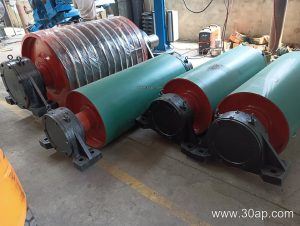
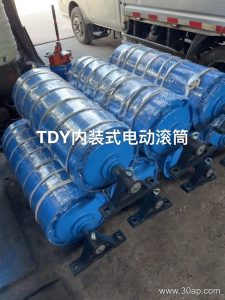
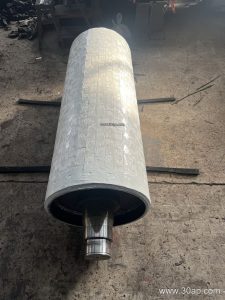
Drive, tail and bend pulleys are separate assemblies; a bracket supports idlers and does not replace any pulley function.
Typical Reference Data
The values below are indicative only. Actual dimensions follow the conveyor design, and no single belt width is tied to one trough angle or one roller diameter.
| Item | Typical range |
|---|---|
| Belt width | B500, B650, B800, B1000, B1200, B1400, B1600, B1800 |
| Trough angle | 20, 30, 35, 45 degrees |
| Idler diameter | Ø89, Ø108, Ø133, Ø159, Ø194 |
| Forward tilt | about 1.5 to 2 degrees |
| Material | Q235 angle, channel or folded plate |
Useful combinations such as B800, 35 degrees, Ø108 or B1200, 45 degrees, Ø133 appear in many layouts, but they are examples rather than fixed rules.
Installation and Selection Notes
Check that the bracket seat matches the idler shaft end and that the mounting holes align with the frame. Confirm the trough angle against the material being carried: a wider angle suits fine, free-flowing bulk material, while a shallower angle helps with lumpy loads. When specifying, give the belt width, idler diameter, trough angle, frame hole spacing and required finish. For a coal mining conveyor belt or a quarry conveyor belt, dust and moisture make galvanizing or a heavier coating worth discussing. On a long overland line, alignment accuracy matters more than bracket weight.
Applications Across Industries
Q235 conveyor brackets appear on transfer conveyors in cement plants, on coal handling lines in power stations, and on aggregate conveyors in sand and gravel yards. In a crushing circuit they support the troughing idlers after the crusher, where impact and abrasion are high. In a port or ship loading system they help keep the belt centered at high capacity. The surrounding belt choice may be an EP conveyor belt, a steel cord conveyor belt or a flame retardant conveyor belt, but the bracket duty stays the same: hold the idler steady.
Maintenance and Buying Tips
- Inspect welds and bolt tightness during scheduled stops.
- Replace bent brackets rather than straightening them repeatedly.
- Keep spare brackets in the most used sizes for fast swaps.
- Match new brackets to the existing frame before ordering a batch.
- Ask for drawings showing hole centers, not just the belt width.
For related components such as conveyor idler roller, conveyor pulley and conveyor bracket assemblies, consistent dimensions across the whole frame save time during repair. A well-chosen Q235 conveyor bracket is a low-cost part that protects the belt, the idlers and the whole conveying line.