What a Heavy-Load Bearing Idler Does on the Line
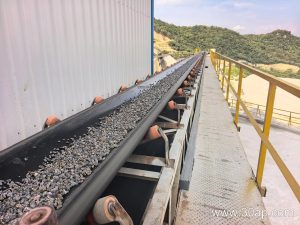
A heavy-load bearing idler is a carrying or return roller built around a reinforced bearing arrangement so that it keeps turning smoothly when the conveyor belt is wide, the lump size is large, or the tonnage per hour stays high. In a quarry or a limestone mine, the difference between an ordinary roller and a heavy-duty bearing idler often shows up first at the load point and along the first hundred meters of the incline, where shock and continuous pressure are both present.
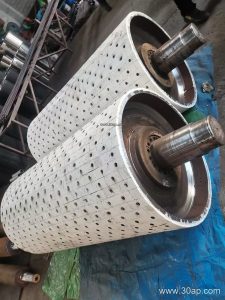
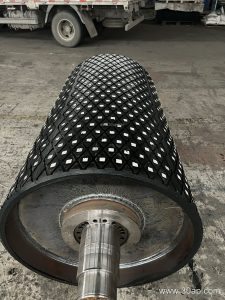
The idler is not a standalone machine. It sits in a frame under the belt, supported by a conveyor bracket, and it works together with the conveyor pulley at the head and tail. A heavy-load bearing idler is expected to protect the belt, keep the trough shape, and hold its rotation without overheating.
How the Roller Is Built
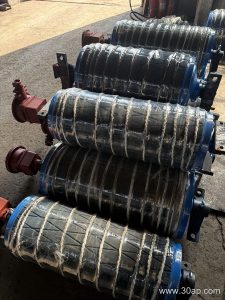
Shell, shaft, bearing housing, seals and bearing set form the core of the design. For heavy-load duty, the bearing seat is usually machined with tighter control, and the seal arrangement is chosen to keep fine dust out of the bearing cavity. A common approach combines a labyrinth seal with a contact lip, which matters in cement plants and power plant coal handling where airborne powder is constant.
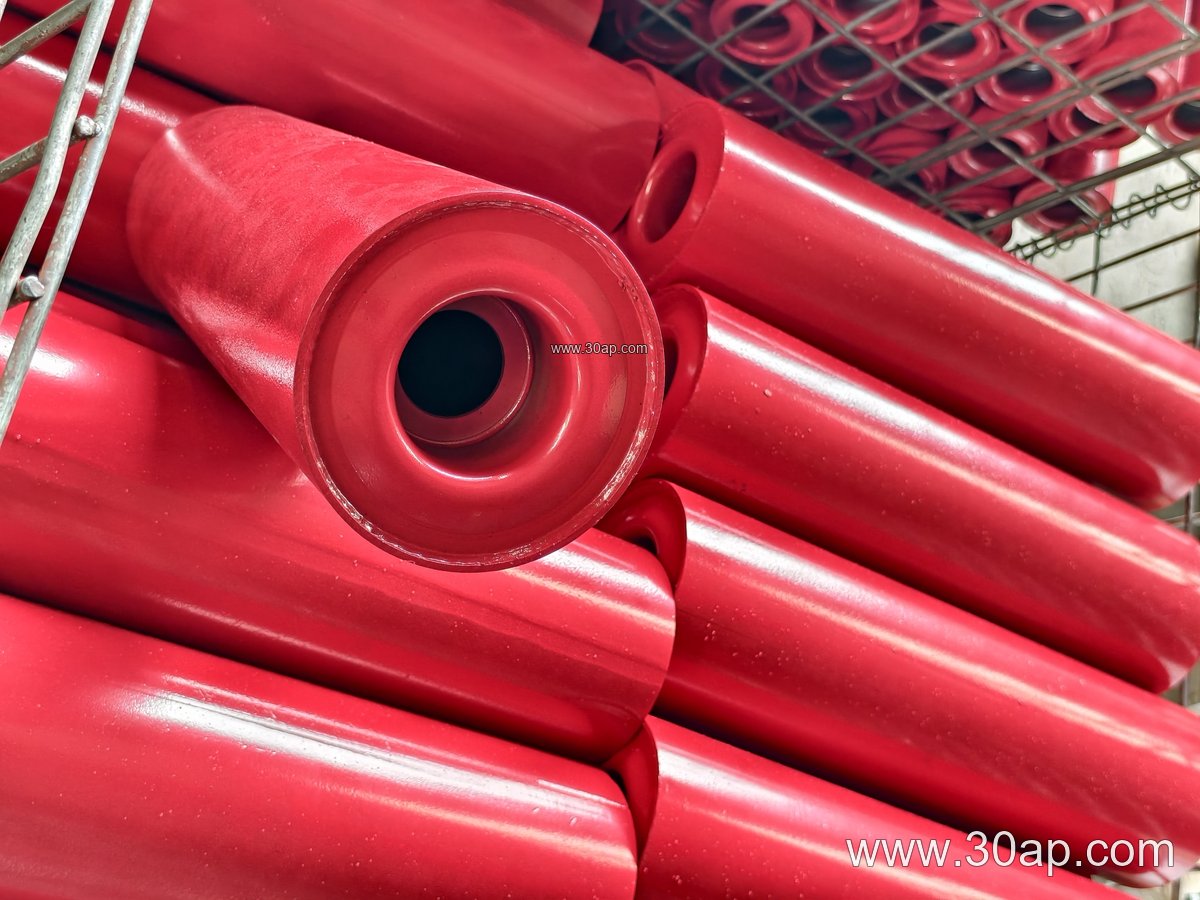
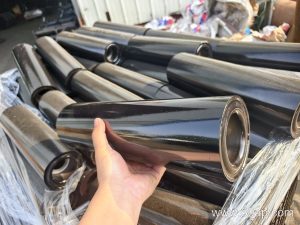
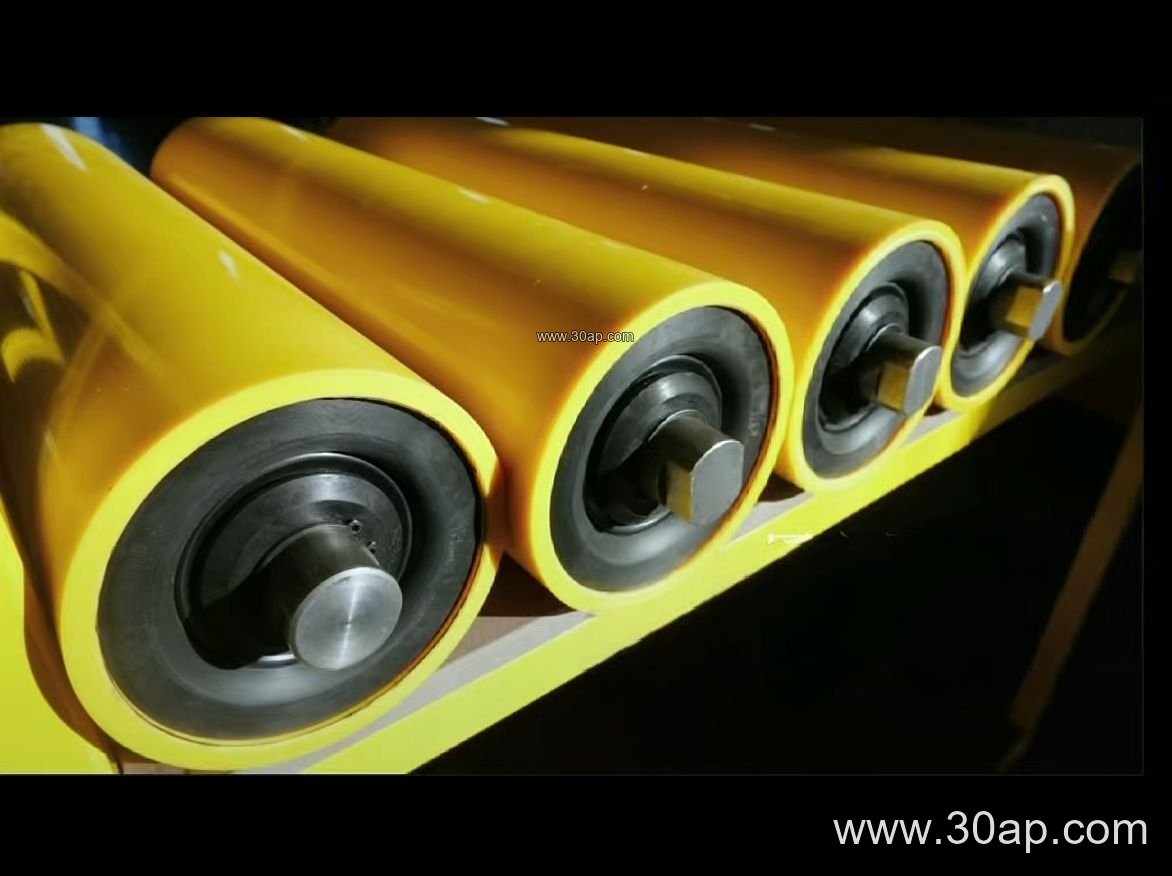
Bearing selection is matched to load and speed rather than to one fixed roller size. Typical bearing numbers used in idler production include 6204, 6205, 6305, 6306, 6308 and 6310, but the same roller diameter may be supplied with different bearings depending on the duty. The shell may be plain steel tube, nylon, ceramic or rubber ring covered; rubber rings are often preferred at impact zones, while ceramic or nylon surfaces are used where sticking and wear are concerns.
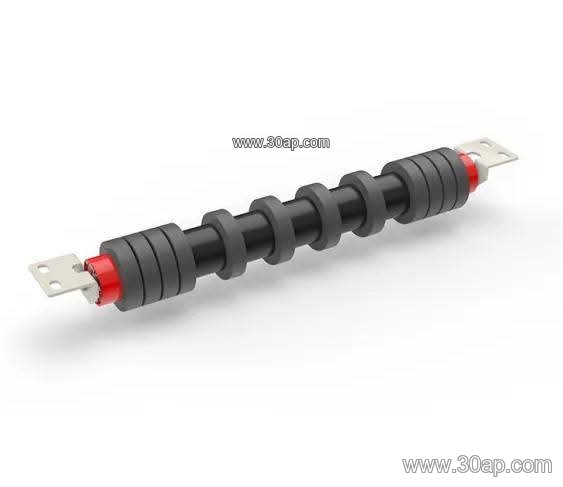
- Shell: steel tube with machined ends, or covered with rubber rings for cushioning
- Shaft: through shaft or stub shaft, sized by the frame design
- Bearing: deep groove ball bearing, selected by radial load and speed
- Sealing: multi-stage dust seal, sometimes with a grease retaining cap
Roller Diameter, Belt Width and Trough Angle
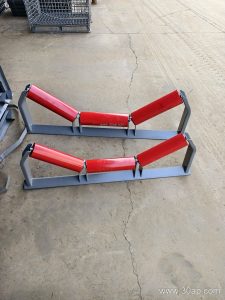
Roller diameter and belt width are related through the frame geometry, not through a fixed rule. Common roller diameters run from Ø63 and Ø76 up to Ø219, and belt widths from B400 to B2400 appear across bulk handling lines. On a three-roll troughing set, the side rollers and the center roller can have different lengths, and the roll length changes with belt width and trough angle.
The table below shows typical roll lengths for three-roll troughing sets as reference only. Center and side rolls may differ, and final dimensions are set by the conveyor design.
| Belt width | Typical roll length, three-roll troughing |
|---|---|
| B500 | about 200 mm |
| B650 | about 250 mm |
| B800 | about 315 mm |
| B1000 | about 380 mm |
| B1200 | about 465 mm |
| B1400 | about 530 mm |
| B1600 | about 600 mm |
| B1800 | about 670 mm |
| B2000 | about 750 mm |
Trough angles of 20, 30, 35 and 45 degrees are common. A steeper trough holds a larger cross section of material, but it also increases the side load on the outer rollers, which is one reason the bearing choice should follow the actual duty rather than the roller diameter alone.
Where Heavy-Duty Bearing Idlers Are Used
Two demanding settings stand out. In an iron ore or copper ore concentrator, the conveyor handles sharp, heavy lumps and the idlers face both impact and abrasion. In a coal preparation plant, the belt may run underground or in a closed gallery, so flame retardant and anti-static properties of the belt are specified together with reliable roller rotation. The idler itself supports whatever belt is running above it, whether that is a steel cord conveyor belt on a long overland route or a multi-ply fabric core belt on a shorter transfer.
At transfer points, a heavy-load bearing idler is often paired with impact rings to absorb the drop of material from a crusher. Along the return strand, a V-shaped return set helps the belt track and sheds loose material. A self-aligning idler may be added where the belt tends to wander, but it does not replace the load-bearing function of the main carrying rolls.
Selection Points for Buyers
Start with the belt width, the trough angle, the material lump size and the hourly throughput. Then confirm the roller diameter and bearing class with the manufacturer, because a larger roller diameter usually means a larger shaft and a higher load capacity, but the frame and bracket must match. Specify the roller surface: plain steel for general service, rubber rings at impact zones, and ceramic or nylon where build-up is a problem.
Ask about sealing for the actual environment. A dusty quarry and a wet coal washery need different protection. Also check that the idler fits the existing conveyor bracket and that spare parts follow the same drawing so mixed deliveries do not create fit problems. For lines that also use a skirted or corrugated sidewall belt, keep the roller spacing tight enough to support the belt edge.
Finally, plan maintenance around inspection rather than replacement. A roller that stops turning will wear the belt cover quickly, so a simple walk-by check for seized rollers, missing rings and grease leakage saves far more than the roller itself. More conveyor component references are available at ppcxssj.com.