What the PVG800S Conveyor Belt Is
The PVG800S Conveyor Belt is a solid-woven, PVC/NBR-blend conveyor belt built for demanding bulk material transport. In the PVG family, the number 800 refers to the nominal tensile strength class in newtons per millimetre of belt width, and the S suffix denotes a grade intended for service conditions where both flame resistance and abrasion resistance matter. Buyers in coal mining, cement plants, power stations and quarry operations often specify a PVG conveyor belt of this class where a rubber-covered fabric belt would be too heavy or too vulnerable to cutting and gouging.
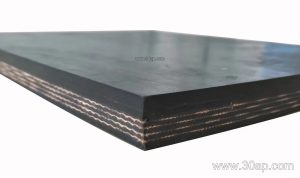
Unlike a Multi-Ply Fabric Core Conveyor Belt with separate rubber covers, this product is a single homogeneous carcass. The whole body carries the load and resists impact, so there is no cover-to-carcass bond to fail. That construction is why the PVG800S belt is frequently chosen for underground coal mining conveyors, drift conveyors and surface coal handling lines.
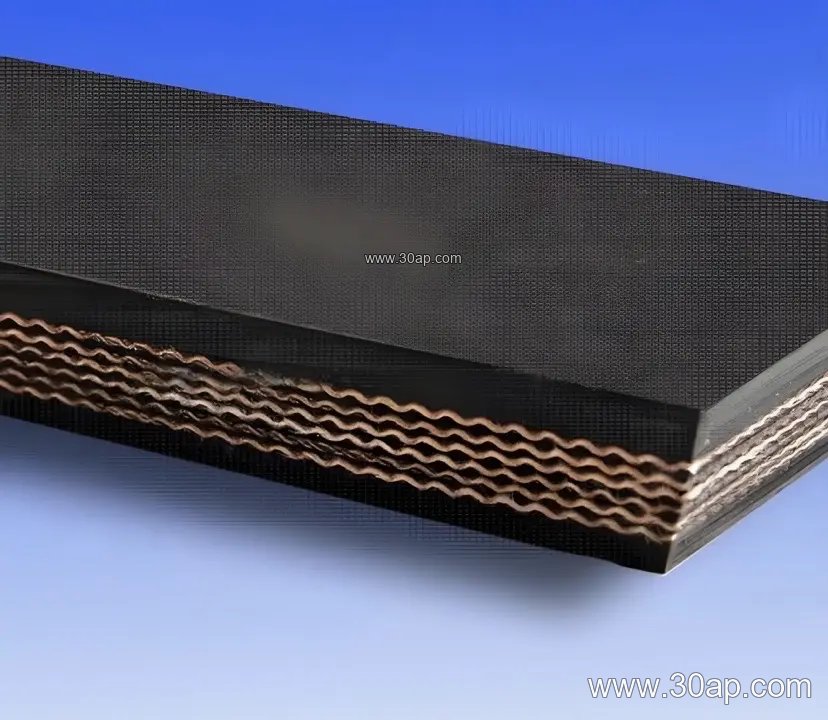
Construction and Material Build
The belt is produced from a woven fabric core that is fully impregnated and coated with a polyvinyl chloride compound modified with nitrile rubber. The resulting belt is solid, moisture-resistant and self-extinguishing in the usual fire-resistant configuration. Surface finish is normally smooth on both faces; where extra grip is needed on inclines, a Chevron Conveyor Belt pattern is used instead of the plain PVG800S surface.
Typical reference values from the product family include:
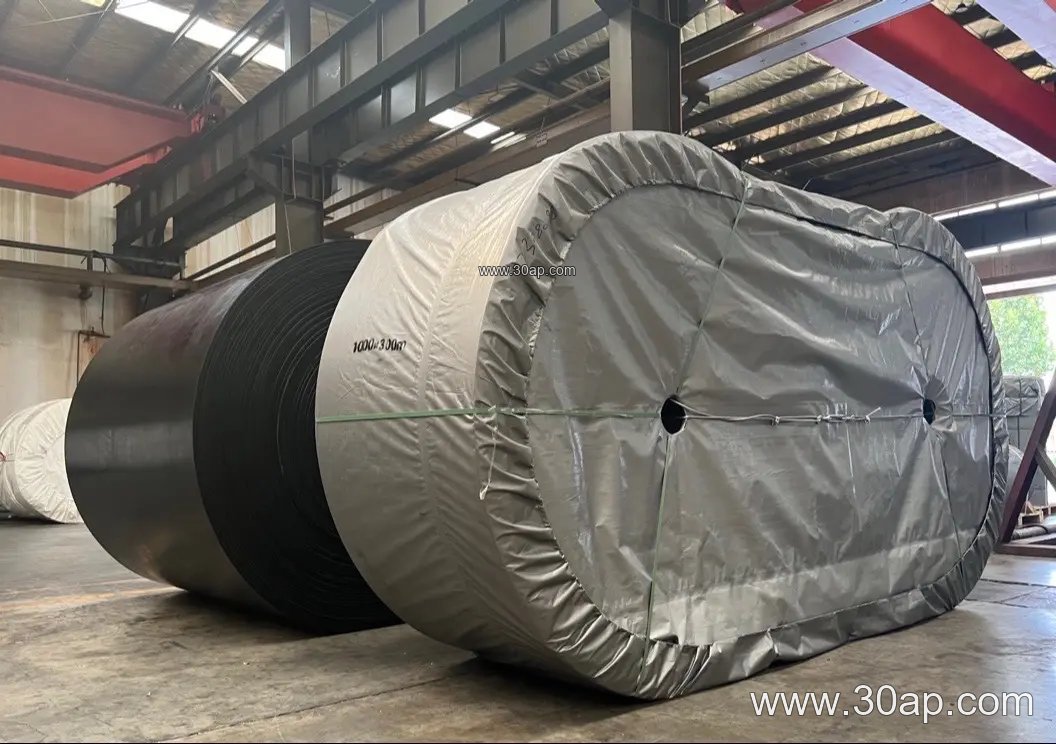
| Parameter | Common Reference Range |
|---|---|
| Tensile strength class | 800 N/mm (PVG800S) |
| Belt width | B650, B800, B1000, B1200, B1400, B1600 and wider by design |
| Belt thickness | Typically 8 mm to 15 mm depending on the class and application |
| Top/bottom cover | Integral solid body, no separate cover layers |
| Operating temperature | Commonly -20 C to +60 C, with special grades for wider ranges |
These figures are reference data, not a supply promise. Actual thickness, mass and tolerance should be confirmed against the manufacturer’s data sheet for the specific order.
Where It Fits in the Conveyor System
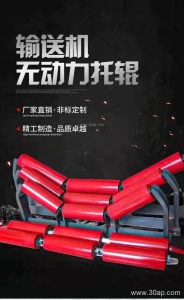
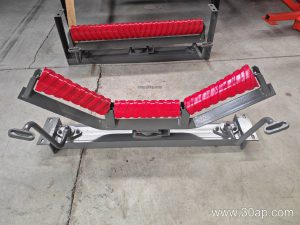
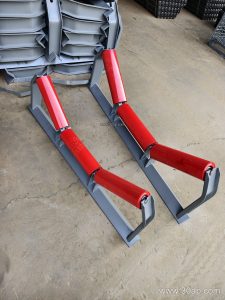
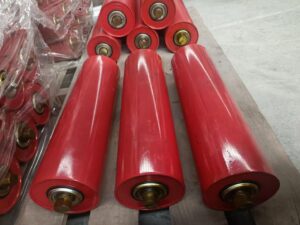
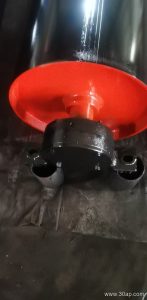
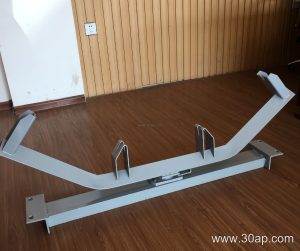
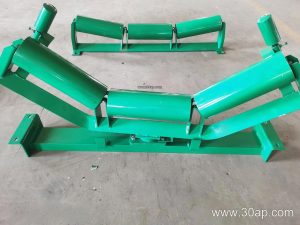
A PVG800S belt runs on a conventional conveyor structure. The belt is supported by idler rollers on the carrying side and return rollers underneath, wraps the drive pulley at the head and the tail pulley at the loading end, and is kept aligned by training idlers and conveyor brackets. Drive, tail and bend pulleys each have a different role and are not interchangeable; the same is true of impact idlers, troughing idlers and return rollers.
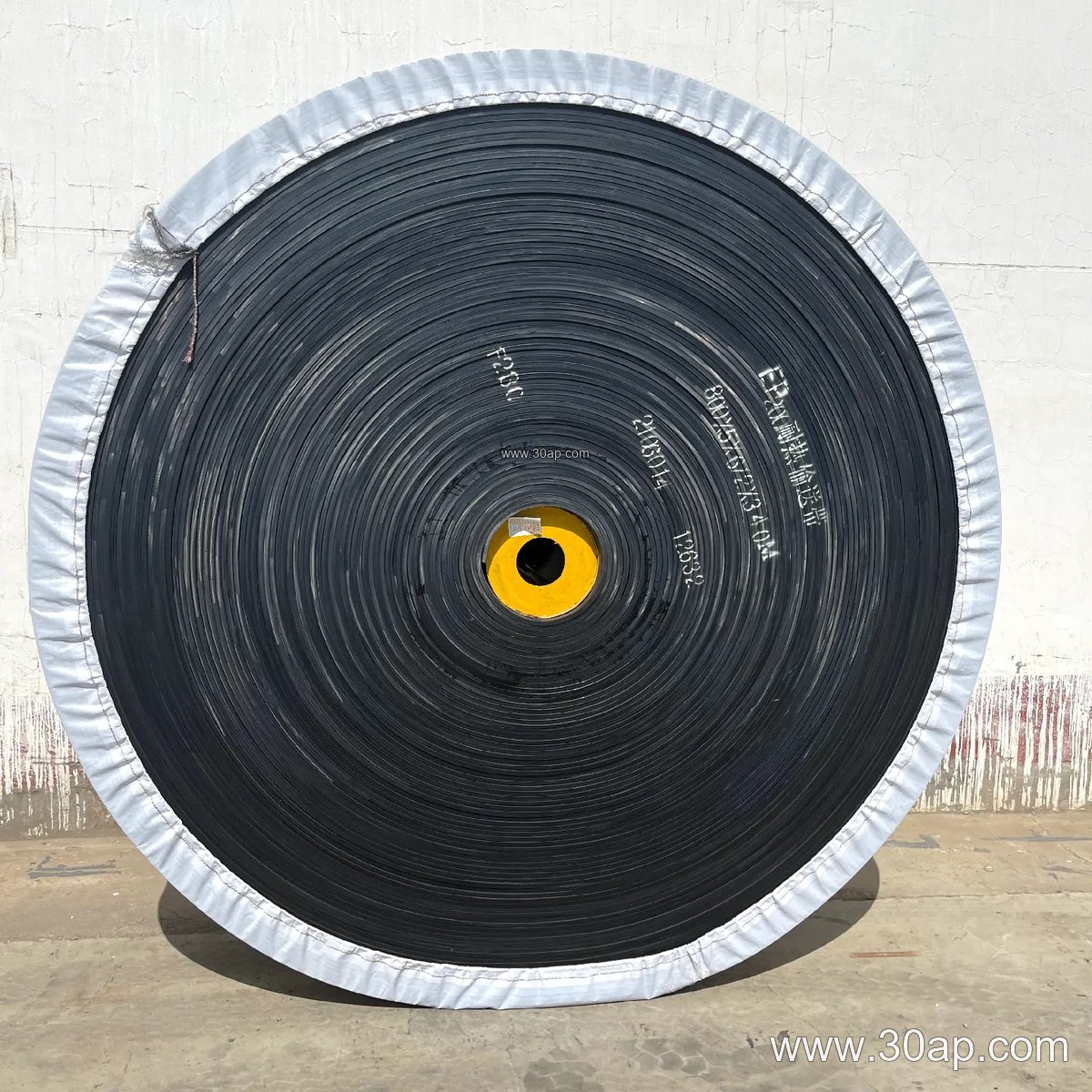
Typical duty points include:
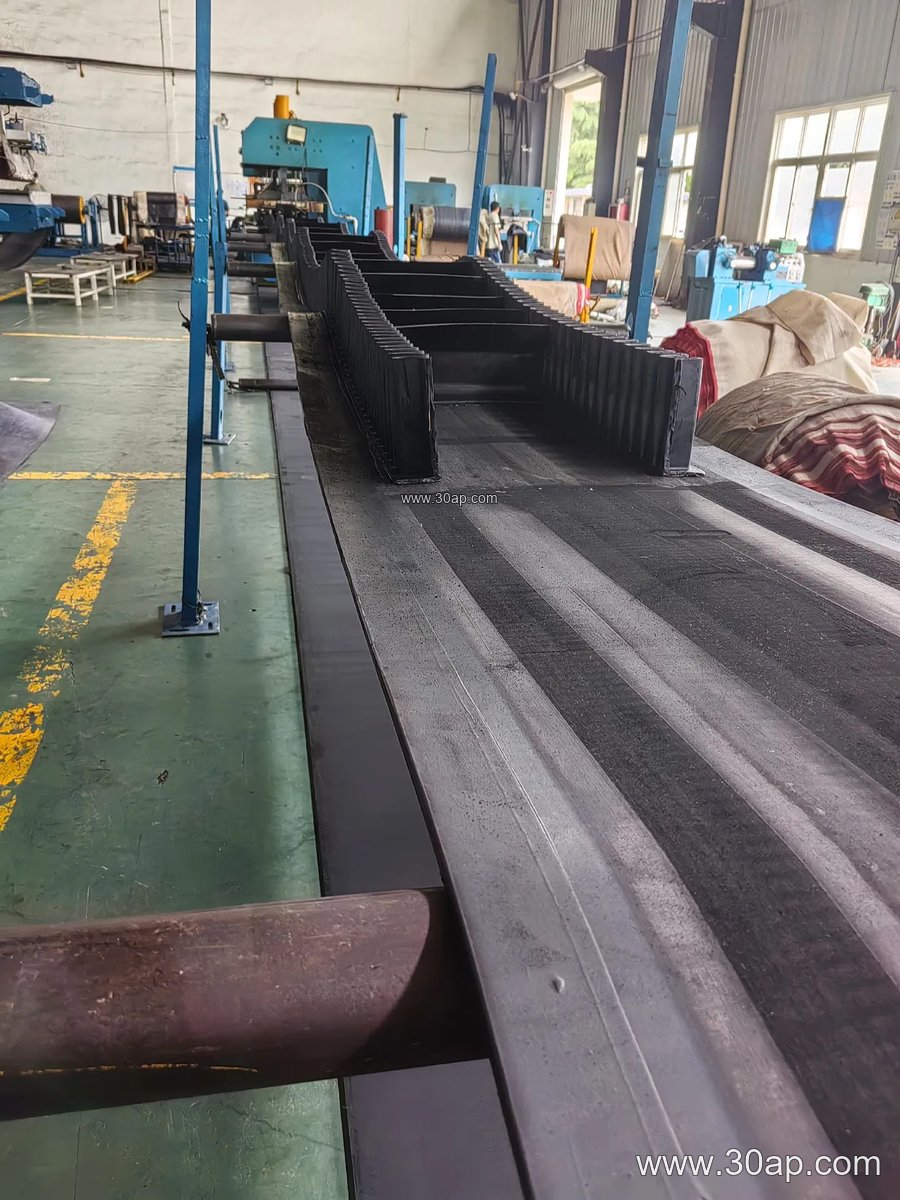
- Underground coal mining and coal preparation plants
- Mine and quarry run-of-mine transport
- Cement plant clinker and raw meal lines
- Power plant coal feeding and ash handling
- Sand and gravel plants, crusher discharge and stockpile conveyors
Because the belt resists moisture and does not delaminate like a ply belt, it suits wet, dusty and washdown environments. For coal service, the flame retardant and anti-static versions are the usual choice; for ore and aggregate duty, the abrasion resistant grade gives longer life on impact points.
Selection Points for Buyers
Three parameters decide most of the specification. First, the required tensile strength: the PVG800S class suits medium-duty main haulage, while heavier or longer conveyors may call for a higher class or a Steel Cord Conveyor Belt. Second, belt width and speed, which must match the tonnage and lump size; a 1000mm or 1200mm belt is common in coal, while wider belts appear in high-capacity power and port systems. Third, the safety grade: flame retardant, anti-static and, where relevant, oil resistant or cold resistant properties.
Installation quality matters as much as the belt itself. Correct pulley diameters, adequate take-up travel, well-aligned idler rollers and clean skirt rubber at the transfer point all extend service life. Splicing should be done with the method recommended for solid-woven belts, and the joint should be inspected after the first week of running.
For general reference, a simple tension check can be written as P = (qb + qm) x g x L / 2 for an approximate evaluation, but final design must come from the conveyor engineer. A PVG800S Conveyor Belt is a practical, low-maintenance choice for mines and processing plants that need a tough, fire-safe belt with predictable behaviour underground and on the surface.