What the Sand Making Plant Conveyor Belt Does
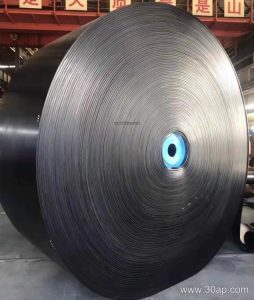
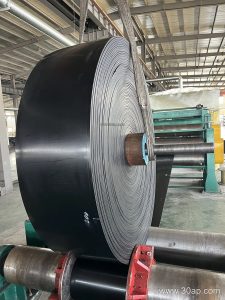
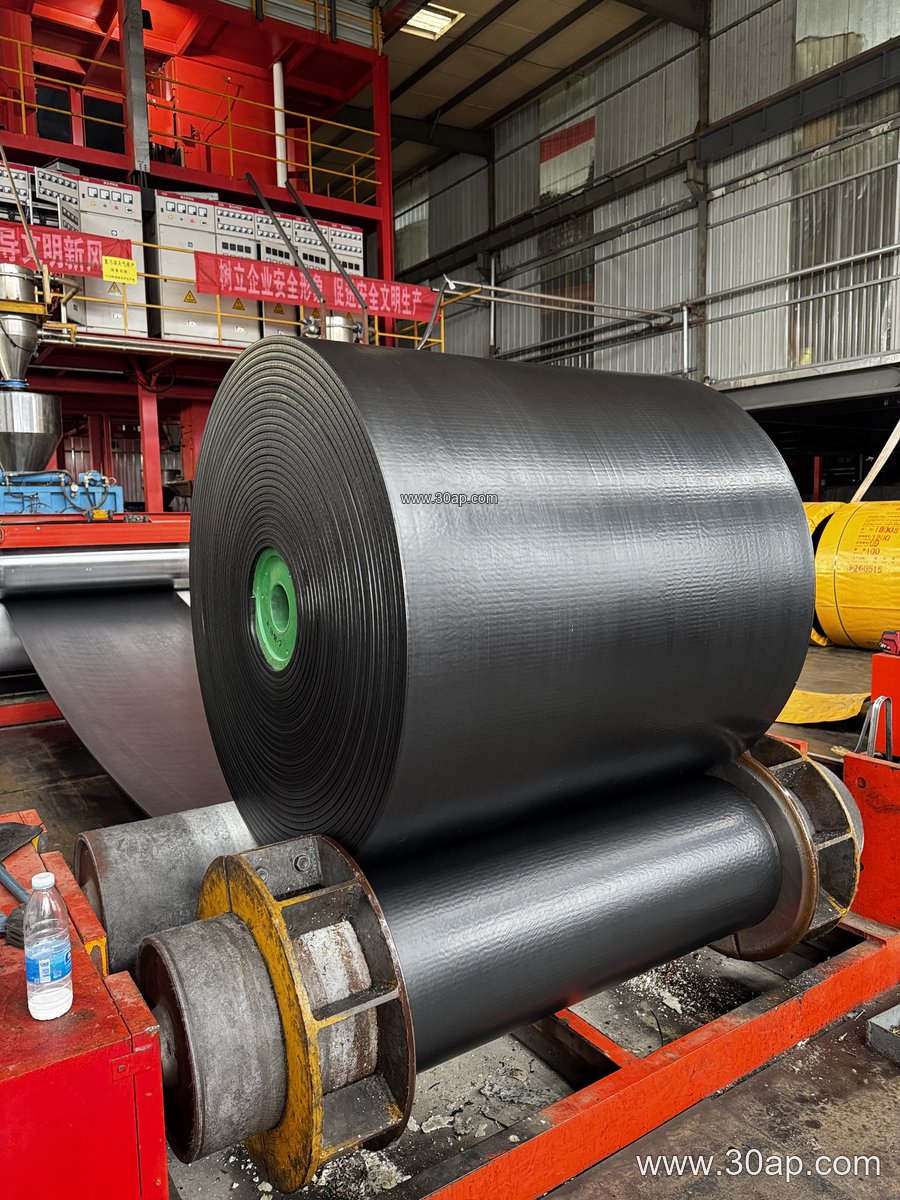
In a sand making plant, crushed rock moves through several stages: primary crushing, secondary crushing, screening, sand washing, and stockpiling. The Sand Making Plant Conveyor Belt links these stages, carrying abrasive aggregate, manufactured sand, and sometimes wet or dusty material. Because the load is heavy and the surface is sharp, this belt is usually specified as an abrasion resistant conveyor belt rather than a general-purpose product.
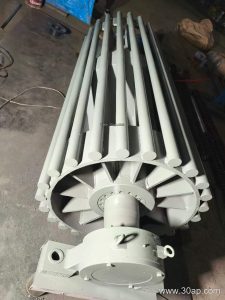
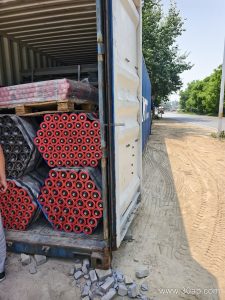
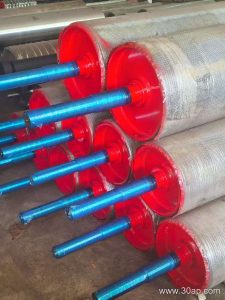
The belt is only one part of the circuit. It runs on a frame supported by idler rollers, turns over a head conveyor pulley and a tail pulley, and is tensioned by a take-up device. Correct interaction between belt, rollers, and pulleys decides how long the whole line stays in service.
Construction and Common Specifications
Most belts in this duty use a fabric core. EP conveyor belt (polyester warp, polyamide weft) is a frequent choice because it stretches less than NN conveyor belt under start-up loads and keeps splices stable. Heavier plants may use steel cord conveyor belt for long, high-tension runs. Cover rubber is normally selected for abrasion resistance, with thickness matched to lump size and drop height.
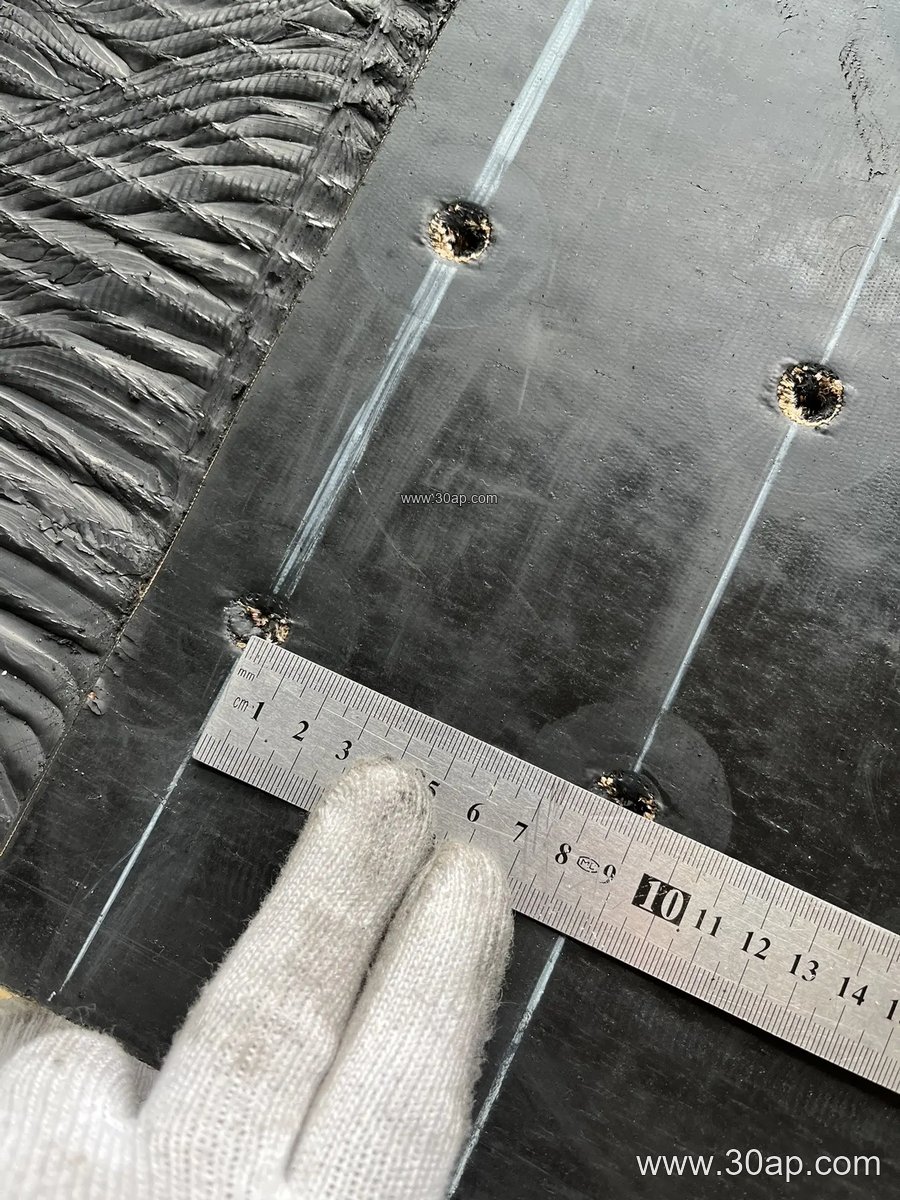
| Item | Common Reference Range | Notes |
|---|---|---|
| Belt width | B500, B650, B800, B1000, B1200 | Wider belts for high tonnage; final width follows conveyor design |
| Fabric strength grade | EP200, EP315, EP400, EP500, EP630, EP800 | Selected by tension calculation, not by habit |
| Core layers | 2 to 6 plies typical | Multi-ply fabric core for heavier duty |
| Cover thickness | 4+2, 5+2, 6+2 mm | Top cover carries the abrasive load |
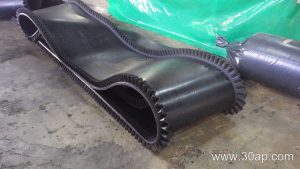
| Surface form | Smooth, chevron, corrugated sidewall | Chevron or skirted belts help on inclines |
These values are reference data only; actual supply depends on the plant layout and the manufacturer. Belt width and pulley diameter are separate design decisions, so no single width fixes a pulley size.
Where It Fits in the Plant
Sand and gravel plants, quarries, and aggregate yards are the main users, but the same belt type appears in cement plants, power plants, and some mining circuits where hard rock is handled. A crusher conveyor belt must tolerate impact at the feed point, while a stockpile belt may need a chevron conveyor belt to hold material on an incline. In dusty or closed buildings, anti-static conveyor belt grades may be requested. For wet sand lines, a heat resistant conveyor belt is not usually needed, but oil resistant or chemical resistant covers may matter if equipment lubricants or additives are present.
Where the conveyor passes through a tunnel or a transfer tower, flame retardant conveyor belt and fire resistant conveyor belt options are often discussed with the safety team. The final choice should follow the plant’s own risk assessment.
Buyer Checklist
- Confirm the duty: lump size, drop height, tonnage per hour, and whether material is wet or dry.
- Check the tension calculation before choosing an EP1000 or EP1250 grade; a higher grade is not automatically better.
- Match cover thickness to abrasion, and specify abrasion resistant conveyor belt where sharp stone is present.
- Review pulley and idler roller condition; worn rollers damage a new belt quickly.
- Ask about splice method and whether an endless conveyor belt is required for the main line.
- For inclined sections, compare chevron and corrugated sidewall designs with the plant layout.
Maintenance Notes
Keep the belt tracking straight, clean spillage from return rollers, and inspect the tail pulley for buildup. Check that conveyor brackets and frames are aligned, because a twisted frame shortens belt life. Store spare belts away from sunlight and oil. When replacing a belt, record the width, ply count, cover thickness, and strength grade so the next order matches the line’s real demand.