What a Conveyor Frame Does on a Belt Conveyor
A conveyor frame is the structural backbone of a belt conveyor. It carries the idler roller sets, holds the conveyor pulley assemblies at both ends, and keeps the conveyor belt running in a stable line between loading and discharge points. In a quarry, a cement plant, or a power plant coal yard, the frame is the part that transfers every load — belt weight, material weight, and impact forces — into the ground or into the supporting steel structure.
Because the frame sets the geometry of the whole conveyor, small errors in its alignment show up quickly as belt mistracking, edge wear, or spillage. Buyers often treat the frame as simple steelwork, but it is really a precision interface between the belt, the rollers, and the drive.
How the Structure Is Built
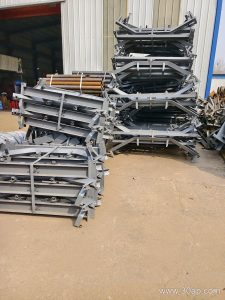
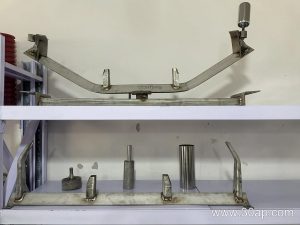
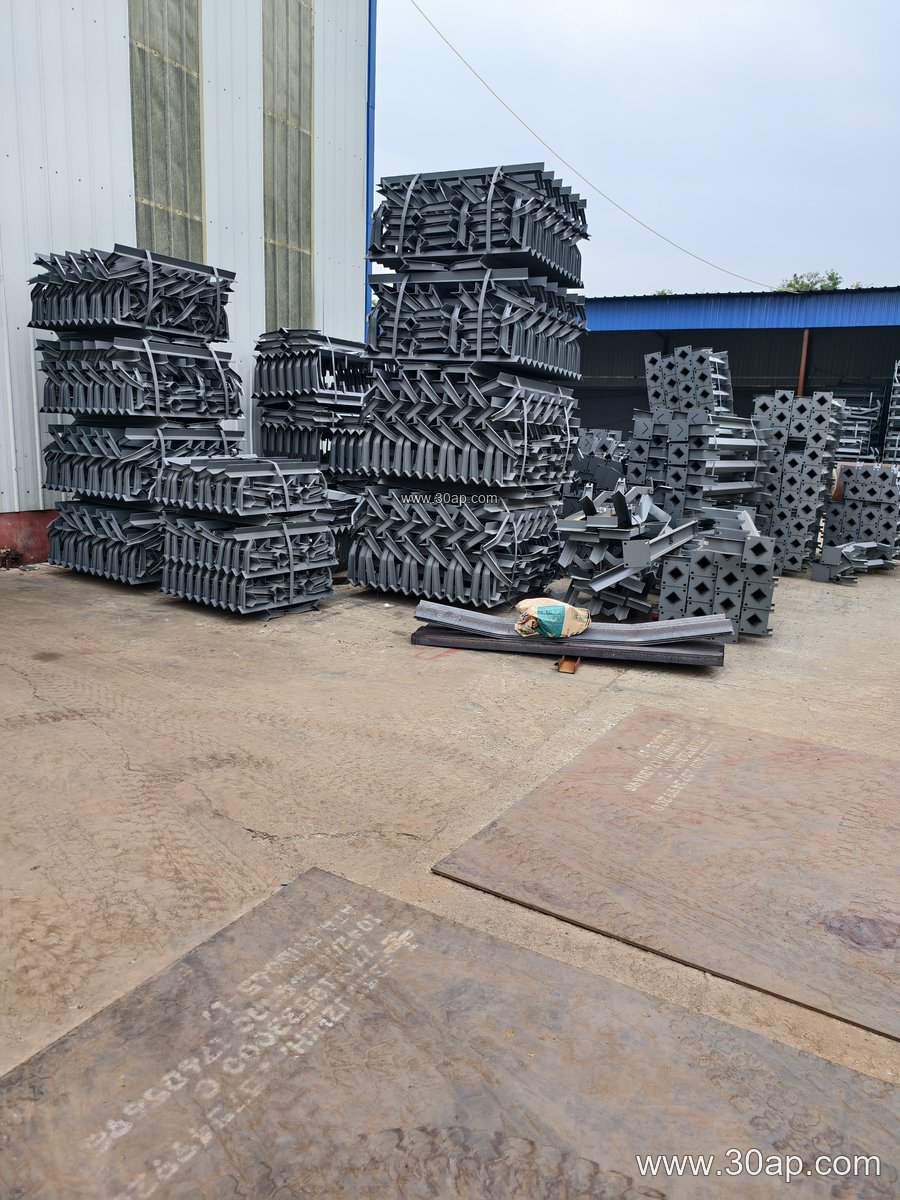
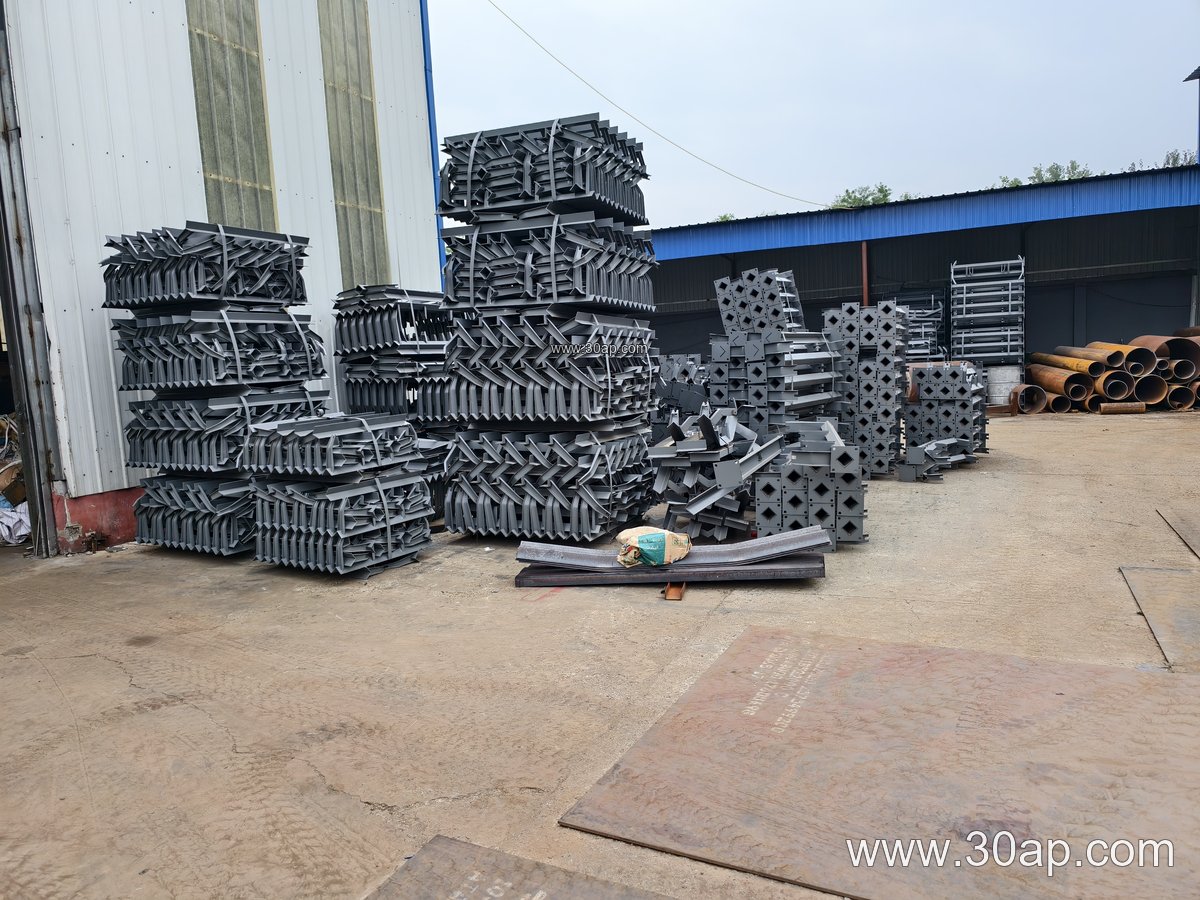
Most frames are fabricated from angle steel, channel steel, or folded steel plate. A typical section includes two longitudinal stringers, cross beams, and mounting plates for the conveyor bracket that holds each idler station. The stringers are drilled or punched to match the required idler spacing, and the end sections are prepared for the drive pulley and tail pulley bearings.
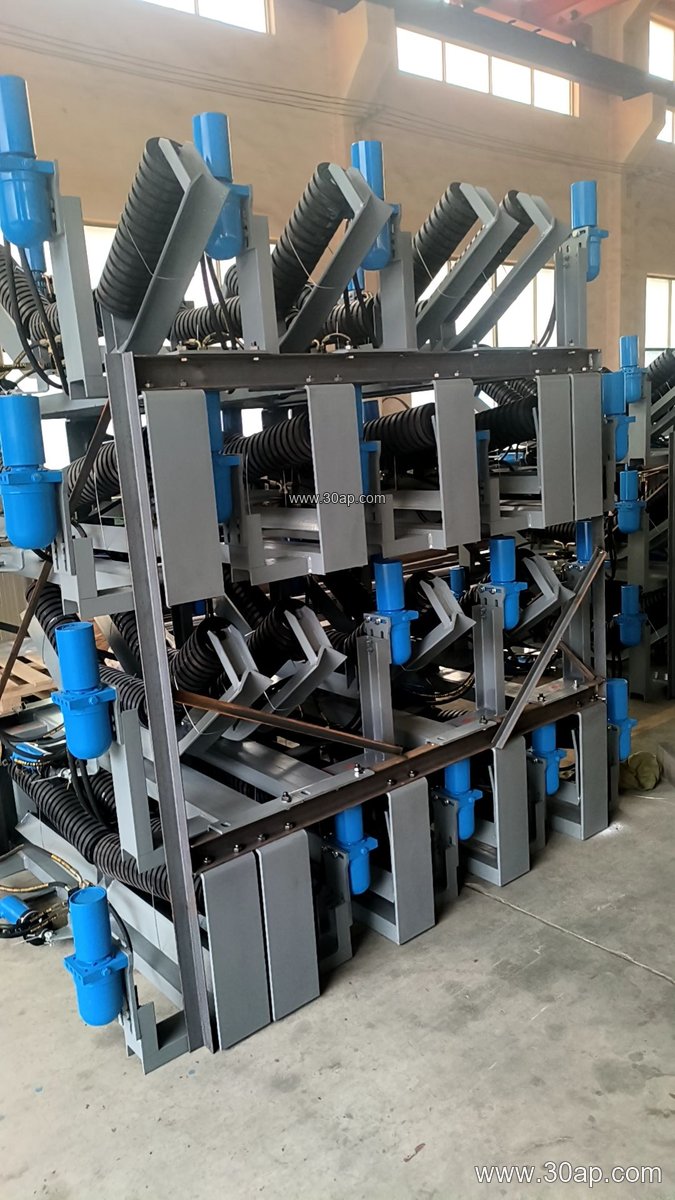
Fabrication quality matters more than raw steel thickness alone. Consistent hole spacing, square cross members, and straight stringers reduce installation time and help the belt run true from the first start. A frame that is twisted or out of square will fight every adjustment made later at the rollers.
Main Frame Positions and Their Roles
The carrying side and the return side use different frame arrangements, and each has a specific job.
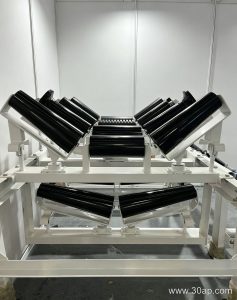
- Troughing frame (carrying side): supports three-roll idler sets that form the belt into a trough, keeping bulk material centered.
- Transition frame: placed near the pulleys, it gradually changes the belt from flat to troughed so the belt is not over-stressed.
- Return frame (flat or V-return): supports the belt on its way back, with V-type frames helping to keep the return belt centered.
- Impact frame: reinforced sections under the loading point, often fitted with impact idler rollers to absorb falling material energy.
- Self-aligning frame: carries training idlers that correct small tracking deviations.
- Hanging frame: suspended from the structure above, useful where floor space is limited.
Fixed and adjustable versions also exist. An adjustable frame lets maintenance staff fine-tune trough angle or height after installation, which is helpful on conveyors that handle mixed materials.
Trough Angle, Belt Width, and Roller Diameter
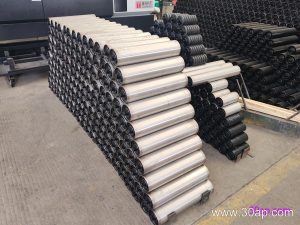
Trough angle is chosen together with belt width and material characteristics. Common angles are 20, 30, 35, and 45 degrees. Wider belts and higher capacities usually favor steeper troughing, while easily damaged material may need a shallower angle. Roller diameters such as Ø89, Ø108, Ø133, Ø159, and Ø194 are matched to belt width and load, not fixed by width alone. A B800 frame might run 30 or 35 degrees with Ø108 rollers; a B1200 conveyor could use 35 or 45 degrees with Ø133 rollers. These are typical combinations, not mandatory rules.
| Frame Parameter | Common Range |
|---|---|
| Belt width | B500 to B2200 |
| Trough angle | 20°, 30°, 35°, 45° |
| Forward tilt (training) | about 1.5° to 2° |
| Idler diameter | Ø89, Ø108, Ø133, Ø159, Ø194 |
| Materials | angle steel, channel steel, folded plate |
Installation hole spacing and cross beam length change with belt width and trough angle, so they should always be confirmed against the conveyor design drawing.
Where These Frames Are Used
In a limestone quarry or a crushing and screening line, frames must tolerate dust, grit, and heavy impact at the crusher discharge. In a coal handling system at a power plant, flame retardant conveyor belt and anti-static properties are specified for the belt, while the frame needs corrosion protection and easy access for roller changes. Similar structures appear in iron ore handling, fertilizer plants, and grain silos, each with its own emphasis on sealing, cleaning, or corrosion resistance.
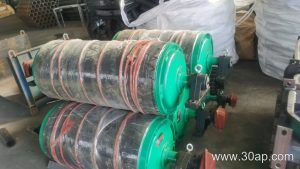
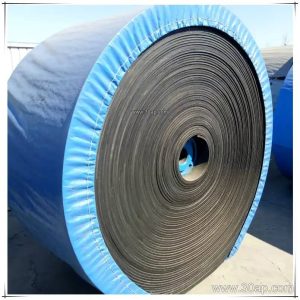
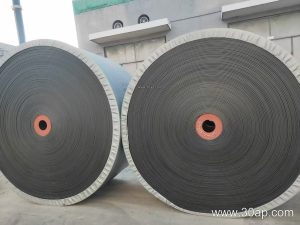
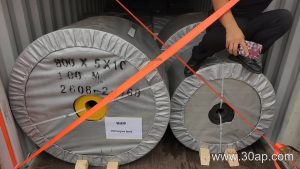
The frame also works with other components: the conveyor pulley at the head and tail, the idler roller sets along the run, and the belt itself. A well-matched system, for example an abrasion resistant conveyor belt on a properly aligned frame, lasts noticeably longer than mismatched parts.
What Buyers Should Check Before Ordering
- Confirm belt width, trough angle, and roller diameter as a set, not separately.
- Ask for the frame drawing showing hole spacing and cross beam length for your layout.
- State the environment: dusty quarry, wet coal yard, or corrosive chemical area affects coating and material choice.
- Decide between fixed and adjustable frames based on expected maintenance practice.
- Check that the frame interfaces with your existing pulley bearing centers and conveyor bracket pattern.
For related conveyor components, visit guanlianconveyor.com and review conveyor frame options together with belt and roller selections so the whole line is specified as one system.