Understanding the Stone Crushing Conveyor Belt
A stone crushing conveyor belt is the heavy-duty belt used to move blasted rock, crushed stone, gravel, and sand from the crusher discharge point to screens, stockpiles, or loadout stations. In a quarry or sand and gravel plant, this belt must handle sharp, abrasive material with a wide size distribution, often under wet or dusty conditions. The same belt family appears in cement plants, coal preparation facilities, and power plant limestone handling, where reliability and wear life directly affect plant uptime.
The product is commonly specified as a heavy-duty mining conveyor belt or rock conveyor belt, with construction tailored to the duty. Buyers often refer to it as a crusher conveyor belt when it sits directly under the primary or secondary crusher, where impact and tearing are most severe.
Construction and Key Components
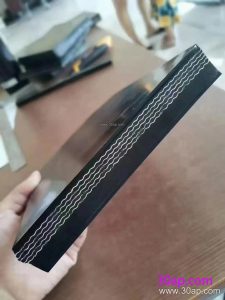
The belt body combines a fabric or steel cord carcass with rubber covers. The carcass carries tension and resists flexing, while the top cover protects against abrasion and the bottom cover runs over idler rollers. Typical constructions include multi-ply fabric core (EP or NN) and steel cord. For high-tonnage primary crushing, a steel cord conveyor belt such as ST1000 or ST1600 may be used on long overland sections, while EP conveyor belts like EP200, EP400, or EP630 are common on plant conveyors.
Cover thickness is selected by duty. Common top and bottom cover combinations include 4+2 mm, 5+2 mm, 6+2 mm, and 8+3 mm, with heavier covers used at transfer points. The belt width usually ranges from B500 to B2000, with B800, B1000, and B1200 being frequent choices in crushing circuits. Skirted or corrugated sidewall belts may be used where space is tight and steep inclines are needed, but they are a different subtype and not a direct substitute for a standard flat belt.
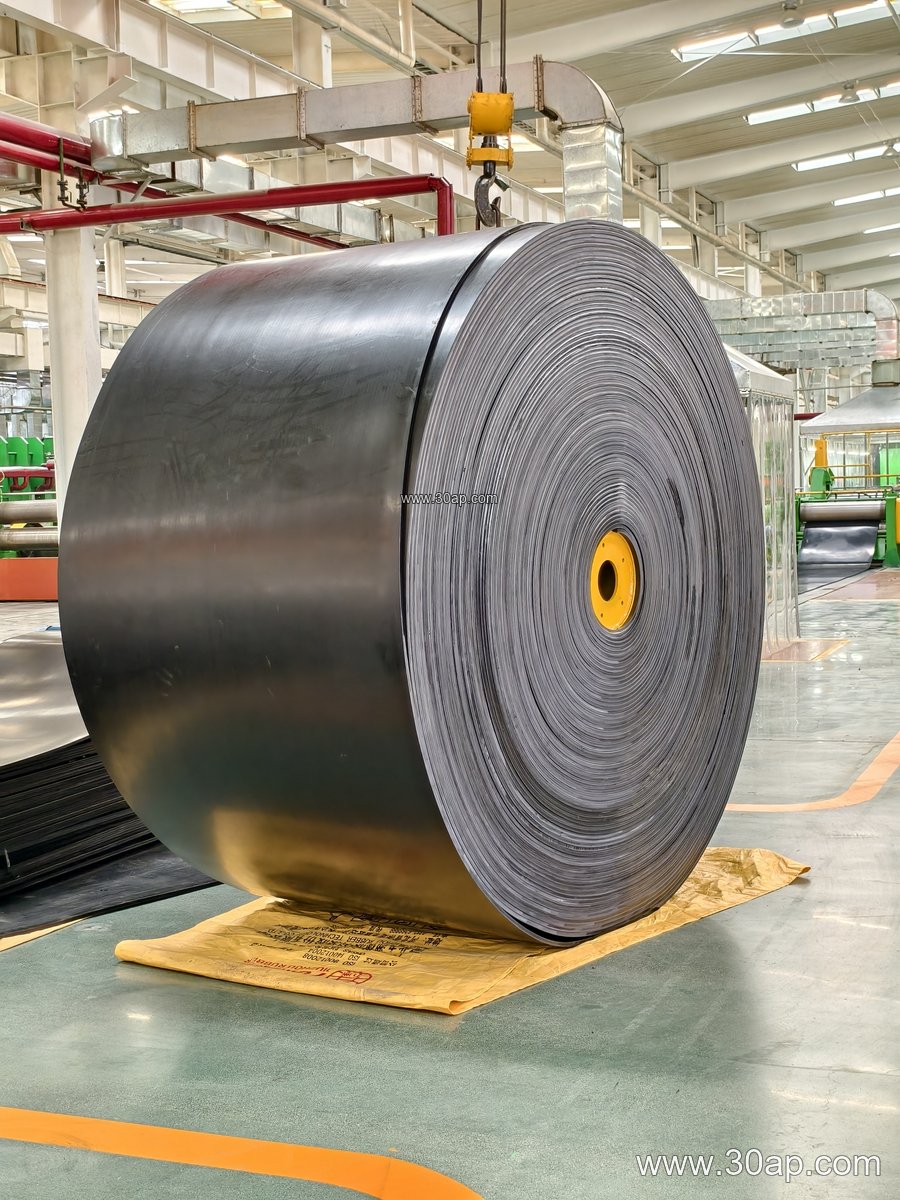
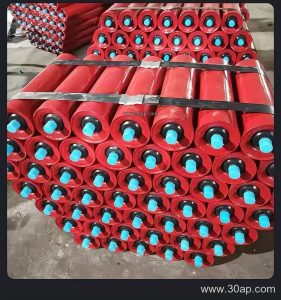
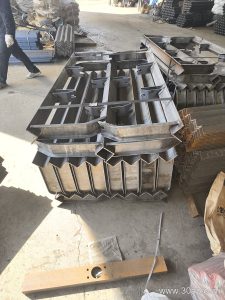
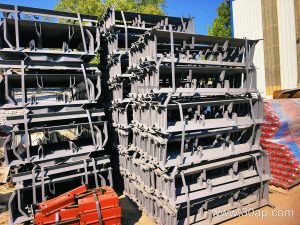
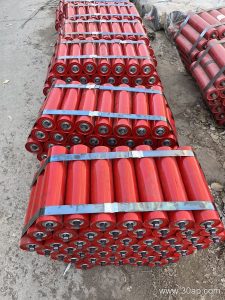
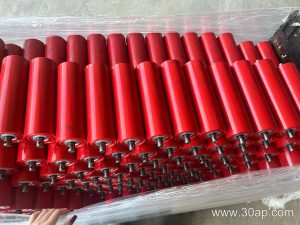
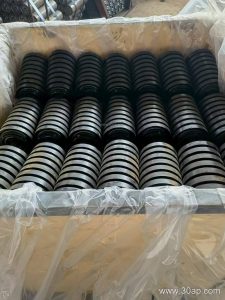
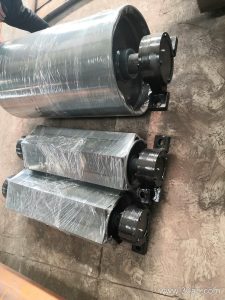
Supporting hardware matters as much as the belt itself. The belt runs on idler rollers, wraps around a conveyor pulley at the drive and tail, and is held by a conveyor bracket and frame. Drive, tail, and bend pulleys are not interchangeable, and each has its own diameter and shaft requirements set by the conveyor designer.
Where It Is Used
In a stone crushing plant, the belt connects the jaw or impact crusher to the vibrating screen and then to product stockpiles. In sand making plants, it carries fine aggregate and manufactured sand. In cement plants, it moves limestone and clinker; in coal mining, flame retardant and anti-static grades are often required for underground mining conveyor belt service. Power plants use similar belts for limestone and bottom ash handling, and ports rely on them for ship loading.
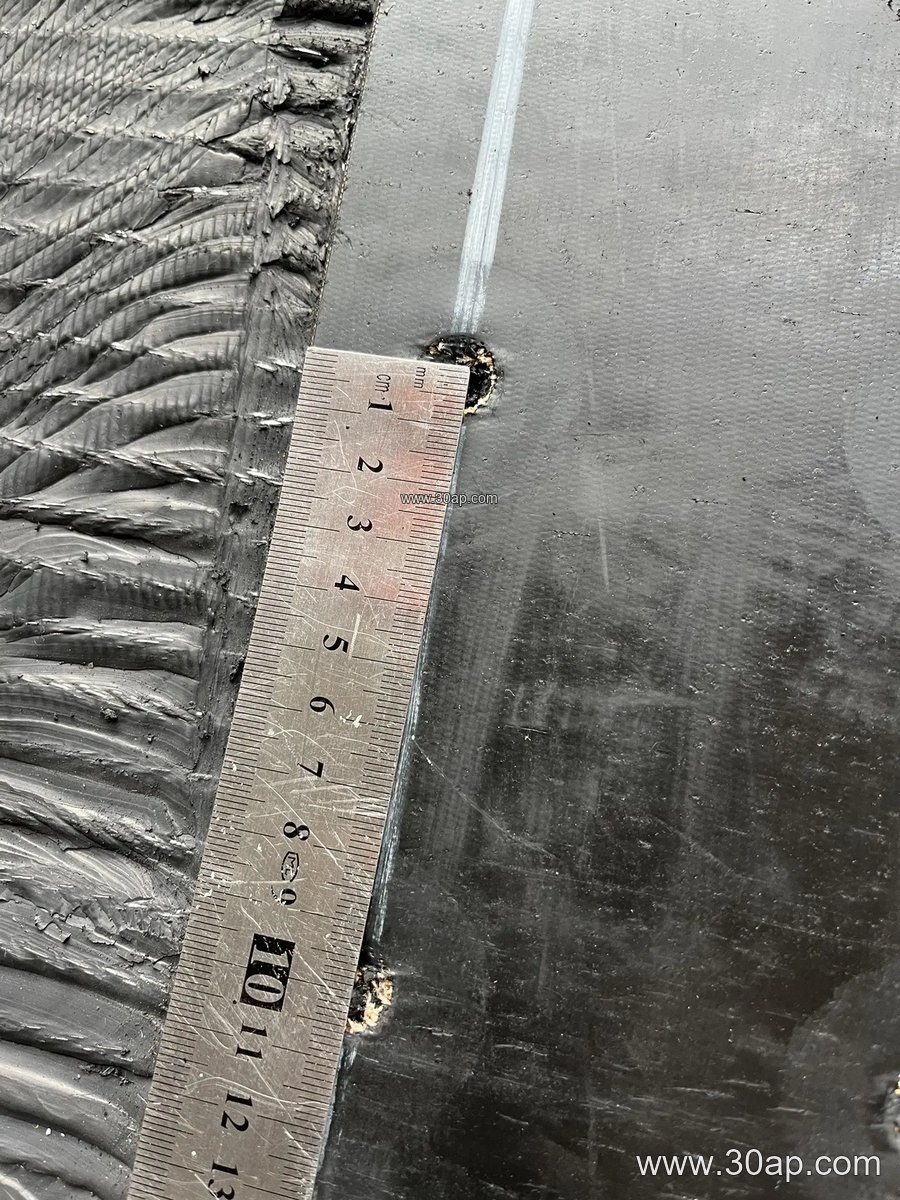
Because crushed stone is highly abrasive, an abrasion resistant conveyor belt with a high-quality rubber cover is usually the baseline. Where material is hot, a heat resistant conveyor belt may be needed; where oil or chemicals are present, an oil resistant or acid resistant grade is selected. Cold climates may call for a cold resistant conveyor belt, and underground coal operations typically specify a flame retardant conveyor belt with anti-static properties.
Selection and Specification Notes
Selection starts with the material size, tonnage, and lump shape. Sharp, large lumps increase impact and cut risk, so impact resistant covers and closely spaced idlers help. Belt tension, incline, and pulley diameters are set by the conveyor design; a given belt width does not dictate one pulley diameter, and shaft diameter is never derived from belt width alone.
- Belt type: EP or NN fabric core for plant conveyors; steel cord for long, high-tension runs.
- Cover grade: abrasion resistant standard; heat, oil, flame retardant, or cold resistant as needed.
- Width: B500 to B2000, with B800, B1000, and B1200 common in crushing circuits.
- Cover thickness: 4+2 mm to 8+3 mm typical, depending on impact and wear.
- Special forms: chevron or corrugated sidewall only when the conveyor layout requires them.
Buyers should confirm the carcass type, cover grade, and splice method with the belt supplier, and check that the conveyor pulley and idler roller specifications match the belt’s recommended minimum pulley diameter. Requesting a data sheet with tension rating, cover hardness, and elongation helps avoid mismatches.
Maintenance and Service Life
Regular inspection of the belt edges, splices, and covers prevents unplanned stops. Misaligned belts wear idler rollers and pulley lagging, so tracking should be checked after installation and during routine shutdowns. Keeping the conveyor bracket and frame clean reduces buildup that can damage the belt back cover. For high-abrasion stone crushing duty, choosing a quality abrasion resistant conveyor belt and maintaining correct tension usually delivers the longest service life.