What a Ceramic Lagged Drive Pulley Does
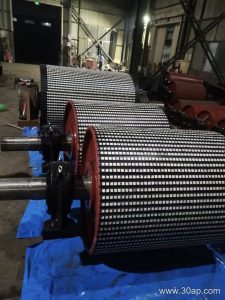
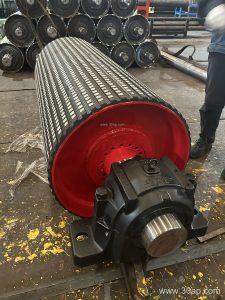
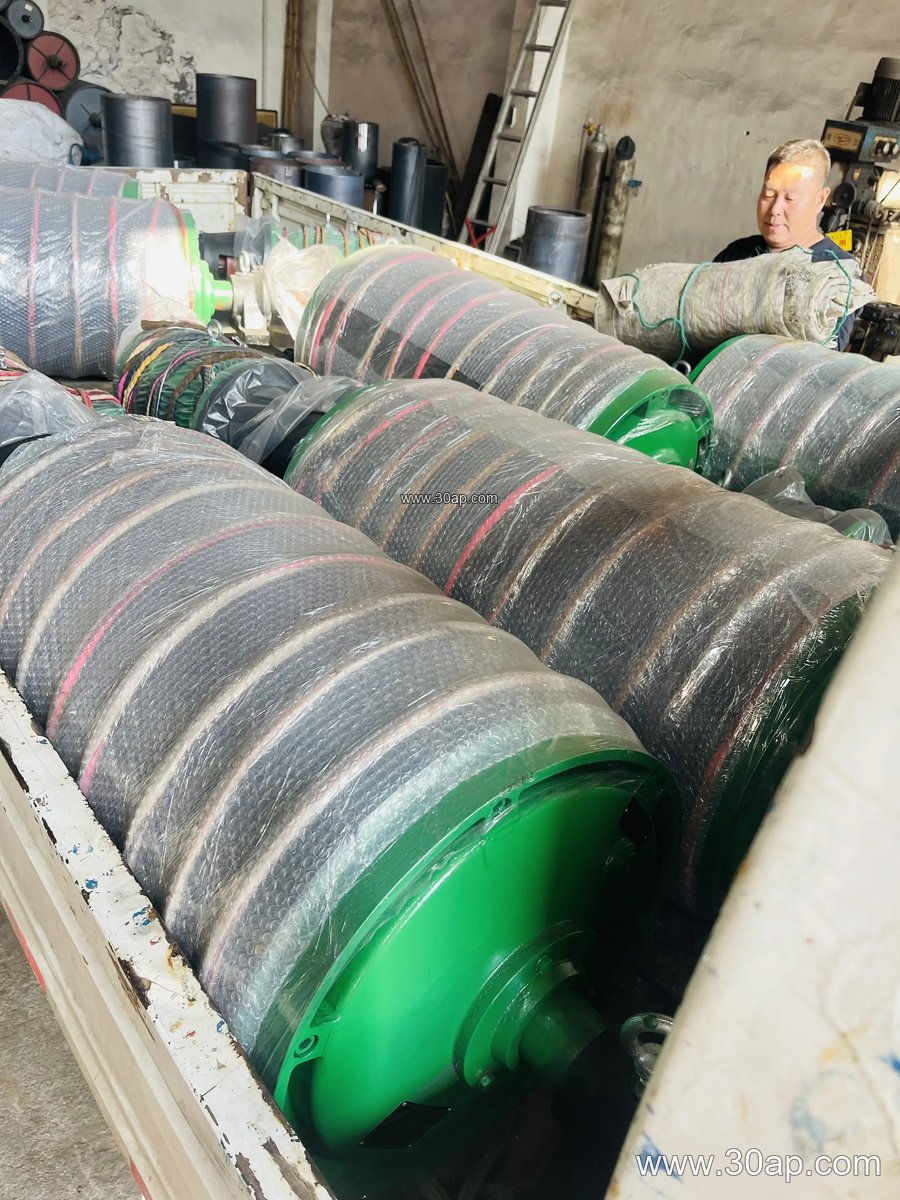
A ceramic lagged drive pulley is the head pulley that transmits power to the conveyor belt. Its ceramic lagging raises the friction coefficient between drum and belt, so the same torque can be moved with less belt tension and less risk of slip. In a quarry, a limestone mine or a cement clinker line, that difference shows up as steadier starting under a full load and less belt polishing on the drive face. It is a drive pulley first and a wear part second, and it should be selected as one unit with the belt it pulls.
Where the Ceramic Surface Earns Its Place
Wet, muddy or dusty conditions are the classic case. A stone crushing line that receives damp feed, a coal preparation plant, or a port bulk terminal handling ore in the rain all push the friction limit. Ceramic tiles bonded into a rubber backing keep grip when the belt surface is damp, and the raised pattern helps water and fines escape from the contact zone. For comparison, a bend pulley in the same conveyor usually runs a plain or lightly rubbered face because it only changes belt direction and carries no drive torque.
How the Pulley Is Built
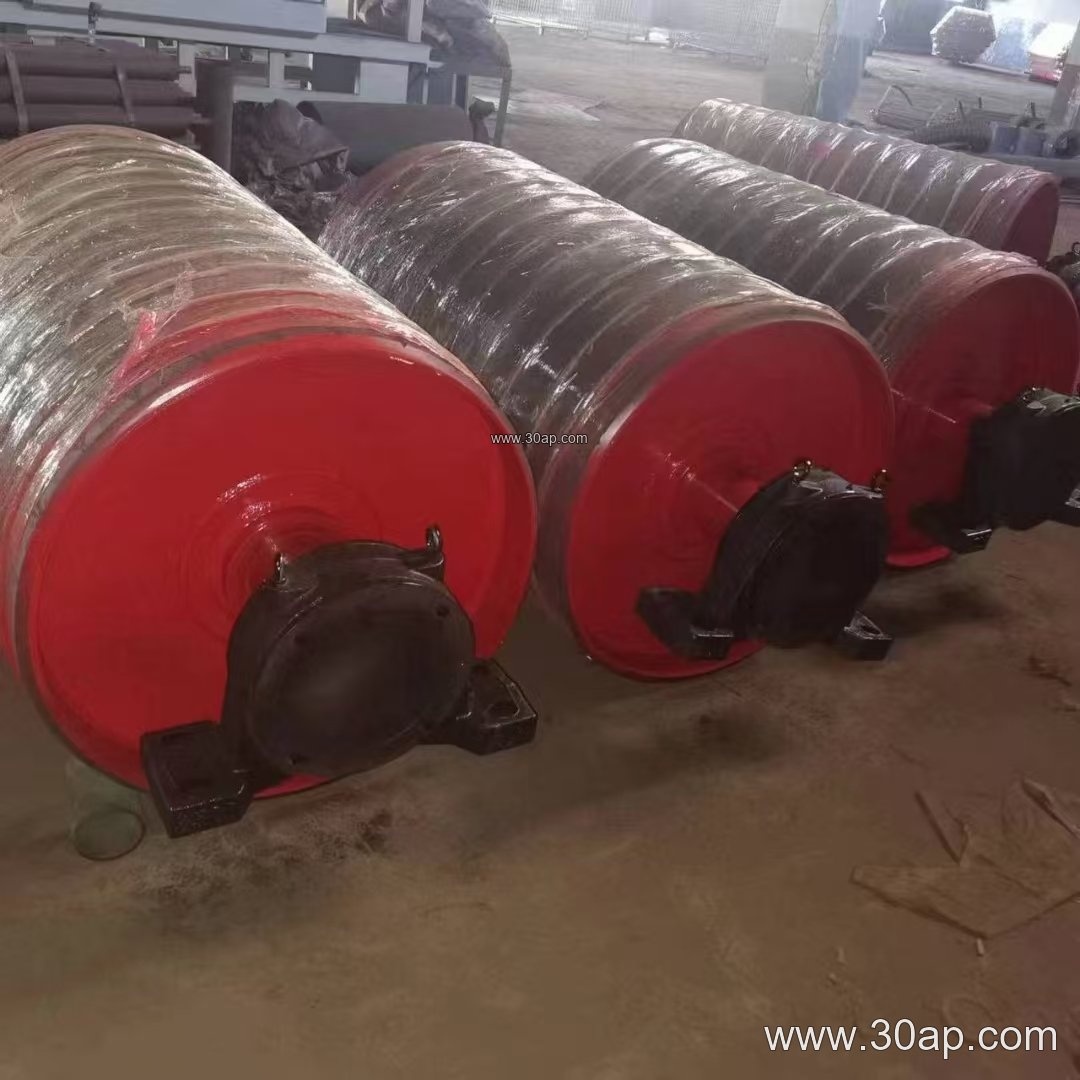
The core is a welded steel drum with a shaft, hub and end discs sized for the torque and radial load of the drive. The shell is machined, then covered with a rubber layer into which ceramic tiles are vulcanized. Tiles are normally set in a diamond or square pattern with small gaps between them, and the rubber between the tiles provides the flexible grip while the ceramic provides the hard, abrasion resistant contact points. Common lagging thicknesses are 8, 10, 12, 15 and 20 mm, with thicker layers used where belt tension and slip risk are high. The pulley is finished with bearing housings and a conveyor bracket arrangement that matches the frame.
Sizes and Combinations
Drums are usually matched to belt width and to the required torque, not to a single fixed rule. The shell face is normally wider than the belt, and the shaft diameter follows the drive load and bearing selection. The table below gives common reference combinations; final values are set by design.
| Belt width | Typical shell face | Example drum size | Common shaft range |
|---|---|---|---|
| B500 | about 600 mm | Ø400 to Ø500 | Ø60 to Ø80 |
| B650 | about 750 mm | Ø500 to Ø630 | Ø70 to Ø90 |
| B800 | about 950 mm | B800 x Ø500 | Ø80 to Ø100 |
| B1000 | about 1150 mm | Ø630 to Ø800 | Ø90 to Ø120 |
| B1200 | about 1400 mm | B1200 x Ø1000 | Ø100 to Ø140 |
| B1400 | about 1600 mm | B1400 x Ø800 | Ø120 to Ø160 |
| B1800 | about 2000 mm | Ø1250 to Ø1400 | Ø140 to Ø180 |
Large drives in iron ore or copper ore plants may run Ø1600 or Ø1800 shells, while smaller aggregate lines often stay near Ø500. None of these pairings is compulsory; a wide belt can drive a relatively small drum if the wrap angle and belt construction allow it.
Matching the Belt and the Rest of the Conveyor
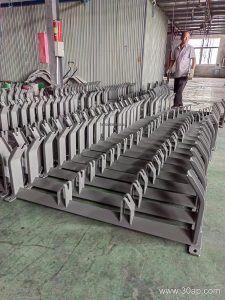
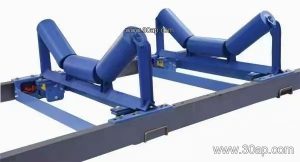
The drive pulley works with the belt carcass. A heavy-duty mining conveyor belt with a steel cord or multi-ply fabric core distributes load differently from a thin EP conveyor belt, and the lagging pattern should suit the belt cover. Abrasion resistant conveyor belt covers tolerate the ceramic contact well, while a heat resistant conveyor belt in a cement plant needs a lagging compound that also handles temperature. The take-up side of the system matters too: a tail pulley or tension pulley keeps the belt seated, and conveyor idler rollers along the carry side control belt tracking into the drum. If the belt wanders, ceramic lagging will not fix misalignment.
Buyer Checklist
- Confirm the drive position, wrap angle and starting method, since these set the grip requirement.
- State belt width, belt type and cover grade so the lagging compound and tile pattern can be chosen.
- Give the actual shaft diameter from the drive design rather than inferring it from belt width.
- Check tile bonding quality, gap width and rubber hardness, and ask how the lagging is replaced if worn.
- Plan inspection: worn or missing tiles reduce friction quickly, so check the drive face at every major shutdown.
For a ceramic lagged drive pulley, the aim is a long, stable grip on a belt that runs true. Get the drum, belt and take-up working as one system, and the head drive in a sand and gravel plant or a power plant coal yard will run quietly for years.