What a Loading Point Impact Idler Does
A conveyor loading point impact idler is a specialized roller assembly installed directly beneath the point where material is dropped onto the conveyor belt. Its primary job is to absorb the kinetic energy of falling lumps, reducing shock loads that would otherwise damage the belt, frame, and adjacent idlers. Unlike standard carrying idlers, impact idlers are built with resilient surfaces and reinforced structures to withstand repeated heavy impacts in industries such as mining, quarrying, cement plants, and power generation.
At https://www.example.com/impact-idler, we often see how a well-chosen impact idler extends the service life of the entire conveyor system. The device works in tandem with the conveyor belt to maintain smooth material flow and prevent spillage at transfer points.
Construction and Key Components
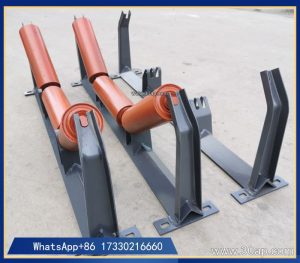
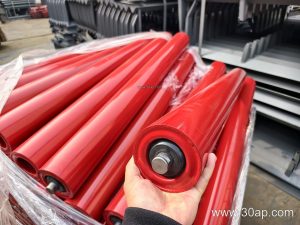
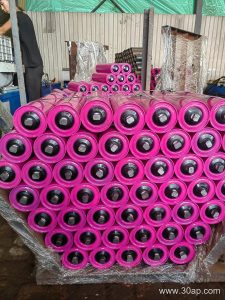
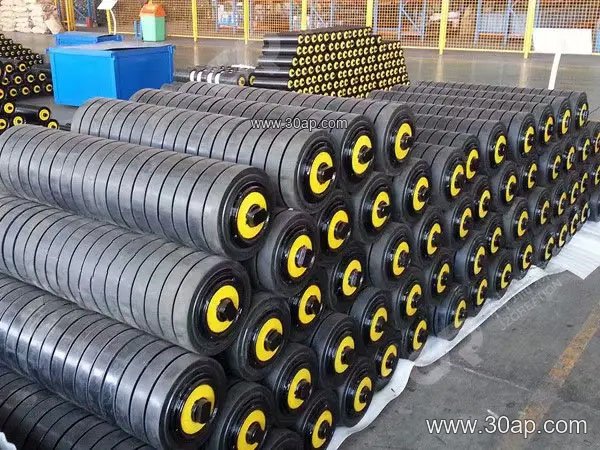
An impact idler typically consists of a steel tube core covered with a thick rubber ring or disc assembly. The rubber rings are spaced along the roller to provide flexibility and cushioning. Inside, heavy-duty bearings (common sizes include 6205, 6305, 6308, and 6310) are housed in sealed enclosures to keep out dust and moisture. The roller ends are fitted with bearing housings that connect to the conveyor bracket. Some designs use a series of rubber rings, while others employ a continuous rubber sleeve.
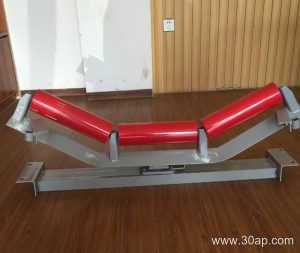
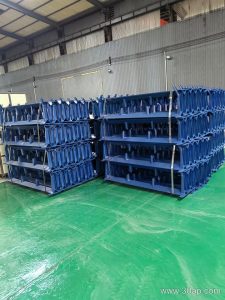
The idler is mounted on a frame that may be fixed or adjustable, often forming part of a three-roll troughing set with a 20°, 30°, 35°, or 45° trough angle. The rubber rings are the wear part, and their thickness and hardness are selected based on the material size and drop height. For extremely abrasive conditions, ceramic or nylon surface options exist, but rubber remains the most common for impact absorption.
Where It Is Used
Loading point impact idlers are essential in quarry and aggregate operations, where large rocks are dropped from crushers or screens onto the belt. They are also found in coal mining conveyor systems, cement plants handling clinker, and power plant coal handling facilities. In each case, the impact idler protects the belt from gouging and puncture, especially when using a heavy-duty mining conveyor belt or an abrasion resistant conveyor belt. The idler also helps maintain belt alignment right after the loading zone, reducing edge damage and spillage.
In a typical aggregate conveyor belt line, you might see impact idlers under the crusher discharge, followed by standard troughing idlers and then a conveyor pulley at the head. The conveyor bracket for the impact idler is often reinforced to handle the extra dynamic load.
Selection and Sizing Considerations
Choosing the right impact idler involves matching the roller diameter and length to the belt width and trough angle. Common roller diameters range from Ø89 to Ø219 mm, with larger diameters used for wider belts and higher loads. Belt widths from B500 to B2400 are common, and the roller length varies accordingly. For example, a three-roll troughing set on a B1000 belt might use a middle roller of about 380 mm length, but side rollers can differ. The table below gives typical examples; actual dimensions should be confirmed with the conveyor design.
| Belt Width (mm) | Typical Roller Length (mm) for 3-roll Set | Common Roller Diameter (mm) |
|---|---|---|
| B500 | 200 | Ø89 |
| B650 | 250 | Ø89 – Ø108 |
| B800 | 315 | Ø108 – Ø133 |
| B1000 | 380 | Ø133 – Ø159 |
| B1200 | 465 | Ø159 – Ø178 |
| B1400 | 530 | Ø178 – Ø194 |
| B1600 | 600 | Ø194 – Ø219 |
Note that these are reference examples, not fixed combinations. The impact idler must also be compatible with the conveyor belt type—whether it is an EP conveyor belt, steel cord conveyor belt, or flame retardant conveyor belt—and the loading conditions. For high-drop applications, consider a impact resistant conveyor belt in conjunction with impact idlers.
Maintenance and Buyer Tips
Regular inspection of the rubber rings for wear, cracks, or missing segments is important. Worn rings reduce cushioning and can lead to belt damage. Bearings should be checked for smooth rotation and seal integrity. When replacing, ensure the new idler matches the original specifications for diameter, length, and bearing size. Buyers should provide the belt width, trough angle, material lump size, and drop height to the supplier. At https://www.example.com/conveyor-components, we recommend keeping spare rubber rings or complete idlers on hand for critical loading points.
Finally, remember that the impact idler is part of a system that includes the conveyor pulley, idler roller, and conveyor bracket. Proper alignment and tension of the conveyor belt will maximize the benefits of the impact idler. For more information on conveyor belts and components, visit https://www.example.com/conveyor-belt.