What a 1000mm Diameter Conveyor Pulley Is
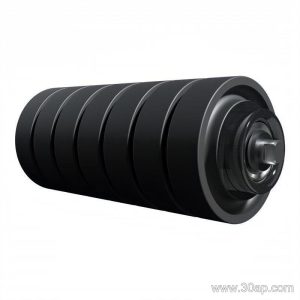
A 1000mm diameter conveyor pulley is a large-drum component used to turn, tension, or drive a conveyor belt in heavy bulk handling systems. At this diameter, the pulley is usually a welded steel shell with machined end discs, a shaft, bearing housings, and a lagged surface. It is often the main head or drive pulley on high-capacity lines, but it can also serve as a tail, take-up, or bend pulley where the belt path and tension requirements call for a large turning radius.
The size is not a casual choice. A larger drum reduces bending stress in the belt and can improve tracking on long spans, which matters when the belt carries abrasive rock, ore, or clinker. Buyers often compare a Ø1000 drum with smaller Ø800 or Ø630 units, but the right diameter depends on belt tension, speed, splice type, and the space available in the conveyor frame.
How the Drum Is Built
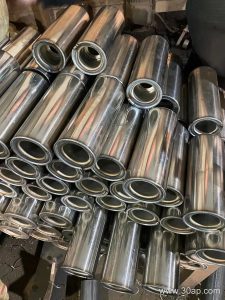
Construction starts with the shell, typically rolled from steel plate and welded to end discs. The shaft is sized by torque and radial load rather than by belt width alone, so a Ø1000 pulley may use a shaft in the Ø120 to Ø200 range depending on the duty. Bearing selection, keyways, and locking assemblies follow the same load calculation.
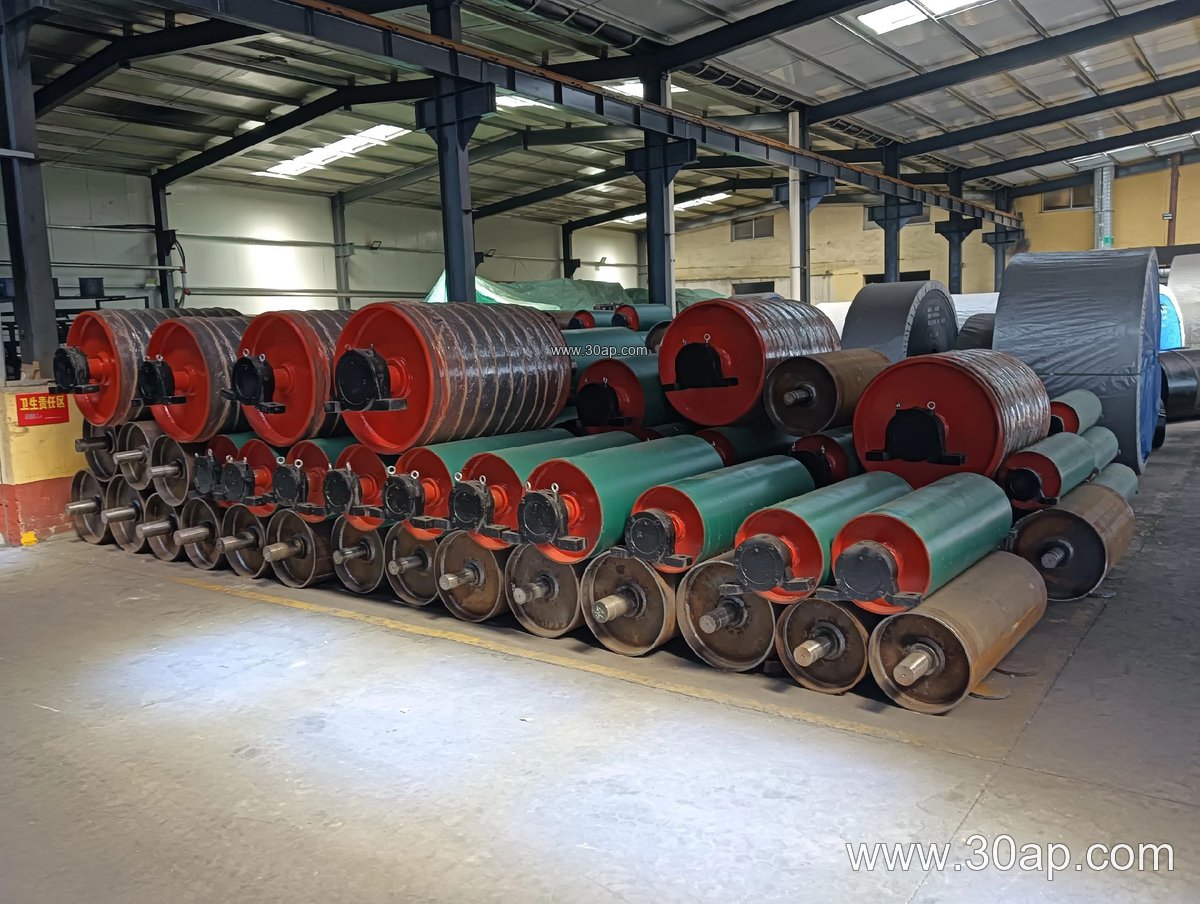
Surface treatment is a major decision. Plain steel is used in some non-slip critical positions, while rubber lagging improves grip and protects the shell. Common lagging thicknesses are 8, 10, 12, 15, and 20 mm, and the pattern may be plain, diamond, or herringbone. In wet or dusty service, diamond grooving helps water escape; in high-traction drive positions, plain hot-vulcanized rubber is often preferred.
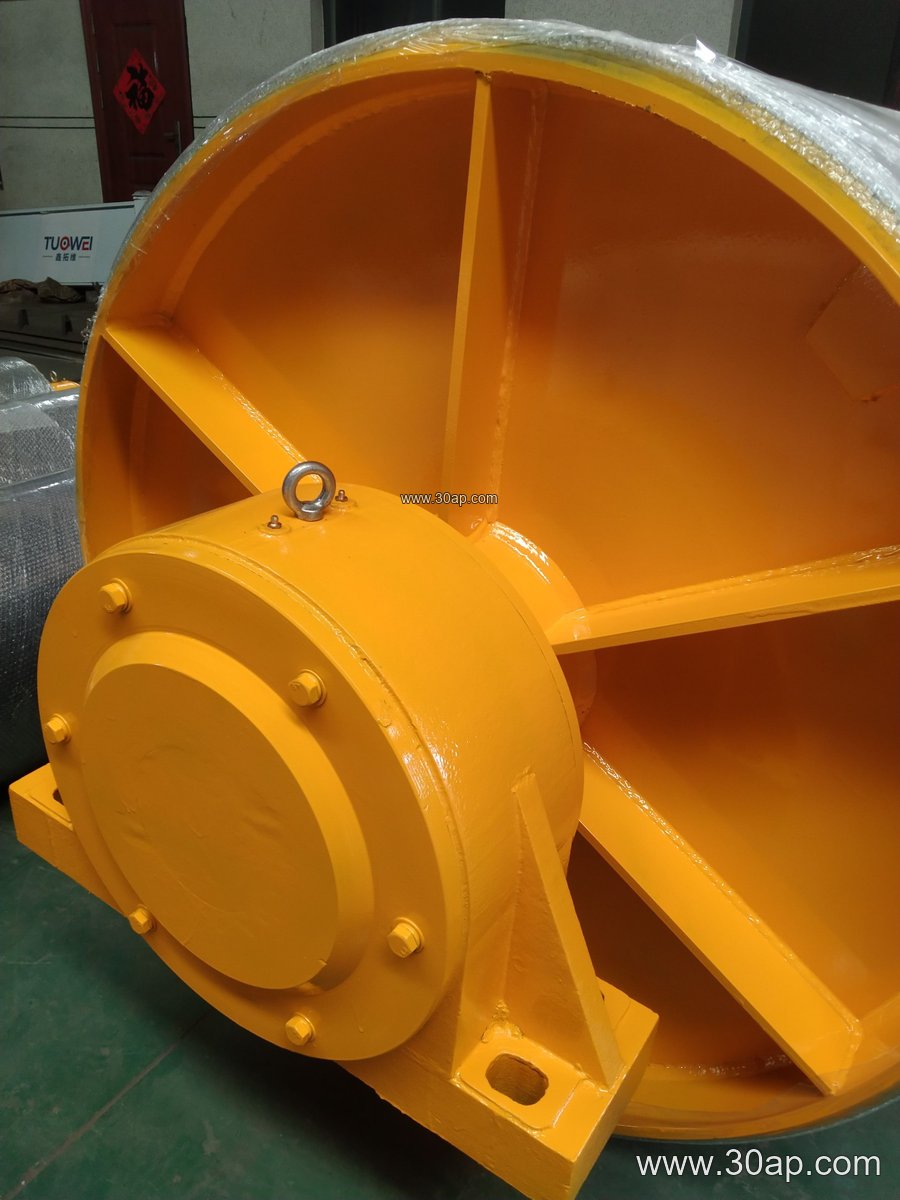
- Shell and end disc welding
- Shaft machining and keyway cutting
- Lagging application by cold bonding or hot vulcanizing
- Bearing housing assembly and balancing
Where It Fits in a Conveyor
On a long overland line in a quarry or a coal handling system at a power plant, a 1000mm diameter conveyor pulley may be installed at the head to discharge material onto a transfer chute. At the tail, a similar drum can act as a tensioning point, keeping the belt wrapped around the drive. Bend pulleys of this size are less common but appear where the belt must be routed around a large radius without excessive stress.
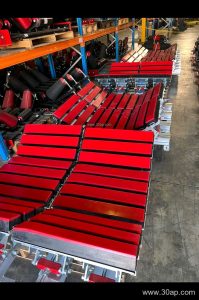
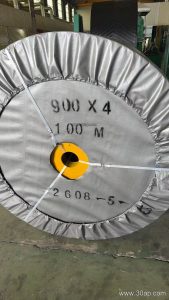
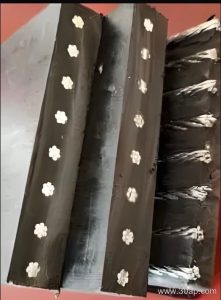
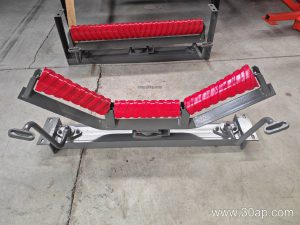
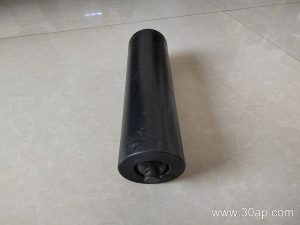
The pulley works with the conveyor belt, idler roller sets, and conveyor bracket assemblies. A heavy-duty mining conveyor belt or a steel cord conveyor belt may need a larger drum than a lightweight fabric core belt, because stiff carcass and thick covers resist bending. In cement plants and aggregate lines, abrasion resistant conveyor belt grades are common, and the drum lagging should match that abrasive environment.
Matching the Pulley to Belt Width and Duty
Face width is normally wider than the belt. A B1000 belt is often paired with a face width around 1150 mm, while a B1200 belt may use about 1400 mm. These are common reference figures, not fixed rules. The same Ø1000 drum can be built for different belt widths, and a B800 system may also use a 1000mm diameter pulley if the tension and take-up design require it.
| Reference Item | Common Range |
|---|---|
| Pulley diameter | Ø1000 mm |
| Belt width examples | B800, B1000, B1200, B1400 |
| Face width examples | 950, 1150, 1400, 1600 mm |
| Lagging thickness | 8, 10, 12, 15, 20 mm |
| Shaft diameter examples | Ø120, Ø140, Ø160, Ø180, Ø200 mm |
Do not assume that one belt width locks the pulley to one shaft size. Shaft diameter is a design output from torque, belt pull, bearing span, and safety factor.
Buyer Checklist
Before ordering, confirm the pulley position: drive, tail, bend, or take-up. Each has different load and lagging needs, and they are not interchangeable. Specify the belt type, whether it is an EP conveyor belt, NN conveyor belt, or steel cord construction, along with cover thickness and splice method. State the ambient conditions, since heat resistant conveyor belt and oil resistant conveyor belt duties affect lagging compound choice.
Ask for the shaft material, bearing type, balancing grade, and lagging pattern. Check that the face width and pulley diameter fit the existing conveyor bracket and chute clearance. For a 1000mm diameter conveyor pulley, the installation envelope is large, so lifting points and maintenance access deserve attention during layout. Finally, request dimensional drawings and a mass estimate so the structural steel and crane capacity can be verified before delivery.