What the EP1250 1800mm Conveyor Belt Is
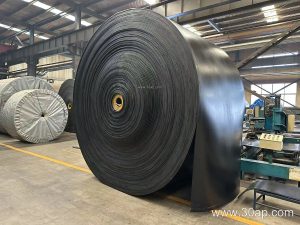
The EP1250 1800mm Conveyor Belt is a wide, fabric-cored rubber belt built on polyester-polyamide (EP) warp and weft cords. The EP1250 figure refers to the belt’s nominal tensile strength grade, while 1800mm is the full belt width. Together these two values describe a high-strength, wide-format belt that suits main haulage lines rather than short transfer runs. In many plants it is simply called an EP1250 Conveyor Belt or an 1800mm Wide Conveyor Belt, but the full designation is the one that tells a buyer both strength class and width at a glance.
Construction and Layer Build
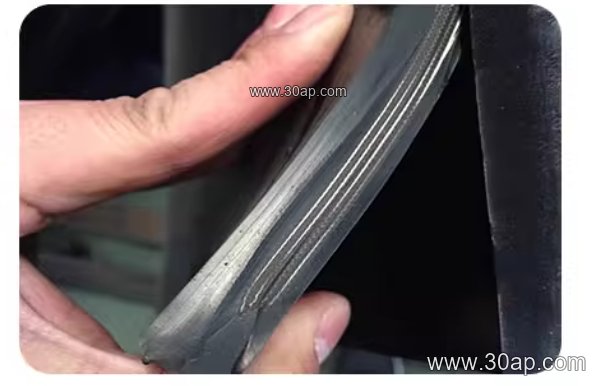
The carcass is normally a Multi-Ply Fabric Core Conveyor Belt, with several EP fabric plies bonded under heat and pressure. Common constructions run from 2 to 6 plies depending on the duty. The EP cords give low elongation under load, good troughability and resistance to moisture in the carcass, which is why this belt family is often chosen over NN Conveyor Belt where stretch control matters.
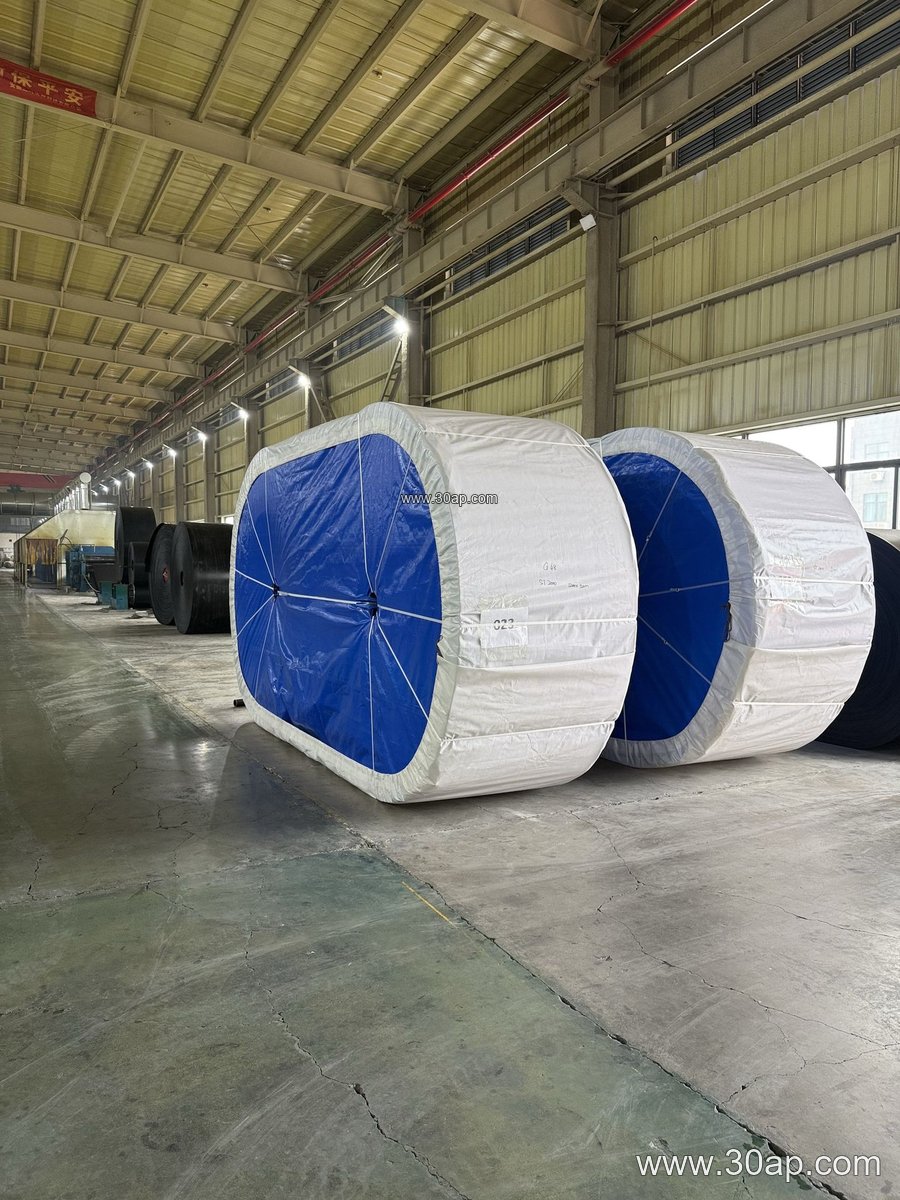
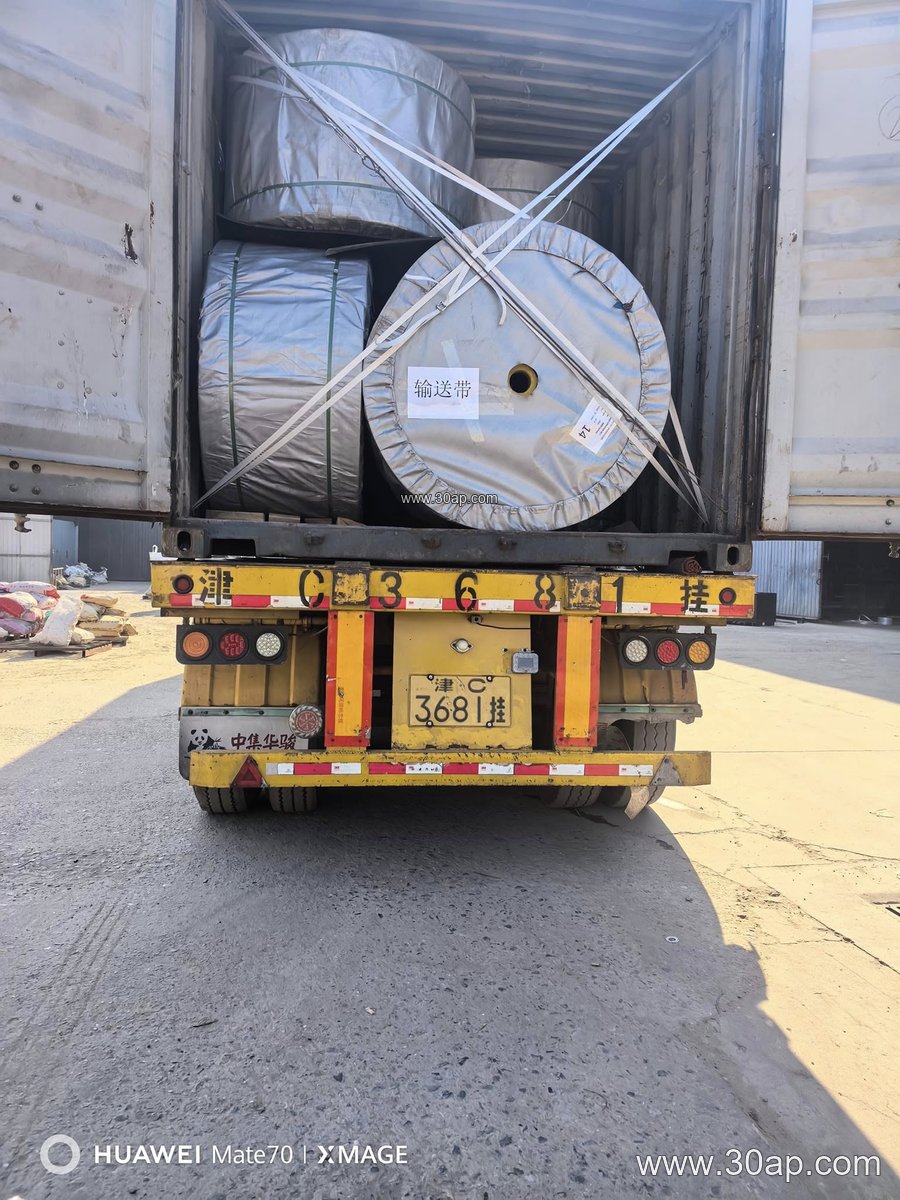
Top and bottom rubber covers protect the carcass. Typical cover combinations are quoted as 4+2, 5+2, 6+2 or 8+3 mm, and the exact figure is set by the design of the conveyor. The rubber compound can be specified as Abrasion Resistant Conveyor Belt grade for stone and ore, Heat Resistant Conveyor Belt grade for clinker and sinter, or Flame Retardant Conveyor Belt grade for coal handling. A PVC or PVG belt would be a different product family and is not a substitute for this EP belt.
Reference Data at a Glance
The figures below are common reference values only. Actual belt mass, cover thickness and ply count are confirmed by the manufacturer against the conveyor design.
| Parameter | Typical Reference |
|---|---|
| Strength grade | EP1250 (range EP200 to EP2000 available) |
| Belt width | 1800mm (range B500 to B2000) |
| Carcass | Multi-ply EP fabric, usually 2 to 6 plies |
| Cover thickness | 3+1.5, 4+2, 5+2, 6+2 or 8+3 mm |
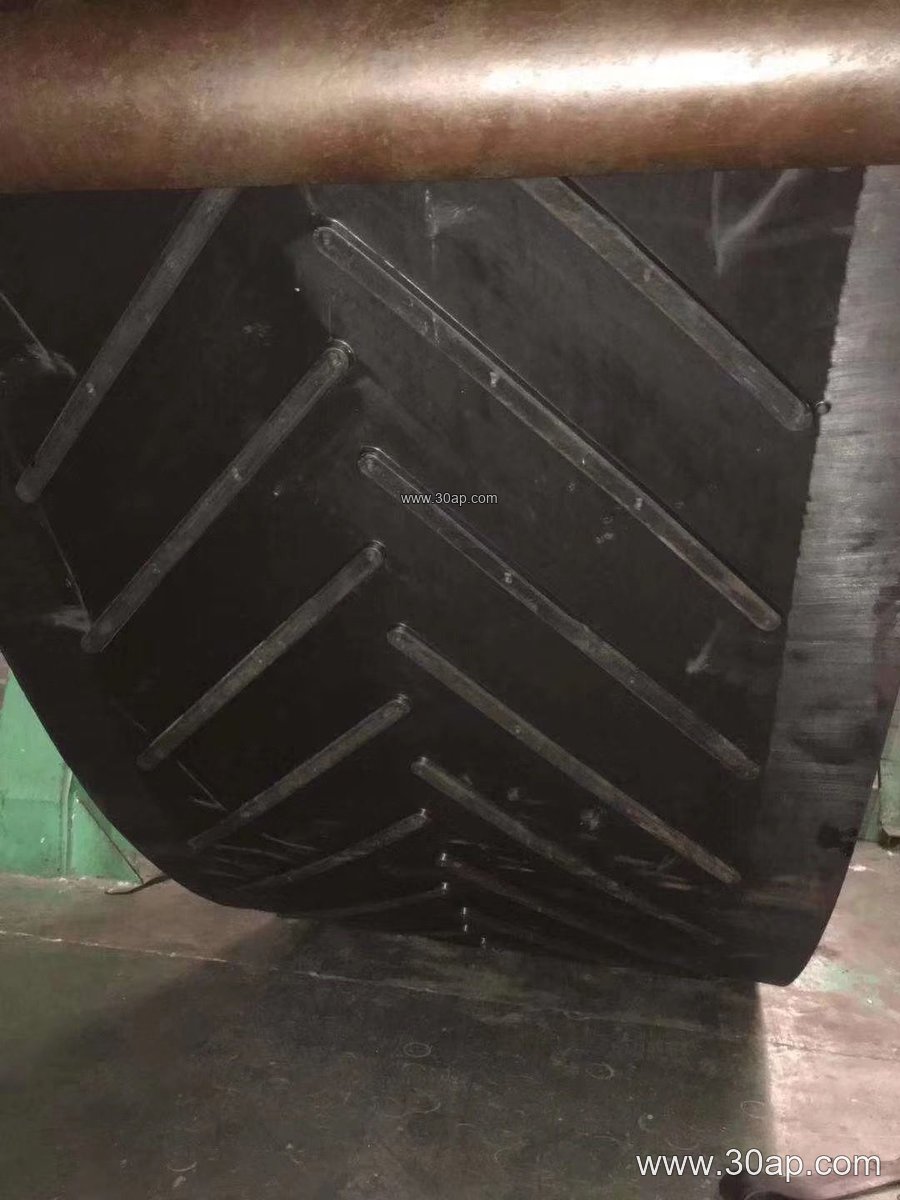
| Surface options | Plain, Chevron Conveyor Belt pattern, Skirted Conveyor Belt or Corrugated Sidewall Conveyor Belt |
Where It Fits in the Plant
An 1800mm belt width is common on high-tonnage main lines. In a mine or quarry it may carry run-of-mine rock from the primary crusher, working alongside an idler roller set and a conveyor pulley at each end. In a coal preparation plant or power plant, a Flame Retardant Conveyor Belt version of the same carcass is often specified for coal and coke streams. Cement plants use it for limestone, clinker and raw meal, and port terminals use wide belts for ship loading and stockyard reclaim. Sand and gravel yards, steel plants and recycling lines also run this format where tonnage is high and belt speed is moderate.
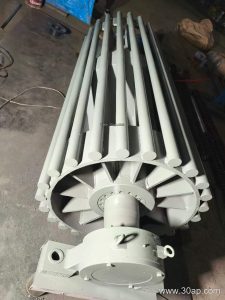
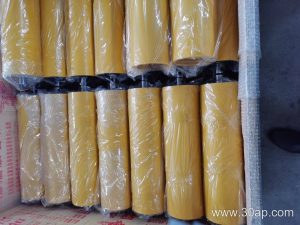
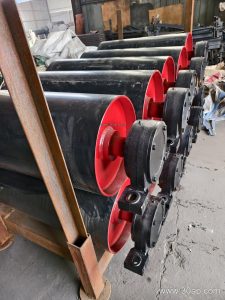
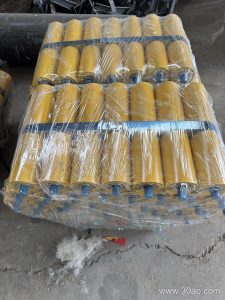
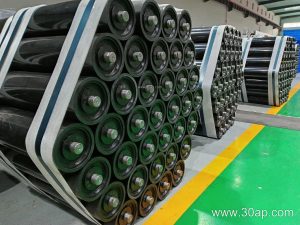
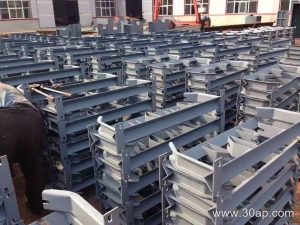
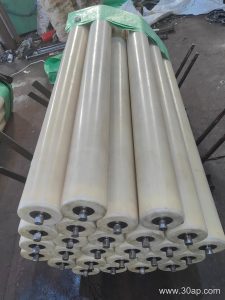
The belt does not work alone. Troughing idlers, a drive pulley, a tail pulley and a bend pulley, plus conveyor brackets and frames, all influence how the belt tracks and how long the covers last. A belt of this width needs adequate pulley face width and correct idler alignment; the belt width alone does not fix any pulley or shaft dimension.
Selection Points for Buyers
- Confirm the required strength grade and safety factor against the actual peak tension, not just the average load.
- Match the cover compound to the material: abrasive stone, hot clinker, oily scrap or coal with fire risk.
- State the ply count and cover thickness you need, since the same EP1250 grade can be built in several ways.
- Decide whether a plain surface is enough or whether a Chevron Conveyor Belt profile is needed on an incline.
- Check that the pulley diameters and idler spacing suit the carcass flexibility and the belt’s rated tension.
Handling and Maintenance Notes
Store wide belts on a dry, level surface and avoid sharp bends during installation. After the first weeks of running, re-check tension and splice condition, because EP carcasses settle slightly. Keep idlers turning freely and clean the pulleys; a stalled idler roller or a build-up on a conveyor pulley can damage a cover quickly. For hot or oily duty, inspect the cover for hardening or swelling and replace the belt before the carcass is exposed. Treated as a system with its pulleys, idlers and brackets, an EP1250 1800mm Conveyor Belt can serve long main-haul duties in mining, cement, power and aggregate operations.