What an Iron Ore Conveyor Belt Has to Handle
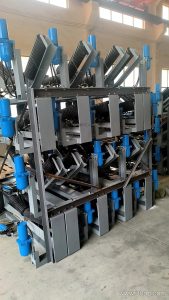
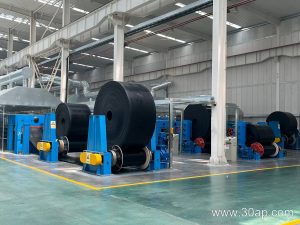
An iron ore conveyor belt works in one of the least forgiving material streams in bulk handling. Lump ore is heavy, sharp-edged and often wet or sticky, and it arrives at the loading point with impact energy that punishes any weak spot in the carcass. Compared with a general-purpose belt on a cement packing line or a sand and gravel yard, the ore conveyor belt must combine high tensile strength, deep abrasion resistance and stable tracking under constant load. That is why buyers usually treat the belt, the idler roller set and the conveyor pulley as one wear system rather than three separate purchases.
The keyword here is specific. An iron ore conveyor belt is a heavy-duty rubber belt built for ferrous ore transport, and it is normally specified as a rubber conveyor belt with either a fabric carcass or a steel cord carcass. It is not the same product as a light PVC belt used in food or packaging service, even though both run on the same basic conveyor frame.
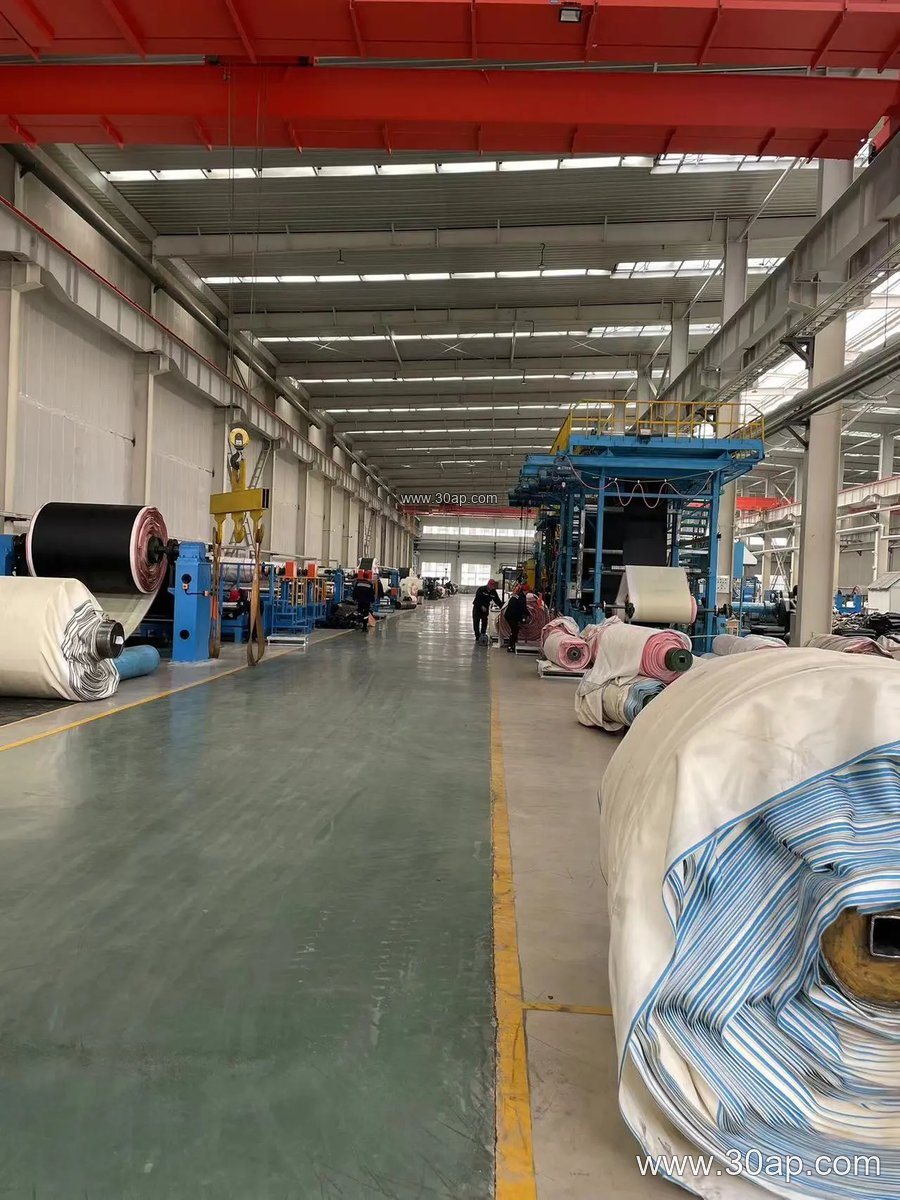
Carcass and Cover Construction
Two carcass families dominate iron ore duty. Fabric-core belts use multiple plies of EP or NN fabric, giving good flexibility, troughability and resistance to edge damage. Steel cord belts use a single layer of parallel cords and are chosen when the center distance is long or the tonnage is high. The table below shows typical reference values; final figures are always set by the conveyor design.
| Construction | Common strength grades | Typical belt widths | Where it fits |
|---|---|---|---|
| EP fabric core | EP200, EP315, EP400, EP500, EP630, EP800, EP1000 | B650 to B1600 | Plant conveyors, stockyard lines, medium centers |
| NN fabric core | NN100 to NN400 | B500 to B1400 | Short and medium transfer conveyors |
| Steel cord | ST1000, ST1250, ST1600, ST2000 | B1000 to B2000 | Long overland and high-tonnage ore lines |
Cover compound matters as much as the carcass. A high abrasion resistant conveyor belt grade is the usual baseline for ore, while heat resistant conveyor belt compounds are added after drying or sintering stages. Where the ore is oily or carries process residue, an oil resistant conveyor belt cover helps prevent swelling. Underground or enclosed transfer houses may call for a flame retardant conveyor belt to meet site rules.
Loading Points, Pulleys and Tracking
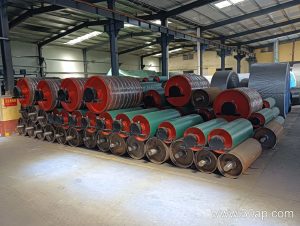
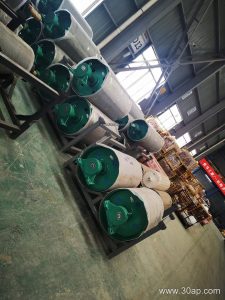
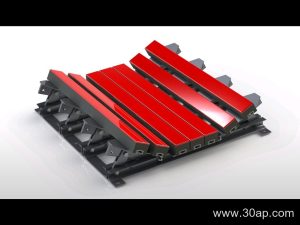
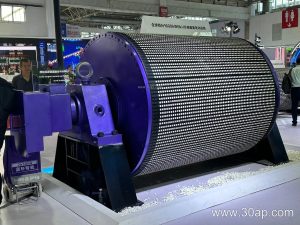
Most iron ore conveyor belt failures begin within a few meters of the chute. Impact idlers, skirt rubber and a well-shaped loading spoon reduce point loading and stop sharp lumps from pinching the carcass. Drive, tail and bend pulleys each do a different job, and none should be swapped for another: the drive pulley transmits torque through lagging, the tail pulley sets return tension and cleaning, and the bend pulley changes belt direction without driving. A worn conveyor pulley with polished lagging will slip long before the belt itself is worn out.
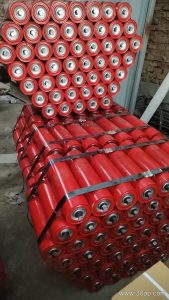
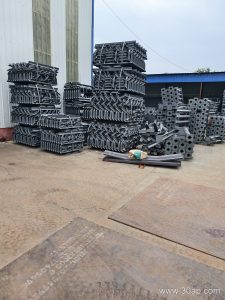
Tracking is the other quiet cost. Misaligned idler roller frames, off-center loading and uneven skirt pressure all cause edge wear, and edge wear is what finally splits a belt. Checking conveyor bracket bolts and frame squareness at each shutdown is cheaper than replacing a 1200mm or 1400mm belt early.
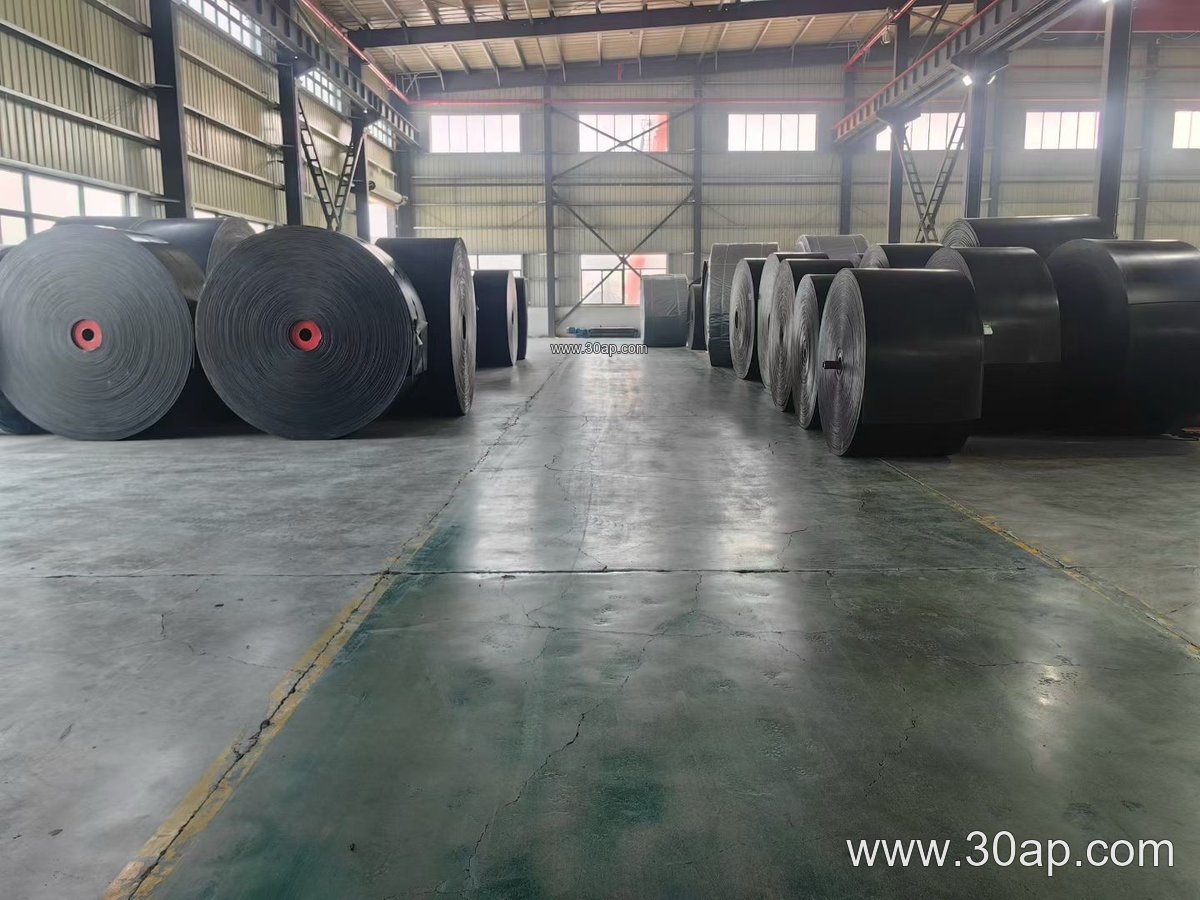
Profiles and Special Duty Options
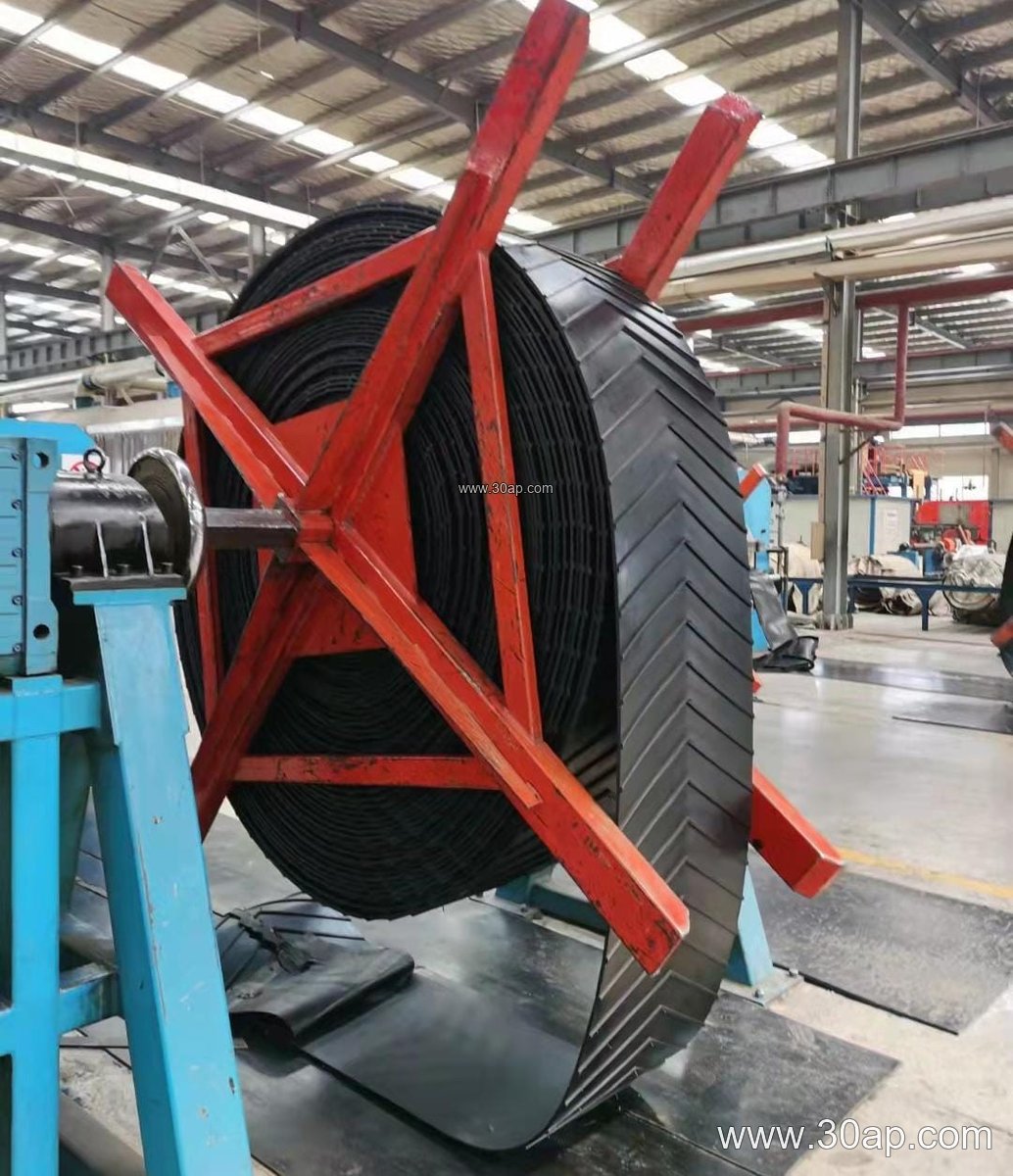
Steep inclines may need a chevron conveyor belt or a corrugated sidewall belt to hold the ore on the incline. A skirted conveyor belt keeps fines contained at transfer points. Enclosed routes can use a pipe conveyor belt where dust control and land use are tight. In cold climates a cold resistant conveyor belt grade keeps the cover from cracking at start-up, and an anti-static conveyor belt is often requested where dust clouds are a concern.
Specification Notes for Buyers
- Quote the design tonnage, lump size, drop height and center distance, not just the belt width.
- State cover thickness as a pair, for example 6+2 mm or 8+3 mm, with the top cover matched to abrasion severity.
- Confirm ply count and strength grade against the calculated tension with margin.
- Ask how the belt ends will be spliced, since splice quality often decides service life.
- Record pulley diameters and lagging condition so the new belt is not matched to a worn drive.
For a mine, a coal preparation plant, a steel plant stockyard or a port ship-loading line, the same principle holds: match the ore conveyor belt to the real duty, keep the idlers and pulleys in condition, and treat every specification as a design decision rather than a catalog default. Visit belt.top for more on matching belts, rollers and pulleys to ore handling lines.