What a Bend Rubber Lagged Pulley Does
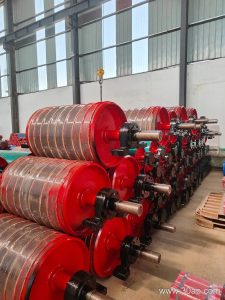
A bend rubber lagged pulley is a direction-changing pulley used on a conveyor to guide the belt along a different path without driving or tensioning it. Unlike a drive pulley, which transmits power, or a tail pulley, which returns the belt, the bend pulley simply redirects the belt around a curve. The rubber lagging on its surface is the key feature: it protects the belt, improves grip, and reduces wear at the contact point. In industries such as quarrying, cement plants, and power plant coal handling, this pulley helps route the conveyor belt around obstacles and tight spaces.
Often called a rubber lagged bend pulley or a lagged bend drum, this component is a specialized type of conveyor pulley. It should not be confused with a drive pulley or a tail pulley, as each has a distinct role in the conveyor system.
Construction and Lagging Options
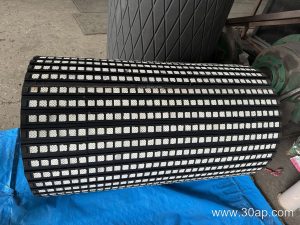
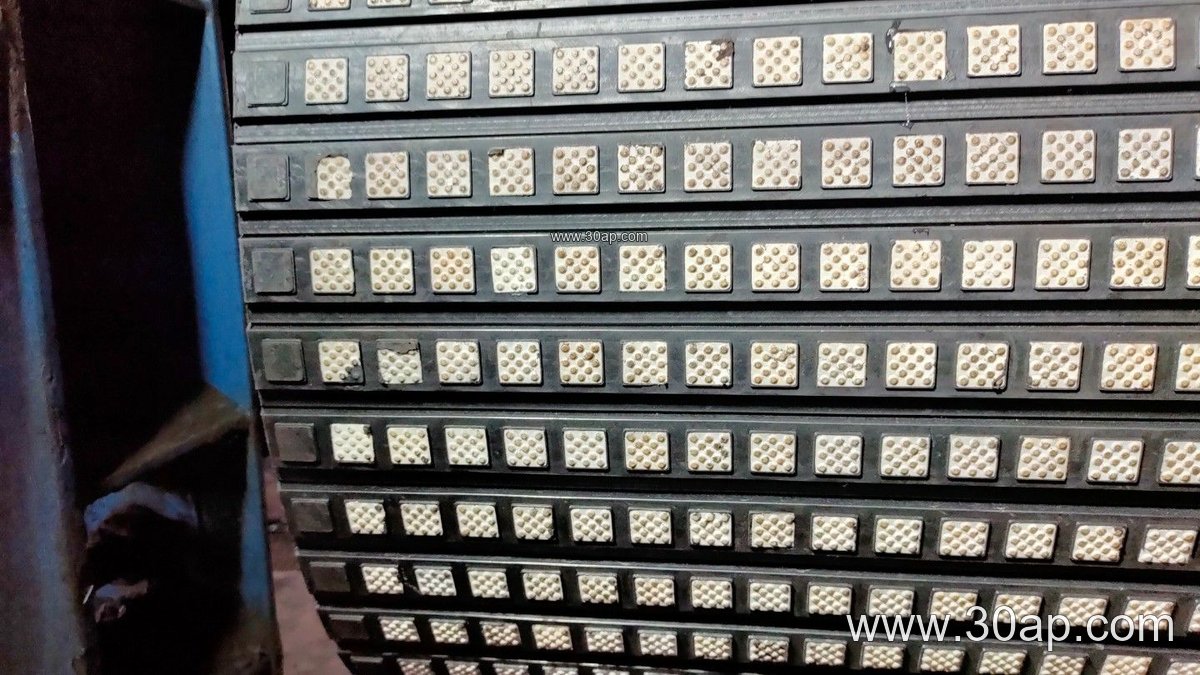
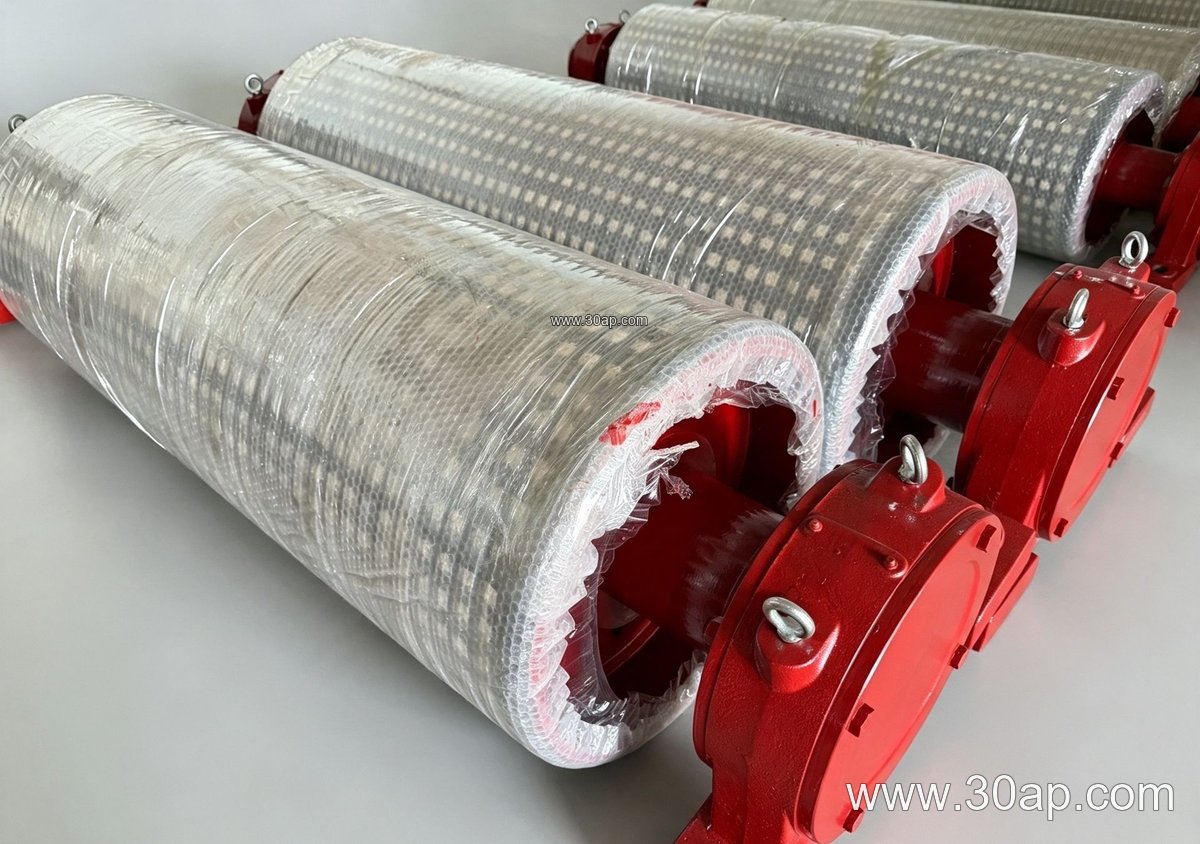
The bend rubber lagged pulley is typically built with a steel drum, a shaft, and a rubber lagging applied to the drum surface. The lagging can be cold-bonded or hot-vulcanized, and common surface patterns include plain, diamond, and herringbone. Lagging thickness often ranges from 8 mm to 20 mm, depending on the application and belt tension. The drum width is usually slightly wider than the conveyor belt to ensure full support. For example, a B800 belt might use a pulley with a face width around 950 mm, while a B1200 belt could pair with a 1400 mm face width. These are reference examples, not fixed rules.
Shaft diameter is determined by torque and load requirements, not by belt width alone. Common shaft sizes include Ø80, Ø100, Ø120, and Ø140, but the final choice depends on the conveyor design. Diameters of bend pulleys commonly range from Ø250 to Ø1000, with larger diameters used for higher tension or thicker belts.
Where It Fits in the Conveyor System
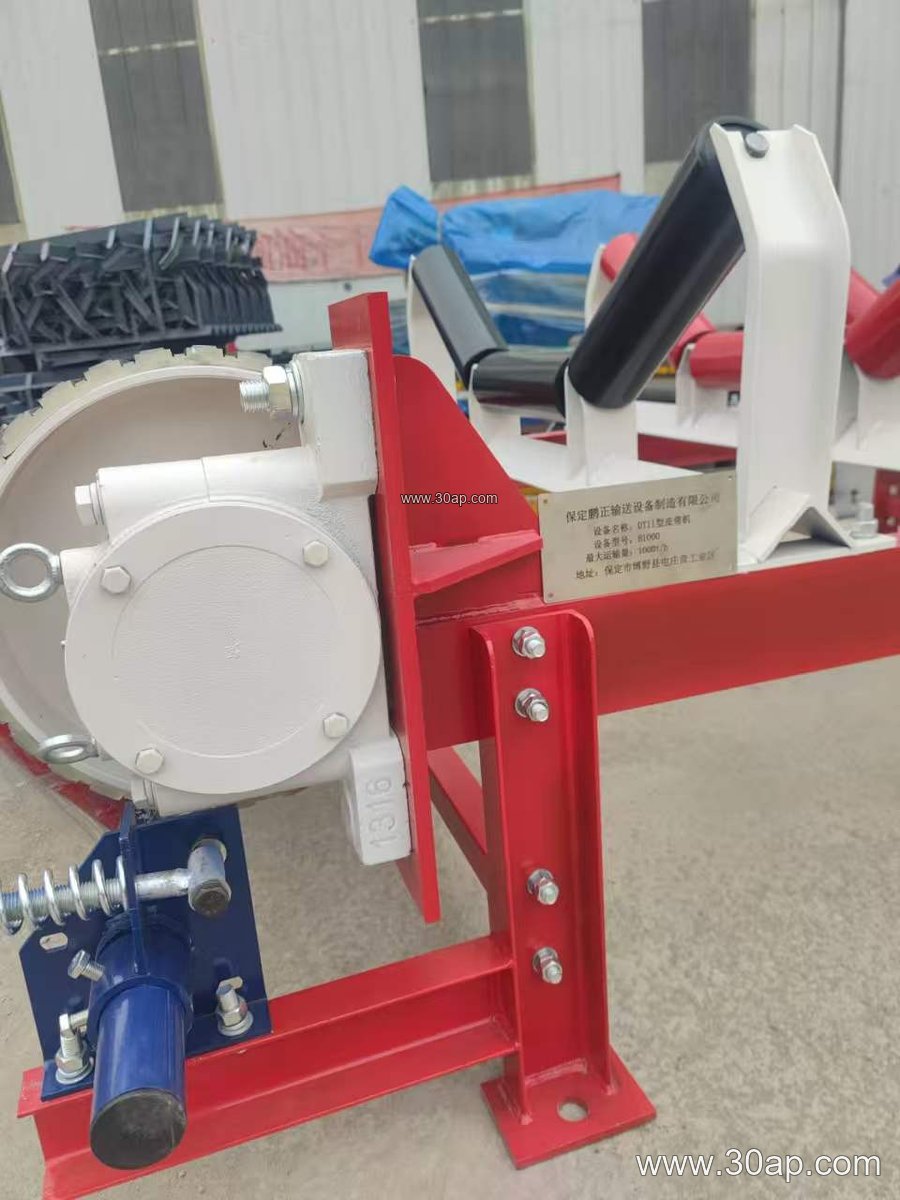
Bend pulleys are often installed at points where the belt needs to change direction, such as before a drive pulley or after a take-up section. In a coal mining conveyor, a bend rubber lagged pulley might route the belt around a transfer point, while in a cement plant it could help navigate around structural supports. The rubber lagging provides friction to prevent belt slip and protects the belt cover from abrasion, which is especially important when handling abrasive materials like clinker or ore.
Other pulleys in the system, such as the drive pulley, tail pulley, and take-up pulley, have different functions. The bend pulley is not interchangeable with them; it is specifically a redirecting pulley.
Selection and Maintenance Tips
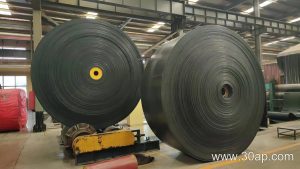
When selecting a bend rubber lagged pulley, consider the belt width, belt tension, and material being conveyed. The pulley diameter should be large enough to avoid excessive bending stress on the belt, especially for high-tension applications using steel cord conveyor belts or heavy-duty fabric belts like EP conveyor belts. Lagging pattern and thickness should match the environmental conditions: diamond lagging offers good traction in wet conditions, while plain lagging is easier to clean.
Regular inspection of the lagging for wear or damage is recommended, as worn lagging can reduce grip and cause belt misalignment. Ensure the pulley is properly aligned with the conveyor frame and that the shaft bearings are lubricated. In dusty environments such as a quarry or a crushing plant, keep the pulley area clean to prevent material buildup.
Typical Applications Across Industries
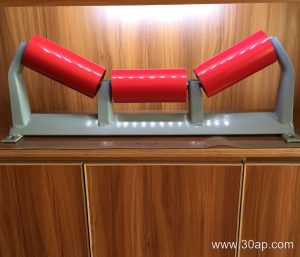
Bend rubber lagged pulleys are found in a wide range of bulk material handling systems. In a limestone mine, they help route the conveyor around screening stations. In a power plant, they guide the coal conveyor belt through transfer towers. In a port terminal, they assist in directing the belt along ship loading paths. Other common industries include iron ore mining, aggregate production, and fertilizer plants. The pulley works alongside conveyor idlers and brackets to keep the belt running smoothly.
For harsh conditions, pairing the pulley with appropriate conveyor belts such as heat resistant conveyor belt or flame retardant conveyor belt can enhance overall system reliability. Always consult the conveyor designer to ensure compatibility.