What a Recycling Conveyor Belt Does
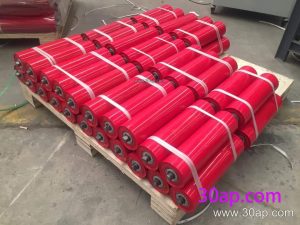
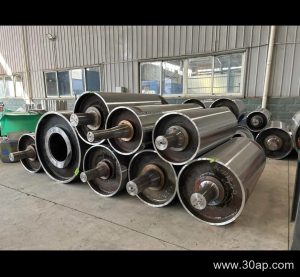
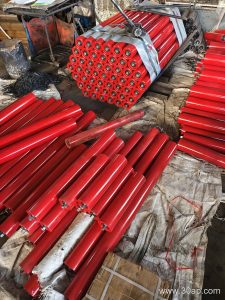
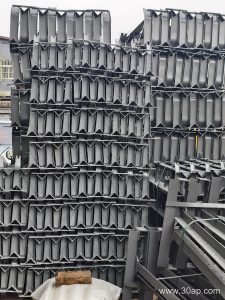
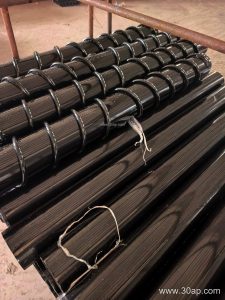
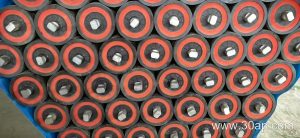
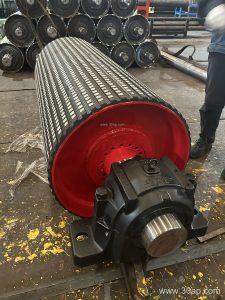
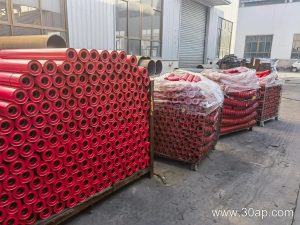
A recycling conveyor belt is the working surface of a sorting or processing line. It moves mixed recyclables, shredded material, compost, or residue between stations. The belt is part of a complete conveyor system that includes idler rollers, conveyor pulleys, and conveyor brackets. In recycling plants, the belt often handles sharp edges, heavy loads, and variable material sizes, so the cover compound and carcass must match the duty.
Construction and Common Types
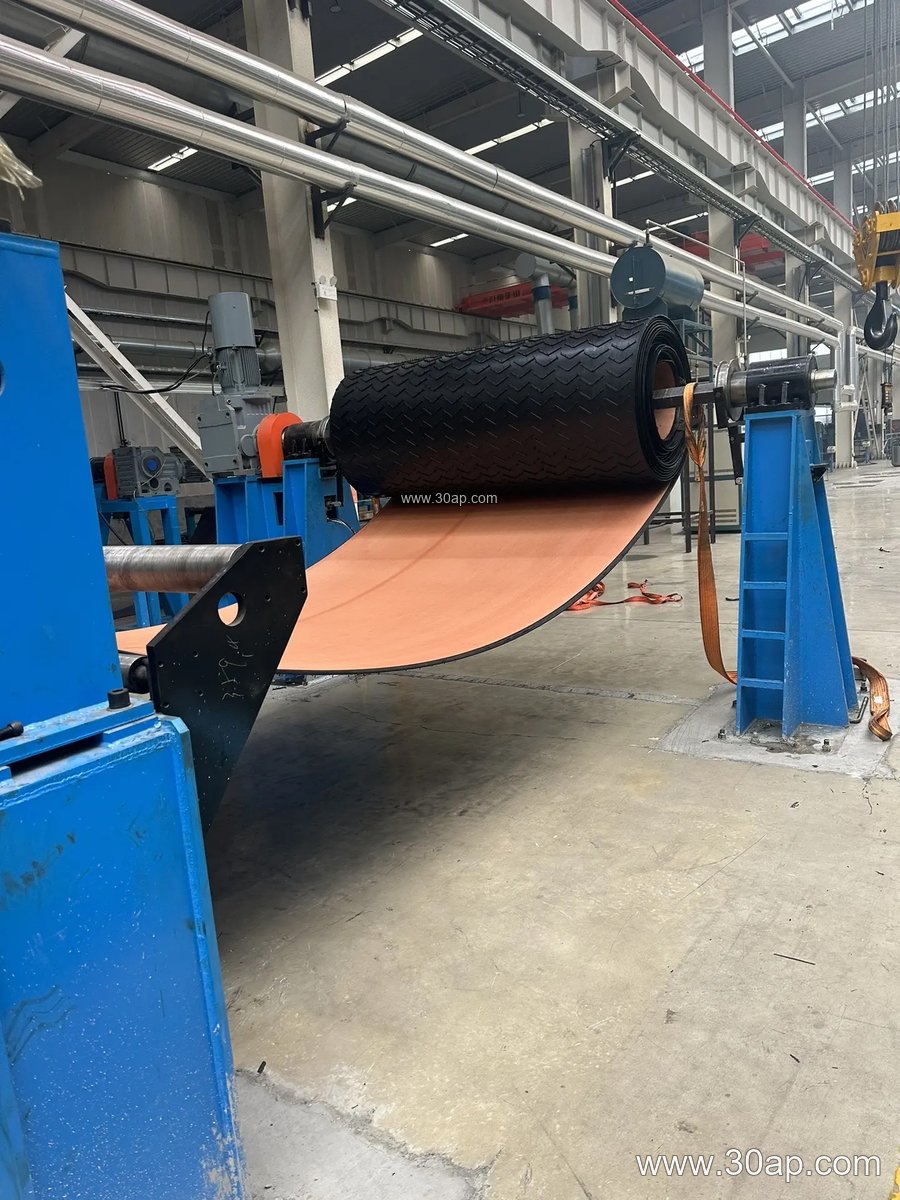
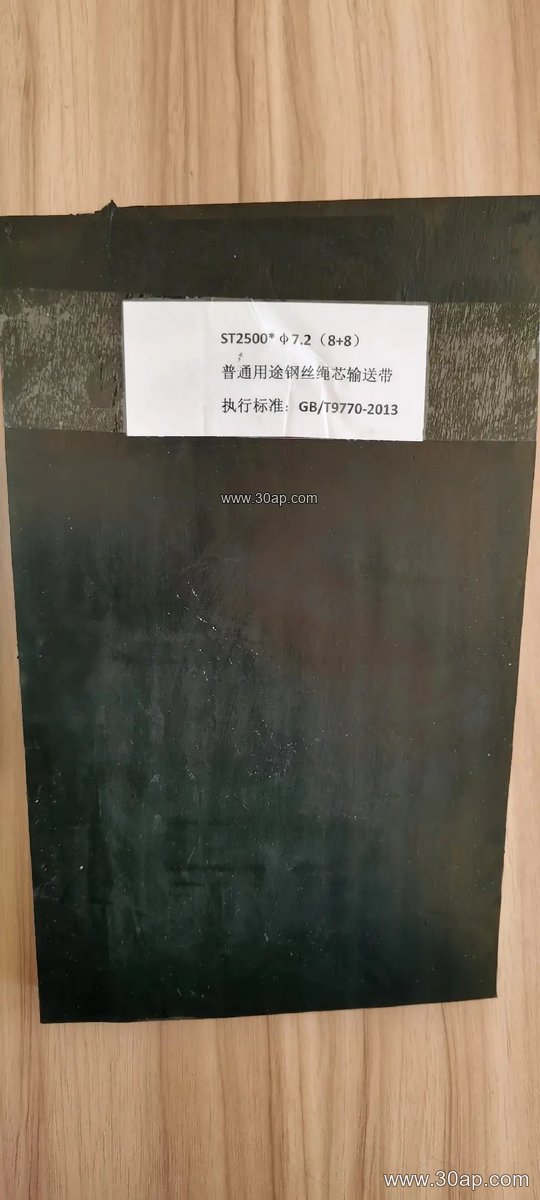
Most recycling belts use a fabric core or steel cord carcass with rubber covers. For lighter sorting lines, an EP conveyor belt or NN conveyor belt is common. For heavy shredder feed and transfer points, a steel cord conveyor belt may be used. The cover grade matters: an abrasion resistant conveyor belt resists glass, metal, and aggregate wear, while an oil resistant conveyor belt suits oily scrap. Flame retardant conveyor belt and anti-static conveyor belt options are relevant where dust or fire risk exists.
Typical Strength Grades and Widths
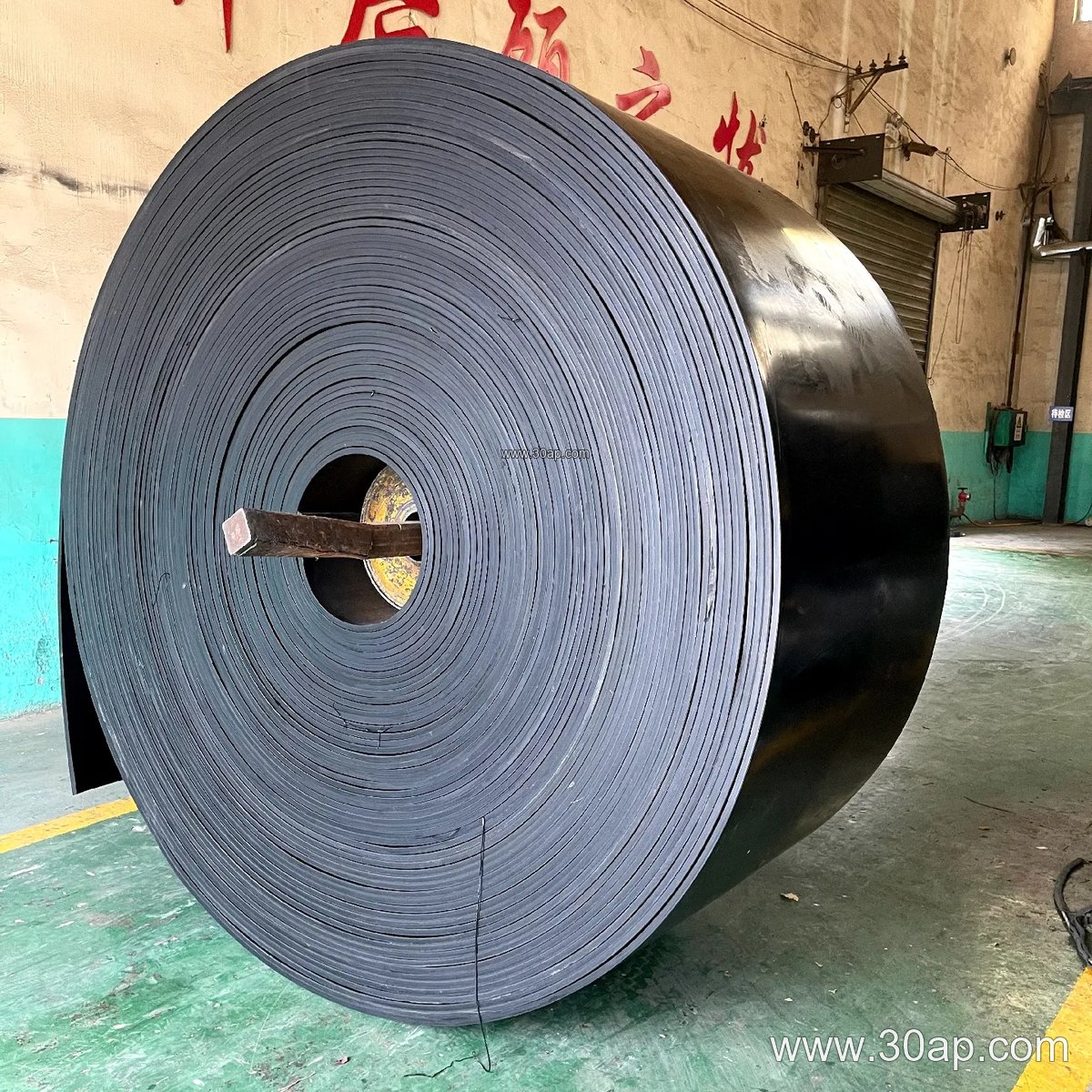
Fabric core belts are often specified by strength grade, such as EP200, EP400, EP630, EP800, or EP1000. Wider lines may use B800, B1000, B1200, or B1400. Steel cord grades like ST1000 or ST1600 appear in high-tension transfer conveyors. These values are reference examples, not fixed rules for every plant.
| Parameter | Common Reference |
|---|---|
| Belt width | B500, B650, B800, B1000, B1200, B1400, B1600 |
| Fabric strength grade | EP200, EP400, EP630, EP800, EP1000 |
| Cover thickness | 3+1.5 mm, 4+2 mm, 5+2 mm, 6+2 mm |
| Carcass plies | 2 to 6 plies typical |
Where Recycling Belts Are Used
These belts appear in municipal recycling facilities, construction and demolition waste lines, compost sites, and scrap yards. They also work alongside equipment from mining, quarry, and cement industries when recycled material is blended or transferred. A quarry conveyor belt or aggregate conveyor belt may share similar abrasion requirements. In processing lines, a crusher conveyor belt or rock conveyor belt handles tougher fragments. For dusty environments, a flame retardant conveyor belt may be required. The same belt family can serve as a bulk material conveyor belt in port and ship loading areas when recycling streams are exported.
Selection Points for Buyers
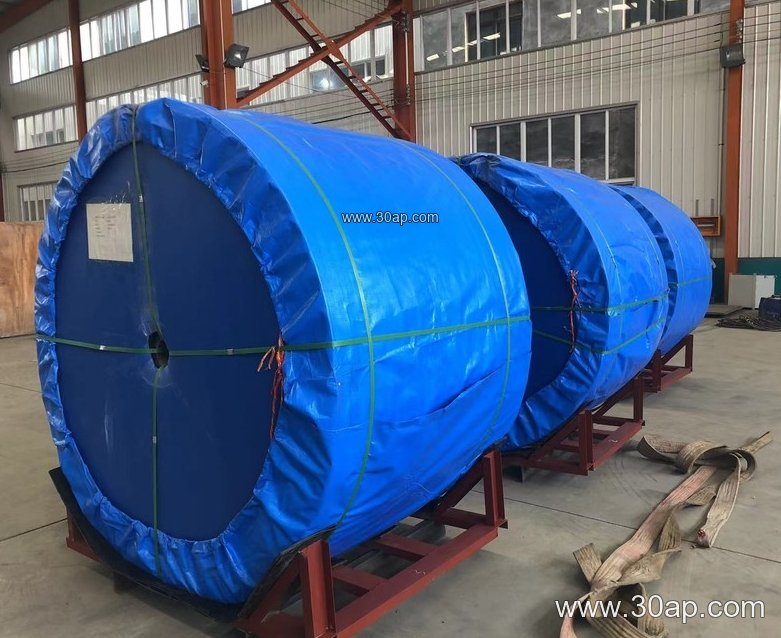
Start with the material: sharp glass and metal call for a high abrasion resistant conveyor belt. Oily or chemical residue may need an oil resistant or chemical resistant conveyor belt. Cold outdoor sorting yards may benefit from a cold resistant conveyor belt. For elevated inclines, a chevron conveyor belt or corrugated sidewall conveyor belt helps contain material. A skirted conveyor belt can reduce spillage at transfer points. Consider an endless conveyor belt where splice-free operation is preferred.
- Match cover grade to wear and temperature.
- Check pulley and idler roller compatibility.
- Confirm belt width and strength grade with the conveyor design.
- Review splice type for the chosen carcass.
Buyers should also confirm the conveyor pulley diameter and shaft details with the conveyor designer. A wider belt does not automatically dictate one pulley size; the drive, tail, and bend pulleys are selected by tension and wrap angle. The same applies to idler roller spacing and bracket layout. For recycling lines, regular inspection of the belt edges and covers helps avoid downtime.
Maintenance and Replacement Notes
Keep the belt tracking correctly and check idler rollers for seized bearings. Worn conveyor pulleys can damage the belt carcass. When replacing a recycling conveyor belt, record the existing width, strength grade, and cover thickness. For harsh duty, an EP conveyor belt with a thick abrasion resistant cover is a practical starting point. For high tension, a steel cord conveyor belt may be needed. Always treat catalog values as reference data and verify with the conveyor manufacturer.