What a Trough Idler Bracket Set Does
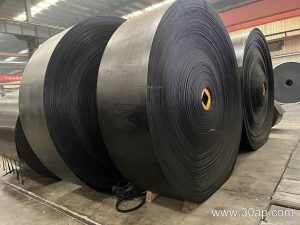
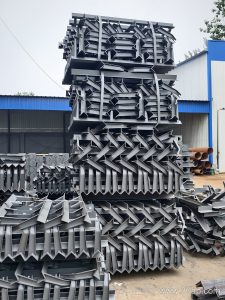
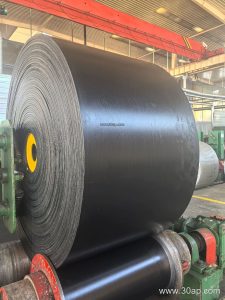
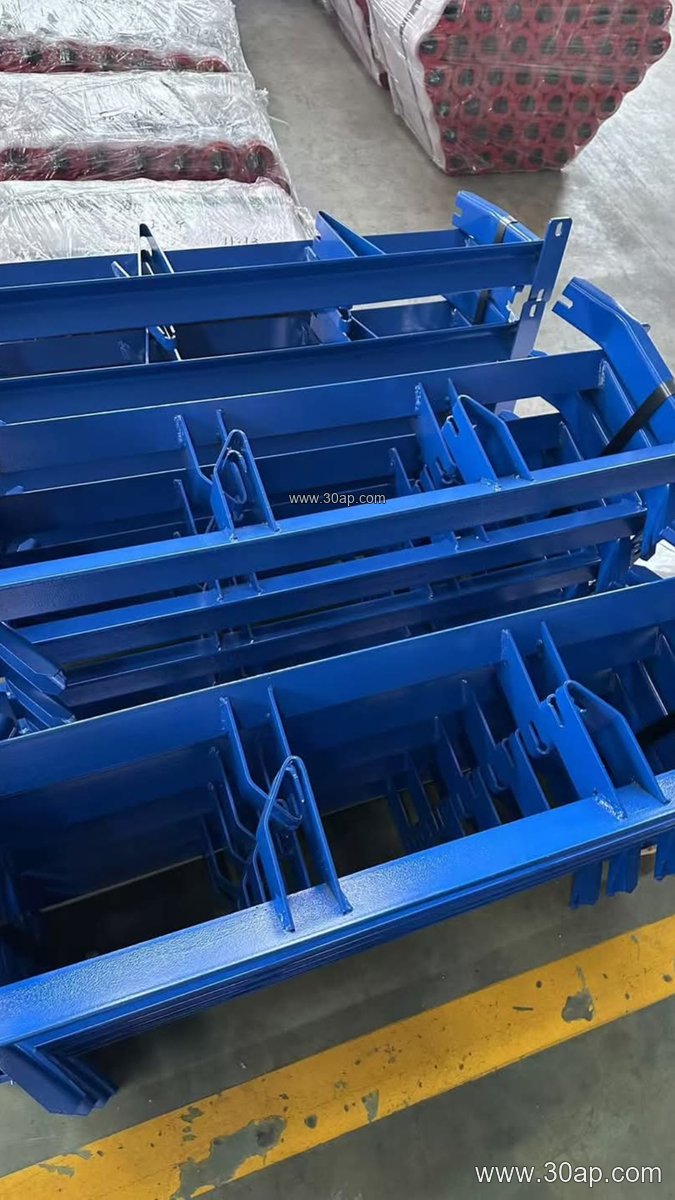
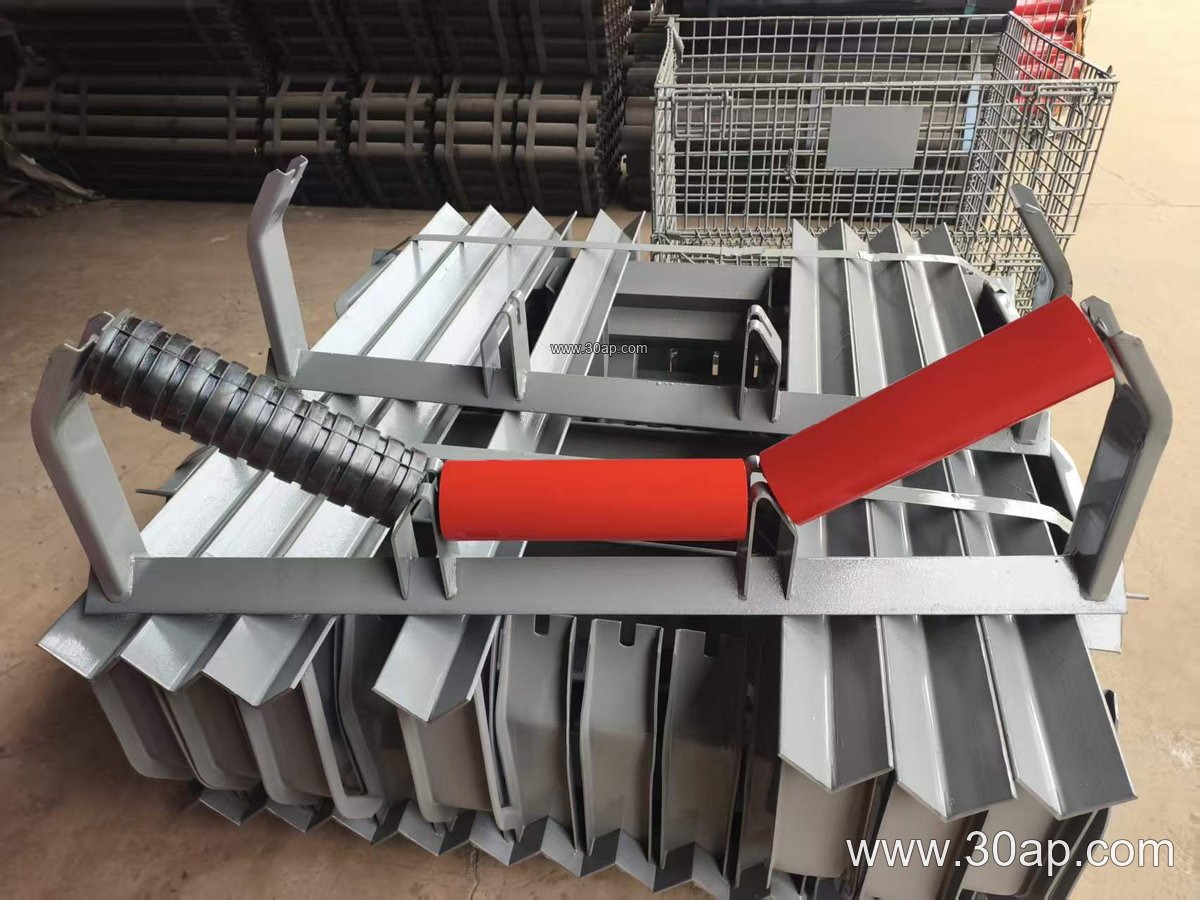
A trough idler bracket set is the mounting framework that holds the three-roll trough idler assembly in place along the carrying side of a conveyor. It positions the center roll horizontally and the two side rolls at an incline, forming the trough that keeps bulk material centered on the belt. The set typically includes the bracket frame, mounting plates, and adjustable or fixed roll seats. In quarry and aggregate lines, these brackets work alongside an abrasion resistant conveyor belt to maintain a stable trough profile under constant loading.
Construction and Common Materials
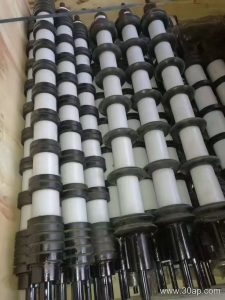
Most trough idler bracket sets are fabricated from angle steel, channel steel, or folded steel plate. The material choice depends on the load and the environment. For a coal mining conveyor belt system, brackets may be made from heavier channel sections to resist vibration and impact. The roll seats are usually slotted or bolted to allow the trough angle to be set during installation. A well-built set keeps the idler roller aligned so the belt runs smoothly without edge damage.
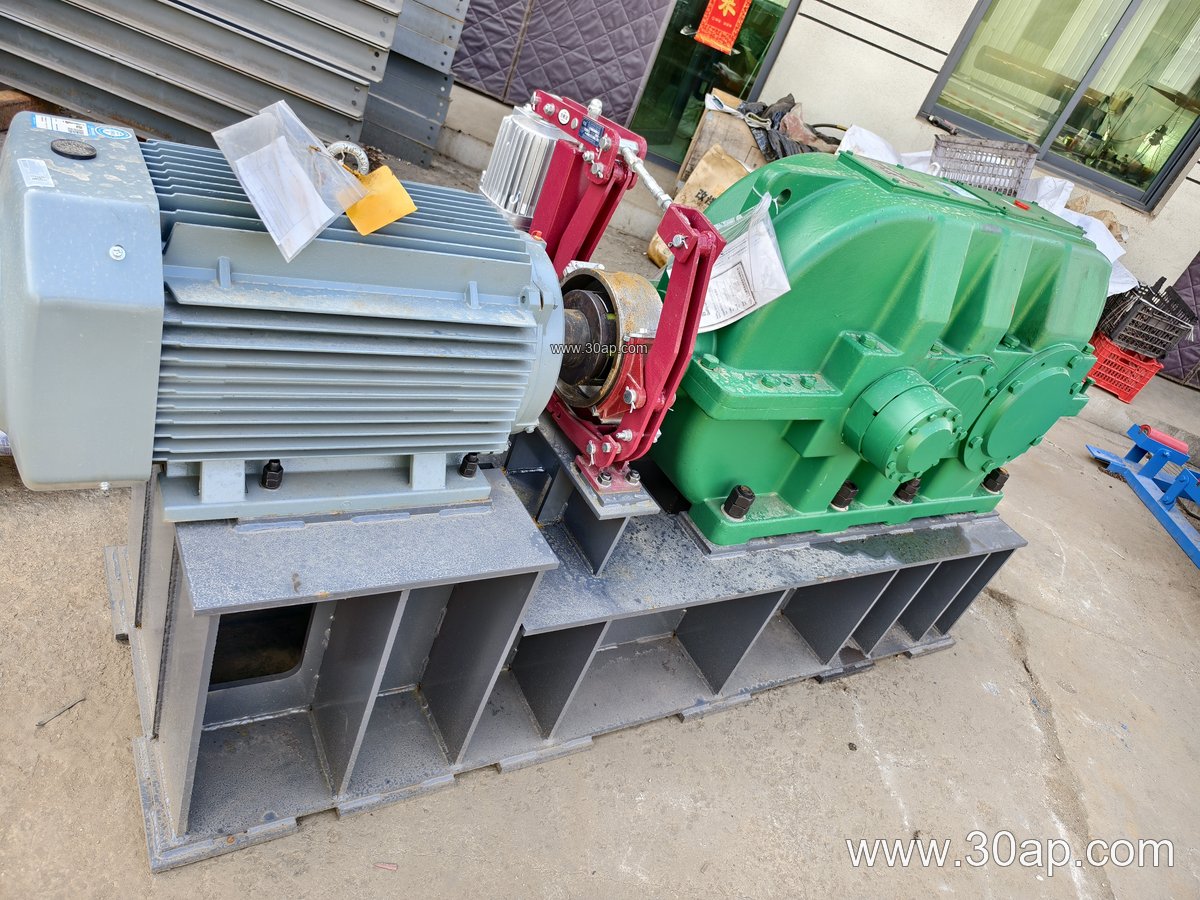
Typical bracket configurations
- Fixed trough bracket with a preset trough angle
- Adjustable bracket that can be set between common trough angles
- Transition bracket used near the tail pulley to gradually change belt shape
- Impact bracket reinforced for loading points
Where It Fits on the Conveyor
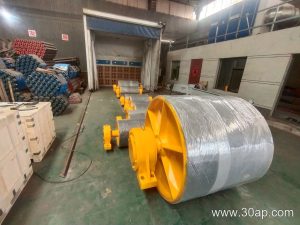
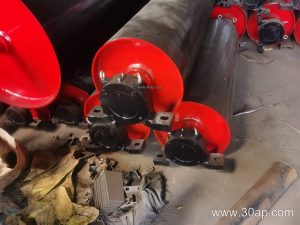
The trough idler bracket set is installed on the carrying side, usually bolted to the conveyor stringer or frame. It is distinct from the return bracket, which supports the belt on its way back. Drive pulleys, tail pulleys, and bend pulleys are separate components and are not part of this bracket set. In a cement plant or power plant coal handling system, a series of trough brackets runs along the entire carrying length, spaced according to belt width and load. Near the tail pulley, a transition bracket helps the belt move from a flat shape into the trough without stressing the edges.
Matching Bracket Set to Belt and Idler
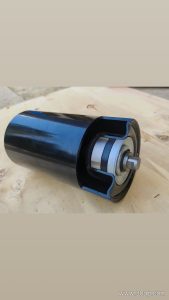
Selection starts with the conveyor belt width and the required trough angle. Common belt widths include B500, B650, B800, B1000, B1200, B1400, and B1600, with wider sizes available for high-capacity lines. Trough angles are usually 20, 30, 35, or 45 degrees. The idler roller diameter is often Ø89, Ø108, Ø133, Ø159, or Ø194. The bracket set must match the roll diameter and the mounting hole spacing, which varies with belt width and trough angle. A B800 belt at 35 degrees with Ø108 idlers is one common combination, but it is not the only valid one. A B1200 line at 45 degrees with Ø133 rolls may suit a different duty. The table below shows reference examples only; final dimensions are determined by conveyor design.
| Belt width | Common trough angle | Idler diameter | Bracket type |
|---|---|---|---|
| B650 | 30 degrees | Ø89 | Fixed trough bracket |
| B800 | 35 degrees | Ø108 | Adjustable trough bracket |
| B1000 | 35 degrees | Ø133 | Transition bracket |
| B1200 | 45 degrees | Ø133 | Impact bracket |
| B1400 | 45 degrees | Ø159 | Adjustable trough bracket |
For a steel cord conveyor belt running at high tension, the bracket set should be rigid enough to hold the trough angle under load. For a fabric core conveyor belt in a smaller quarry line, a lighter fixed bracket may be sufficient. The bracket set also works with a chevron conveyor belt or a corrugated sidewall conveyor belt, but the roll seats must clear the raised profiles.
Installation and Maintenance Notes
Install the bracket set square to the conveyor centerline and at the same height on both sides. Check that the idler roller turns freely and that the belt sits evenly in the trough. In a sand and gravel plant or a limestone mine, dust and fines can build up on the bracket seats, so periodic cleaning helps prevent misalignment. Inspect for loose bolts, bent frames, and worn roll seats. If the bracket is adjustable, confirm the trough angle has not shifted. A properly maintained trough idler bracket set extends the life of the conveyor belt and reduces spillage along the carrying run.