What a High-Friction Lagged Pulley Does
A high-friction lagged pulley is a conveyor pulley whose shell is covered with a rubber or ceramic lagging designed to raise the coefficient of friction between the drum and the belt. In a quarry, a cement plant, or a coal handling system, this added grip is often the difference between a drive that pulls smoothly under load and one that slips during starts or wet weather. The pulley is not a substitute for correct tension or adequate motor torque; it is a surface solution that helps the drive drum transmit power without excessive belt slip. When specified well, it also reduces the polishing of the shell that plain steel pulleys develop over time.
Construction and Surface Options
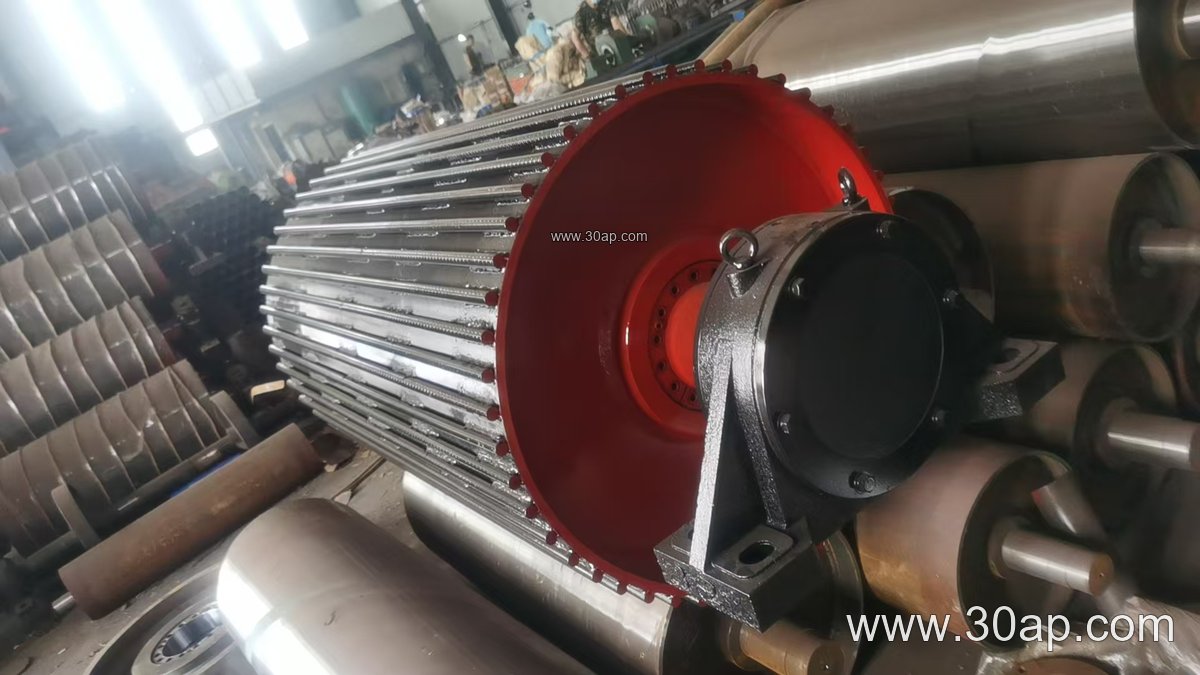
The body is typically a welded steel drum with end discs and a shaft, machined for balance. The lagging may be applied as cold-bonded rubber, hot-vulcanized rubber, cast rubber, or ceramic tiles set in a rubber matrix. Surface patterns include plain, diamond, herringbone, and ceramic. Thickness commonly ranges from 8 mm to 20 mm, with 10 mm and 12 mm being frequent choices for medium-duty drives. The pattern matters: diamond lagging sheds water and fines, while plain lagging suits cleaner, drier duties. Ceramic lagging is often chosen where abrasive dust and wet conditions combine, such as a wash plant or a port bulk terminal.
Where It Fits in the Conveyor
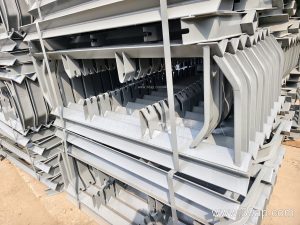
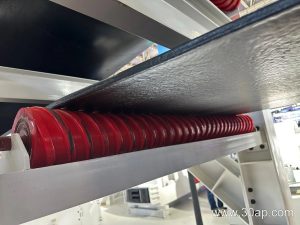
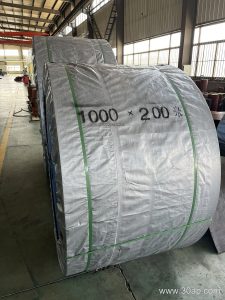
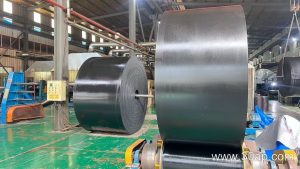
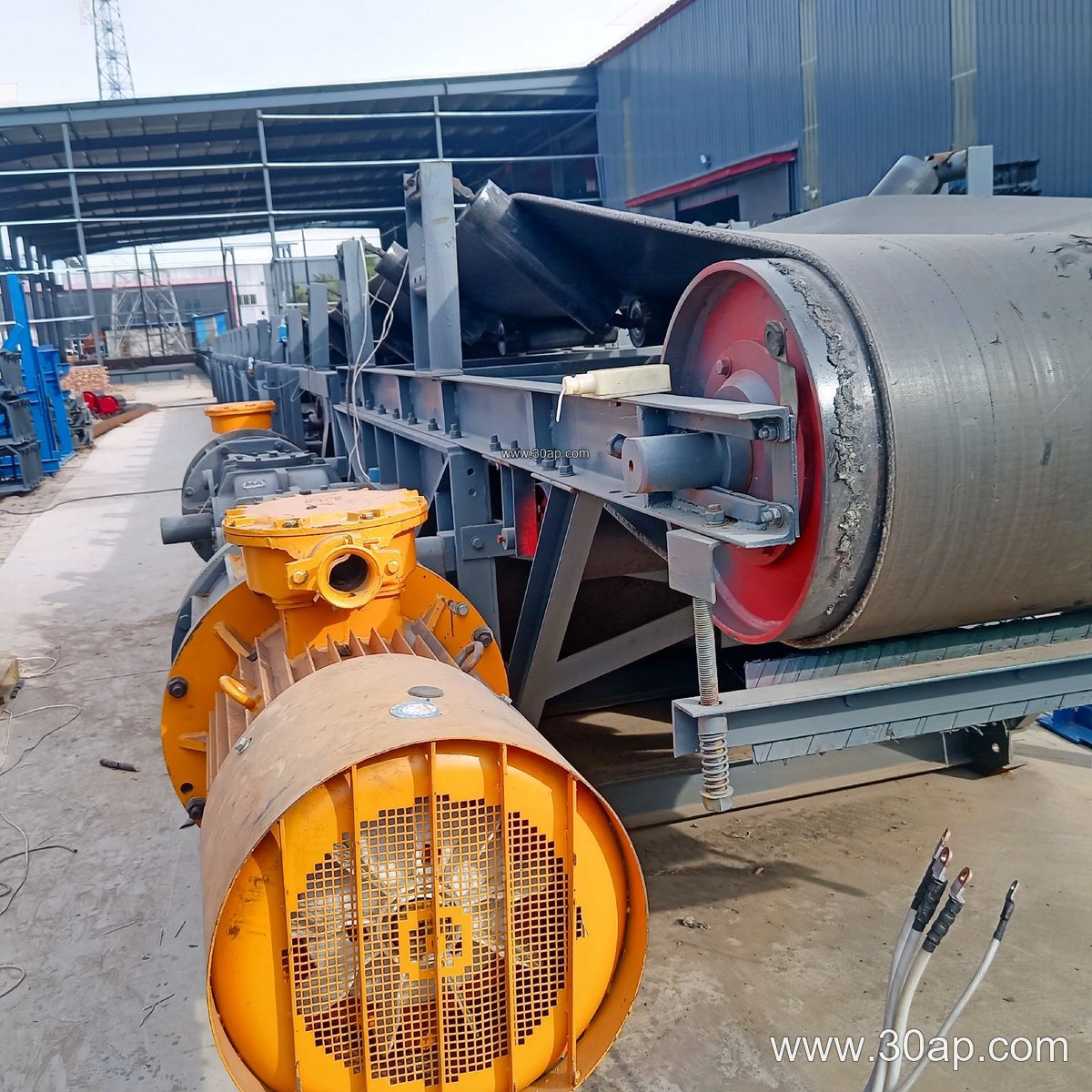
The high-friction lagged pulley is most often the drive pulley at the head of the conveyor, but it can also be used at a tail or take-up position when extra grip is needed. In a typical arrangement, the belt passes over the drive drum, then under a bend pulley, with a conveyor bracket holding the bearing housings. The pulley works alongside conveyor idlers and the conveyor belt itself, so the lagging must be compatible with the belt cover grade. For example, a high abrasion resistant conveyor belt running over a diamond-lagged drum will wear differently than a bare-back belt. The lagging should never be so aggressive that it damages the belt edge or splice.
Application Notes Across Industries
In sand and aggregate lines, a high-friction lagged pulley helps the head drive keep pace with a fully loaded 800mm or 1000mm belt during start-up. In a coal preparation plant, flame retardant conveyor belt grades are common, and the lagging should be selected with fire safety in mind. Cement plants often use heat resistant conveyor belt where clinker is carried, and the pulley lagging must tolerate warm belt surfaces without softening. Iron ore and copper ore operations may favor ceramic lagging because fines and moisture make plain rubber slick. In a power plant coal yard, a high-friction lagged pulley on the drive helps maintain tension through variable loads. The same principle applies in a fertilizer or grain silo conveyor, though the lagging pattern should be chosen to avoid product buildup.
Matching Pulley to Belt and Duty
Buyers should consider belt width, pulley diameter, shaft size, and lagging thickness as a set. Common drum diameters include Ø500, Ø630, Ø800, and Ø1000, while shaft diameters are often Ø80 to Ø160 depending on torque. A B800 belt may run on a Ø500 pulley in one conveyor and a Ø630 in another; there is no fixed rule that ties one belt width to one diameter. The table below shows representative combinations, not mandatory matches.
| Belt Width | Typical Pulley Diameter | Common Lagging Thickness | Surface Form |
|---|---|---|---|
| B650 | Ø400 to Ø500 | 10 mm | Diamond rubber |
| B800 | Ø500 to Ø630 | 10 to 12 mm | Diamond or plain rubber |
| B1000 | Ø630 to Ø800 | 12 mm | Diamond or ceramic |
| B1200 | Ø800 to Ø1000 | 12 to 15 mm | Ceramic or herringbone |
| B1400 | Ø1000 to Ø1250 | 15 mm | Ceramic |
Note that shell width is usually slightly greater than belt width, for example about 950 mm for a B800 belt. The shaft diameter is determined by torque and load, not by belt width alone. A high-friction lagged pulley for a heavy-duty mining conveyor belt may need a larger shaft than the same drum on a light aggregate line.
Buyer Checklist
- Confirm the pulley’s location (head, tail, take-up) and the required friction level.
- Match lagging pattern and thickness to the belt cover and the material carried.
- Check compatibility with the conveyor belt splice and edge condition.
- Verify shaft size against the actual torque, not just belt width.
- Consider environmental factors: moisture, dust, heat, and oil.
- Ask for lagging hardness and adhesion data if the drive is critical.
For a reliable drive, the high-friction lagged pulley should be seen as part of a system that includes the conveyor belt, idler roller, and conveyor bracket. Selecting the right lagging surface for the site conditions is often more important than choosing the thickest option. Whether the plant handles EP conveyor belt, NN conveyor belt, or steel cord conveyor belt, the pulley lagging should be specified with the same care as the belt itself. Visit https://www.example.com/high-friction-lagged-pulley for related conveyor components, and remember that a well-matched drum reduces slip, belt wear, and downtime.