What Is a Belt Anti-Misalignment Idler?
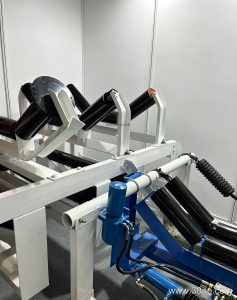
A belt anti-misalignment idler is a specialized roller assembly installed on a conveyor to keep the belt centered and prevent it from drifting sideways. Also known as a self-aligning idler or training idler, this component automatically corrects belt misalignment by pivoting or steering the belt back on track. Unlike standard carrying or return idlers, the anti-misalignment design responds to lateral forces, making it essential in industries where belt wander can cause spillage, edge damage, or downtime—such as coal mining, cement plants, power stations, and quarry operations.
How It Works and How It Is Built
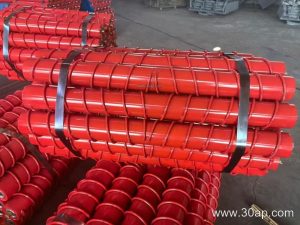
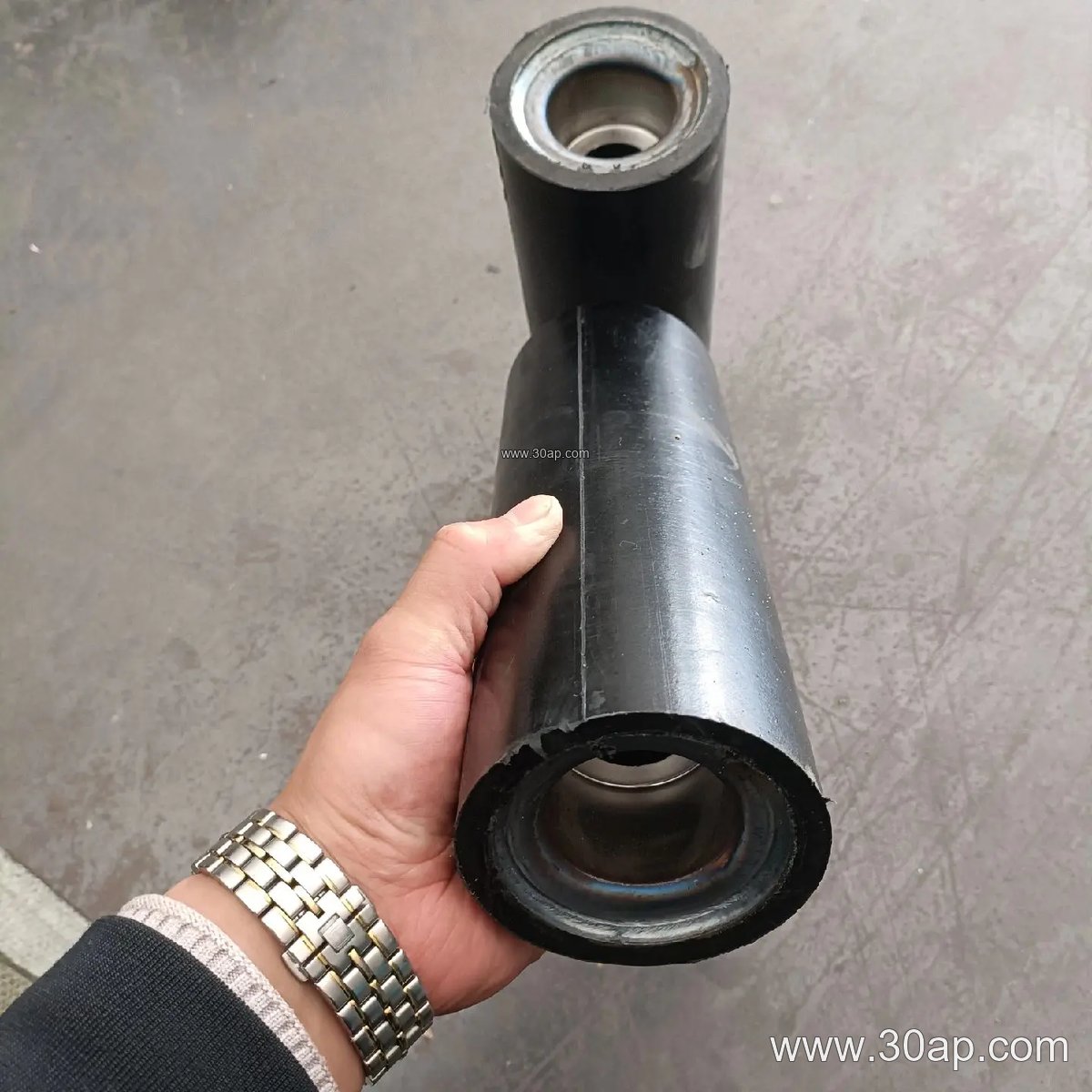
Most belt anti-misalignment idlers use a vertical pivot axis or angled rollers to create a corrective steering effect. When the belt contacts the idler off-center, the resulting friction generates a turning moment that swings the idler frame slightly, guiding the belt back toward the center line. Common constructions include friction training idlers (using a pivot and friction disc), conical training idlers (with tapered rollers that create differential surface speeds), and return-side V-type or spiral training idlers.
Key components typically include a sturdy steel frame, idler rollers with sealed bearings, and a pivot mechanism. Roller surfaces may be plain steel, rubber-lagged, or ceramic-covered for grip and wear resistance. Bearing sizes often range from 6204 to 6310 depending on load and roller diameter, while roller diameters commonly fall between Ø63 and Ø219 mm. These values are indicative; actual selection depends on belt width, tension, and material load.
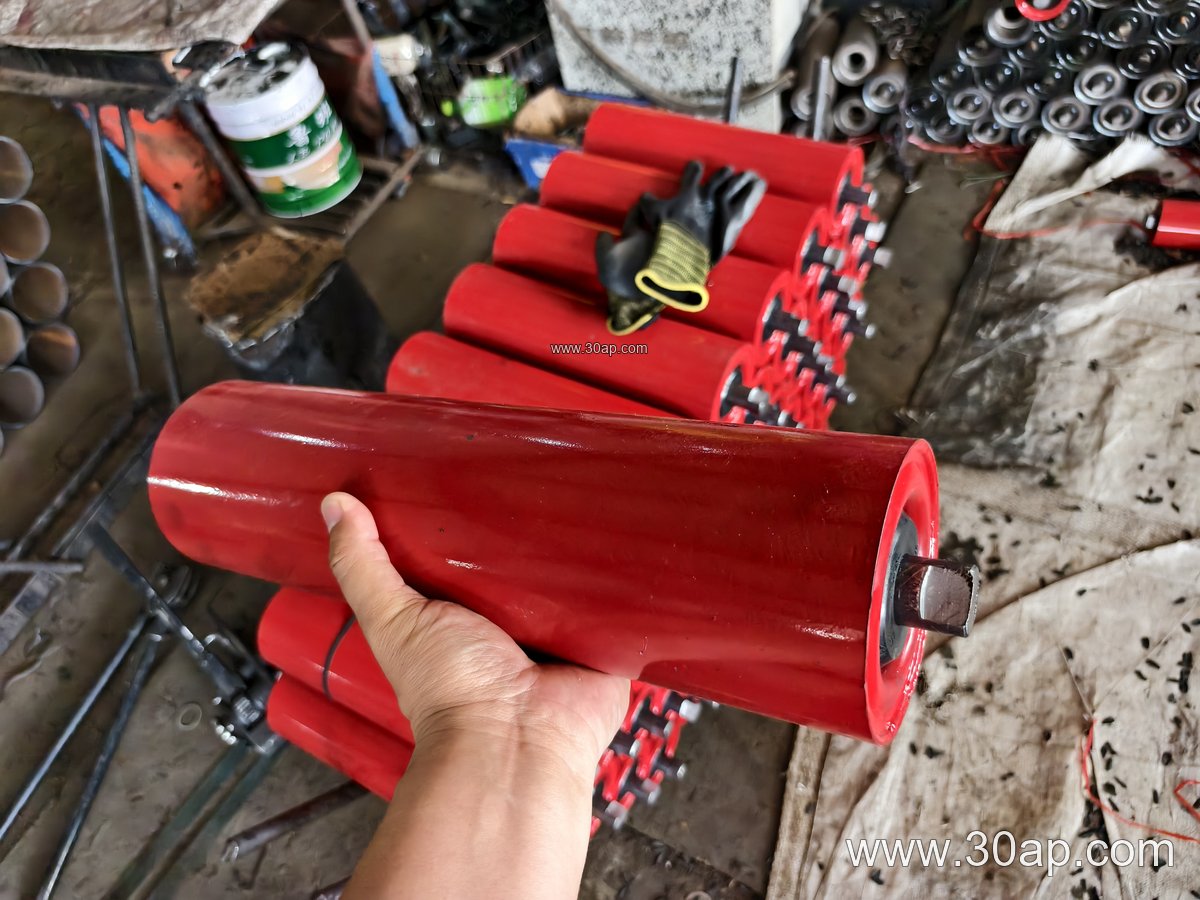
Where It Fits on the Conveyor
Anti-misalignment idlers are usually placed at intervals along the carrying side—especially after transition zones, curves, or loading points where misalignment is likely. On the return side, V-type training idlers or flat training idlers help keep the empty belt centered. They are not a substitute for proper conveyor pulley alignment; drive, tail, and bend pulleys must be correctly installed first. In a typical cement plant or coal handling system, you might find these idlers on both the carrying and return runs of a fabric core conveyor belt or a steel cord conveyor belt, working alongside standard troughing idlers and impact idlers.
Common Configurations and Dimensions
Belt anti-misalignment idlers are available in several forms to suit different belt widths and load conditions. The table below lists typical reference sizes—not fixed pairings—to help buyers understand the range. Always confirm with the conveyor design.
| Parameter | Common Range / Examples |
|---|---|
| Idler type | Friction training idler, conical training idler, V-type return training idler |
| Roller diameter (mm) | Ø63, Ø76, Ø89, Ø102, Ø108, Ø127, Ø133, Ø159, Ø178, Ø194, Ø219 |
| Belt width (mm) | B400, B500, B650, B800, B1000, B1200, B1400, B1600, B1800, B2000 |
| Roller length (example, 3-roll trough) | B500 ≈ 200 mm; B800 ≈ 315 mm; B1000 ≈ 380 mm; B1200 ≈ 465 mm; B1400 ≈ 530 mm; B1600 ≈ 600 mm |
| Trough angle | 20°, 30°, 35°, 45° |
| Bearing | 6204, 6205, 6305, 6306, 6308, 6310 (selection depends on load and speed) |
Note that roller length varies with belt width, trough angle, and idler arrangement; side rollers and center rollers may differ. These figures are for reference only.
Selection and Maintenance Tips
When choosing a belt anti-misalignment idler, consider belt width, belt speed, material characteristics, and the existing idler frame. For abrasive materials like iron ore or copper ore, choose rollers with wear-resistant surfaces. In coal mining or underground applications, flame retardant and anti-static properties may be required for the entire conveyor system, including the flame retardant conveyor belt. Ensure the idler’s pivot mechanism is compatible with the conveyor bracket and that lubrication points are accessible.
Regular inspection of idler alignment, bearing condition, and roller wear helps maintain tracking performance. A misaligned belt can often be corrected by adjusting the training idlers rather than replacing them. Keep spare rollers and bearings on hand for critical conveyors in power plants or aggregate lines. Remember that anti-misalignment idlers work best when the entire conveyor—including pulleys, frames, and belt splices—is in good alignment.