What a Rock Conveyor Belt Is
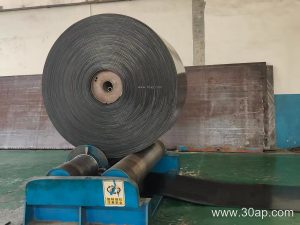
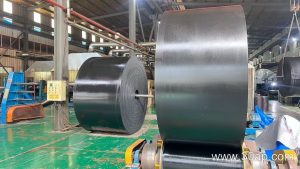
A rock conveyor belt is the heavy-duty carrying surface used to move crushed stone, gravel, ore and other abrasive bulk materials along a conveyor system. In practice it is a rubber conveyor belt built with a strong fabric or steel cord carcass and thick abrasion-resistant covers. The same product is often called a stone crusher conveyor belt, quarry conveyor belt or aggregate conveyor belt, and those names describe the duty rather than a different machine.
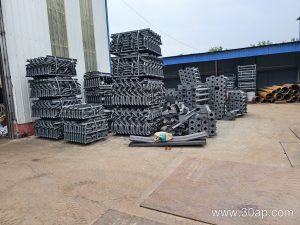
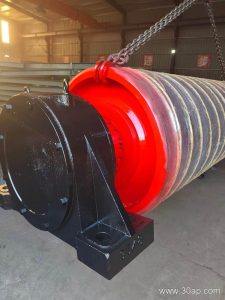
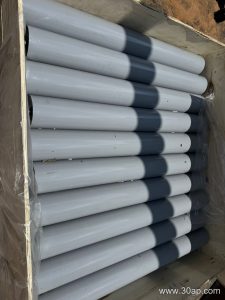
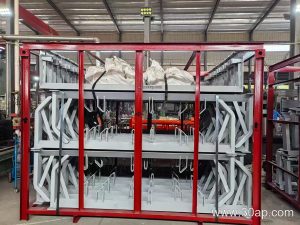
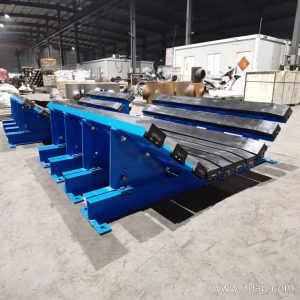
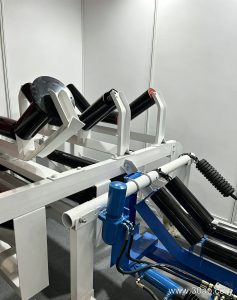
The belt is only one part of the line. A typical circuit also includes an idler roller set, a conveyor pulley at the drive and tail positions, and a conveyor bracket that holds the rollers in alignment. The belt, rollers and pulleys must be matched to the load, the lump size and the environment.
How the Belt Is Built
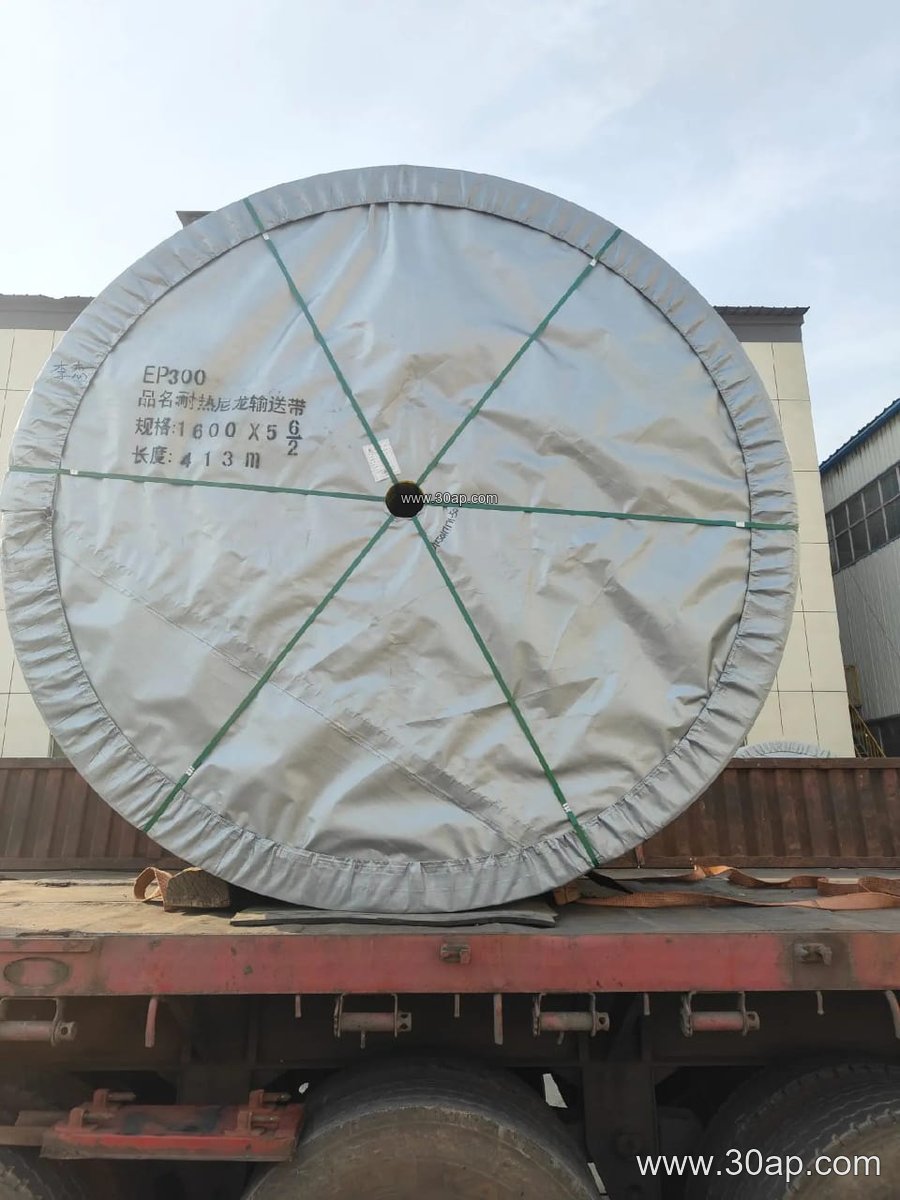
Most rock belts use a multi-ply fabric core or a steel cord core. Fabric cores are available in EP (polyester and nylon) and NN (nylon and nylon) constructions. Steel cord belts are chosen for very long runs and high tension. Cover rubber compounds are selected for abrasion, impact, heat, oil, flame resistance or cold service. Common cover thickness combinations include 3+1.5 mm, 4+2 mm, 5+2 mm, 6+2 mm and 8+3 mm, while the carcass usually has 2 to 6 plies depending on the duty.
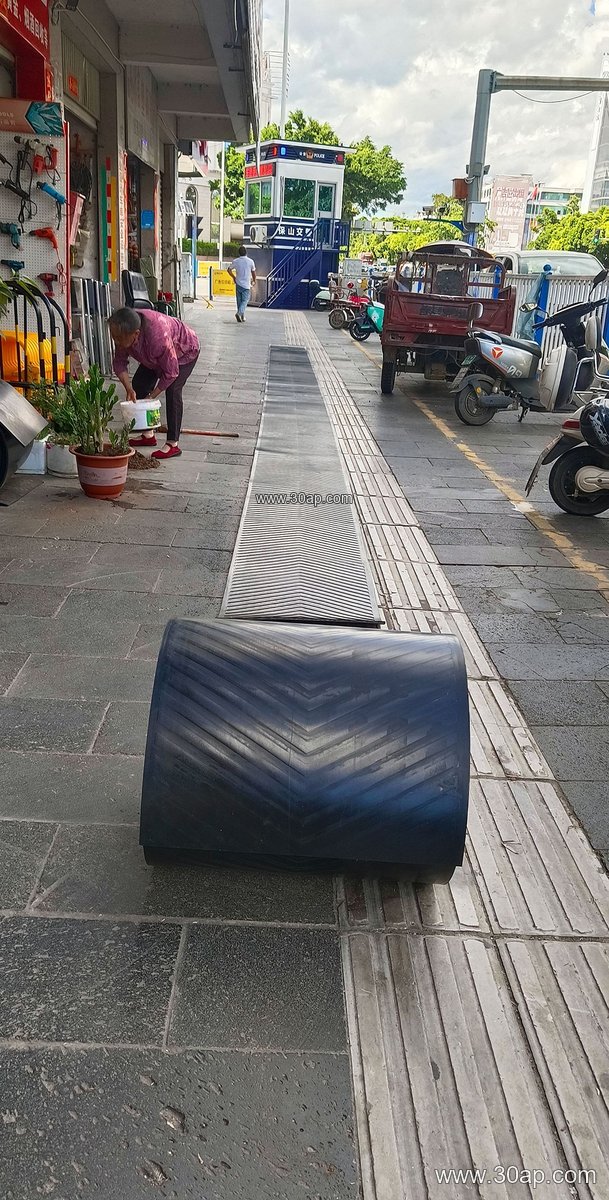
Edge construction matters on rock duty. A cut edge is normal for general aggregate work, while a molded edge helps resist fraying on high-impact loading points. Chevron or corrugated sidewall forms are used where the incline is steep and material must not roll back. Skirted belts add raised edges for contained flow. These are design variants of the same rock conveyor belt, not replacements for it.
Typical Specifications
The table below shows common reference values for rock and aggregate service. Actual values are set by the conveyor design and should be confirmed with the belt supplier.
| Property | Common reference range |
|---|---|
| Belt width | B500, B650, B800, B1000, B1200, B1400, B1600, B1800, B2000 mm |
| Fabric core grades | EP200, EP315, EP400, EP500, EP630, EP800, EP1000, EP1250, EP1600, EP2000 |
| NN grades | NN100, NN200, NN300, NN400 |
| Steel cord grades | ST1000, ST1250, ST1600, ST2000, ST2500, ST3150 |
| Cover thickness | 3+1.5, 4+2, 5+2, 6+2, 8+3 mm |
| Carcass plies | 2 to 6 layers, by design |
For example, an EP1000 1200mm conveyor belt may suit a primary crusher discharge, while an EP1250 1800mm belt could be used on a wider main haulage line. A steel cord ST2000 belt is more likely on a long overland run. These are examples, not fixed rules; one belt width can work with different pulley diameters.
Where Rock Belts Are Used
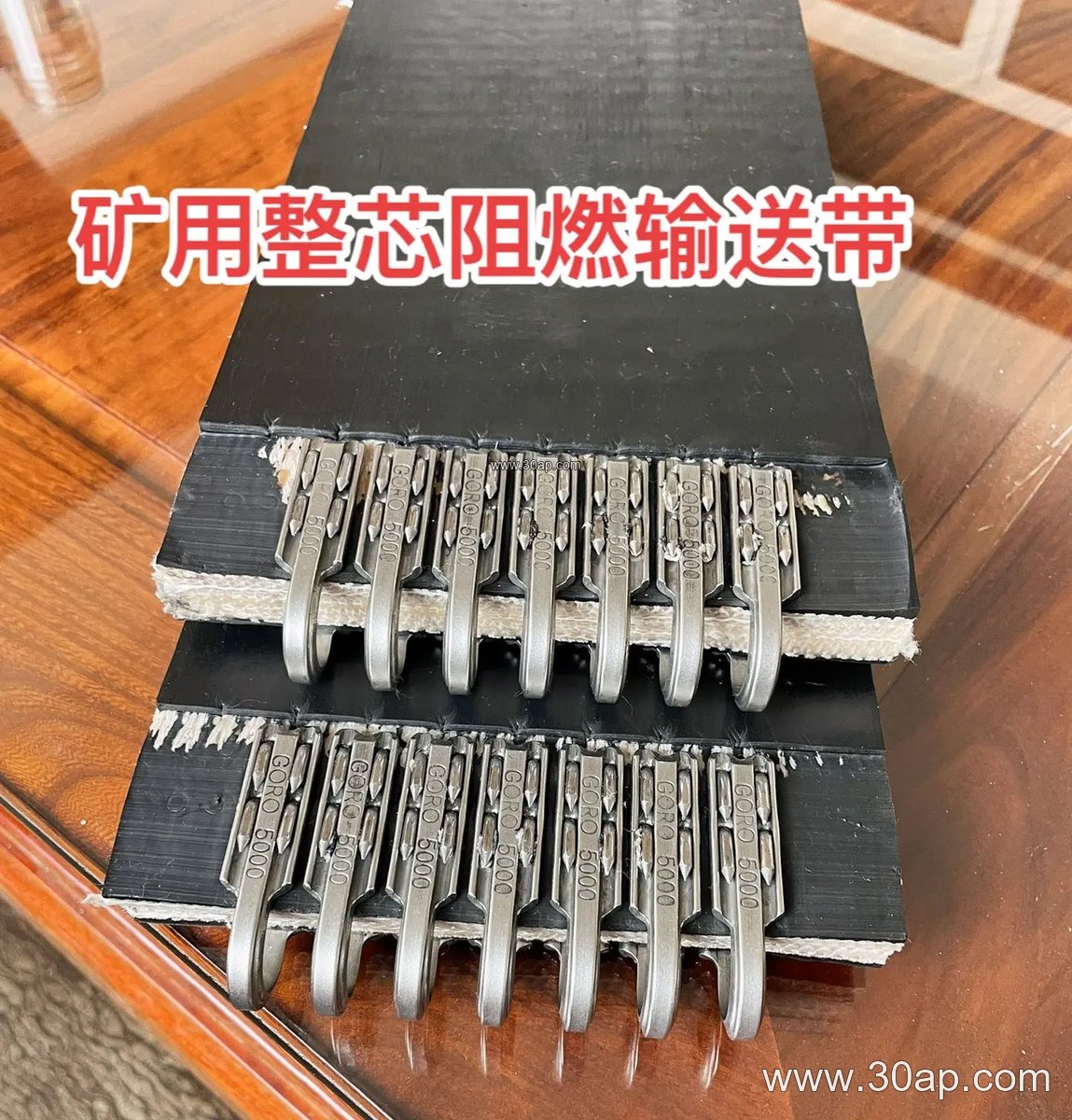
Rock conveyor belts appear across mining, coal, cement, power, sand and gravel, and port operations. In a quarry or stone crushing plant they carry blasted rock from the crusher to the screen. In a coal mine they move raw coal, and flame retardant or anti-static grades are common underground. Cement plants use them for clinker and limestone, power plants for coal and ash, and ports for ship loading.
Heavy-duty mining conveyor belts often need high abrasion resistance and impact resistance at transfer points. Ore conveyor belts for iron ore or copper ore may need oil and chemical resistance as well. Cold resistant belts are used in northern yards, while heat resistant belts serve clinker and sinter lines. Food grade belts are a separate family and are not a substitute for rock duty.
What Buyers Should Check
- Confirm the maximum lump size and drop height so the cover and carcass can absorb impact.
- Match the belt grade to the calculated tension, not to a single width alone.
- Check pulley diameters against the belt construction recommended by the manufacturer.
- Review the idler roller spacing and conveyor bracket condition, since poor support shortens belt life.
- State the environment: wet, dusty, oily, hot or cold, and whether flame retardant or anti-static properties are required.
- Ask for the cover thickness and ply count in writing, along with the splice method.
Proper storage, square cutting and a clean splice also matter. A rock conveyor belt is a long-term wear item, so the best result comes from matching the belt, the pulley and the roller system to the actual site conditions rather than from a single catalogue number.