What a Mining Belt Conveyor Idler Does on the Line
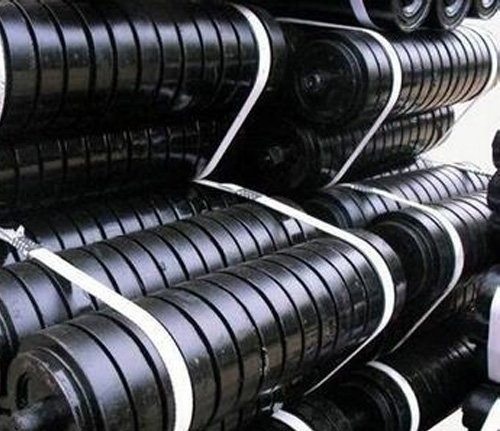
A mining belt conveyor idler is the rotating support that carries the conveyor belt and the material load along the length of a conveyor. In a quarry, a coal preparation plant, or a cement plant, dozens to hundreds of these rollers sit under the belt at regular intervals. Each one turns with the belt rather than against it, so friction stays low and the belt does not sag between support points. The idler roller is a simple product, but it is one of the most frequently replaced parts on a bulk handling line, which makes its construction and matching to the belt worth understanding.
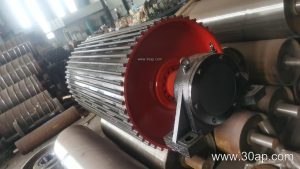
The main subject here is the idler. A conveyor pulley at the head or tail drives or redirects the belt, and it is a different component with a different job. Drive pulleys, tail pulleys, and bend pulleys are not interchangeable, and none of them can be replaced by an idler. When a conveyor is specified, the roller set and the pulleys are selected separately.
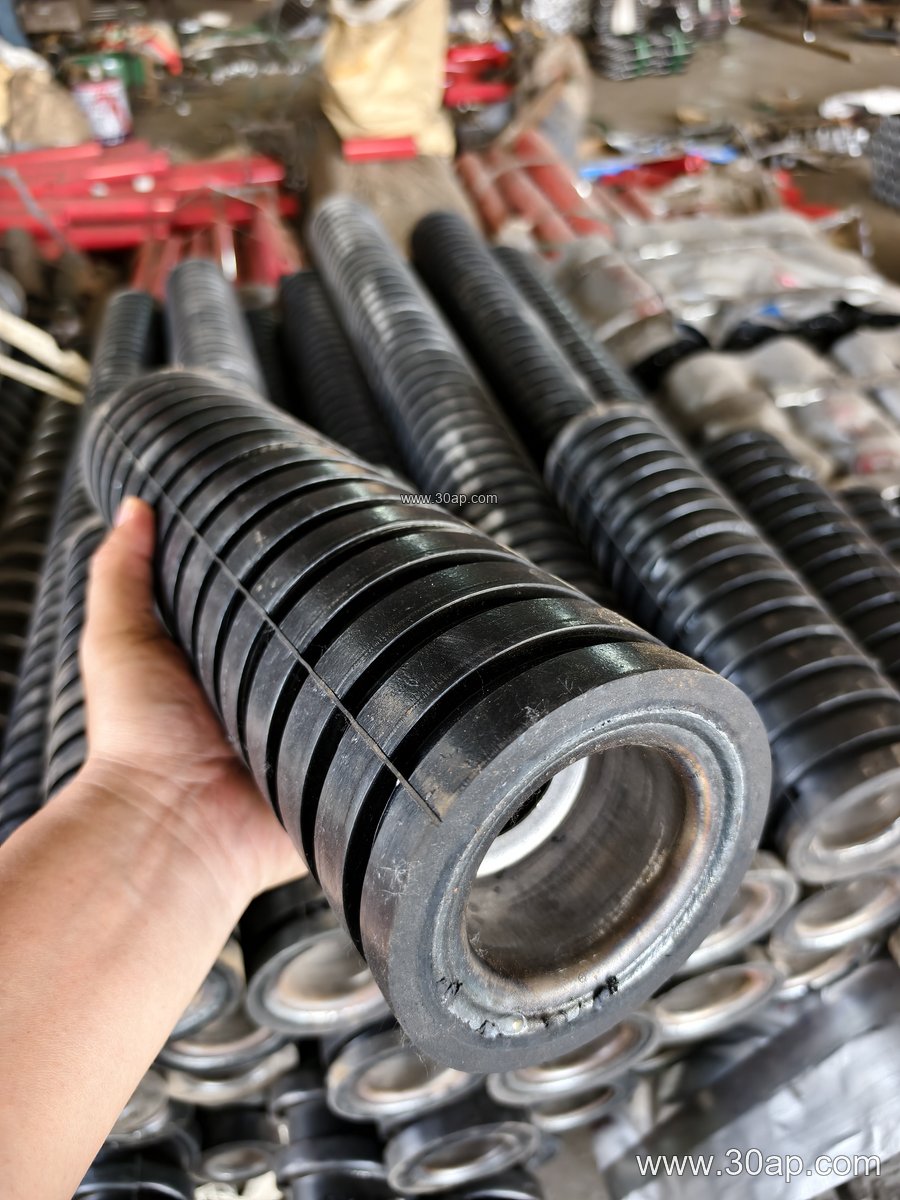
Construction of the Idler Roller
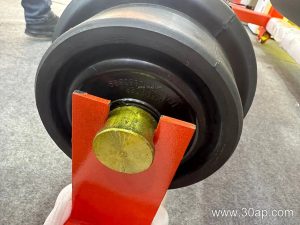
A typical idler roller is built from a steel tube shell, two bearing housings, a shaft, and a sealing arrangement. The shell may be plain steel, nylon-coated, ceramic-covered, or fitted with rubber rings for impact absorption. Bearings are usually deep groove ball bearings in sizes such as 6204, 6205, 6305, 6306, 6308, or 6310, chosen by load and speed rather than by a fixed rule tied to one shell diameter. Sealing is critical in dusty service, because fine ore or coal dust that reaches the bearing shortens life quickly.
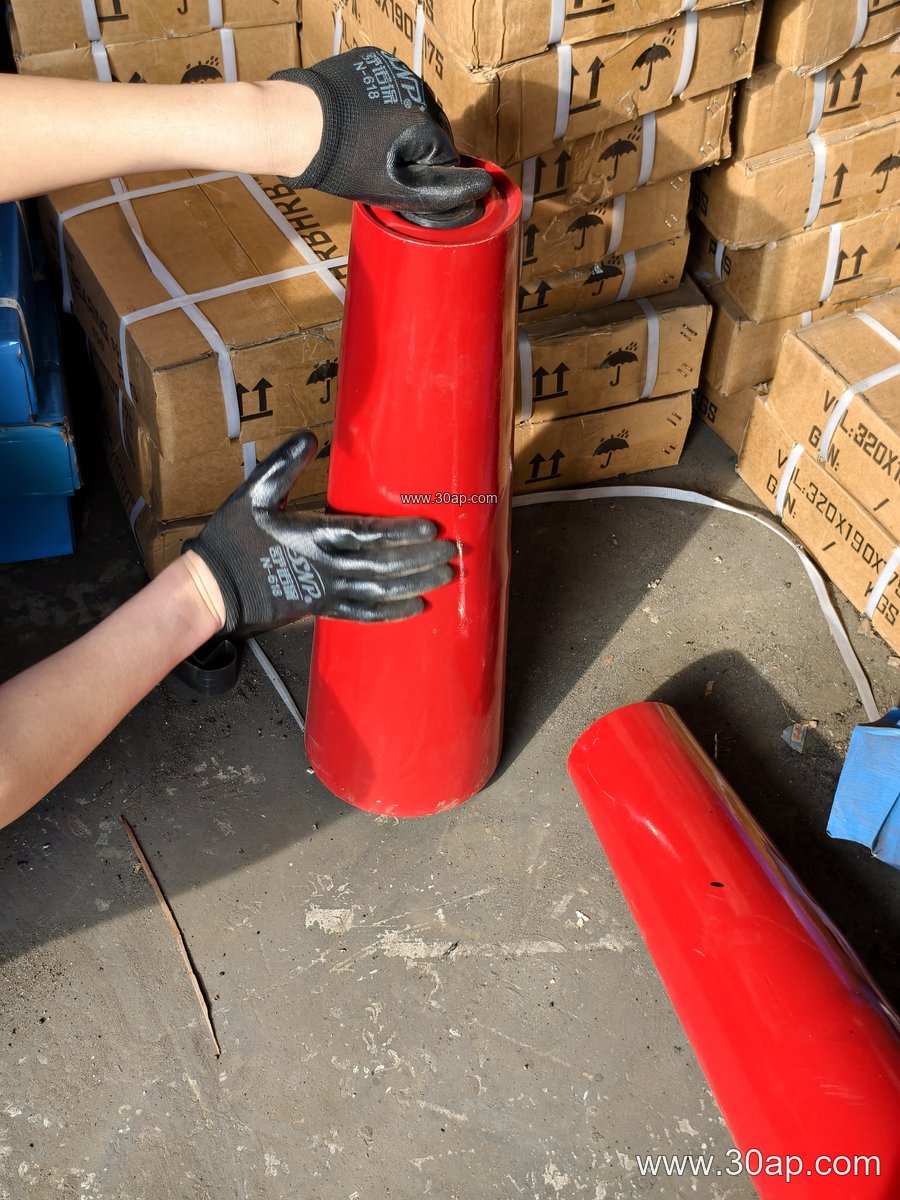
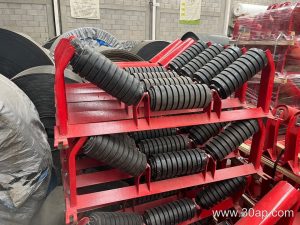
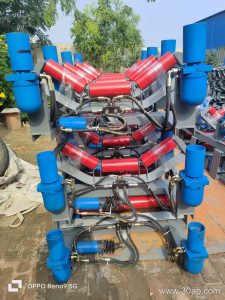
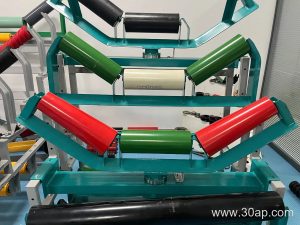
The idler sits in a conveyor bracket or frame that fixes its position and sets the trough angle. On the carrying side, a three-roll troughing set is common; on the return side, a single flat roll or a V-shaped return set is used. Transition idlers near the head and tail help the belt change from flat to troughed without stress.
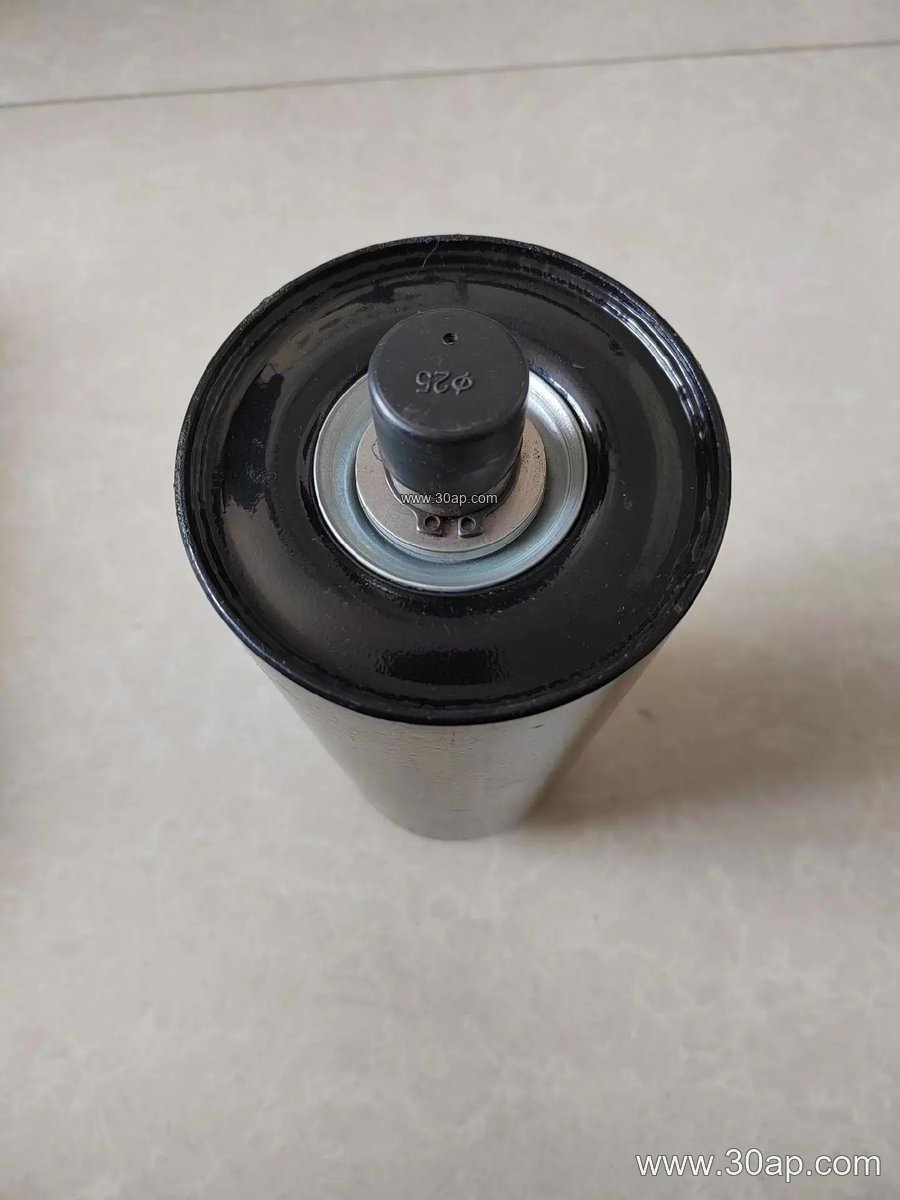
Common Sizes and Arrangements
Idler diameter and belt width are related but not locked together. A wider belt usually needs a larger roll and a longer shaft span, but the final choice depends on load, speed, and the conveyor design. The table below gives reference values often used in planning; actual supply is confirmed against the conveyor drawing.
| Item | Reference values |
|---|---|
| Roll diameter | Ø63, Ø76, Ø89, Ø102, Ø108, Ø127, Ø133, Ø159, Ø178, Ø194, Ø219 mm |
| Belt width | B400, B500, B650, B800, B1000, B1200, B1400, B1600, B1800, B2000 mm |
| Trough angle | 20, 30, 35, 45 degrees |
| Roller set | single roll, two-roll, three-roll troughing |
| Roll length example, three-roll troughing | about 200 mm at B500, 315 mm at B800, 465 mm at B1200, 600 mm at B1600 |
These figures are examples, not fixed pairings. Center rolls and side rolls in the same set can differ in length, and the trough angle changes the geometry. A buyer should always match the idler to the belt width, the frame, and the material being carried.
Matching the Idler to the Conveyor Belt
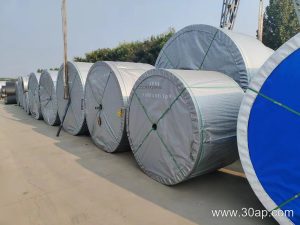
The belt itself influences idler choice. A heavy-duty mining conveyor belt carrying iron ore or copper ore puts more load on each roll than an aggregate conveyor belt moving sand and gravel. Heat resistant conveyor belt used near a sinter or clinker line may need idlers that tolerate warm shells, while a flame retardant conveyor belt in an underground coal mining conveyor belt system calls for careful attention to the whole installation. The idler does not carry a fire rating on its own, but its bearings and seals must survive the same dusty, sometimes wet environment.
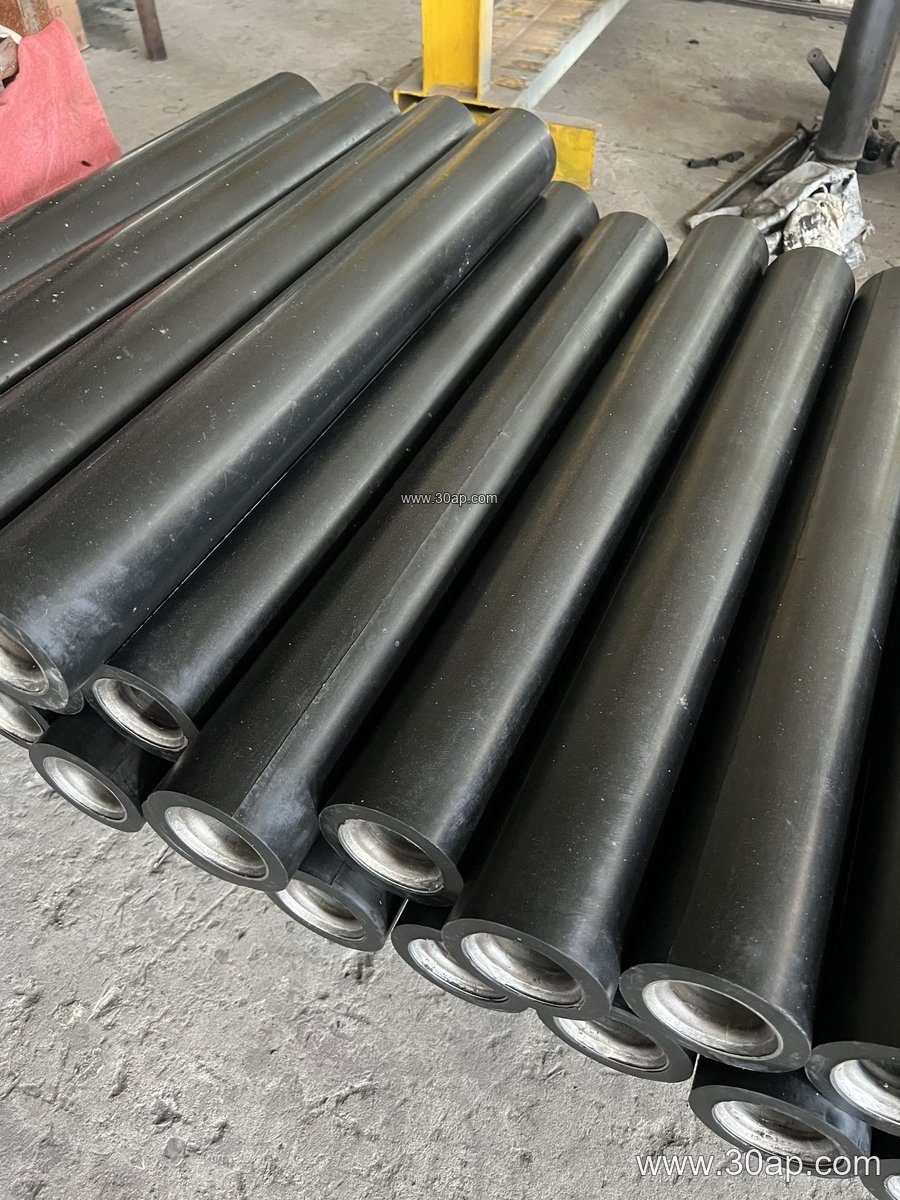
Where material is dropped onto the belt at a transfer point, impact idlers with rubber rings protect both the belt and the roller. Along the return run, a spiral or plain return roll keeps the belt tracking. In long overland lines, a pipe conveyor belt or a corrugated sidewall conveyor belt changes the frame layout, and the idler spacing is set by the conveyor designer.
What Buyers Should Check Before Ordering
- Roll diameter, shell material, and bearing size should be stated on the drawing, not guessed from belt width.
- Confirm the trough angle and the roll lengths for center and side rolls.
- Ask about sealing and lubrication for the actual site conditions, whether dust, moisture, or washdown.
- Check that the conveyor bracket and frame match the idler shaft ends.
- For replacement orders, record the existing roller set arrangement so the new idlers fit without modification.
On a working line, idler condition is easy to inspect. A seized roller will wear a flat spot on the shell and can damage the belt surface. Checking rotation by hand during shutdowns and listening for noisy bearings is a practical maintenance habit in any quarry, power plant, or port terminal. Replacing a worn idler early is cheaper than repairing a damaged conveyor belt later, and it keeps the whole bulk material conveyor belt system running smoothly.