What a Guide Roller Does on a Conveyor
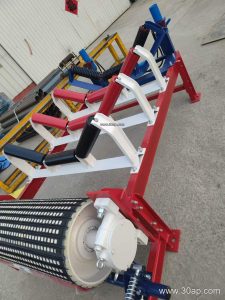
A guide roller is a small-diameter idler used to keep the conveyor belt aligned and supported at critical points along the conveyor structure. Unlike the main carrying idlers that bear the full weight of the material, a guide roller typically sits near the edges of the belt, at transitions, or on the return side to prevent mistracking. In quarry and aggregate lines, for example, a guide roller can be found just after the loading point where the belt is prone to wander. The same component appears in cement plants and power plant coal handling systems, often paired with a sturdy conveyor bracket for quick adjustment. The natural product name is guide roller; an accurate equivalent is belt guide roller, and these terms refer to the same device throughout this article.
Construction and Common Configurations
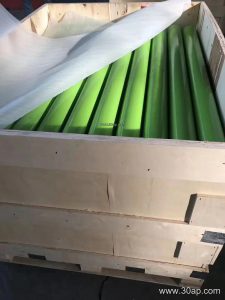
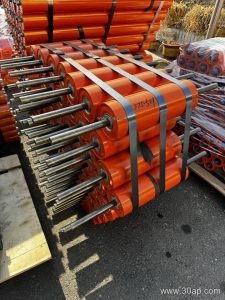
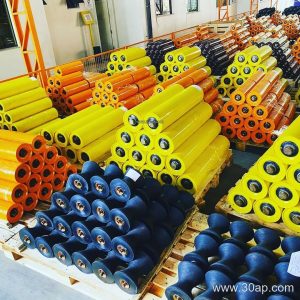
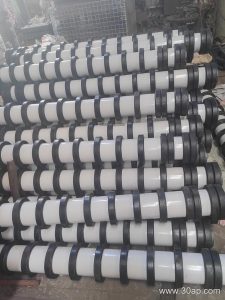
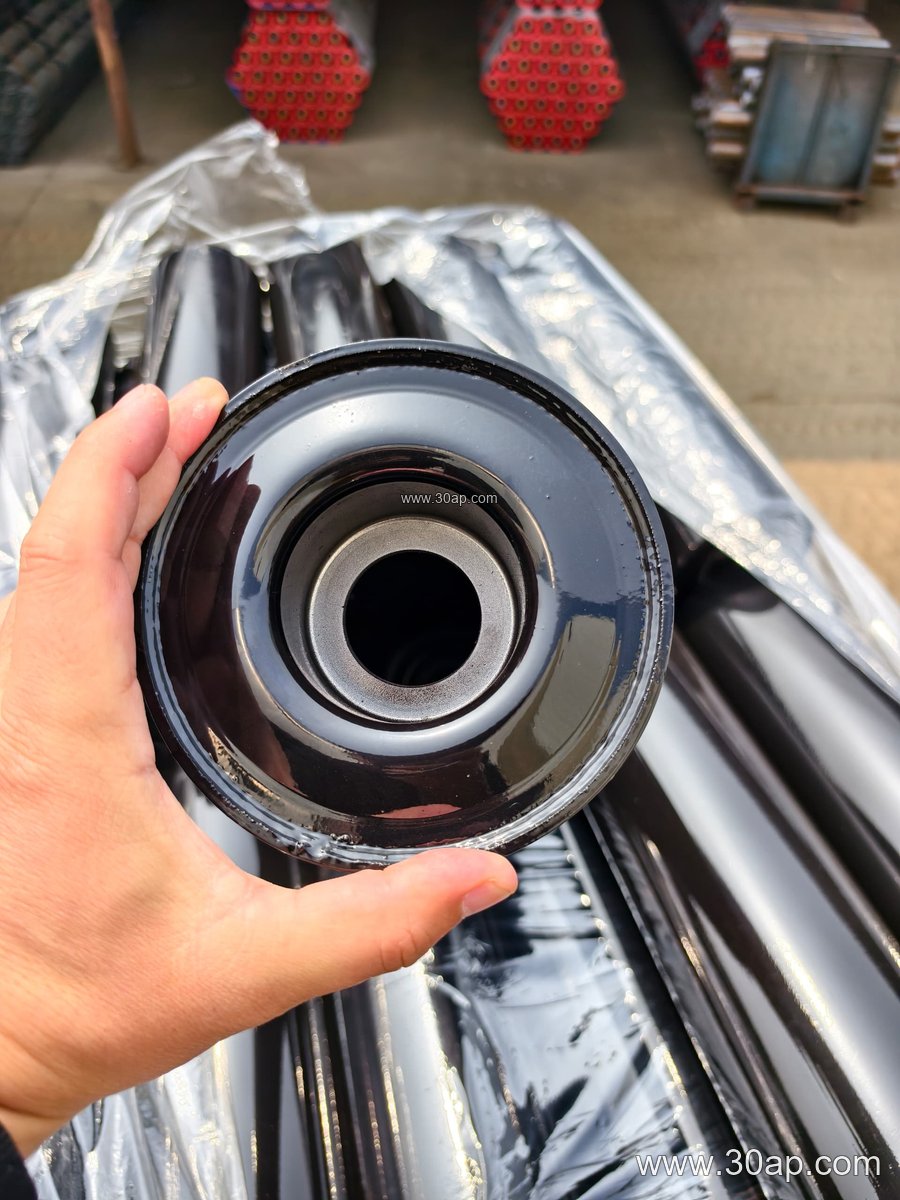
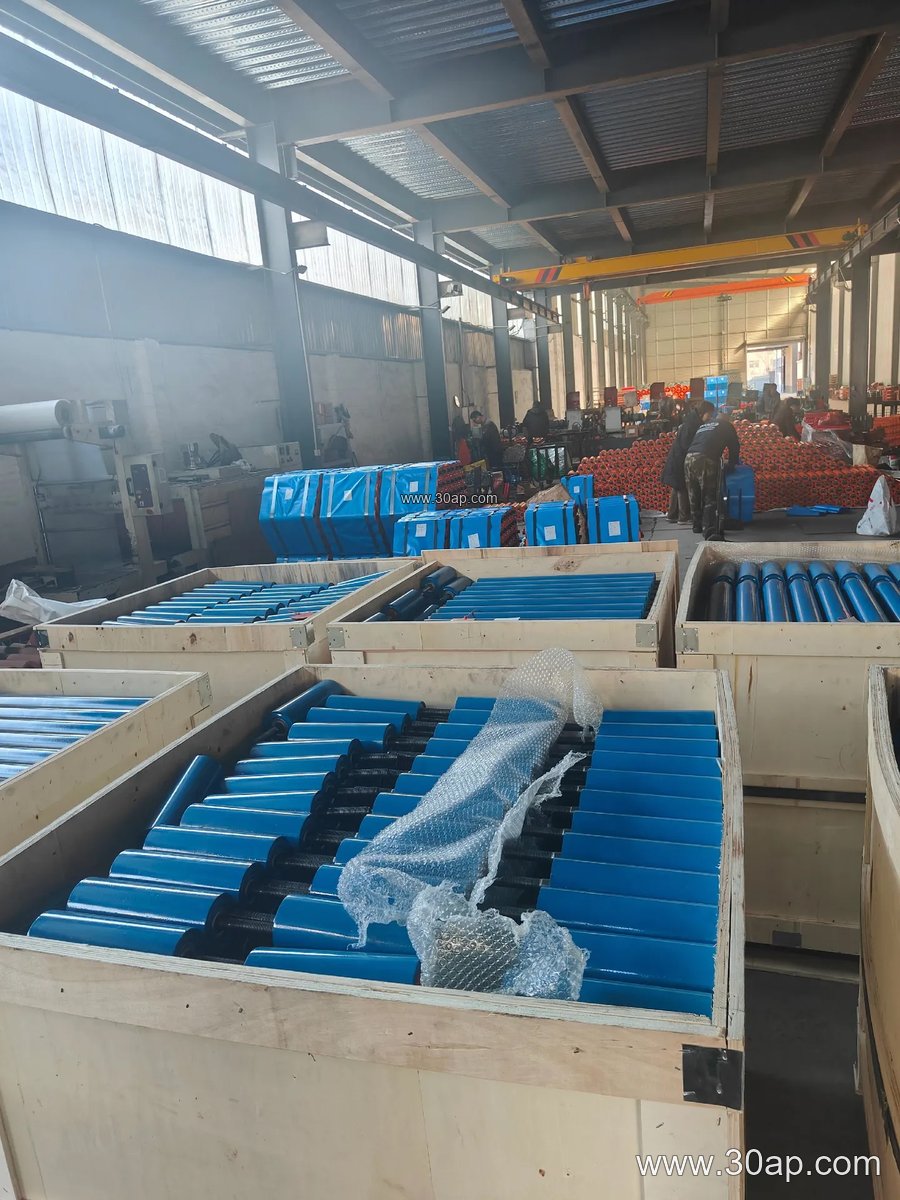
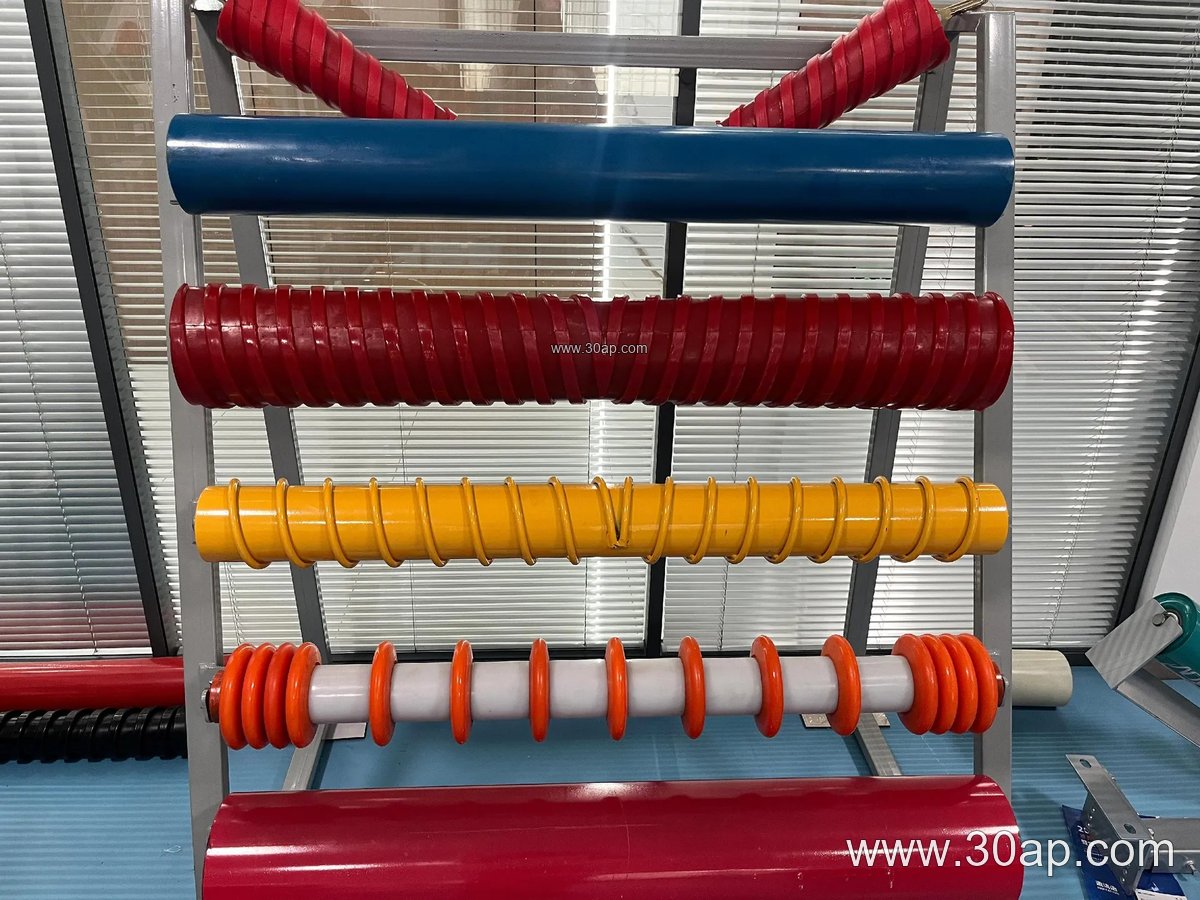
Most guide rollers share the basic architecture of a conveyor idler: a steel tube shell, bearing housings, a shaft, and a sealing arrangement. The roller surface may be plain steel, nylon, ceramic, or covered with rubber rings for grip and noise reduction. Bearing sizes such as 6204, 6205, 6305, and 6306 are common in smaller guide rollers, while larger diameters may use 6308 or 6310. The shell diameter is usually smaller than that of carrying idlers—common sizes include Ø63, Ø76, Ø89, and Ø102 mm—because the guide roller is not designed to carry the main belt load but to steer it. Length varies with belt width and mounting position; a guide roller for a B800 belt might be around 315 mm long, while one for a B1400 system could be 530 mm or more, depending on the frame design. These figures are illustrative and should be confirmed against the actual conveyor layout.
Where Guide Rollers Are Used
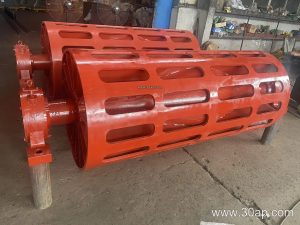
In a limestone mine, guide rollers are often installed on the return strand to keep the belt centered before it enters the tail pulley. In a coal washing plant, they may be placed just ahead of a conveyor pulley to correct tracking after a transfer point. The device is also useful on the carrying side near the edges, especially when the belt is wide and the material load is uneven. A guide roller should not be confused with a training idler that uses a pivoting frame; it is a fixed-position roller that provides a lateral reference. Similarly, it is not a replacement for a drive pulley, tail pulley, or bend pulley—those are entirely different components with distinct functions. For severe tracking problems, a combination of guide rollers and self-aligning idlers may be required, but the guide roller remains the simple, passive element.
Specification Notes for Buyers
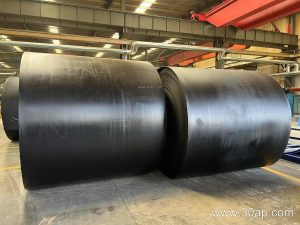
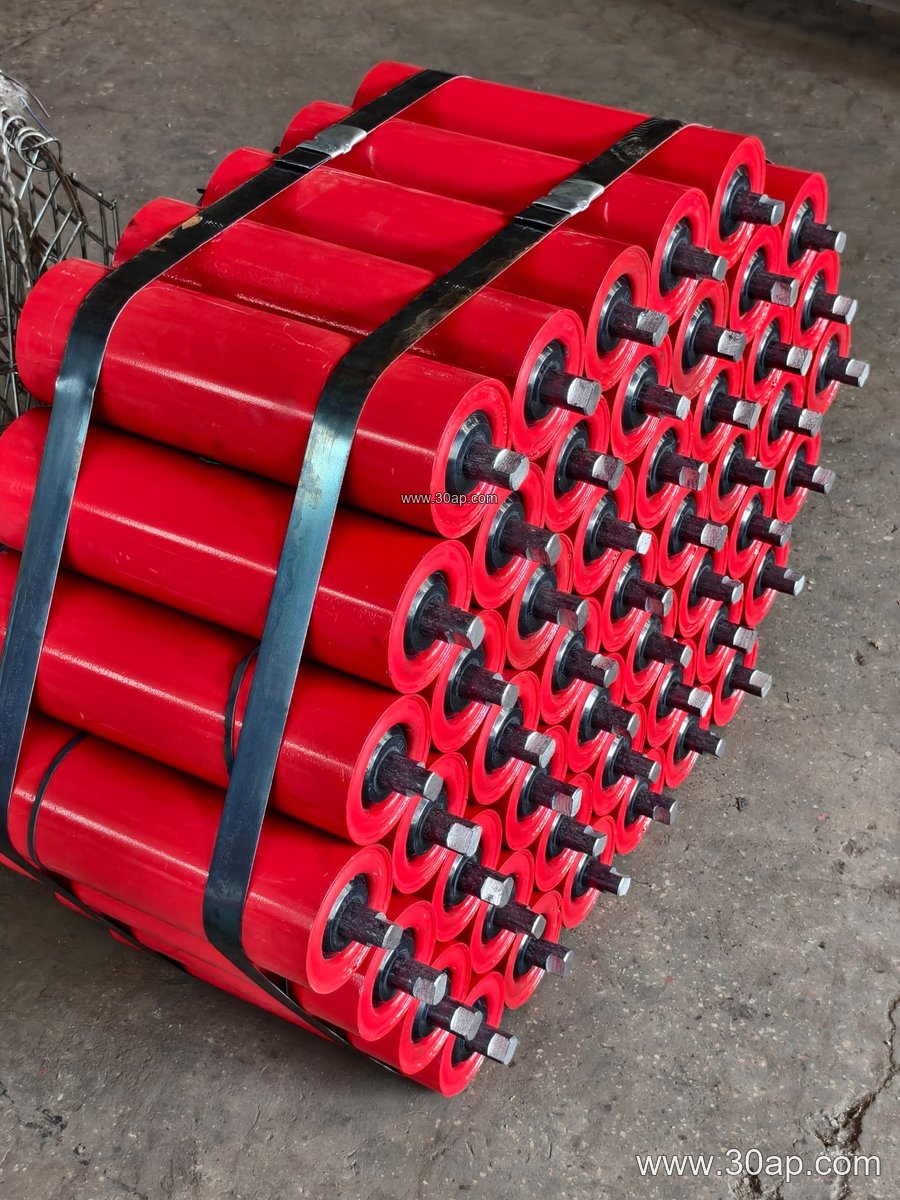
When specifying a guide roller, the key parameters are roller diameter, length, shaft diameter, bearing type, and surface finish. The belt width and trough angle of the adjacent idler set influence the mounting position and the roller length. For reference, common three-roll troughing idlers use roller lengths of about 200 mm for B500, 250 mm for B650, 315 mm for B800, 380 mm for B1000, 465 mm for B1200, 530 mm for B1400, 600 mm for B1600, 670 mm for B1800, and 750 mm for B2000. A guide roller is often shorter than these carrying rolls, but the exact length should be determined by the bracket and frame design. Trough angles of 20, 30, 35, and 45 degrees are typical for carrying idlers; guide rollers are usually mounted flat or at a small angle, so the trough angle mainly matters for the adjacent idler set. Buyers should also consider the environment: in a fertilizer plant or a food-grade application, a nylon or stainless-steel guide roller may be preferred, while in a primary crusher area, a rubber-covered roller can absorb impact and reduce wear. The conveyor belt itself—whether an EP conveyor belt, a steel cord conveyor belt, or a flame retardant conveyor belt—will influence the required tracking force and the roller surface. Always request the manufacturer’s dimensional drawing and confirm that the shaft and bearing arrangement match the conveyor bracket.
Maintenance and Troubleshooting
Guide rollers are low-maintenance items, but they should be inspected for seizing, shell wear, and seal damage. A seized guide roller can flat-spot the belt edge or cause misalignment. In dusty operations such as a quarry or a cement plant, sealed bearings with effective labyrinth seals are important. Lubrication intervals depend on the bearing type and operating speed; many modern guide rollers use lifetime-lubricated bearings. When replacing a guide roller, check the mounting bracket for deformation and verify that the new roller’s length and diameter match the original specification. Keeping a spare guide roller on hand for critical conveyors can reduce downtime.