What a Mining Sealed Idler Does on the Line
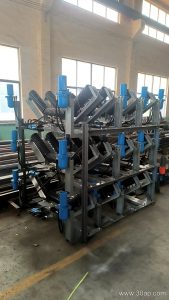
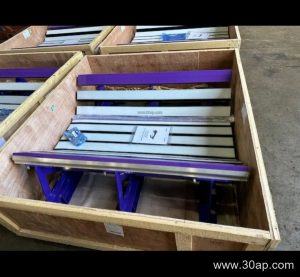
A mining sealed idler is a carrying or return roller built with a protected bearing housing, so grit, fines and washdown water are kept away from the rotating shaft. On a conveyor belt running ore, coal or aggregate, the idler roller supports the belt and the load while letting both move freely. The sealed design is the difference between a roller that lasts a full campaign and one that seizes within weeks in a dusty transfer point.
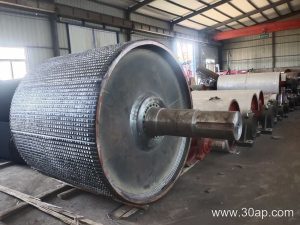
The same product is often ordered as a sealed conveyor idler or a sealed trough idler, depending on how it is mounted. These are accurate equivalents, not different items. Drive pulleys, tail pulleys and bend pulleys are separate components at the ends and corners of the conveyor and are never a substitute for a sealed roller.
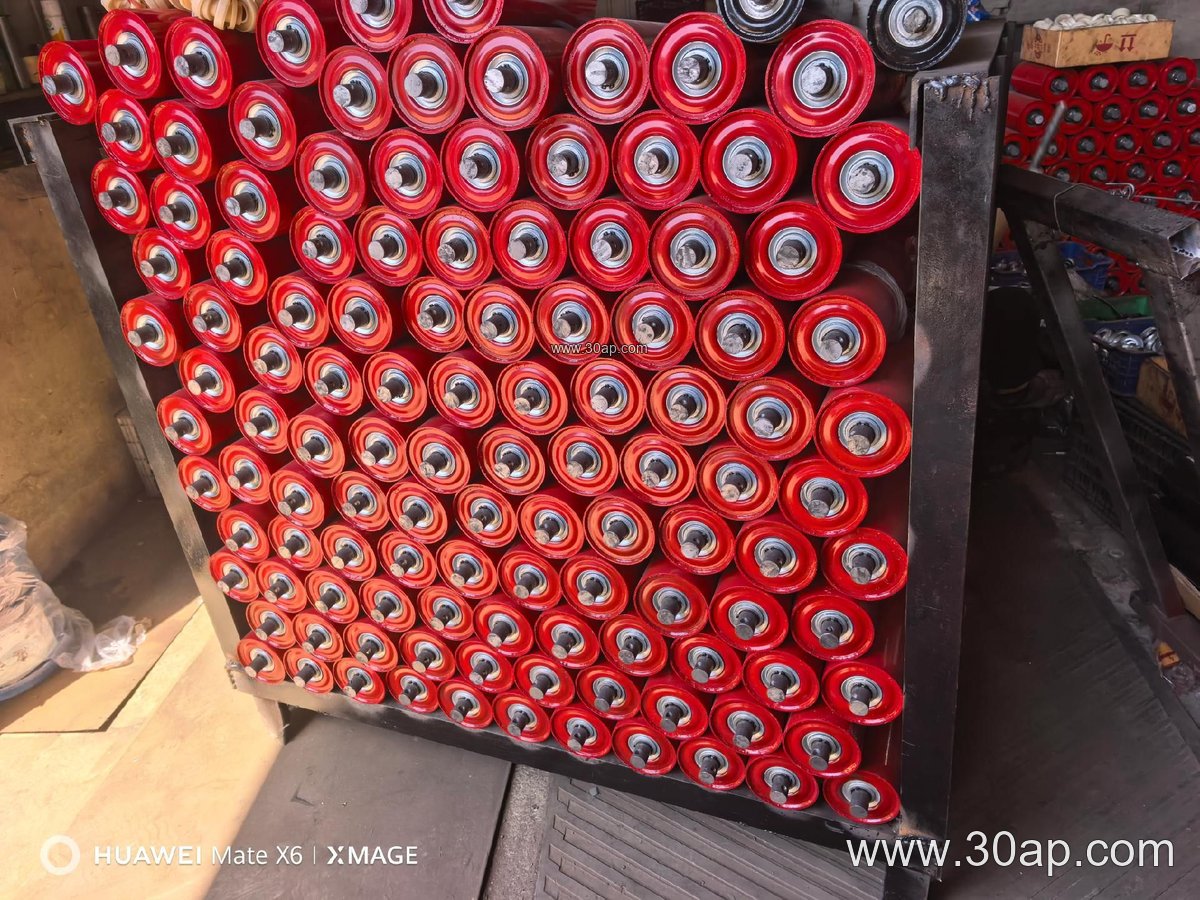
How the Seal and Bearing Housing Are Built
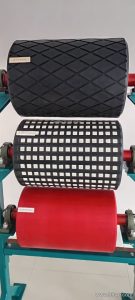
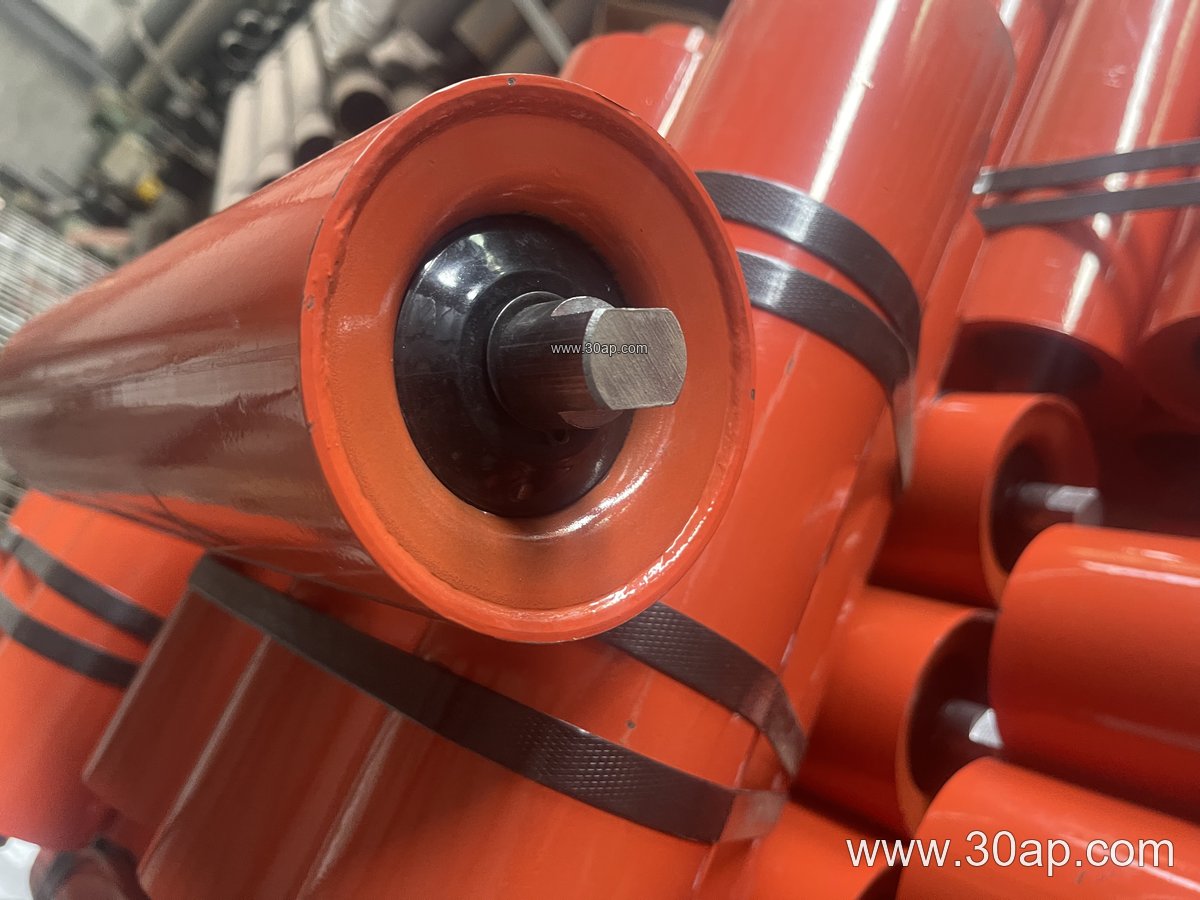
Most designs use a multi-stage labyrinth seal combined with a contact lip seal, packed with grease and capped by an outer shield. The bearing sits in a pressed or machined housing, and the shaft end is protected by a cover that deflects falling material. Roll shell options include steel tube, nylon, ceramic and rubber rings; the rubber ring version is common at loading points where impact is heavy.
Bearing selection follows load and speed rather than belt width alone. Common sizes include 6204, 6205, 6305, 6306, 6308 and 6310. A small roller diameter does not automatically mean a small bearing, and a wide belt does not fix one shaft size. Buyers should confirm the bearing bore, shaft diameter and seal type with the supplier instead of inferring them.
Where Sealed Idlers Fit in Mining and Processing
Typical duty is heavy and dirty. In a copper or iron ore concentrator, sealed rollers handle ore fines and slurry splash. In a coal preparation plant they resist coal dust and wash water. Cement plants use them on clinker and raw meal lines, while power plant coal yards and port ship loaders rely on them where salt air and rain are present. A quarry or aggregate line moving crushed rock benefits from the same protection at transfer chutes.
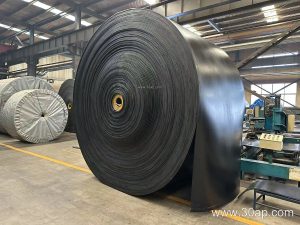
The belt itself matters as much as the roller. A heavy-duty mining conveyor belt such as an EP conveyor belt or a steel cord conveyor belt carries the load, while the sealed idler keeps friction low. Flame retardant conveyor belt grades are common underground, and abrasion resistant conveyor belt covers suit sharp rock. Matching roller spacing and diameter to belt tension keeps the whole conveyor stable.
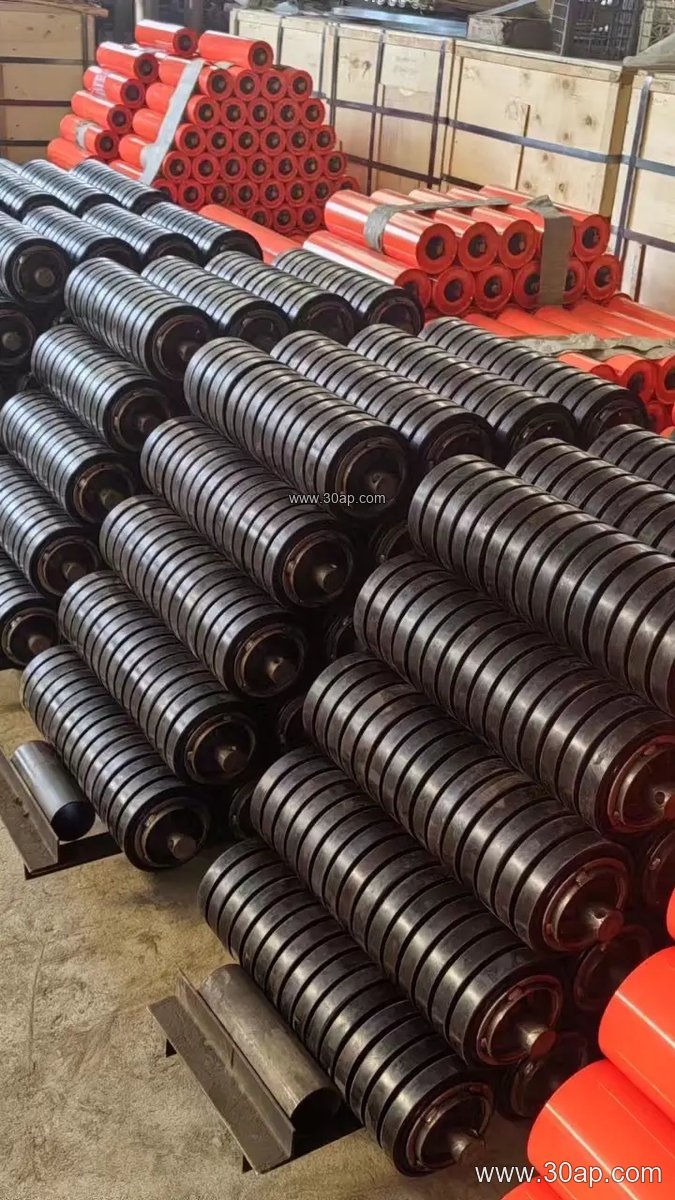
Roller Diameter, Belt Width and Trough Angle
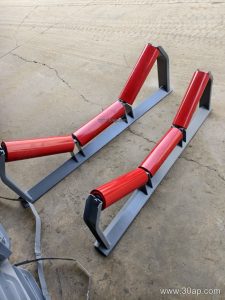
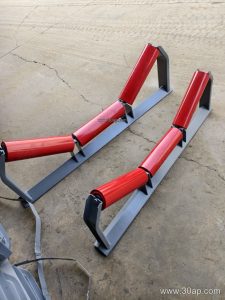
Roller diameter and belt width are chosen together with the trough angle and the idler set form. Three-roll trough sets at 20, 30, 35 or 45 degrees are common; a 35 degree set is widely used for bulk material. Return positions may use a flat roller or a V-return. Roller length changes with belt width, trough angle and set type, so the figures below are reference examples only.
| Item | Common reference values |
|---|---|
| Roller diameter | Ø63, Ø76, Ø89, Ø102, Ø108, Ø127, Ø133, Ø159, Ø178, Ø194, Ø219 |
| Belt width | B400, B500, B650, B800, B1000, B1200, B1400, B1600, B1800, B2000 |
| Trough angle | 20°, 30°, 35°, 45° |
| Roller length, three-roll trough example | about 200 mm at B500, 250 mm at B650, 315 mm at B800, 380 mm at B1000, 465 mm at B1200 |
| Roll surface | steel tube, nylon, ceramic, rubber ring |
| Bearing examples | 6204, 6205, 6305, 6306, 6308, 6310 |
Side rollers and centre rollers can differ in length within the same set. Never assume one belt width maps to one pulley diameter; the conveyor pulley at the head end is sized by drive duty, not by the roller table.
Buyer Checklist Before Ordering
- Confirm the mounting position: carrying, impact, return or transition.
- State belt width, trough angle and set form so roller length can be calculated.
- Ask for the seal arrangement and bearing number, not just the roller diameter.
- Check shell material against the material handled, especially at crusher discharge.
- Verify shaft end fixing and conveyor bracket dimensions against the existing frame.
- Confirm operating temperature and whether washdown or chemical splash occurs.
Maintenance Notes
Sealed idlers need less greasing than open types, but they still fail when the outer shield is damaged. Walk the line for stopped rollers, uneven belt tracking and built-up material on the shell. Replace a seized roller promptly, because a locked idler roller will wear the belt cover and raise drive load. Keep spare rollers in the common diameters used on that conveyor so a single failure does not stop the shift.