What an EP Fabric Core Conveyor Belt Is
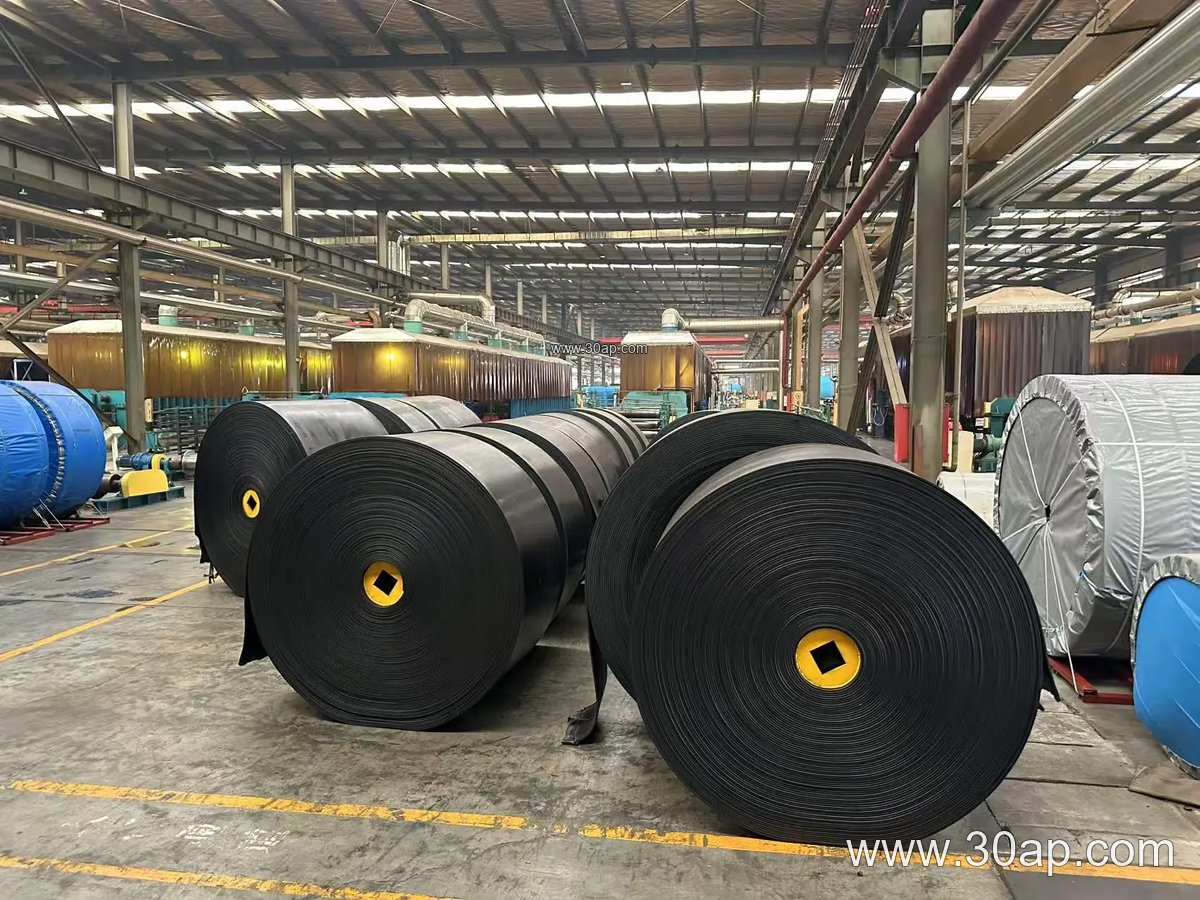
An EP Fabric Core Conveyor Belt is a rubber conveyor belt built around a carcass of polyester (E) and nylon (N) woven fabric. This EP fabric core gives the belt high strength, low elongation, and good resistance to impact and fatigue. It is a common choice for moving bulk materials in quarry, mining, cement, power, and aggregate operations. The belt is often called an EP conveyor belt or EP rubber conveyor belt, and these names refer to the same product.
Because the carcass is fabric rather than steel cord, an EP Fabric Core Conveyor Belt is lighter and more flexible than a steel cord conveyor belt of similar strength. That flexibility helps it train well on conveyor pulleys and idler rollers, especially on conveyors with moderate transitions and smaller pulley diameters.
How the Belt Is Built
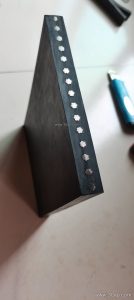
The carcass usually consists of two to six plies of EP fabric, bonded with rubber skim compound. The number of plies and the fabric weight determine the belt’s tensile strength. Cover rubber is applied to both the top and bottom surfaces. Common cover thickness combinations include 3+1.5 mm, 4+2 mm, 5+2 mm, 6+2 mm, and 8+3 mm, though actual thickness is specified by design and application. The top cover protects against abrasion and impact, while the bottom cover runs against idler rollers and pulleys.
Edge construction is important. Cut edges are common, but some belts are molded-edge for better resistance to fraying in wet or abrasive conditions. The rubber compound can be formulated for special service, such as abrasion resistant conveyor belt, heat resistant conveyor belt, oil resistant conveyor belt, flame retardant conveyor belt, anti-static conveyor belt, or cold resistant conveyor belt.
Typical Applications Across Industries
EP Fabric Core Conveyor Belts are widely used in:
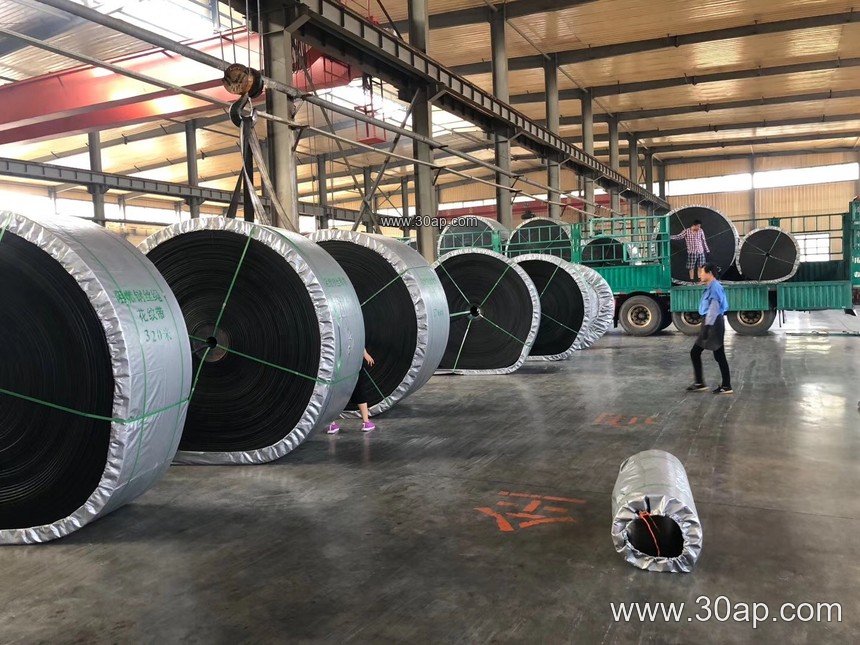
- Quarries and sand and gravel plants, where abrasion resistant conveyor belts handle crushed stone and aggregate.
- Coal mining and underground coal mining, where flame retardant and anti-static properties are often required.
- Cement plants, for clinker, limestone, and raw meal transport.
- Power plants, for coal and ash handling.
- Steel plants, foundries, and ports, for ore, coke, and bulk material handling.
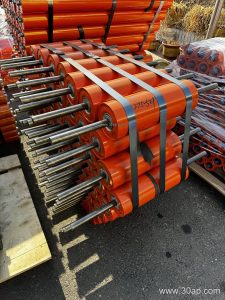
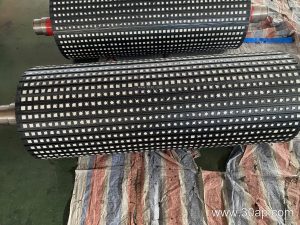
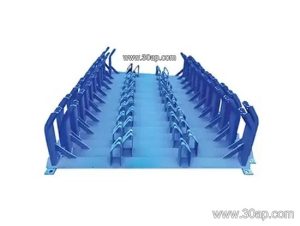
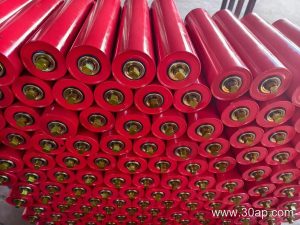
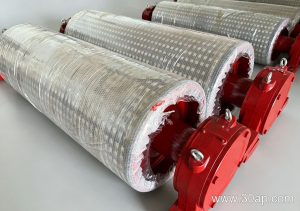
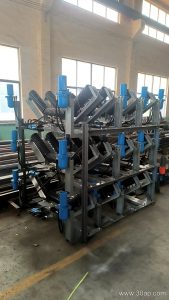
In these settings, the belt works together with conveyor pulleys, idler rollers, and conveyor brackets. Drive pulleys, tail pulleys, and bend pulleys each have a distinct role, and the belt must be selected to match the conveyor design, not the other way around.
Common Strength Grades and Sizes
EP conveyor belts are available in several strength grades. The table below shows typical nominal tensile strengths. These are reference values, not a fixed specification for every manufacturer or every conveyor.
| Grade | Nominal Tensile Strength |
|---|---|
| EP200 | 200 N/mm |
| EP315 | 315 N/mm |
| EP400 | 400 N/mm |
| EP500 | 500 N/mm |
| EP630 | 630 N/mm |
| EP800 | 800 N/mm |
| EP1000 | 1000 N/mm |
| EP1250 | 1250 N/mm |
| EP1600 | 1600 N/mm |
| EP2000 | 2000 N/mm |
Belt widths commonly range from 500 mm to 2000 mm, with 650 mm, 800 mm, 1000 mm, 1200 mm, 1400 mm, and 1600 mm being frequent choices. A wide conveyor belt may be needed for high tonnage, while a narrower belt suits compact layouts. The belt width must be matched to the load and the conveyor’s pulley and idler dimensions; no single width fits every pulley diameter.
Selection and Maintenance Notes
When choosing an EP Fabric Core Conveyor Belt, consider the material being carried, lump size, abrasion, temperature, oil exposure, and fire risk. For heavy-duty mining conveyor belt service, a higher grade such as EP630 or EP800 may be appropriate, while a cement plant might select an abrasion resistant grade. If the conveyor runs underground, flame retardant and anti-static properties are often specified.
Maintenance starts with correct installation and tension. Check that idler rollers turn freely, pulleys are aligned, and brackets are secure. Avoid material buildup on pulleys, which can damage the belt edge. Inspect splices and covers regularly, and repair small cuts before they grow. Keeping the belt clean and properly tensioned extends service life and protects the conveyor structure.
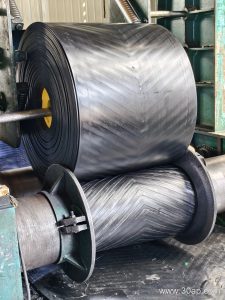
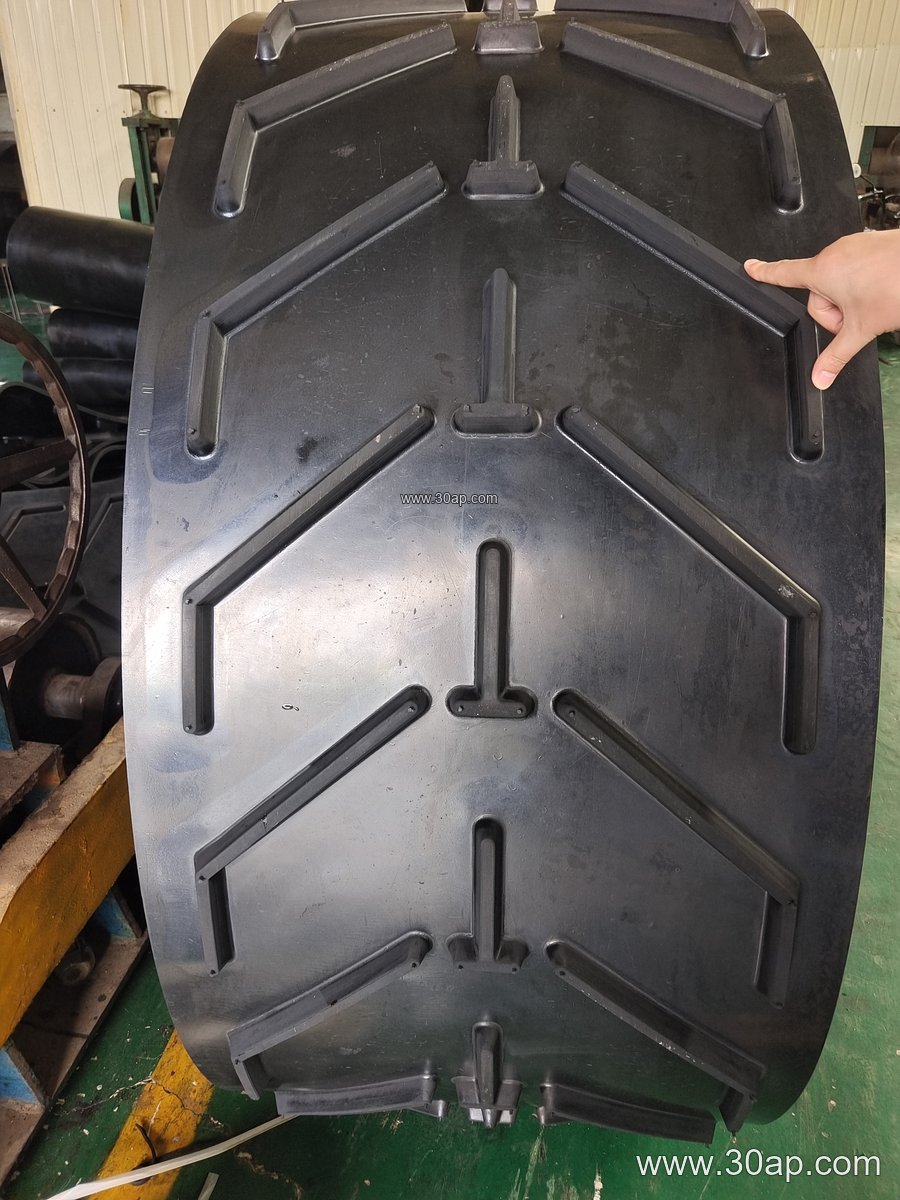
For specialized needs, other belt types exist, such as NN conveyor belt, steel cord conveyor belt, chevron conveyor belt, corrugated sidewall conveyor belt, and pipe conveyor belt. Each has its place, but the EP Fabric Core Conveyor Belt remains a versatile, cost-effective solution for many bulk handling operations.