What a Five-Roll Idler Bracket Does
A five-roll idler bracket is a support frame that carries five idler rollers under the belt line instead of the usual three. It is typically used where a wider conveyor belt needs extra support across its width, or where the material load is heavy enough that a three-roll arrangement would leave the belt sagging between rollers. The bracket holds the rolls at set trough angles, keeping the belt in a stable U shape so bulk material stays centered on the run.
In practice, this five-roll bracket is a troughing bracket variant. It sits on the carrying side of the conveyor and works together with the conveyor belt, idler roller set, and the conveyor pulley at each end of the run. On long overland lines, quarry conveyors, and power plant coal handling systems, the extra roll pair helps spread the load and reduce belt stress at the edges.
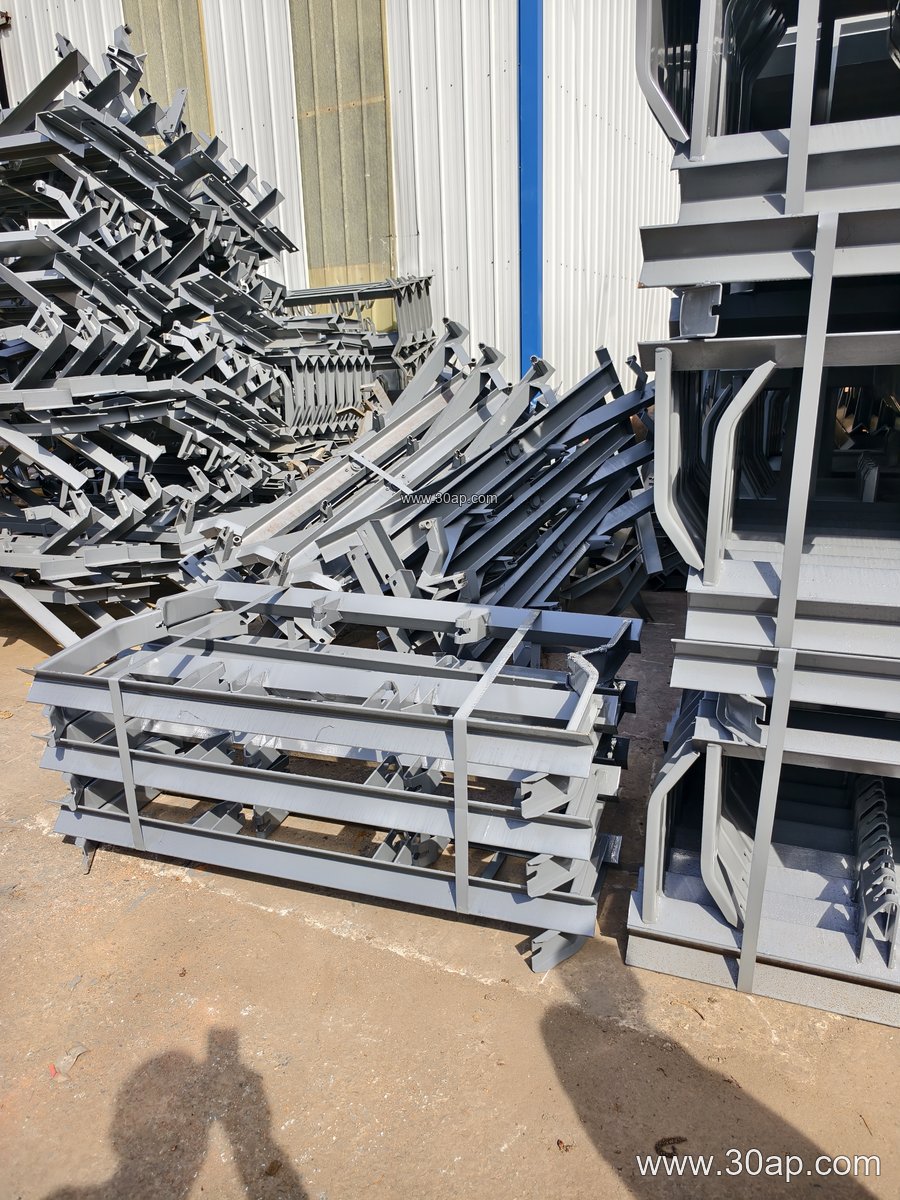
How the Bracket Is Built
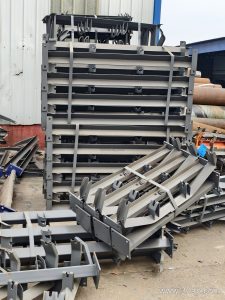
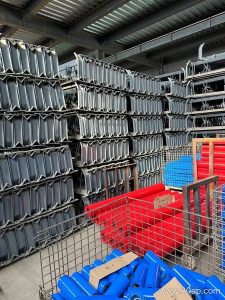
Most five-roll idler brackets are fabricated from angle steel, channel steel, or folded steel plate. The frame has a central horizontal section and two inclined wings, with mounting slots for each idler roller. The two outer rolls sit at a steeper angle than the inner pair, which is what gives the five-roll layout its deeper trough profile compared with a standard three-roll bracket.
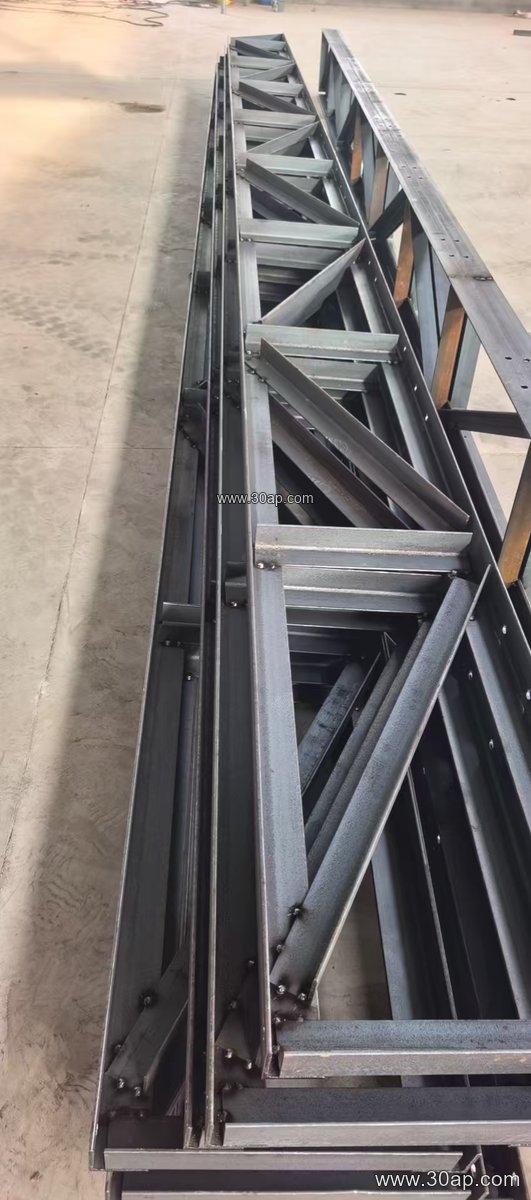
- Frame material: angle steel, channel steel, or bent plate
- Roll positions: two outer inclined rolls, two inner inclined rolls, one center roll
- Mounting: bolted to the conveyor stringer or cross beam
- Adjustment: fixed or adjustable trough angle versions
Because the roll spacing and beam length follow the belt width and trough angle, a five-roll bracket is usually made to order rather than picked from a single stock size.
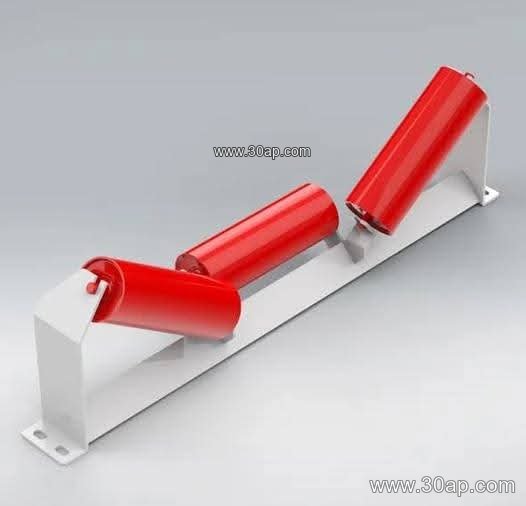
Trough Angles and Belt Widths
Trough angle choice affects how well the belt holds material. Common angles for five-roll brackets are 20, 30, 35, and 45 degrees, with adjustable brackets able to move between these settings. Wider belts and higher tonnages often call for a deeper trough, but there is no fixed rule that ties one belt width to one angle.
| Belt Width | Typical Trough Angle | Common Roll Diameter |
|---|---|---|
| B650 | 30 degrees | Ø89 |
| B800 | 35 degrees | Ø108 |
| B1000 | 35 degrees | Ø108 or Ø133 |
| B1200 | 45 degrees | Ø133 |
| B1400 | 45 degrees | Ø133 or Ø159 |
| B1600 | 35 to 45 degrees | Ø159 |
These combinations are common examples, not mandatory matches. Final selection depends on belt stiffness, load, speed, and the design of the conveyor structure.
Where Five-Roll Brackets Fit
Five-roll idler brackets suit wide belt lines in crushing and screening plants, cement plants, and port ship loading systems where the belt must stay flat and centered under a heavy load. In a sand and gravel line, a five-roll bracket on the carrying side can reduce edge wear on an abrasion resistant conveyor belt. In a steel plant or sinter plant, the deeper trough helps contain hot or dense material.
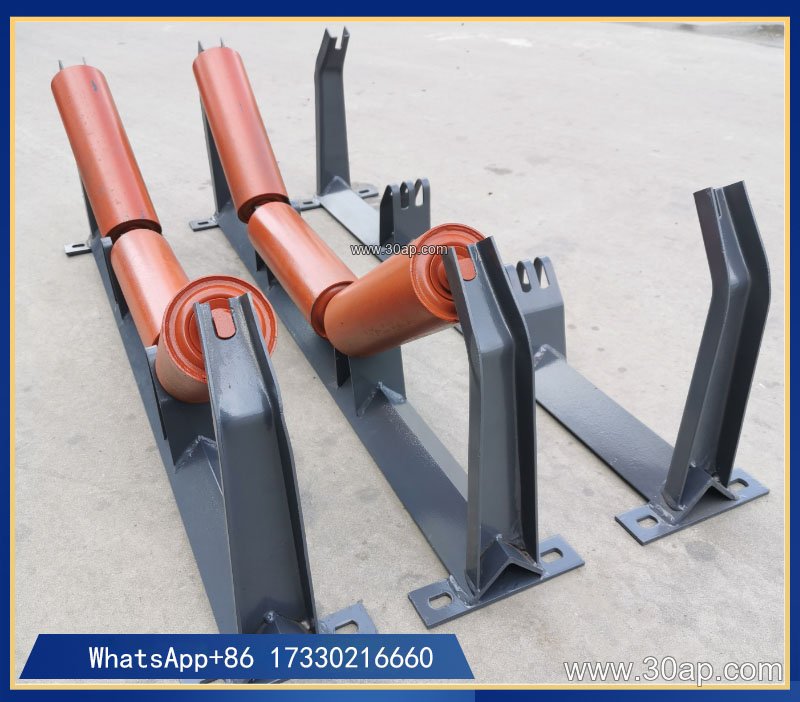
They also appear on transfer points and curved sections where belt tracking matters. On a coal mining conveyor belt or an underground mining conveyor belt, a well-set five-roll bracket can lower the risk of material spillage along the run.
Buyer Checklist
- Confirm belt width and the trough angle the conveyor was designed for.
- Match the idler roller diameter to the bracket roll seats and shaft ends.
- Check mounting hole spacing against the existing stringer or cross beam.
- Decide between fixed and adjustable brackets based on how often the angle may change.
- Confirm frame finish and thickness suit the site conditions.
A five-roll idler bracket is a simple steel frame, but the fit between bracket, roll, and belt determines how smoothly the line runs. Buyers who check dimensions and angle before ordering avoid the common problem of a bracket that fits the belt but not the structure.