What a Polyurethane Idler Is
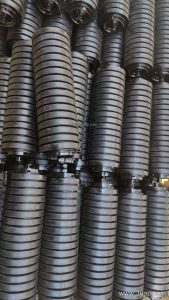
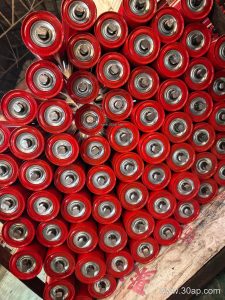
A polyurethane idler is a conveyor idler roller whose outer surface is formed from polyurethane rather than plain steel, nylon, or rubber. It sits under the belt or on the return strand, supporting the conveyor belt and keeping it tracking through the load zone. In many plants the polyurethane idler is chosen where a steel roller would wear too fast, where material sticks to the shell, or where noise and belt marking matter. The core is usually a steel tube with welded end discs and a shaft, and the polyurethane layer is bonded or cast onto that tube.
Buyers sometimes call this item a PU idler roller or a polyurethane-coated idler. Those names describe the same product. A polyurethane idler is not a drive pulley, a tail pulley, or a bend pulley; those are conveyor pulleys that transmit power or change belt direction, and they are not interchangeable with idlers.
How the Roller Is Built
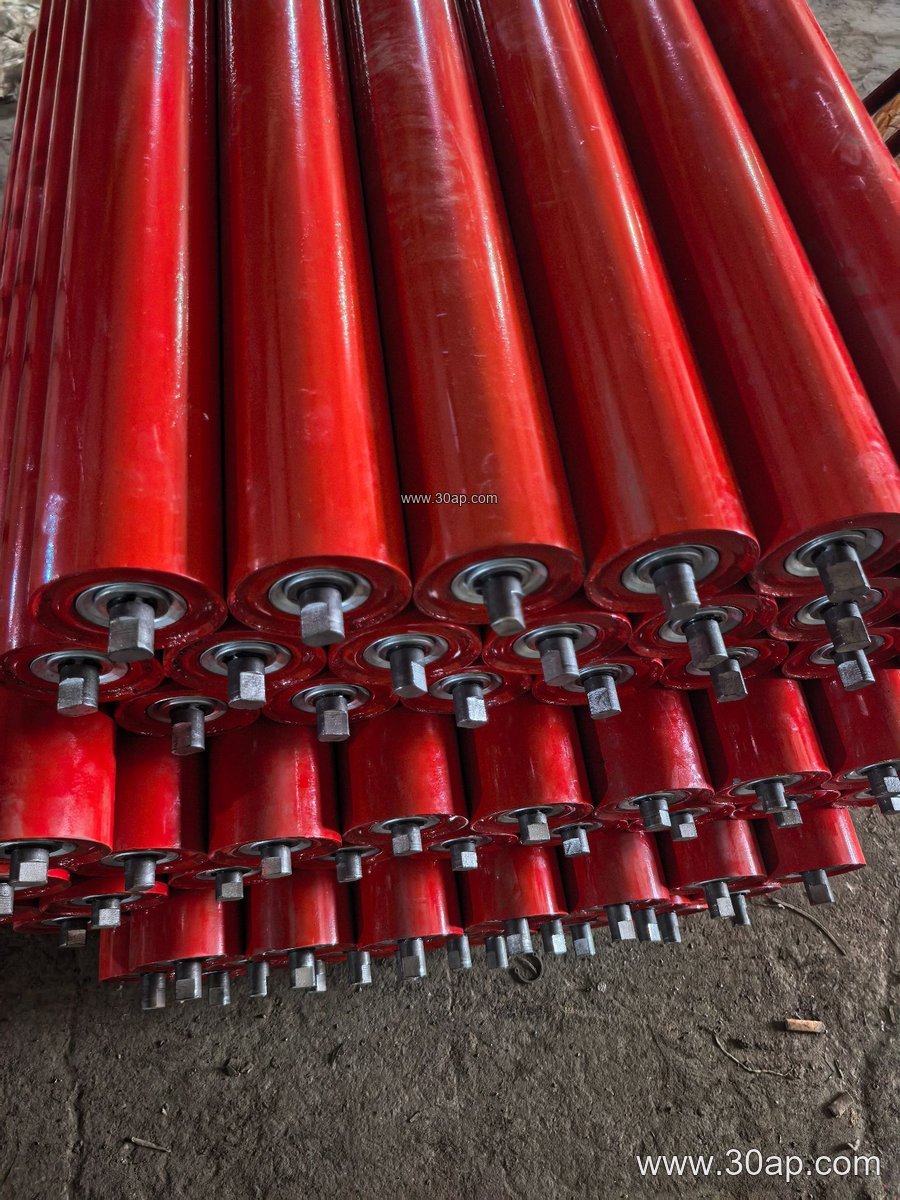
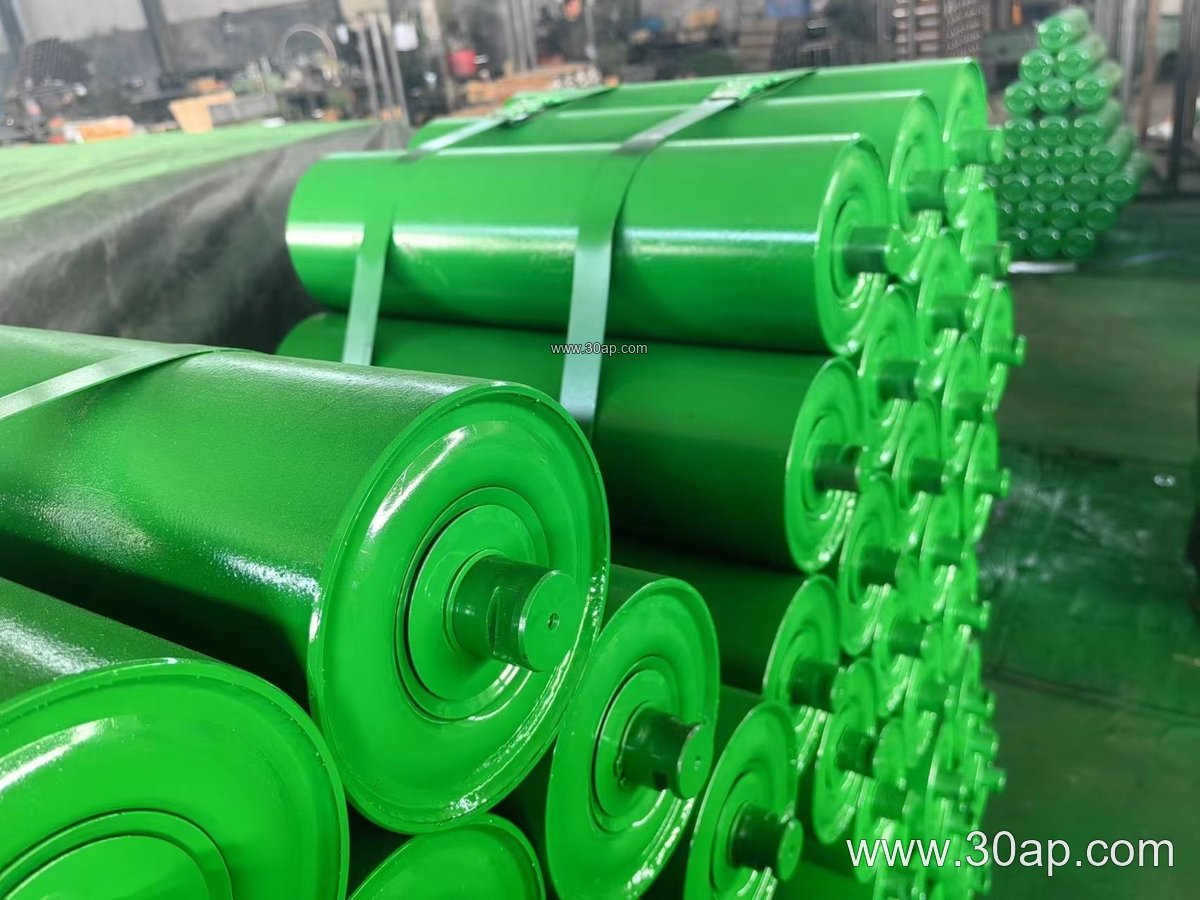
The typical construction starts with a steel tube shell, a through shaft, and bearing housings at each end. Seals protect the bearings from dust and water, which matters in a quarry or a cement plant. The polyurethane cover is applied to the shell to a defined thickness and hardness, then finished to a consistent diameter. Because the cover is not metal, it grips the belt differently from a steel roll and can absorb some impact from lumps.
Common bearing sizes for idlers include 6204, 6205, 6305, 6306, 6308, and 6310, but no single bearing is tied to one roller diameter. Roller diameter and bearing choice follow the load and the frame design, not a fixed rule. Wall thickness and shaft diameter are set by the idler maker’s design, and a buyer should not assume a shaft size from belt width alone.
Where It Fits on the Conveyor
A polyurethane idler can appear in several positions. Troughing idlers carry the loaded strand, return idlers support the empty belt, and impact idlers sit below the loading point. A polyurethane surface is often useful on return runs where sticky fines build up, and in load zones where a steel shell would dent. It can also serve as a training idler in a self-aligning frame, though the frame type and the roller cover are separate decisions.
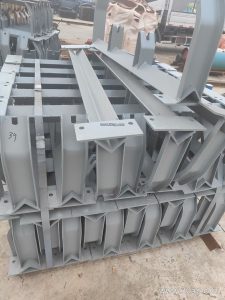
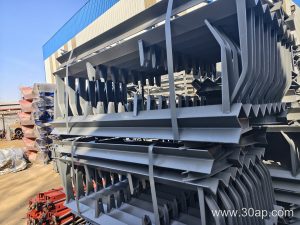
The idler works together with the conveyor bracket that holds the shaft, and with the conveyor pulley at the head and tail. In a coal mining conveyor or a power plant coal handling line, dust and moisture are constant, so seal quality and cover adhesion deserve attention. In an aggregate conveyor or a crusher conveyor, impact and abrasion are the main concerns.
Common Sizes and Arrangements
The table below shows reference data only. Actual roller length, diameter, and bearing set are confirmed by the idler supplier for each conveyor design.
| Item | Common reference values |
|---|---|
| Roller diameter | Ø63, Ø76, Ø89, Ø102, Ø108, Ø127, Ø133, Ø159, Ø178, Ø194, Ø219 mm |
| Belt width | B400, B500, B650, B800, B1000, B1200, B1400, B1600, B1800, B2000, B2200, B2400 |
| Trough angle | 20°, 30°, 35°, 45° |
| Idler set | single roll, two-roll, three-roll troughing |
| Roller surface | steel tube, nylon, ceramic, rubber ring, polyurethane |
| Bearing | 6204, 6205, 6305, 6306, 6308, 6310 |
For a three-roll troughing set, a common roller length might be about 200 mm at B500, 250 mm at B650, 315 mm at B800, 380 mm at B1000, 465 mm at B1200, 530 mm at B1400, 600 mm at B1600, 670 mm at B1800, and 750 mm at B2000. These are examples, not fixed pairs, and side rollers can differ from the center roller.
Selection Points for Buyers
- Confirm the belt width and the trough angle before choosing a roller length.
- Check the load per idler and the belt speed, since a polyurethane cover has limits on heat and cut resistance.
- Ask about cover hardness and thickness, and about the seal design for dusty or wet service.
- Match the idler to the conveyor bracket and frame, not only to the belt.
- For hot material, a heat resistant conveyor belt may be needed alongside a suitable idler choice.
Polyurethane idlers are often considered in sand and gravel lines, limestone quarries, and iron ore handling, where fines and moisture shorten the life of plain steel rolls. They also appear in fertilizer and grain handling, where belt marking and residue are concerns. In each case the idler is one part of the system, working with the conveyor belt, the conveyor pulley, and the supporting frame.
Installation and Maintenance
Keep the idler shaft aligned and the bracket bolts tight. A loose conveyor bracket lets the roller tilt and the belt drift. Check for cover wear, cuts, and flattening at the load point, and replace a roller before the polyurethane layer exposes the steel shell. Grease or sealed-for-life bearings should be checked according to the maker’s instructions, not on a fixed schedule copied from another plant.
Spare parts planning should record the roller diameter, face length, bearing number, and frame type for each position. That record makes it easier to order a replacement polyurethane idler and avoids mixing it with a drive pulley or a tail pulley in the same order.