What a Belt Conveyor Return Idler Does
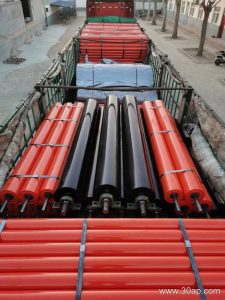
A Belt Conveyor Return Idler is the roller assembly that supports the empty, returning strand of a conveyor belt on its way back to the tail end. While the carrying side gets most of the attention, the return run quietly determines how much drag the drive must overcome and how well the belt tracks. In a quarry, a cement plant, or a power plant coal yard, a seized return roller can score the belt cover, raise motor current, and eventually cause a mistracking failure.
The return idler is not a pulley. Drive pulleys, tail pulleys, and bend pulleys transmit motion or change belt direction; the return idler simply carries the belt and limits sag between support frames. That distinction matters when ordering spares, because the two product families follow different standards.
Construction Details That Affect Service Life
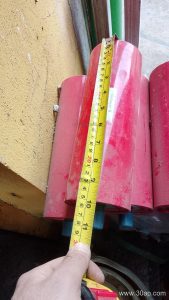
Most return idlers use a steel tube shell fitted over a through shaft, with sealed ball bearings at each end. Common bearing numbers include 6204, 6205, 6305, 6306, 6308, and 6310, and the choice should follow the load and shaft design rather than a fixed rule tied to roller diameter alone. Roller diameters typically range from Ø63 up to Ø219 depending on belt width and load. Common belt widths run from B400 through B2400, and the roll length is set by belt width, trough geometry, and the frame type.
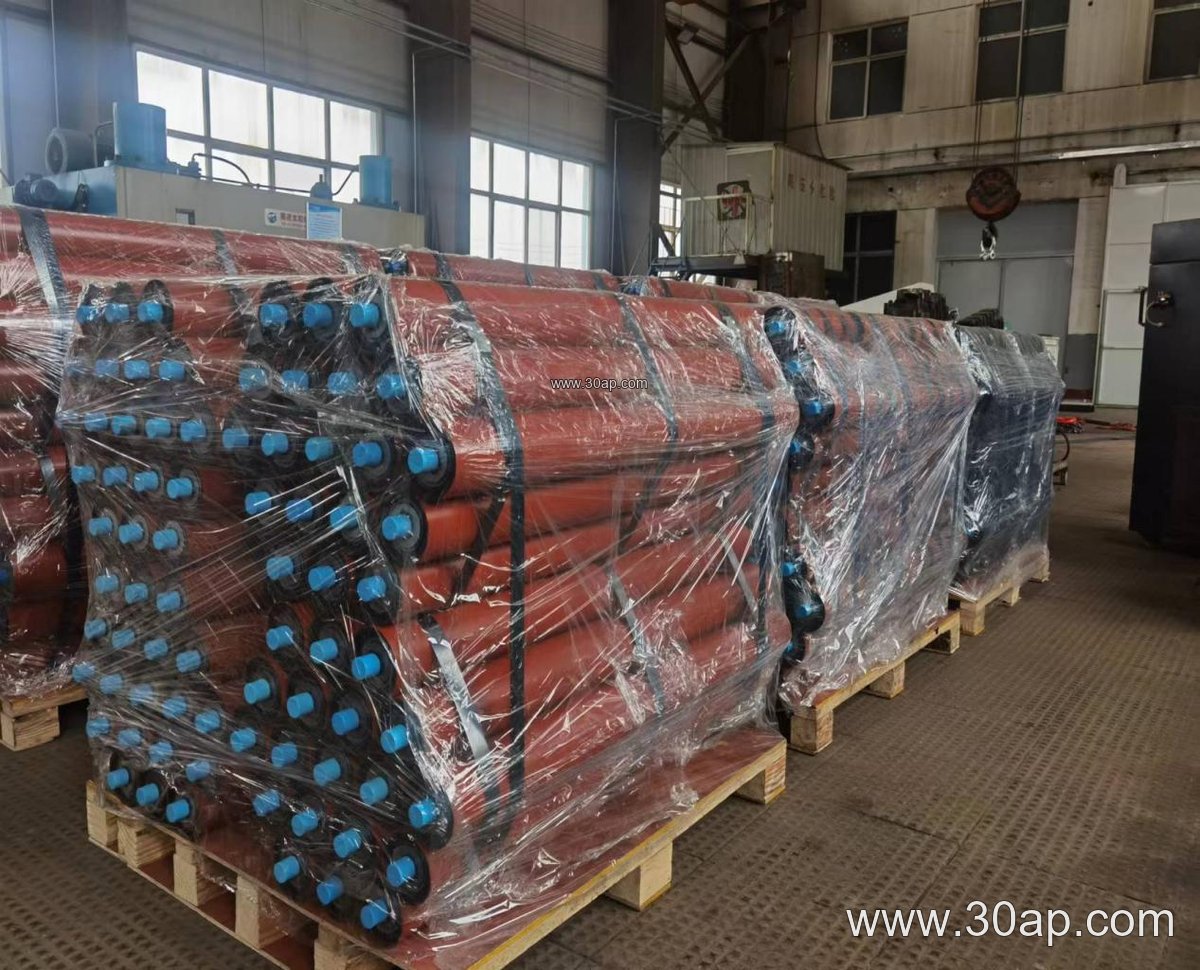
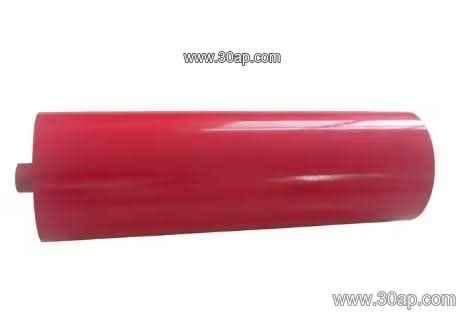
- Plain flat return roller for standard fabric or steel cord belts
- V-shaped return idler set to encourage self-centering
- Rubber-disc return roller to shed sticky fines
- Spiral return roller for light material build-up
- Disc return roller used where belt cleaning is difficult
Sealing is where many cheap rollers fail. Labyrinth seals with grease retention keep dust out in a crusher discharge area, while triple-lip designs suit wet or washdown conditions. The shell surface may be plain steel, nylon coated, ceramic lined, or fitted with rubber discs, and each choice trades cost against wear life.
Where Return Idlers Are Used
Return idlers appear on nearly every bulk handling line. In a limestone quarry or aggregate plant, they carry the empty belt under the discharge chute. In a coal-fired power plant, they handle long overland runs where belt sag directly affects energy use. Underground coal mining conveyors demand flame retardant and anti-static properties from the belting, and the return rollers must survive humid, dusty conditions with limited maintenance windows.
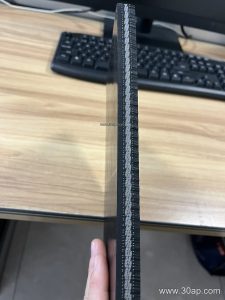
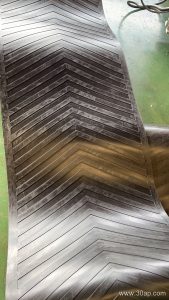
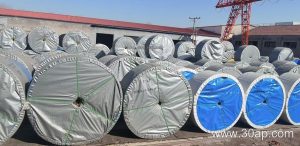
Matching the return idler to the belt matters. An EP Conveyor Belt or Multi-Ply Fabric Core Conveyor Belt flexes differently from a Steel Cord Conveyor Belt, and a heavy-duty mining conveyor belt with a thick bottom cover needs adequate roller spacing to avoid cover fatigue. In a sand and gravel line, a Chevron Conveyor Belt or Corrugated Sidewall Conveyor Belt may need closer return support near transition zones.
Common Sizes and Reference Data
Below are typical reference values, not fixed supply promises. Final dimensions should always follow the conveyor design drawing.
| Item | Common Range |
|---|---|
| Roller diameter | Ø63, Ø76, Ø89, Ø102, Ø108, Ø127, Ø133, Ø159, Ø178, Ø194, Ø219 |
| Belt width | B400 to B2400 |
| Bearing | 6204, 6205, 6305, 6306, 6308, 6310 |
| Roll surface | Steel, nylon, ceramic, rubber disc |
| Trough angle (carrying side reference) | 20°, 30°, 35°, 45° |
Roll length varies with belt width and frame type. As a rough example, a three-roll troughing set may use about 200 mm rolls at B500 and about 750 mm at B2000, but side rolls and center rolls differ, so never treat these as universal pairings.
Buyer Checklist
- Confirm shaft diameter and bearing seat from the existing frame, not from belt width alone.
- Check whether the return run uses flat, V-shaped, or disc rollers before ordering.
- Specify seal type for dusty, wet, or washdown environments.
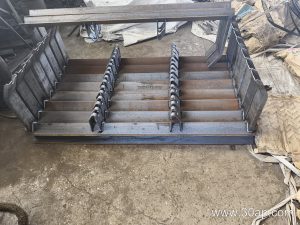
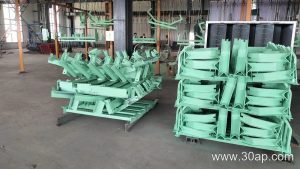
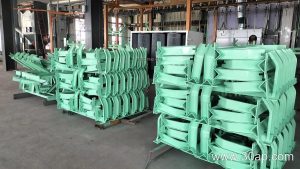
- Verify that the conveyor bracket and frame spacing match the new idler length.
- Ask for the roller’s dynamic load rating and rotation test data where available.
For more on matching rollers to belting and conveyor pulleys, see conveyor idler and conveyor pulley resources. A correctly specified Belt Conveyor Return Idler is one of the cheapest reliability upgrades on any bulk handling line.