What an Anti-Static Conveyor Belt Is
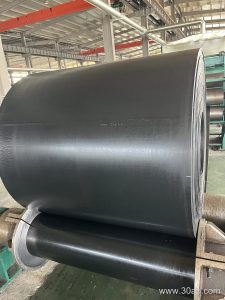
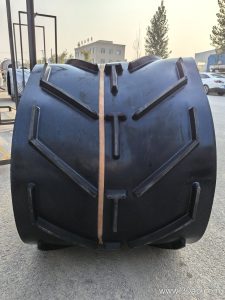
An anti-static conveyor belt is a conveyor belt designed to reduce the buildup of static electricity on its running surface and carcass. In places where dry bulk materials move fast, such as a cement plant, coal preparation facility, power plant, or sand and gravel yard, friction between the belt, the load, and the rotating parts can generate static charge. If that charge is not controlled, it may cause sparks, interfere with sensitive equipment, or create a nuisance shock for workers. The anti-static conveyor belt, also called an antistatic conveyor belt, addresses this by using conductive or dissipative compounds that let the charge bleed away.
It is not a separate machine type. It is a variant of the familiar conveyor belt, and the base construction may follow an EP Conveyor Belt, NN Conveyor Belt, or steel cord design. The anti-static property is added through the rubber compound, typically in the top cover, bottom cover, and sometimes the carcass.
How the Belt Is Built
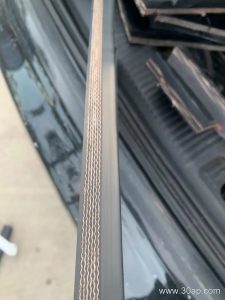
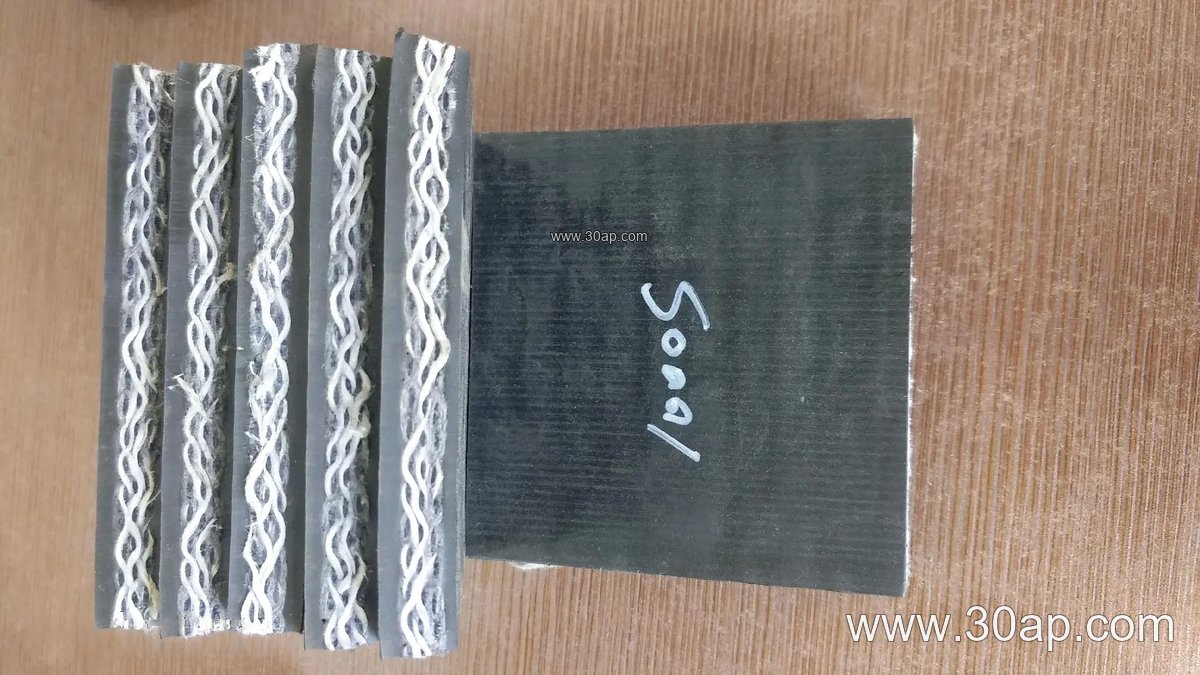
A typical anti-static belt has three working parts. The carcass carries the tension; it may be a fabric core with multiple plies, or a steel cord structure for long, heavy-duty runs. The covers protect the carcass and contact the material. The anti-static performance comes mainly from compounding: carbon black and other conductive fillers are dispersed in the rubber so that surface and volume resistance stay within a controlled range.
Construction details vary by supplier. A Fabric Core Conveyor Belt might use two to six plies, while a heavier design may use a thicker cover. Common cover combinations include 3+1.5 mm, 4+2 mm, 5+2 mm, 6+2 mm, and 8+3 mm, but these are reference values rather than fixed rules. The correct combination depends on the load, the pulley diameters, and the surrounding equipment.
Where It Is Used
Static control matters most in dry, dusty, and enclosed environments. Typical applications include:
- Coal Mining Conveyor Belt lines and underground coal mining conveyor belt systems where flammable dust and gas may be present.
- Cement plant and power plant coal handling circuits that move dry powder and pellets.
- Quarry Conveyor Belt and Aggregate Conveyor Belt lines handling crushed stone and sand.
- Grain, fertilizer, and other bulk material conveyor belt systems where dust clouds form.
- Recycling and port conveyor lines with mixed dry materials.
In these settings, an anti-static belt is often combined with other properties. A Mine Flame Retardant Conveyor Belt, for example, may be both flame retardant and anti-static. A Heat Resistant Conveyor Belt may need anti-static behavior in a hot, dry kiln area. The buyer should confirm the full property set rather than assuming that one feature covers all risks.
Specifications and Naming
Anti-static belts follow the same strength and width conventions as standard belts. EP grades such as EP200, EP400, EP630, EP1000, and EP1250 describe carcass strength. Widths are commonly given as B500, B650, B800, B1000, B1200, B1400, B1600, B1800, or B2000. The table below shows typical reference data; actual values are set by design.
| Parameter | Common Reference | Note |
|---|---|---|
| Carcass type | EP, NN, steel cord | Selected by tension and run length |
| Strength grade | EP200 to EP1250 | Higher grades for longer or heavier lines |
| Belt width | B500 to B2000 | Matched to load and frame, not to one pulley size |
| Cover thickness | 3+1.5 to 8+3 mm | Depends on abrasion and impact |
| Ply count | 2 to 6 | Fabric core designs |
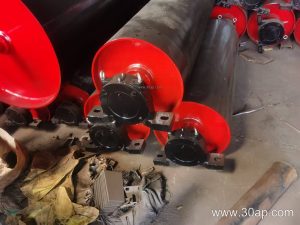
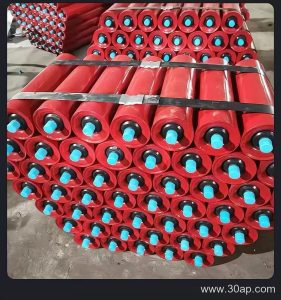
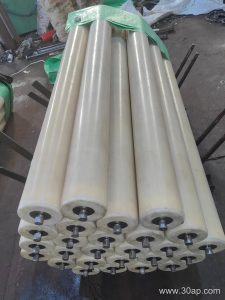
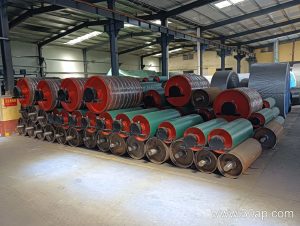
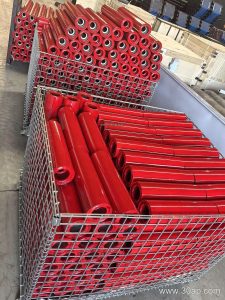
Do not treat one belt width as a fixed match for one pulley diameter. The conveyor pulley, idler roller, and conveyor bracket layout all influence the belt specification. A belt that is too stiff for a small tail pulley may track poorly, while a belt that is too thin for a large load may wear quickly.
Selection and Maintenance Notes
When choosing an anti-static conveyor belt, start with the material, the environment, and the risk. Ask whether the belt needs flame retardant behavior, oil resistance, abrasion resistance, or heat resistance. Check the surface resistance target with the supplier, since test methods and values differ. Confirm the carcass grade and cover thickness against the actual load and the smallest pulley in the system.
During operation, keep the belt clean. Dust buildup on the covers and on the conveyor pulley can reduce static dissipation. Check grounding paths on the frame and on the idler roller supports, because a conductive belt alone does not guarantee a safe system. Inspect splices, edges, and covers for wear, and replace damaged sections before they affect tracking.
For more information on compatible conveyor components, visit www.beltconveyorparts.com for conveyor belt, idler roller, and conveyor pulley guidance. A well-matched anti-static belt, combined with proper grounding and maintenance, supports safer handling in mining, cement, power, and aggregate operations.