What a Rock Conveyor Belt Is
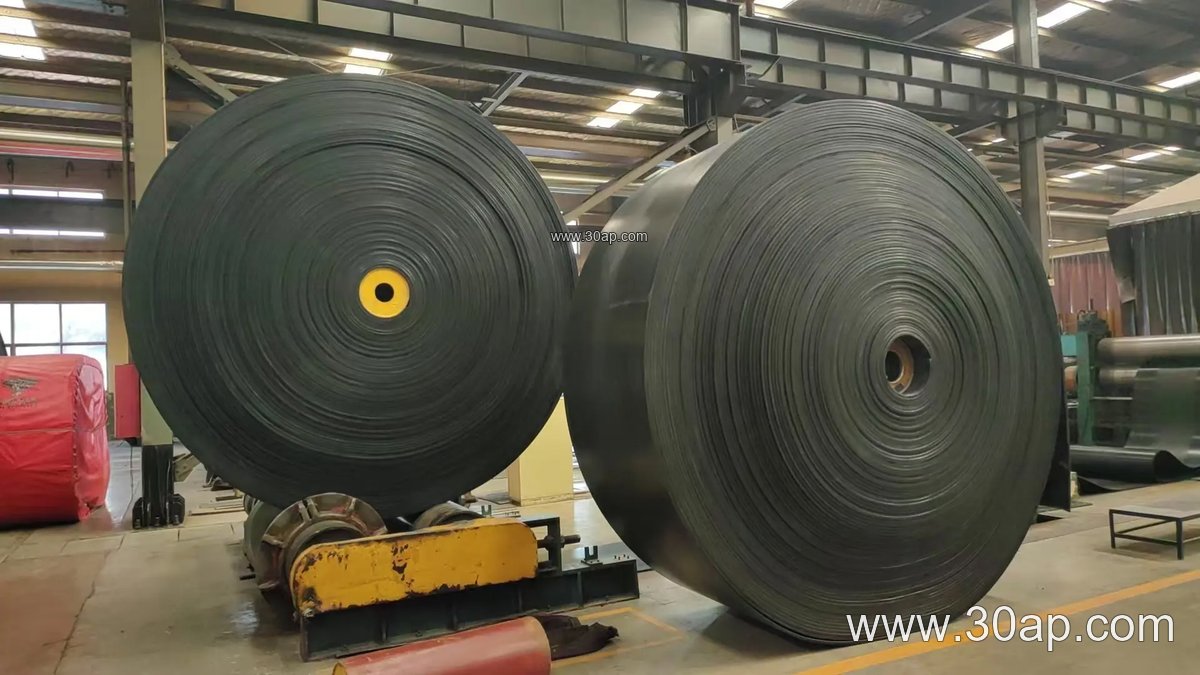
A rock conveyor belt is the heavy-duty carrying element in a bulk handling system that moves crushed stone, ore, gravel, and similar abrasive material from one point to another. In practice it is a rubber conveyor belt built around a strong tension-bearing carcass, with cover compounds chosen for the duty. Because rock is sharp, dense, and often delivered in large lumps, the belt must resist cutting, impact, and surface wear while keeping the load stable on the carrying side. Buyers in mining, quarrying, cement, and power plant coal yards often describe the same product as a stone crusher conveyor belt or an aggregate conveyor belt, depending on the plant layout.
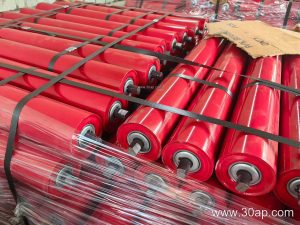
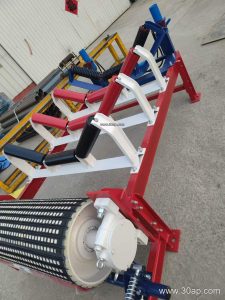
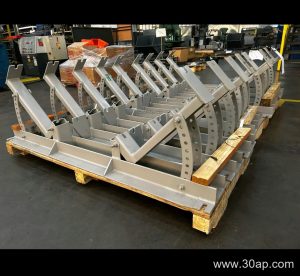
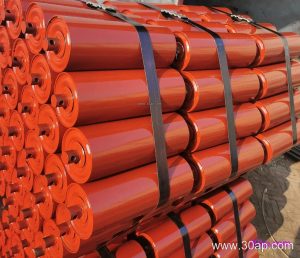
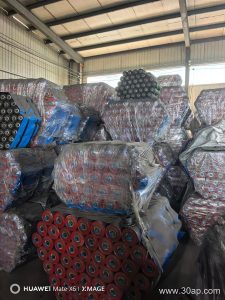
The belt does not work alone. It runs over idler rollers, around a head pulley and tail pulley, and is held in line by conveyor brackets and frame structures. Drive, tail, and bend pulleys each have their own role, and none of them can be swapped for another in the layout. A well-matched system keeps the belt tracking straight and extends service life.
Construction and Carcass Options
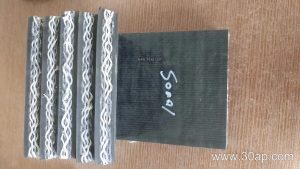
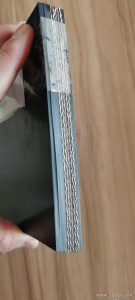
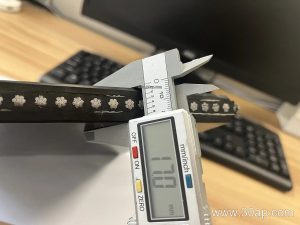
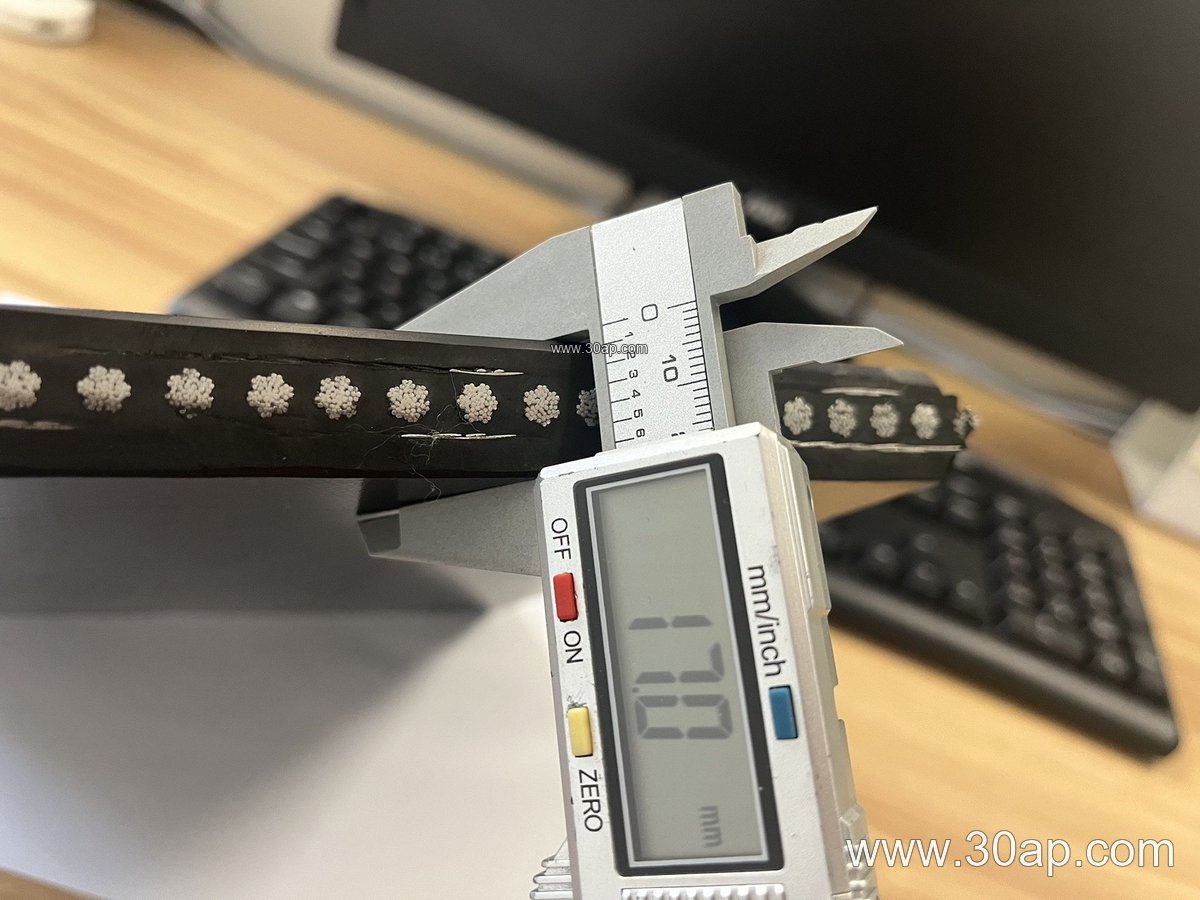
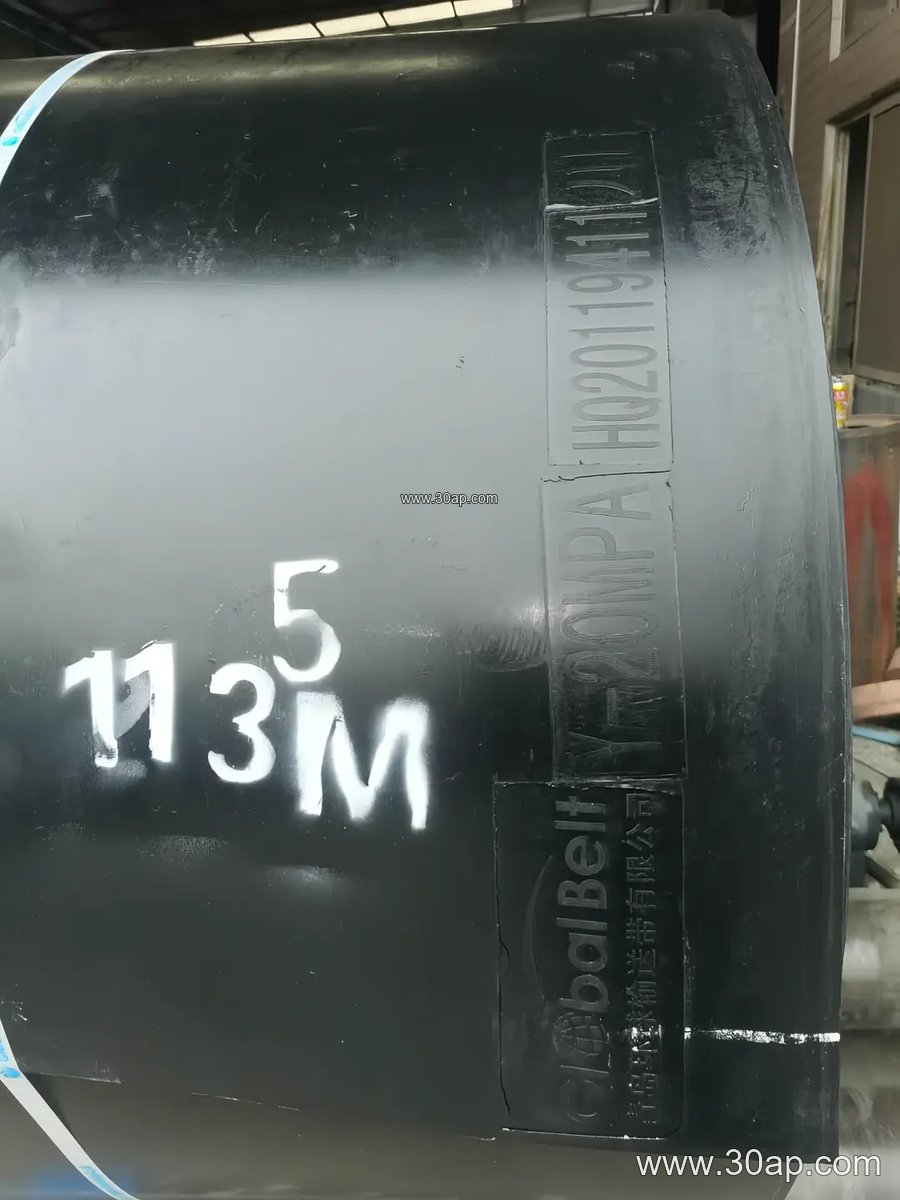
The carcass carries the pulling load. For rock duties, common choices include EP conveyor belt (polyester-nylon), NN conveyor belt (nylon-nylon), and steel cord conveyor belt for long, high-tension runs. Multi-ply fabric core conveyor belt constructions are also widely used in shorter sections and in mobile crushing plants. Cover rubber grades address the environment: abrasion resistant conveyor belt for sharp stone, heat resistant conveyor belt near kilns or clinker, oil resistant conveyor belt where lubricants or fuel are present, and flame retardant conveyor belt or fire resistant conveyor belt for underground coal mining conveyor belt systems.
| Parameter | Typical Reference Range | Notes |
|---|---|---|
| Belt width | B500, B650, B800, B1000, B1200, B1400, B1600, B1800, B2000 | Final width is set by the conveyor design and lump size |
| Carcass type | EP, NN, steel cord, PVC/PVG for special duties | Selected by tension and application |
| Strength grade | EP200 to EP2000; ST1000 to ST3150 | Reference data, confirm with the supplier |
| Cover thickness | 3+1.5, 4+2, 5+2, 6+2, 8+3 mm | Top and bottom cover combination |
| Ply count | 2 to 6 layers | Fabric core constructions |
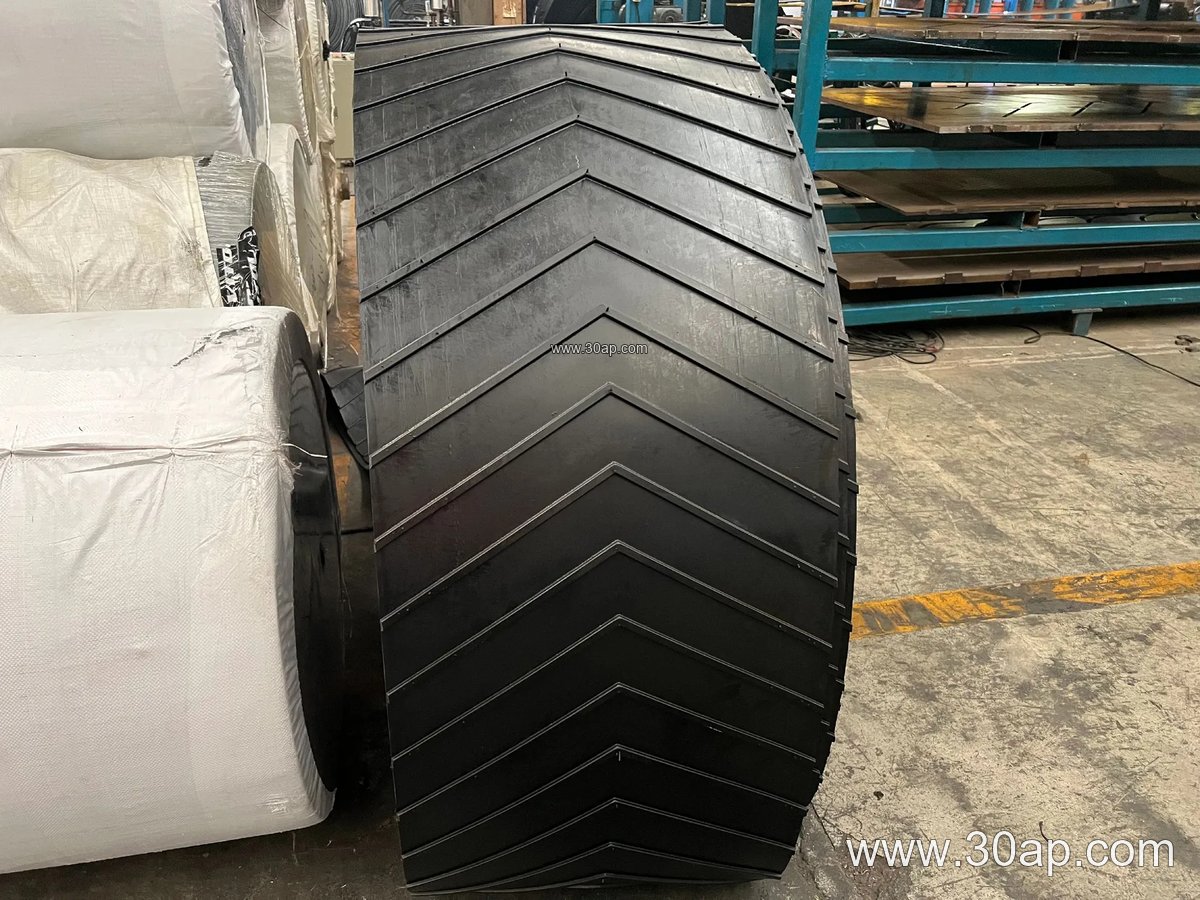
Surface forms change how the belt handles slope and spillage. A chevron conveyor belt adds raised profiles for inclined haulage, while a corrugated sidewall conveyor belt with cleats keeps material from sliding back. Skirted conveyor belt designs help contain fines at transfer points, and pipe conveyor belt systems enclose the load for dusty routes. Where coal dust is a concern, anti-static conveyor belt grades are often specified together with flame resistance.
Where Rock Belts Are Used
These belts appear across heavy industries. In a quarry conveyor belt line, primary and secondary crushers discharge onto belts that climb to screening decks. In cement plants, limestone, clay, and clinker move on heat resistant or abrasion resistant grades. Power plants use them for coal delivery, while iron ore conveyor belt and copper ore conveyor belt circuits demand high strength and cut resistance. Sand and gravel operations rely on aggregate conveyor belt runs that combine moderate tension with severe wear.
Underground coal mining conveyor belt systems usually require PVG conveyor belt or PVC mining conveyor belt constructions with flame retardant and anti-static properties. Surface mines and ports may prefer steel cord or high strength fabric belts for long distances and high tonnage. Gold mining conveyor belt and other ore conveyor belt installations often use thick covers to survive sharp, heavy feed.
Buyer Checklist
- Match the belt grade to the actual duty: abrasion resistant for stone, heat resistant near hot material, oil resistant where contamination is possible.
- Confirm the required tension with the conveyor designer; belt width alone does not determine pulley or shaft dimensions.
- Check cover thickness and ply count against lump size and impact at the loading point.
- For underground work, confirm flame retardant and anti-static requirements with the site engineer.
- Plan spare idler rollers, pulleys, and brackets so that belt tracking and splice quality are maintained.
- Ask for the manufacturer’s data sheet for each grade rather than relying on a single generic specification.
A rock conveyor belt is a system component, not a standalone item. The right combination of carcass, cover, and surface form keeps a crusher conveyor belt or a port conveyor belt running through long shifts. Whether the plant handles limestone in a cement works, coal in a power station, or ore in a mine, the selection should follow the duty, the layout, and the supplier’s documented data. Rubber conveyor belt grades, fabric core conveyor belt options, and steel cord designs all have a place, and the final choice belongs with the engineers who know the tonnage, the incline, and the material.