What a Conveyor Support Bracket Does
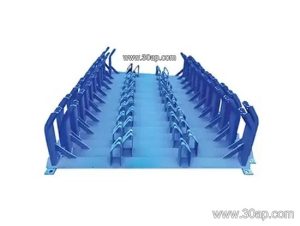
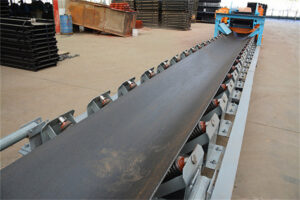
A conveyor support bracket is the structural interface between the idler roller and the conveyor frame. It holds each roller at the correct height, angle and spacing so the conveyor belt keeps a stable trough profile under load. In a typical troughing station, the bracket carries three idlers, while return stations use a simpler flat or V-shaped arrangement. Getting this component right matters in mines, quarries, cement plants and power plant coal yards, where a loose or misaligned bracket quickly shows up as belt wander, spillage and premature roller wear.
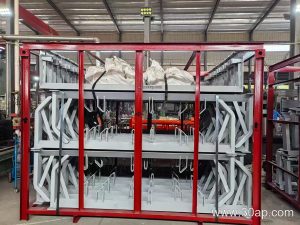
Also called a conveyor idler bracket or roller support bracket, the part is usually fabricated from angle steel, channel steel or folded steel plate. The frame side plates and cross beams are drilled or punched to match the mounting holes of the selected idlers, and the whole assembly is bolted to the stringer.
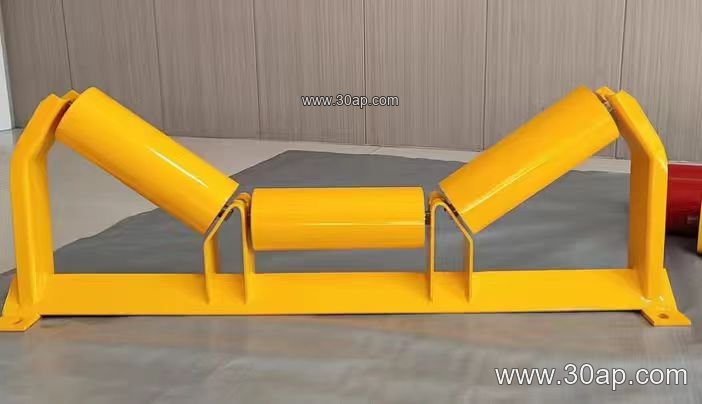
Common Configurations
Brackets are grouped by where they sit and what they must do. A troughing bracket sets the trough angle on the carrying side. A transition bracket eases the belt from flat to troughed near the head or tail. On the return run, a flat return bracket or a V-return bracket supports the belt. Impact brackets sit under loading points and are often paired with impact-resistant rollers. Self-aligning brackets allow small angular adjustment to correct belt tracking, and forward-leaning designs use a slight tilt of roughly 1.5 to 2 degrees to encourage self-centering.
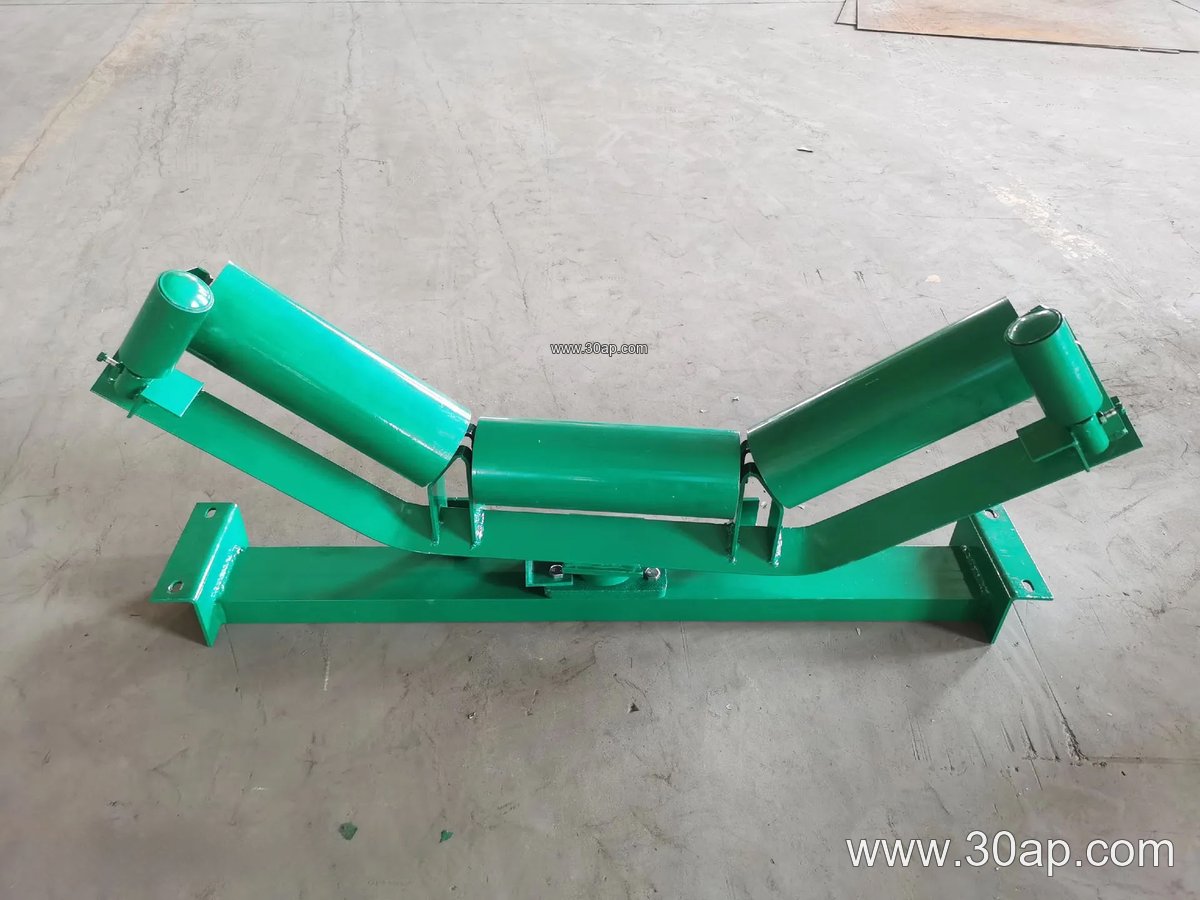
- Troughing and upper troughing brackets
- Transition brackets
- Return and V-return brackets
- Impact and buffer brackets
- Self-aligning and forward-leaning brackets
- Suspended and adjustable brackets
Adjustable versions let maintenance crews change the trough angle between common settings such as 20, 30, 35 and 45 degrees without replacing the frame section. Fixed brackets are simpler and cheaper but lock the profile at one angle.
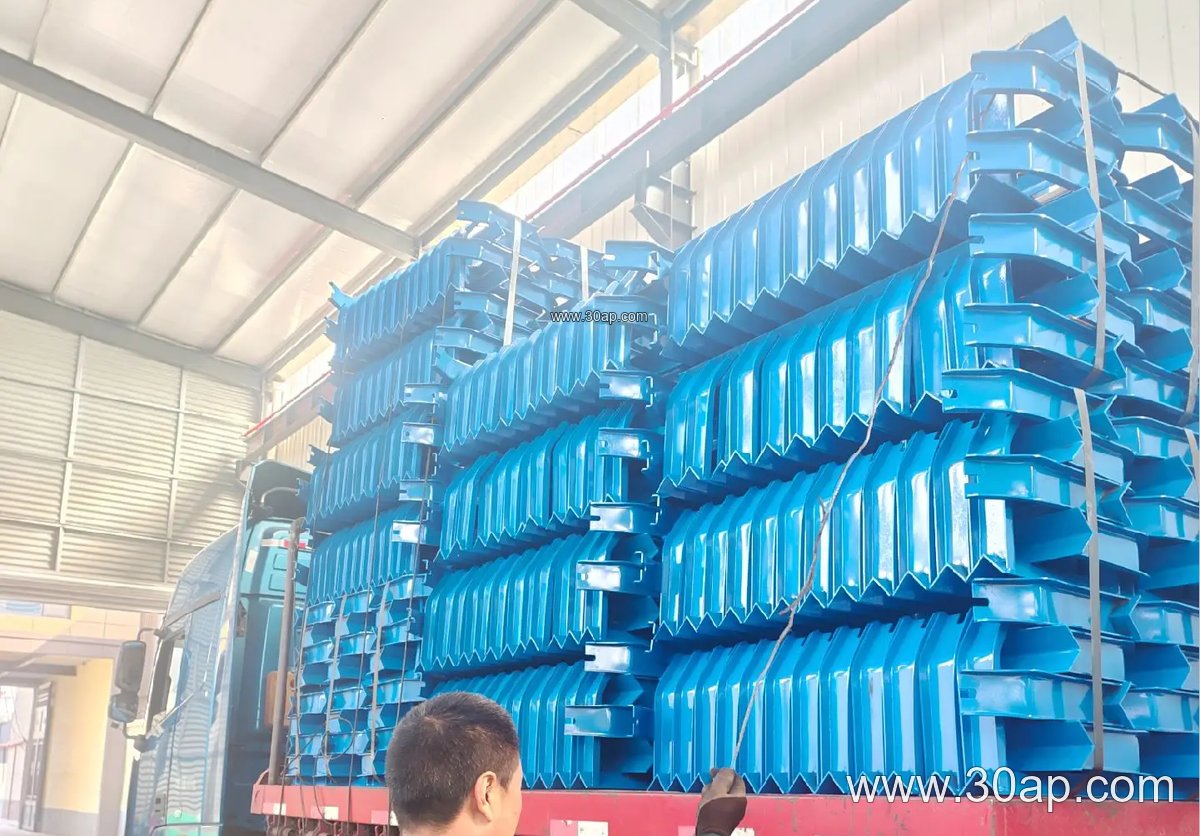
Matching Bracket, Belt and Roller
Bracket geometry follows belt width and roller diameter, but there is no single rule tying one belt width to one roller size or trough angle. A B800 frame may run 30 or 35 degrees with Ø108 rollers depending on the material and capacity, while a B1200 conveyor might use 45 degrees and Ø133 rollers for a wider, deeper trough. Heavier loads and wider belts often call for larger rollers and thicker steel, and the hole spacing and cross beam length should always be confirmed against the actual idler drawing.
| Belt width | Typical trough angle | Common roller diameter |
|---|---|---|
| B500 / B650 | 20 to 30 degrees | Ø89 |
| B800 / B1000 | 30 to 35 degrees | Ø108 |
| B1200 / B1400 | 35 to 45 degrees | Ø133 |
| B1600 / B1800 | 35 to 45 degrees | Ø159 |
| B2000 and above | 35 to 45 degrees | Ø194 |
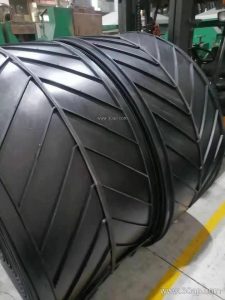
These figures are reference values only. Final selection depends on the conveyor design, material density and the belt construction in use, whether that is an EP conveyor belt, an NN conveyor belt, a steel cord conveyor belt or a flame retardant conveyor belt for underground service.
Where These Brackets Are Used
In a limestone quarry or a stone crushing line, brackets take constant shock from falling rock, so impact brackets and abrasion resistant rollers are common. In a coal preparation plant or power plant coal handling system, flame retardant and anti-static belt grades are paired with well-aligned troughing stations to reduce rubbing and heat risk. Similar hardware appears in iron ore terminals, cement kilns feed lines, fertilizer plants and port ship loaders.
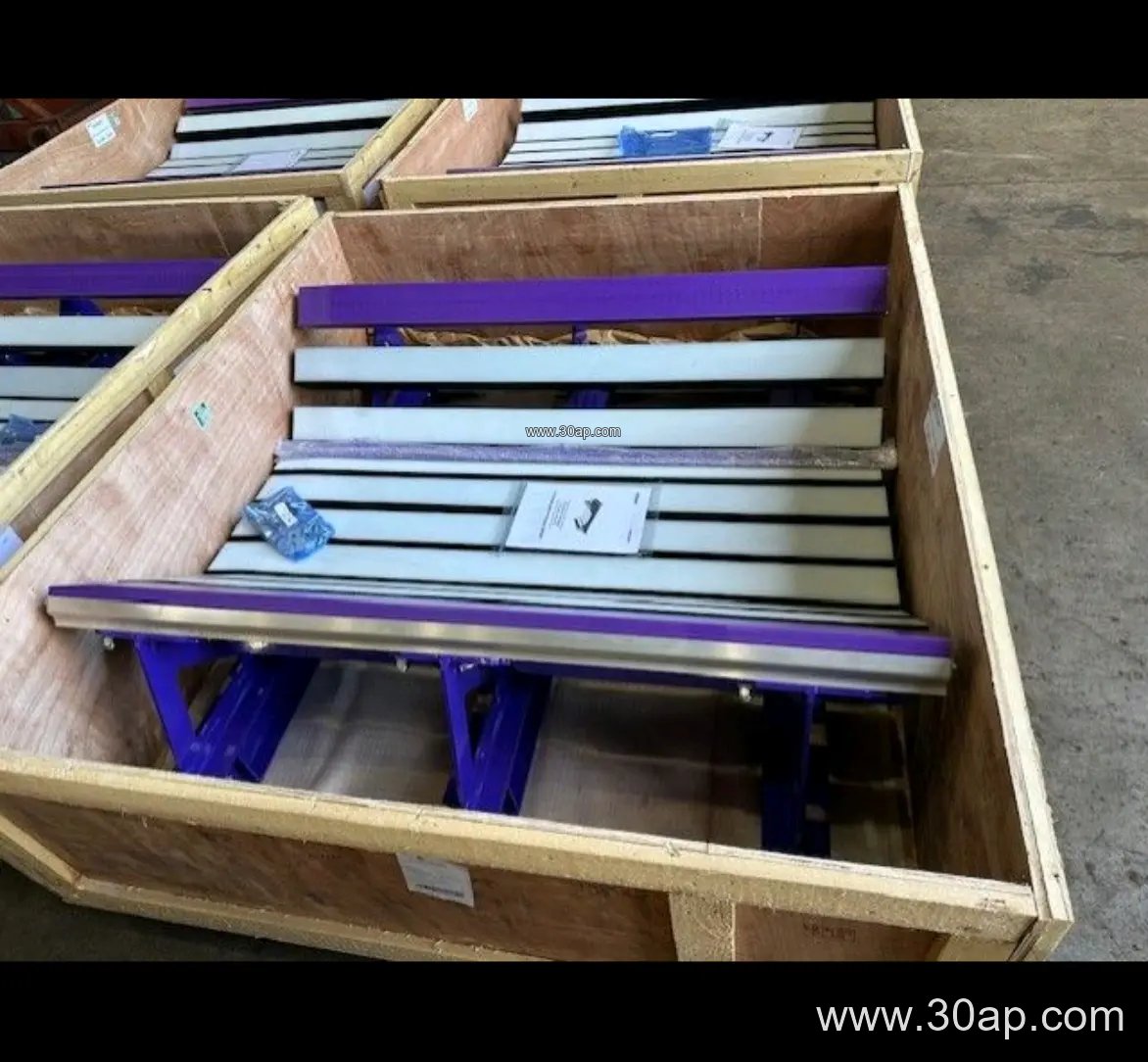
For more on matching frames with conveyor belt, idler roller and conveyor pulley components, visit blxconveyorbelt.com. A properly specified conveyor bracket keeps the whole line running straight, and a replacement part at blxconveyorbelt.com should always be checked against the original mounting dimensions.
Buyer Checklist
- Confirm belt width, trough angle and roller diameter before ordering.
- Check mounting hole spacing and cross beam length against the existing frame.
- Choose fixed or adjustable brackets based on how often the profile may change.
- Specify steel thickness and finish for dusty, wet or corrosive sites.
- Match bracket type to the duty: impact, transition, return or self-aligning.
Small details decide service life. A bracket that fits the frame, holds the roller square and survives the loading zone will protect the belt and reduce downtime far more than a heavier but poorly matched assembly.