What a Welded Pulley Is
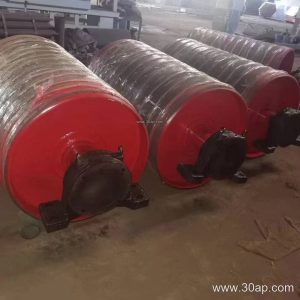
A welded pulley is a conveyor pulley whose shell, end discs, and hub assembly are joined by welding rather than by a bolted or cast construction. In a belt conveyor, this drum turns with the belt and transmits or redirects the belt tension. Buyers often call the same item a welded conveyor drum or a fabricated pulley drum, and all three expressions describe the same product: a welded steel drum with shaft, bearings, and a surface that contacts the belt.
The welded design is common in bulk handling because it can be built in large diameters and face widths without special casting tooling. A drum for a 1200mm wide conveyor belt may be fabricated with a shell that is wider than the belt, and the end discs and hubs are welded to suit the shaft and bearing arrangement. The welding procedure, shell roundness, and balance matter as much as the steel grade, because an out-of-round drum will shorten belt life and stress the conveyor bracket and bearing seats.
How the Drum Is Built
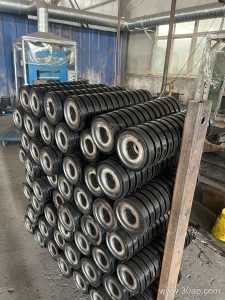
A typical fabricated pulley starts with a rolled steel shell, two end discs, a hub on each side, and a through shaft or stub shafts. The shell is machined or ground after welding so the belt runs on a true cylindrical surface. The shaft is sized by torque and radial load, not by belt width alone, so a B800 conveyor might use a different shaft than another B800 line with a longer span or a heavier load.
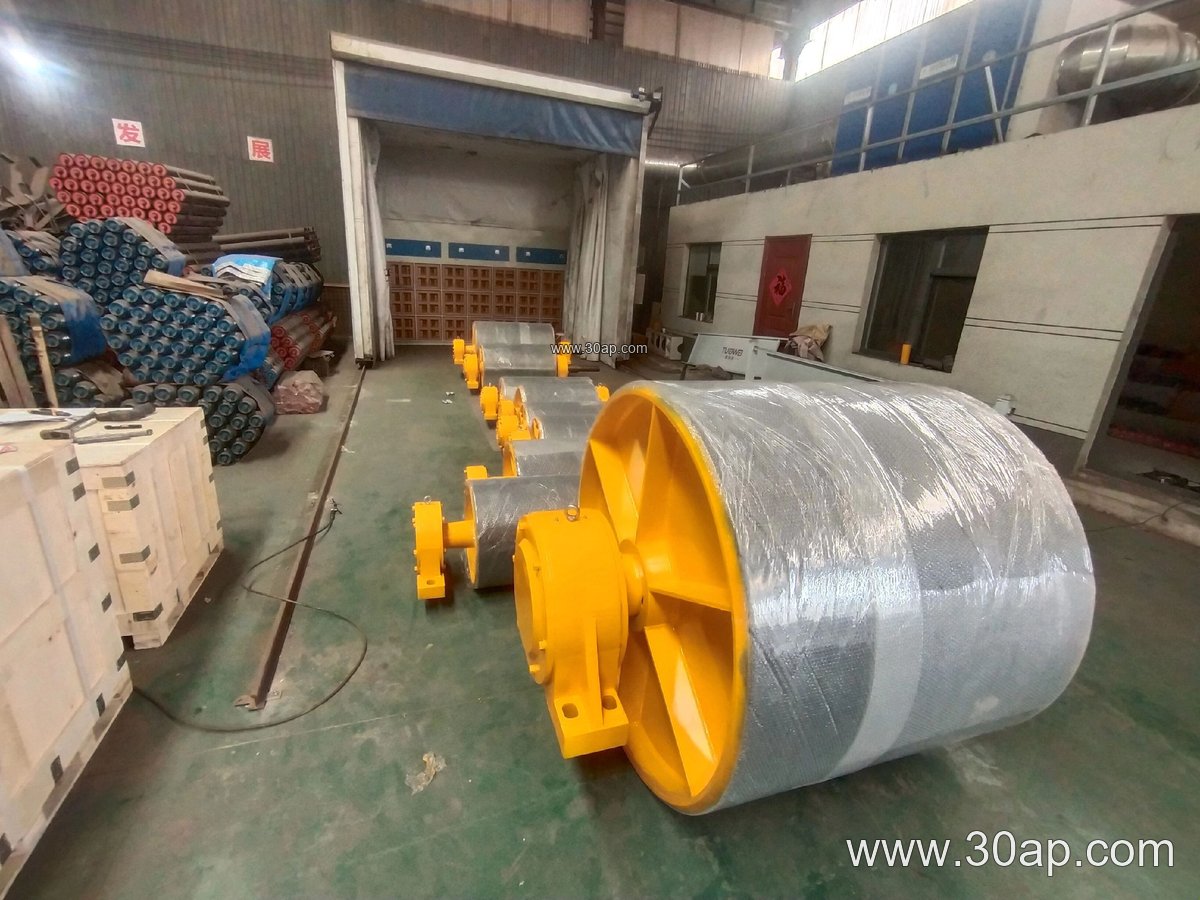
- Shell: rolled plate, welded to the end discs, then finished for roundness.
- End discs and hubs: welded to the shell and machined for the shaft and bearing fit.
- Surface: plain, rubber lagged, ceramic lagged, or grooved, depending on grip and material.
- Accessories: bearing housings, locking assemblies, and a bracket interface for the conveyor frame.
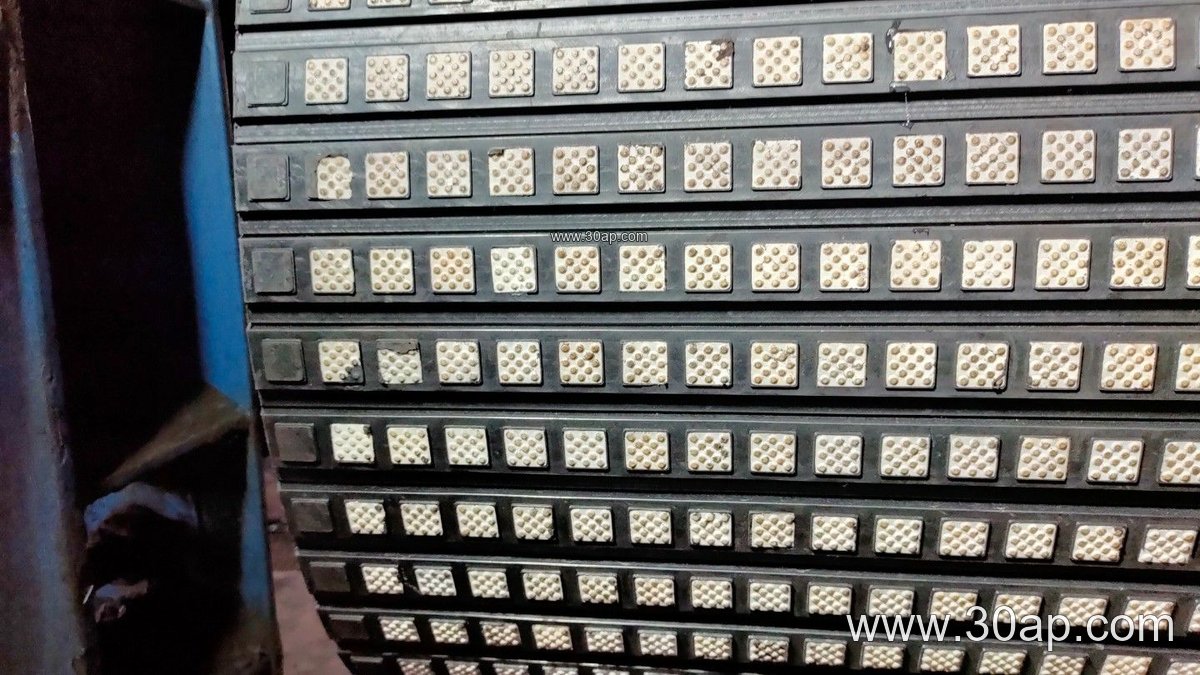
Lagging can be hot vulcanized rubber, cold bonded rubber, diamond pattern, herringbone pattern, or ceramic tile. Lagging thickness commonly ranges from 8 mm to 20 mm. The right surface depends on whether the drum must transmit drive torque, center the belt, or simply support it.
Where Welded Pulleys Are Used
These drums appear in quarry and aggregate lines, cement plants, coal handling systems, power plant coal yards, and port bulk terminals. In a stone crushing circuit, a welded pulley may be the head drum that discharges onto a transfer chute, while a smaller drum at the tail keeps the belt aligned. In a coal mining conveyor, the same product family is used with flame retardant and anti-static belting, and the drum surface must suit the dusty, wet conditions.
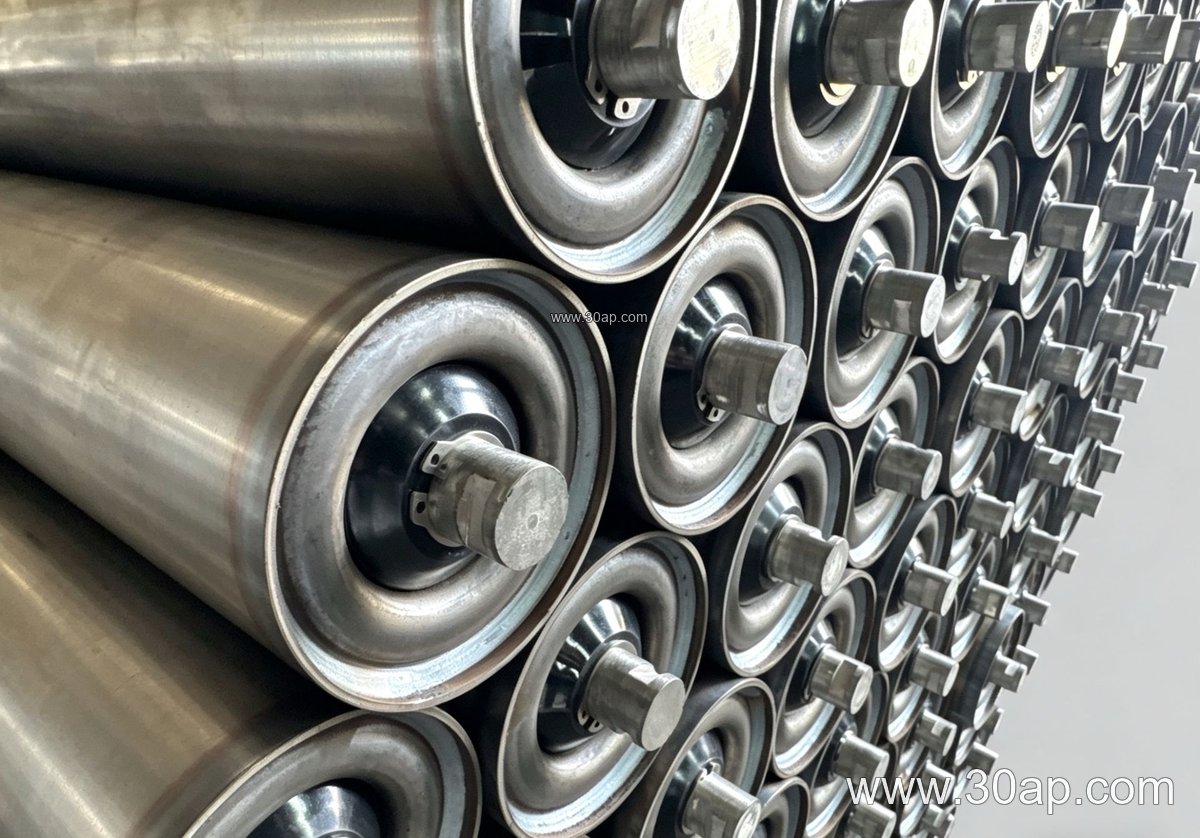
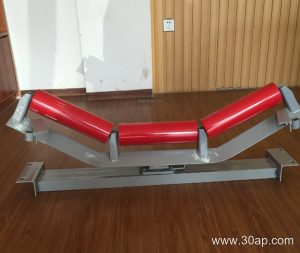
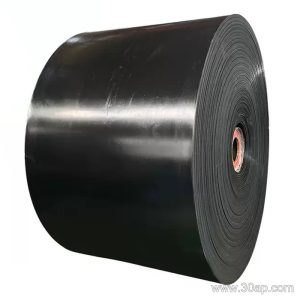
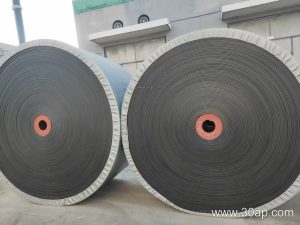
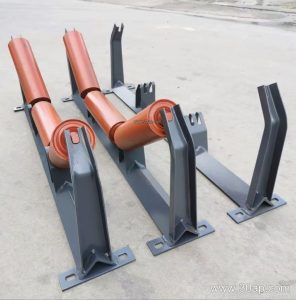
The drum does not work alone. It runs with a conveyor belt, idler rollers, and a conveyor bracket that fixes the bearing housings to the frame. A welded pulley at the drive position needs enough lagging friction to move an EP conveyor belt or a steel cord conveyor belt without slip, while a bend pulley mainly changes belt direction and carries lower torque.
Head, Tail, and Bend Positions Are Not Interchangeable
A drive pulley, also called the head pulley, transmits power and usually carries the highest torque and the thickest lagging. A tail pulley sits at the loading end and often has a smaller diameter and a plain or lightly lagged surface. A bend pulley changes the belt path and is selected for wrap angle and bearing load rather than for power transmission. These are different duties, and a welded pulley built for one position should not be swapped into another without checking the load and the belt wrap.
Take-up and snub positions also affect the design. A take-up drum may need a longer shaft and larger bearings, while a snub drum on a short center distance may use a compact shell. The shaft diameter is confirmed from torque, belt tension, and bearing span, not from a table that pairs one belt width with one shaft size.
Reference Dimensions and Selection Notes
The table below shows common reference values for discussion only. Final sizes are set by the conveyor design, and the face width is usually wider than the belt.
| Belt width | Typical face width | Common diameter range |
|---|---|---|
| B400 | about 500 mm | Ø200 to Ø400 |
| B650 | about 750 mm | Ø250 to Ø500 |
| B800 | about 950 mm | Ø315 to Ø630 |
| B1000 | about 1150 mm | Ø400 to Ø800 |
| B1200 | about 1400 mm | Ø500 to Ø1000 |
| B1400 | about 1600 mm | Ø630 to Ø1250 |
| B1600 | about 1800 mm | Ø800 to Ø1400 |
Combinations such as B800 x Ø500 or B1200 x Ø1000 are common starting points, but a larger diameter may be needed to reduce belt bending stress or to increase wrap angle. Shaft diameters commonly fall in the Ø50 to Ø200 range, and the final value comes from the torque and load calculation.
What Buyers Should Confirm
Before ordering, confirm the pulley position, the belt width, the required diameter, the lagging type and thickness, the shaft size, and the bearing arrangement. Ask how the drum is balanced and how the shell is finished after welding. Check that the bracket mounting dimensions match the existing frame, and confirm the belt speed and starting torque so the lagging grip is adequate.
For abrasive ore or quarry rock, a wear-resistant lagging and a robust shell help; for a coal mining conveyor, flame retardant and anti-static properties of the belt and the drum surface are part of the safety review. A welded pulley is a long-life component when the welding, machining, and balancing are done correctly, and when the drum is matched to the belt, idlers, and frame it runs with.