What an Extra-Wide Conveyor Belt Is
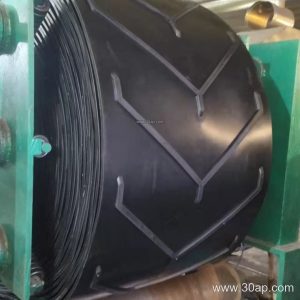
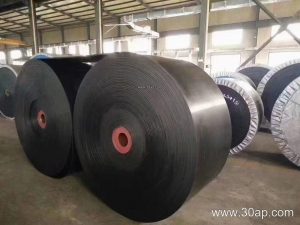
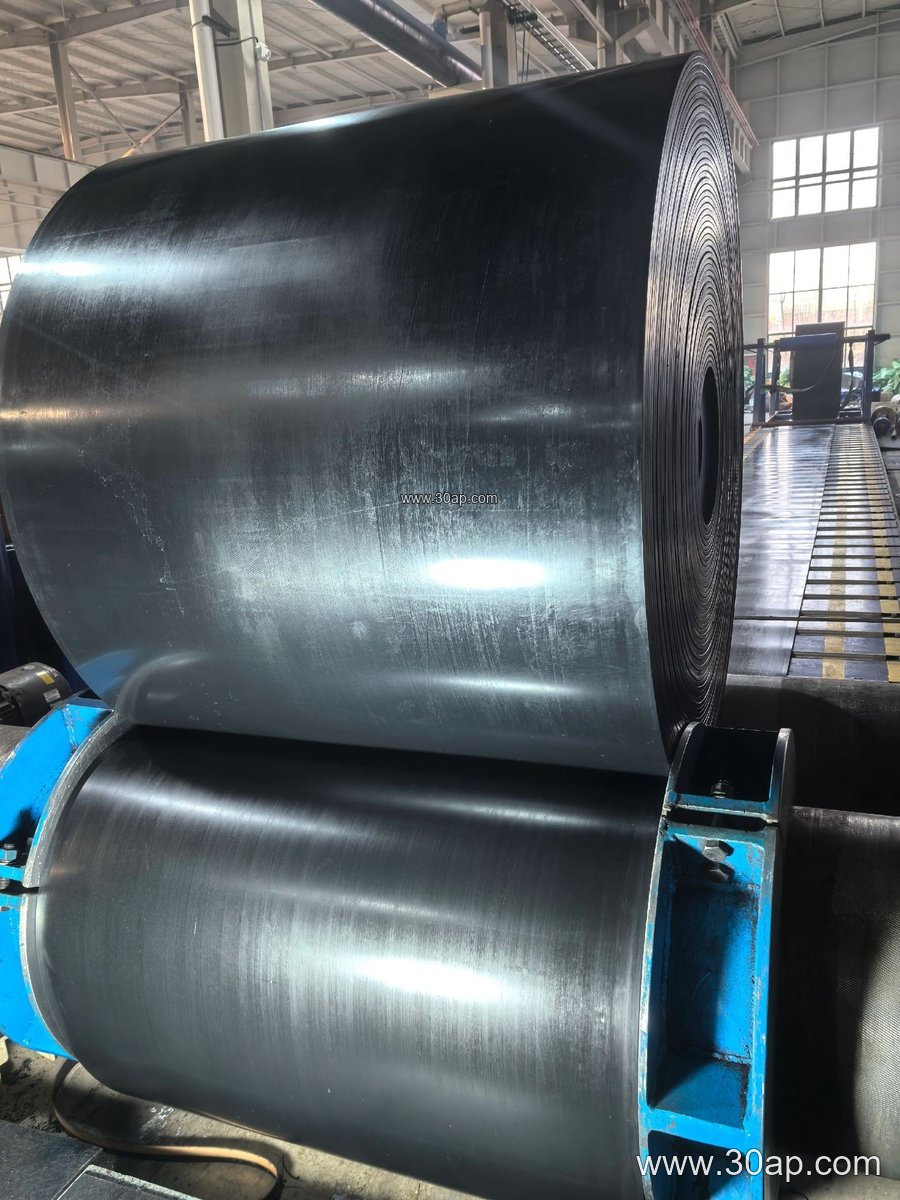
An extra-wide conveyor belt is a heavy-duty belting product built with a broad cross-section, typically beyond the common 1400 mm to 1600 mm range and often reaching 1800 mm, 2000 mm, or even 2400 mm depending on the design. This width is not simply a scaled-up version of a standard belt. It changes the way a conveyor system is engineered, from pulley face length and idler roller spacing to frame stiffness and loading chute geometry. In high-tonnage operations such as mining, quarrying, cement production, and port bulk terminals, a wider belt allows higher throughput without pushing belt speed to extremes, which can reduce wear and material degradation.
The product is also described in the industry as a wide conveyor belt or a large-width fabric or steel cord belt. Those expressions refer to the same class of belting, and the exact construction depends on the duty. Buyers should treat width as one design variable among several, not as a standalone specification.
Construction and Belt Types
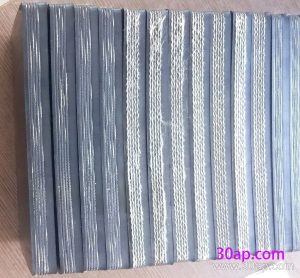
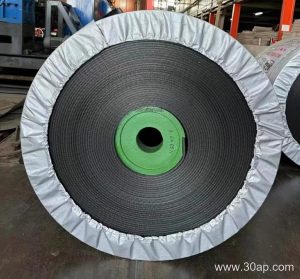
The carcass carries the load and resists elongation, while the cover rubber protects against abrasion, impact, heat, oil, or flame exposure. For extra-wide formats, fabric cores are usually multi-ply, and steel cord cores are chosen when tension and stability demand it. Common carcass options include EP conveyor belt and NN conveyor belt constructions, while heavy overland and high-lift systems often use steel cord conveyor belt designs.
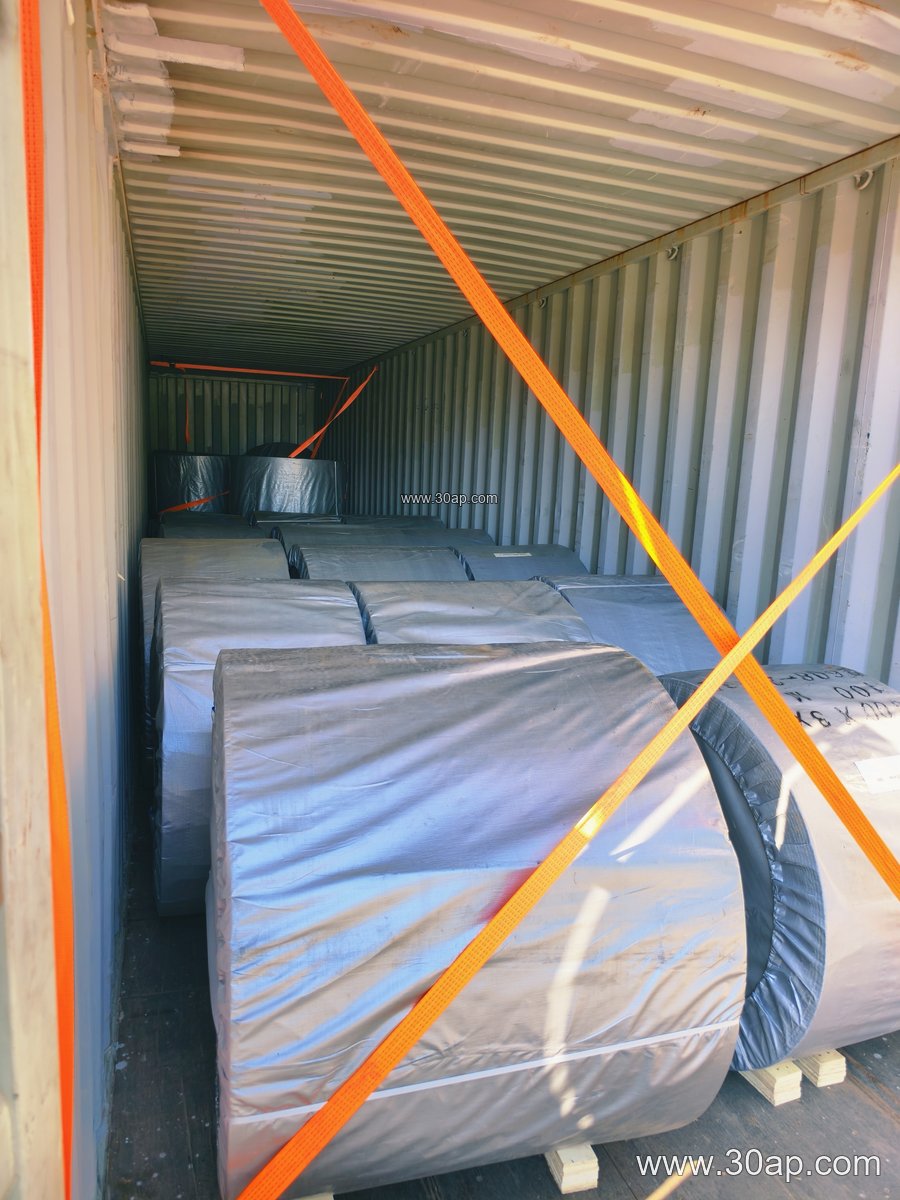
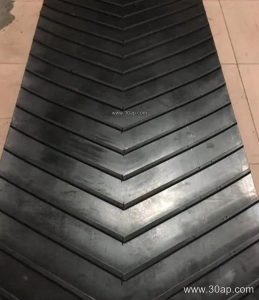
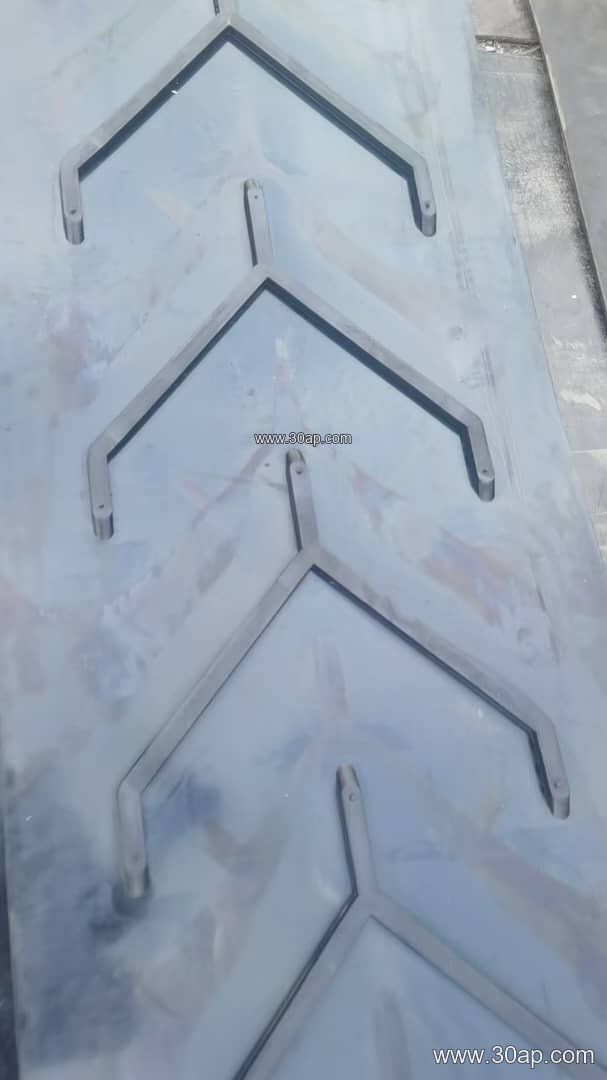
The cover compound is selected by the environment. A quarry or crusher conveyor belt may use abrasion resistant conveyor belt covers, a coal mining conveyor belt may need flame retardant conveyor belt or anti-static conveyor belt properties, and a cement plant may favor heat resistant conveyor belt grades near kiln discharge points. Extra-wide belts can also be supplied as a corrugated sidewall conveyor belt or skirted conveyor belt when material containment is needed, though these are separate subtypes and should be specified as such.
Typical Reference Parameters
The values below are common references, not universal specifications. Actual construction is confirmed by design and by the manufacturer.
| Parameter | Common Reference Range |
|---|---|
| Belt width | B1400, B1600, B1800, B2000, B2200, B2400 |
| Fabric strength grades | EP200, EP315, EP400, EP500, EP630, EP800, EP1000, EP1250 |
| Steel cord grades | ST1000, ST1250, ST1600, ST2000, ST2500 |
| Cover thickness | 4+2, 5+2, 6+2, 8+3 mm |
| Fabric plies | 2 to 6 layers, depending on tension |
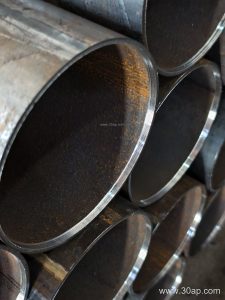
Width and pulley diameter are matched by conveyor design, not by a fixed rule. A 1800 mm wide belt may run on different pulley sizes in different systems, so shaft diameter and pulley dimensions must be calculated from tension, wrap angle, and load rather than inferred from belt width alone.
Where Extra-Wide Belting Is Used
Large cross-sections suit continuous high-volume flows. In an iron ore or copper ore terminal, a single wide belt can replace multiple narrower lines and simplify transfer points. In a power plant coal yard, a flame retardant conveyor belt in extra-wide format supports high feed rates with fewer seams. Aggregate operations use wide belting after primary crushing, where rock conveyor belt sections must handle lumpy, abrasive material. Cement plants, steel plants, and ship loading conveyor systems also rely on broad belts for stable material profiles and reduced spillage.
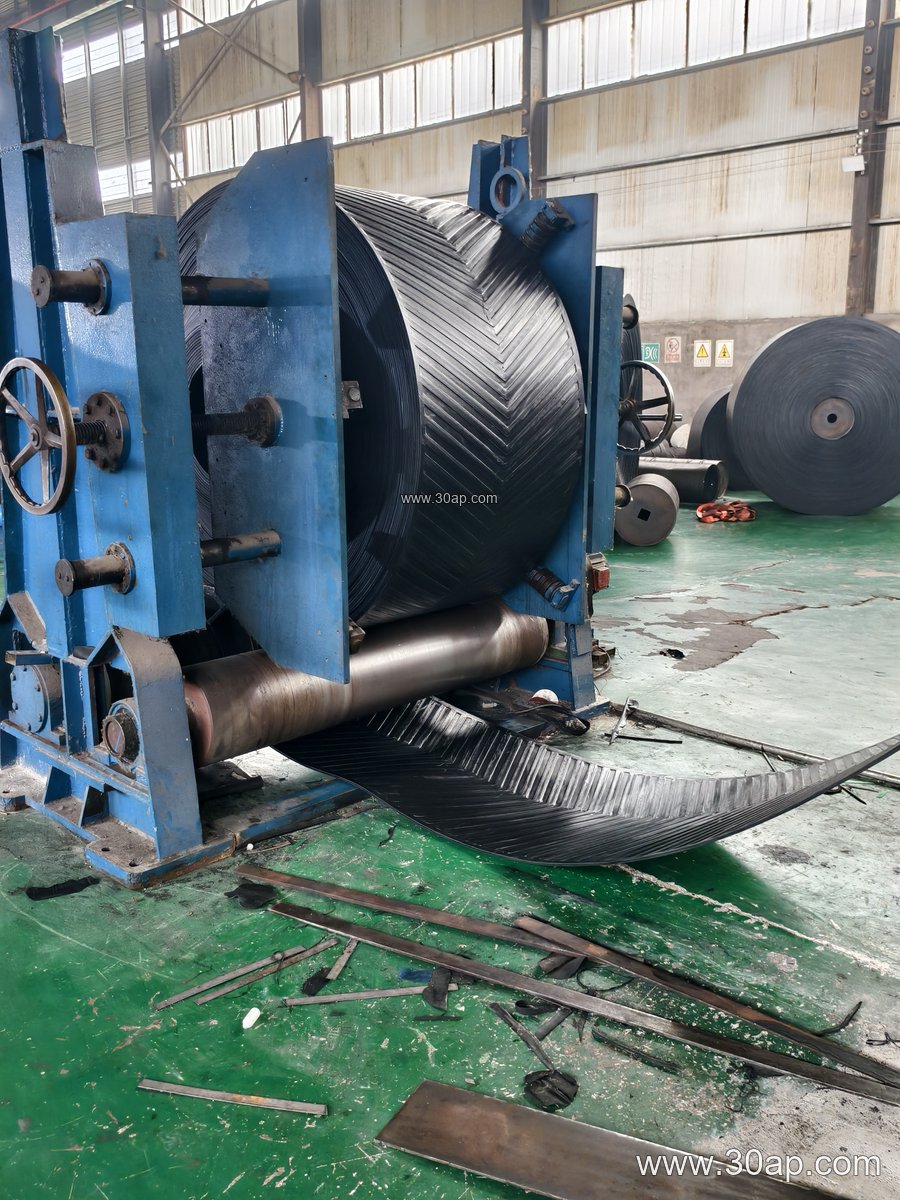
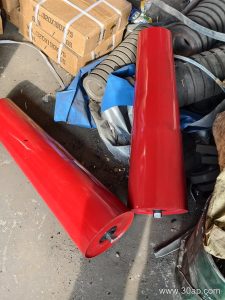
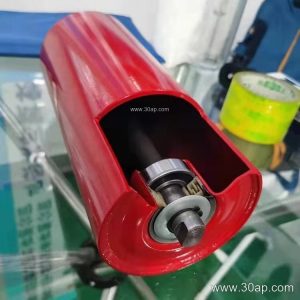
Supporting equipment matters as much as the belt. Idler roller frames must be level and correctly spaced, conveyor pulley faces must be long enough, and conveyor bracket alignment should be checked during installation. A poorly aligned wide belt tends to wander more noticeably than a narrow one, so tracking is a key commissioning step.
Buyer Checklist
- Confirm the required width against actual throughput and lump size, not against existing stock sizes.
- State the material, temperature, and hazard profile so the cover compound can be selected correctly.
- Provide tension data so the fabric or steel cord grade can be verified by the supplier.
- Check pulley and idler roller dimensions, including face length and shaft sizing, with the conveyor designer.
- Discuss splicing method and whether an endless conveyor belt is preferred for the application.
- Plan inspection intervals for cover wear, edge damage, and splice condition.
For broad installations, sourcing teams often review options from a specialized rubber conveyor belt supplier alongside conveyor pulley and conveyor bracket providers so that belt, rollers, and frame are engineered as one system. Requesting a documented specification for each extra-wide belt order helps avoid mismatches between the belt and the hardware it runs on.