What a Conveyor Bracket Actually Does
A conveyor bracket is the structural support that holds the idler roller in position along the carrying and return runs of a belt conveyor. It looks like a simple steel frame, yet it sets the trough angle, keeps the belt aligned, and determines how evenly the load is transferred into the conveyor stringer. Because of that role, the conveyor bracket price is never just a number for a piece of folded steel; it reflects material grade, fabrication method, surface treatment, and the precision of the mounting holes.
Buyers in a quarry, a limestone mine, or a cement plant often compare brackets side by side and wonder why quotations differ so much. The answer usually lies in the details below.
Construction and Material Choices
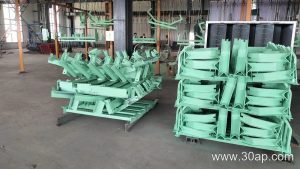
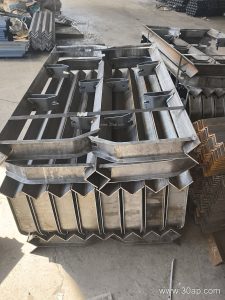
Most brackets are fabricated from angle steel, channel steel, or bent steel plate. Angle and channel sections are common for general-duty frames, while bent plate is often chosen when a cleaner profile or higher stiffness is needed. Welding quality, hole alignment, and the thickness of the base metal all affect both service life and the quoted price.
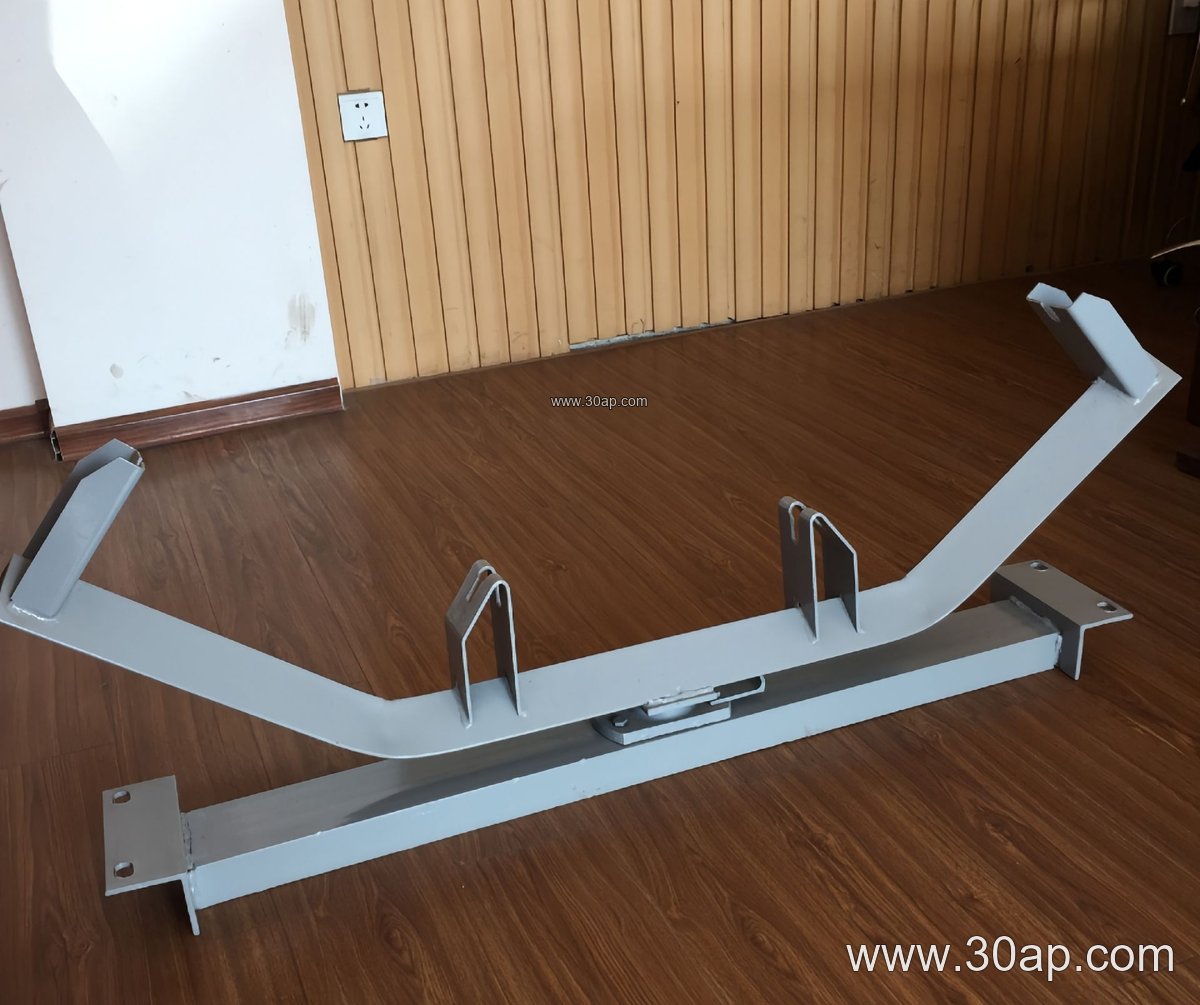
Surface treatment is another cost factor. Painted frames suit dry indoor installations, while galvanized or hot-dip treated brackets are preferred where moisture, dust, or washdown is present. In a coal washing plant or a port terminal, corrosion resistance can matter more than a small difference in unit cost.
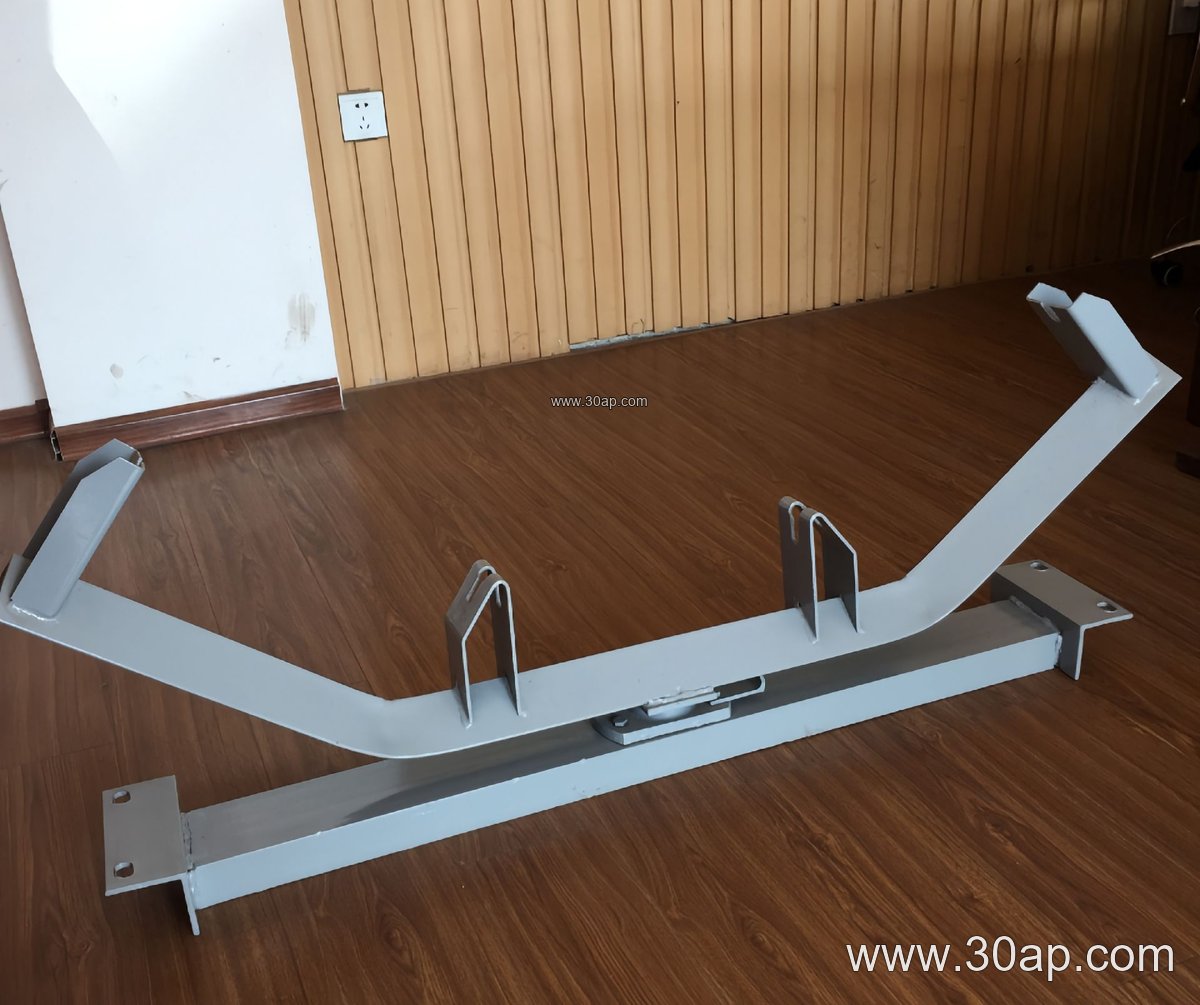
Common bracket types and where they sit
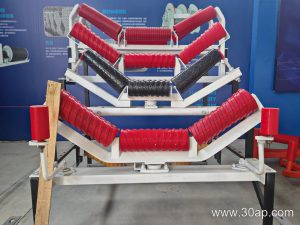
- Troughing brackets on the carrying side, setting the trough angle for the idler roller
- Transition brackets near the pulley, easing the belt from flat to troughed profile
- Return brackets and V-return brackets supporting the belt on the lower run
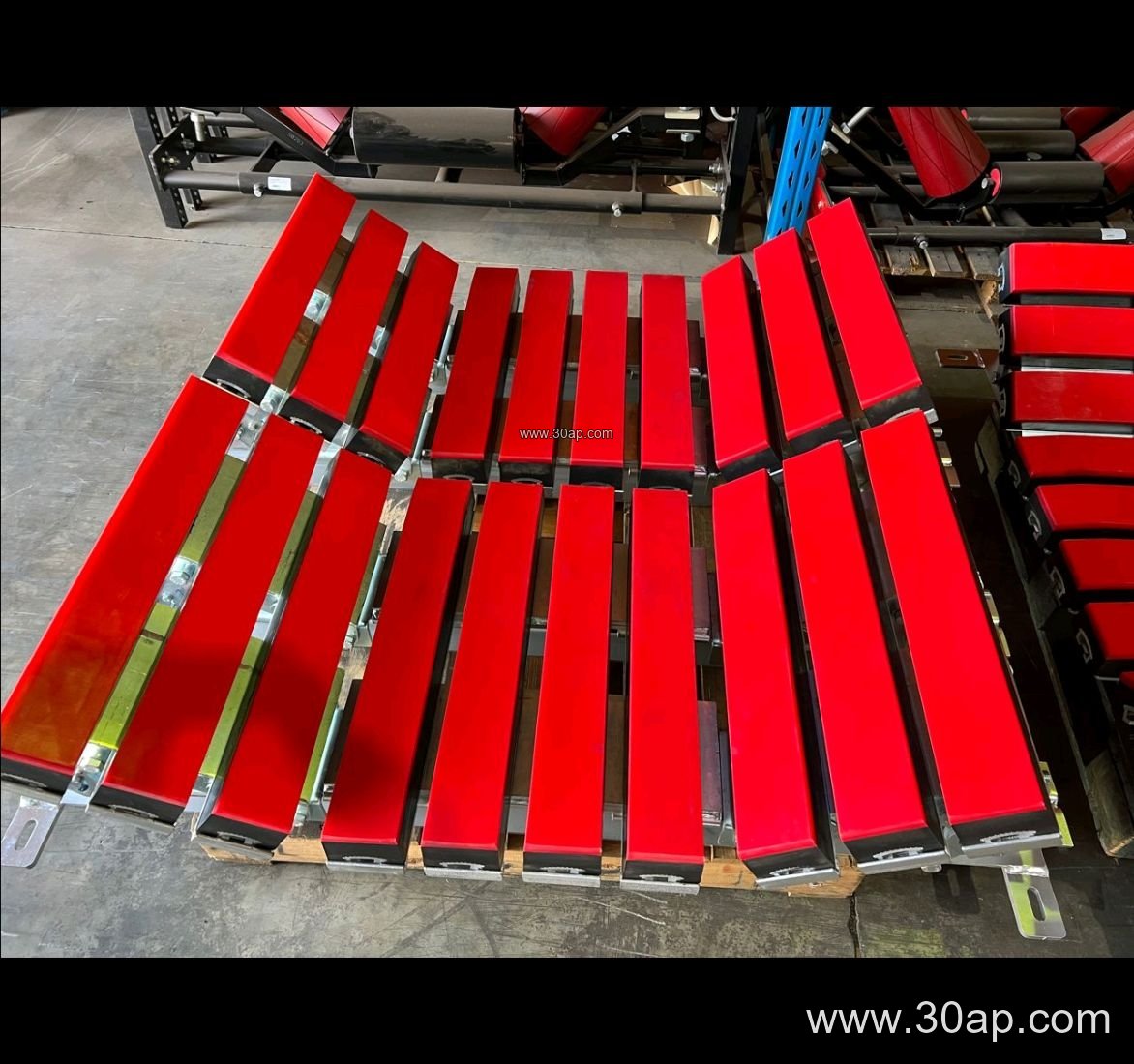
- Impact brackets under the loading point, usually paired with impact idlers
- Self-aligning and forward-leaning brackets for belt tracking
- Adjustable brackets that allow the trough angle to be changed on site
Each of these has a different fabrication cost, so a mixed bill of materials will show a range of prices rather than one figure.
Typical Reference Data
The table below gives common reference values. They are for orientation only and should be confirmed against the actual conveyor design.
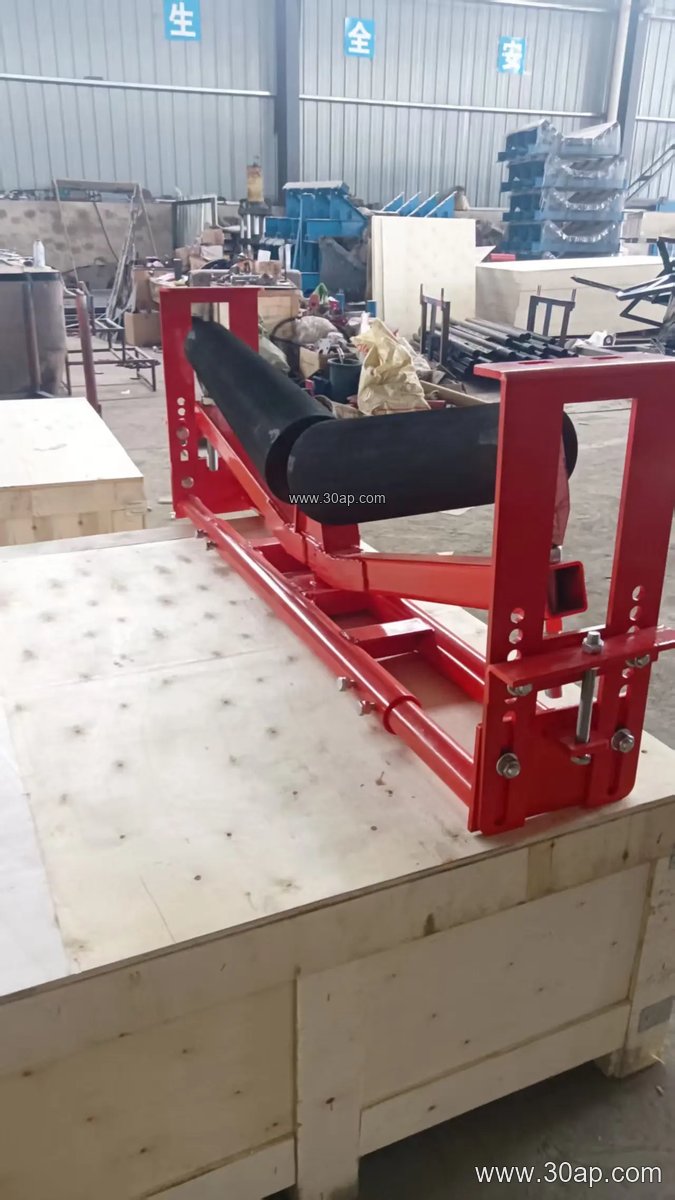
| Item | Common reference values |
|---|---|
| Belt width | B500, B650, B800, B1000, B1200, B1400, B1600, B1800, B2000 |
| Trough angle | 20°, 30°, 35°, 45° (adjustable frames cover a range) |
| Idler diameter | Ø89, Ø108, Ø133, Ø159, Ø194 |
| Material | Angle steel, channel steel, bent steel plate |
Useful combinations such as B800 with 35° and Ø108, or B1200 with 45° and Ø133, appear frequently, but no single belt width is tied to one trough angle or one roller diameter. Hole spacing and beam length change with belt width and trough angle, so they are determined by design rather than fixed.
Where the Money Goes
Several factors push the conveyor bracket price up or down:
- Steel section size and plate thickness
- Welding and machining time per piece
- Surface treatment method
- Adjustability features such as slotted holes or pivoting arms
- Order quantity and whether the frame is a standard pattern or a custom drawing
A heavy-duty mining conveyor belt line carrying iron ore or copper ore will usually need stiffer frames than a light aggregate conveyor belt in a small sand making plant. Matching the bracket to the duty avoids paying for capacity you do not need, or replacing frames too early.
Specifying Before You Ask for a Price
To get a comparable quotation, prepare the belt width, the required trough angle, the idler roller diameter, the mounting hole pattern, and the surface treatment. State whether the frame is fixed or adjustable, and note the environment: a power plant coal handling system, a fertilizer plant, or a tunnel spoil line each places different demands on the steel.
Remember that the bracket works together with the conveyor belt, the idler roller, and the conveyor pulley. A well-matched frame keeps the belt running true, reduces edge damage, and protects the pulley from off-centre loading. For buyers sourcing complete systems, it helps to discuss the bracket together with the EP conveyor belt or steel cord conveyor belt specification, since belt stiffness influences how the trough is formed.
Finally, treat any quoted price as valid only for the stated drawing and quantity. Small changes in hole position or steel grade can shift the cost noticeably, so confirm the details in writing before ordering.