What Is a V-Type Idler Bracket?
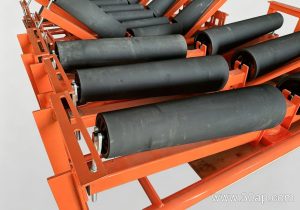
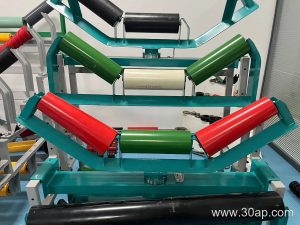
A V-type idler bracket is a return-side support that holds two idler rollers in a V formation. This conveyor bracket is usually mounted under the returning conveyor belt, where it supports the belt’s weight and helps keep it centered. The V shape creates a self-aligning effect: if the belt drifts to one side, the angled rollers gently guide it back. This makes the V-type idler bracket a practical choice for keeping the return strand tidy in bulk material handling, from a quarry conveyor belt line to a cement plant’s clinker transport.
Build and Installation
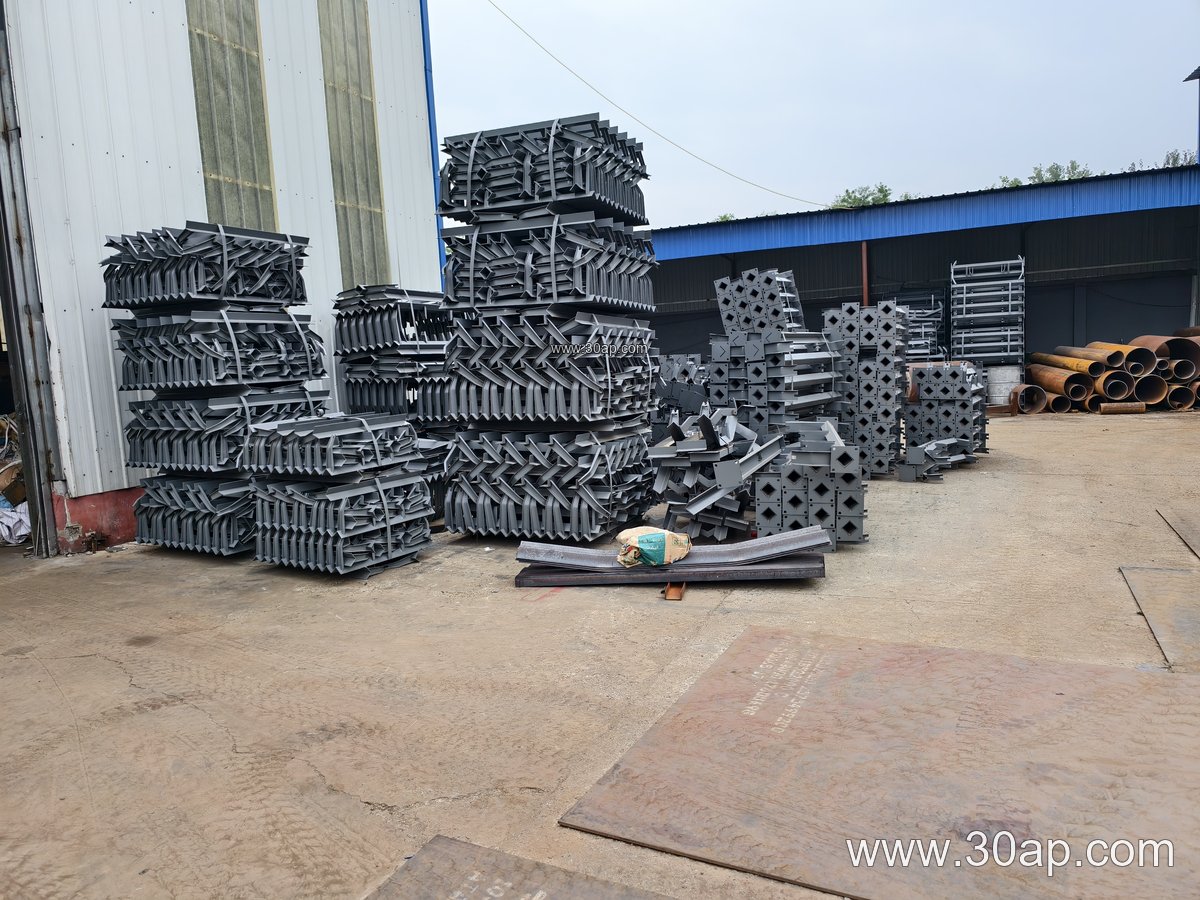
Most V-type idler brackets are fabricated from angle steel, channel steel, or folded steel plate. The two arms are set at a fixed angle, commonly 10 to 15 degrees from horizontal, though the exact geometry follows the conveyor design. The bracket is bolted to the conveyor’s stringer or frame, and the idler rollers sit in the bracket’s seats. Installation is straightforward: align the bracket square to the belt path, secure the bolts, and check that both rollers turn freely. Because the V-type idler bracket works on the return run, it is often paired with a flat return bracket or a training idler bracket elsewhere on the same conveyor.
Where It Fits
You will see this bracket in sand and gravel lines, coal washing plants, power station coal handling, and limestone crushing circuits. It suits conveyors carrying abrasive or wet material, where belt misalignment is a common headache. In a typical aggregate conveyor belt system, a series of V-type idler brackets under the return belt reduces spillage and edge wear. The same bracket design appears in iron ore and copper ore operations, where the return belt needs steady support without complex maintenance.
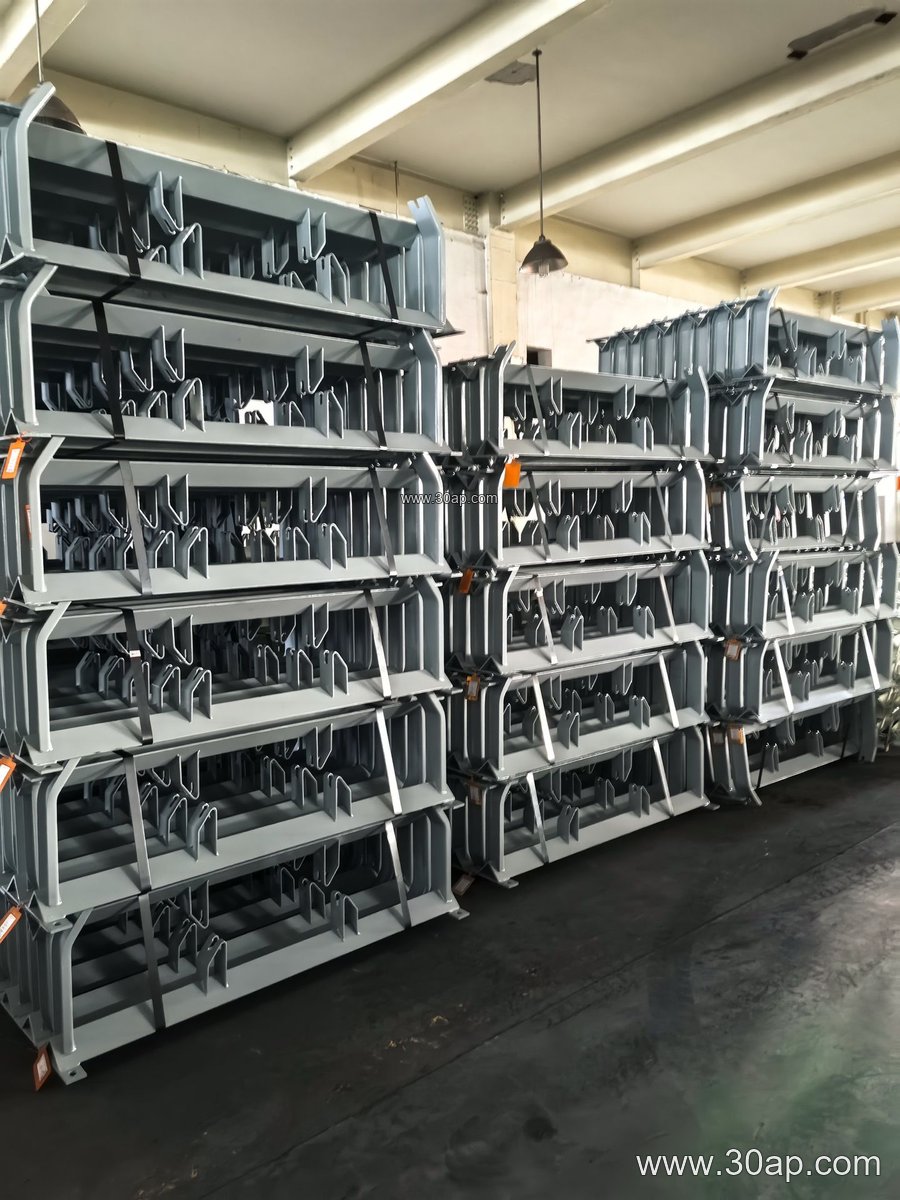
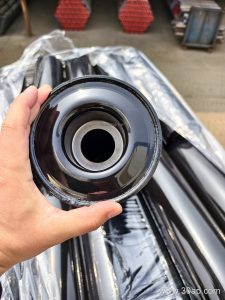
For heavier loads, the bracket may carry idlers with a larger roller diameter, such as Ø133 or Ø159, while lighter lines often use Ø89 or Ø108. Belt widths from B500 to B2200 are all possible, and the bracket’s crossbeam length and hole spacing are made to match the belt width and frame. A B800 return with 30-degree troughing on the carrying side might use a V-type idler bracket with Ø108 rollers; a B1200 line with 35-degree carrying idlers could use Ø133 rollers. These are examples, not fixed rules.
Selection Notes for Buyers
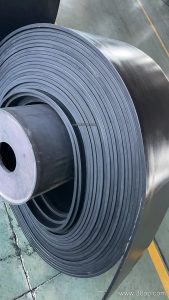
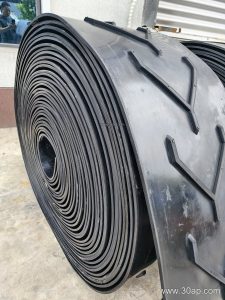
When specifying a V-type idler bracket, confirm the belt width, the roller diameter, and the mounting hole pattern on your conveyor frame. The bracket angle should match the return training needs of the belt. If the conveyor uses a rubber conveyor belt with heavy abrasion resistance, check that the bracket’s rollers are sized to handle the belt weight without overloading the bearings. For flame retardant conveyor belt applications in coal mining, the bracket and rollers should be compatible with the fire safety requirements of the site.
Also consider the environment: in a port or ship loading conveyor belt system, salt air may call for galvanized or painted brackets. In a food grade conveyor belt line, stainless or coated brackets may be needed. The V-type idler bracket is not a substitute for a bend pulley or a drive pulley; it is a return support, and its job is to keep the belt tracking and supported.
Maintenance and Compatibility
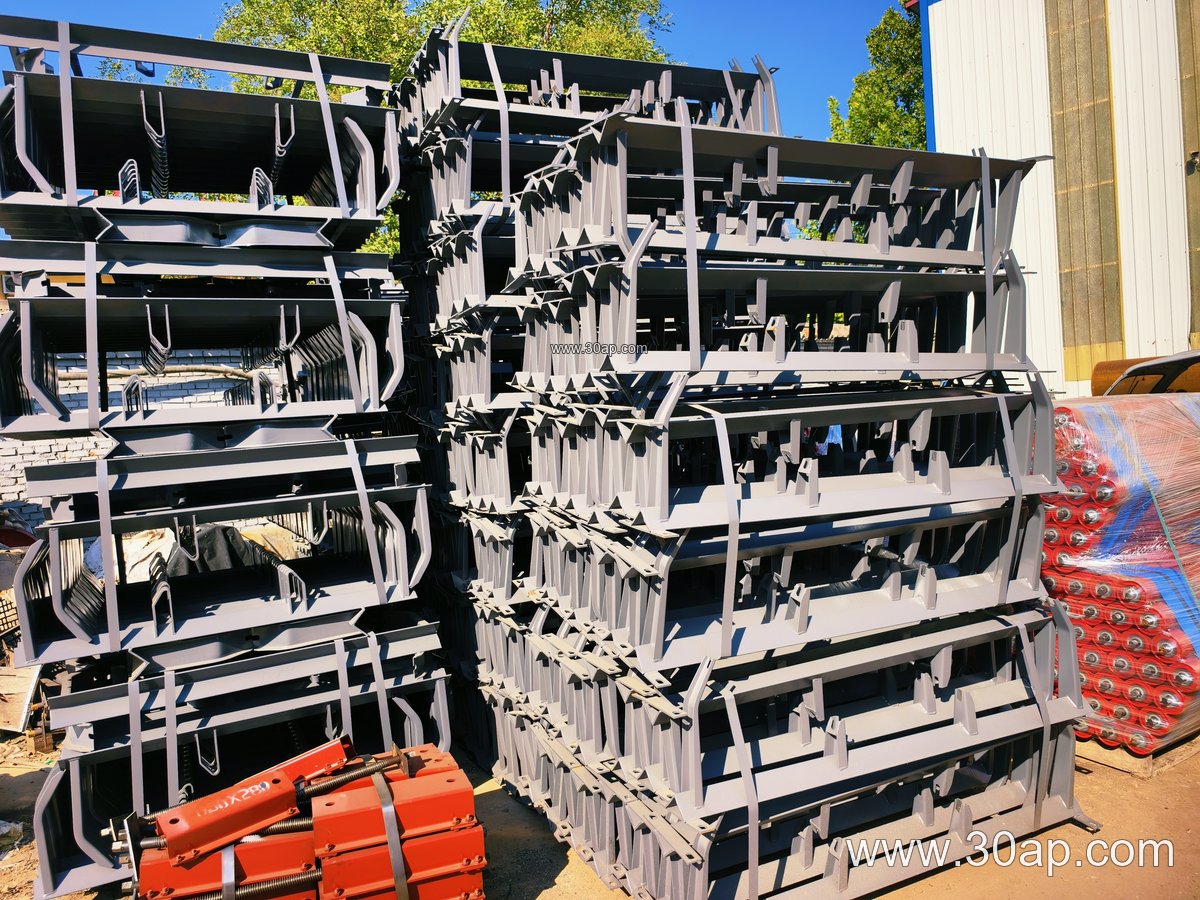
Routine checks include bolt tightness, roller rotation, and bracket alignment. A worn roller or a bent bracket can cause the belt to train poorly. Keep spare rollers and brackets on hand for critical conveyors, especially in remote quarry conveyor belt or underground mining conveyor belt installations. The V-type idler bracket works alongside conveyor pulleys, idler rollers, and the conveyor belt itself, so match its capacity to the overall system. For high temperature conveyor belt or oil resistant conveyor belt duties, verify that the bracket’s rollers use suitable bearing seals and lubricants.
In short, the V-type idler bracket is a simple, durable component that improves return belt tracking and reduces maintenance in many bulk handling industries.