What a Heavy-Duty Conveyor Pulley Does on a Conveyor
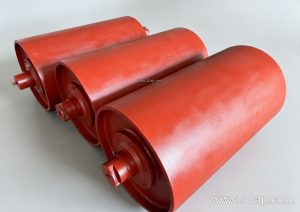
A heavy-duty conveyor pulley is the rotating drum that drives, tensions, or redirects the conveyor belt. In a coal preparation plant or a limestone quarry, the pulley often runs continuously under abrasive dust, shock loads, and high belt tension. The drive pulley transmits torque from the gearbox to the belt; the tail and bend pulleys keep the belt tracking and returning smoothly. Because these positions are not interchangeable, specifying a heavy-duty conveyor pulley means defining its role before its dimensions.
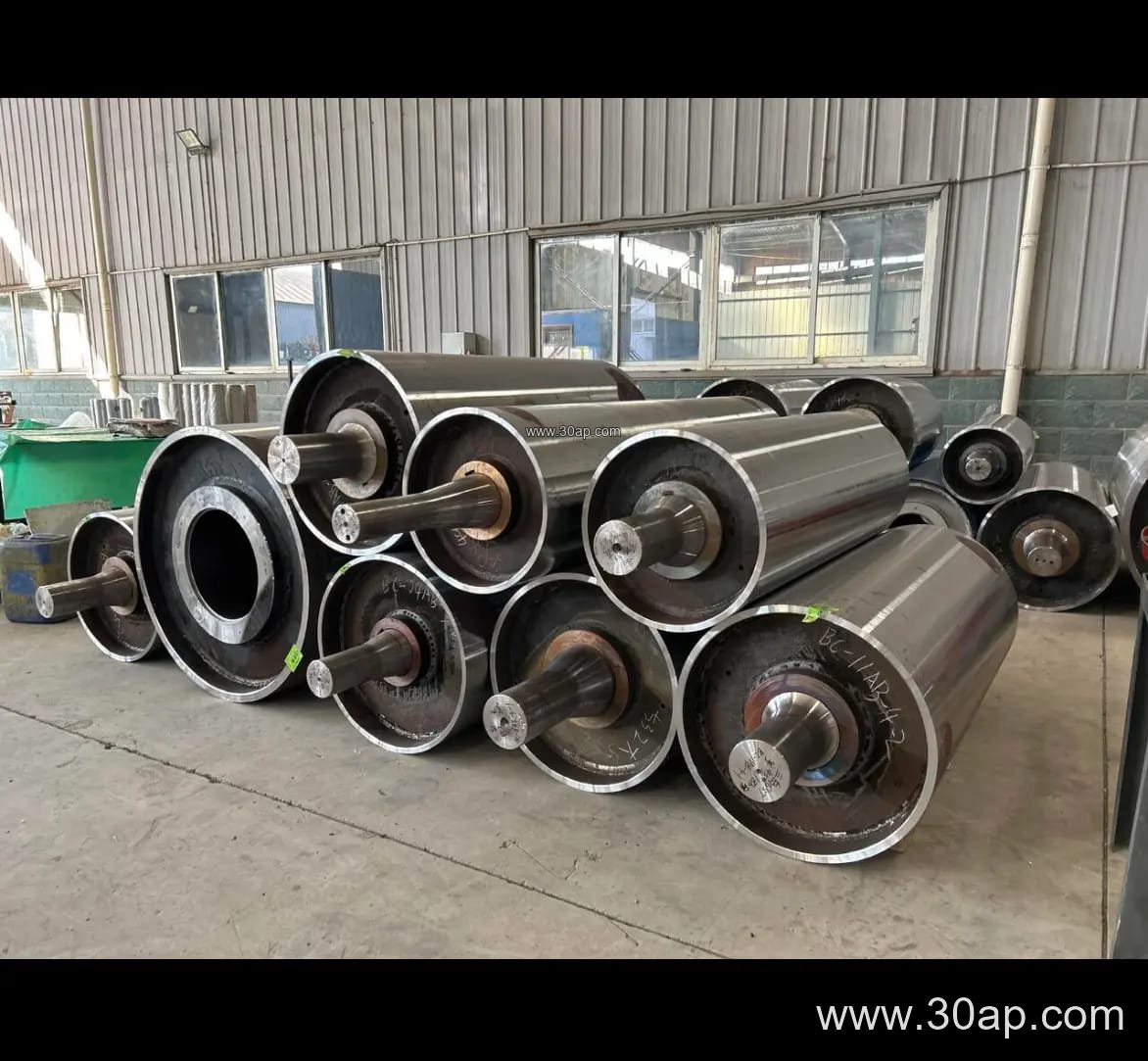
Construction Features That Matter
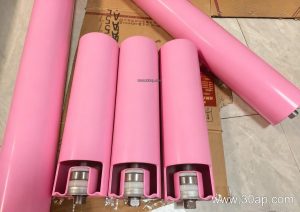
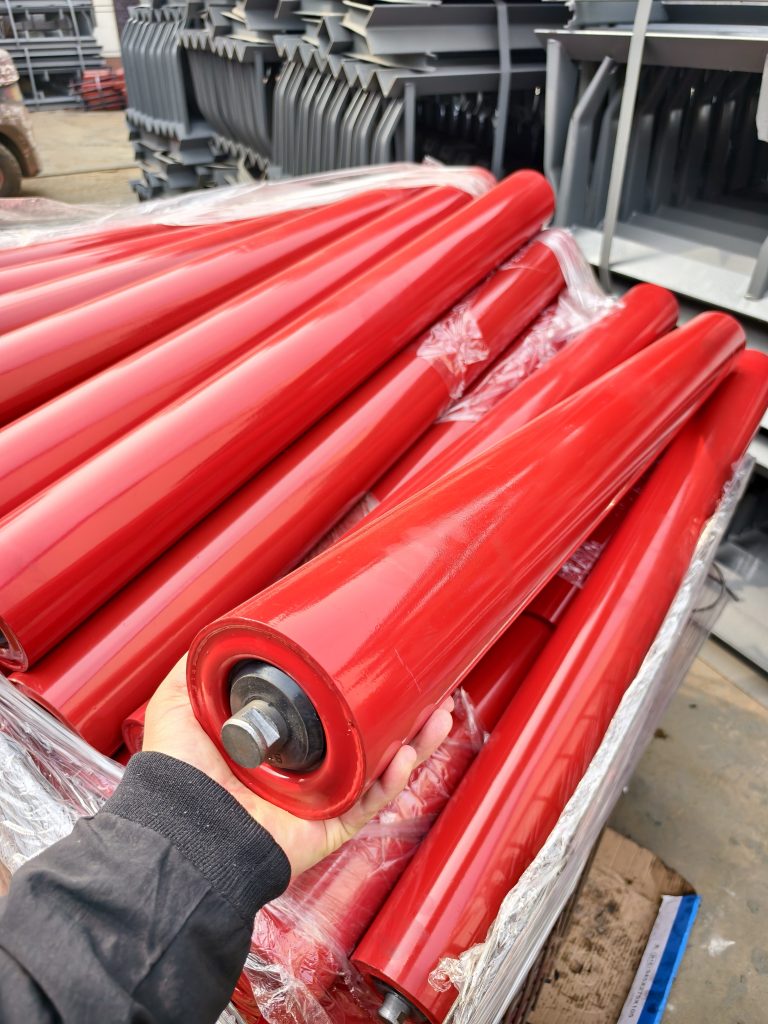
Heavy-duty drums are usually built from a rolled steel shell, welded end discs, and a shaft sized by torque and bending load. The shell surface may be plain, or covered with rubber lagging applied by cold bonding or hot vulcanizing. Diamond and herringbone grooves improve grip in wet conditions, while ceramic lagging suits very abrasive service. Common lagging thicknesses are 8, 10, 12, 15, and 20 mm, selected according to belt tension and slip risk. Shaft diameters commonly range from Ø50 to Ø200 mm, but the final value follows the calculated load rather than the belt width alone.
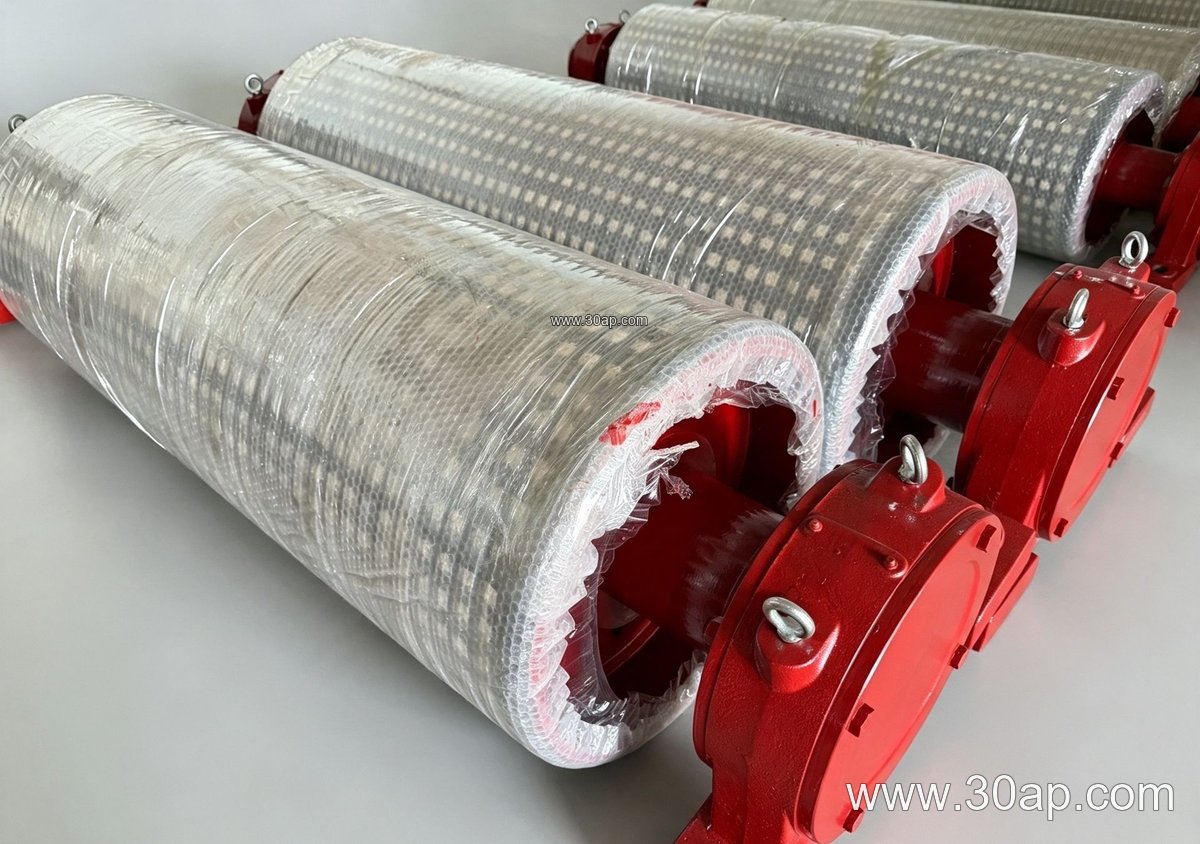
Typical Duty Locations
In a cement plant, the head pulley on a clinker conveyor may be a heavy-duty conveyor pulley with hot-vulcanized rubber lagging, while a bend pulley in the same line can be lighter. In an iron ore or copper ore terminal, the drive drum often pairs with a steel cord conveyor belt or an abrasion resistant conveyor belt, and the pulley shell must resist fines working under the lagging. A quarry conveyor feeding a crusher may use a tail pulley protected by a winged design to shed material. Coal mining conveyor belts, including flame retardant conveyor belt grades, are often paired with lagged drive drums to maintain grip in damp conditions.
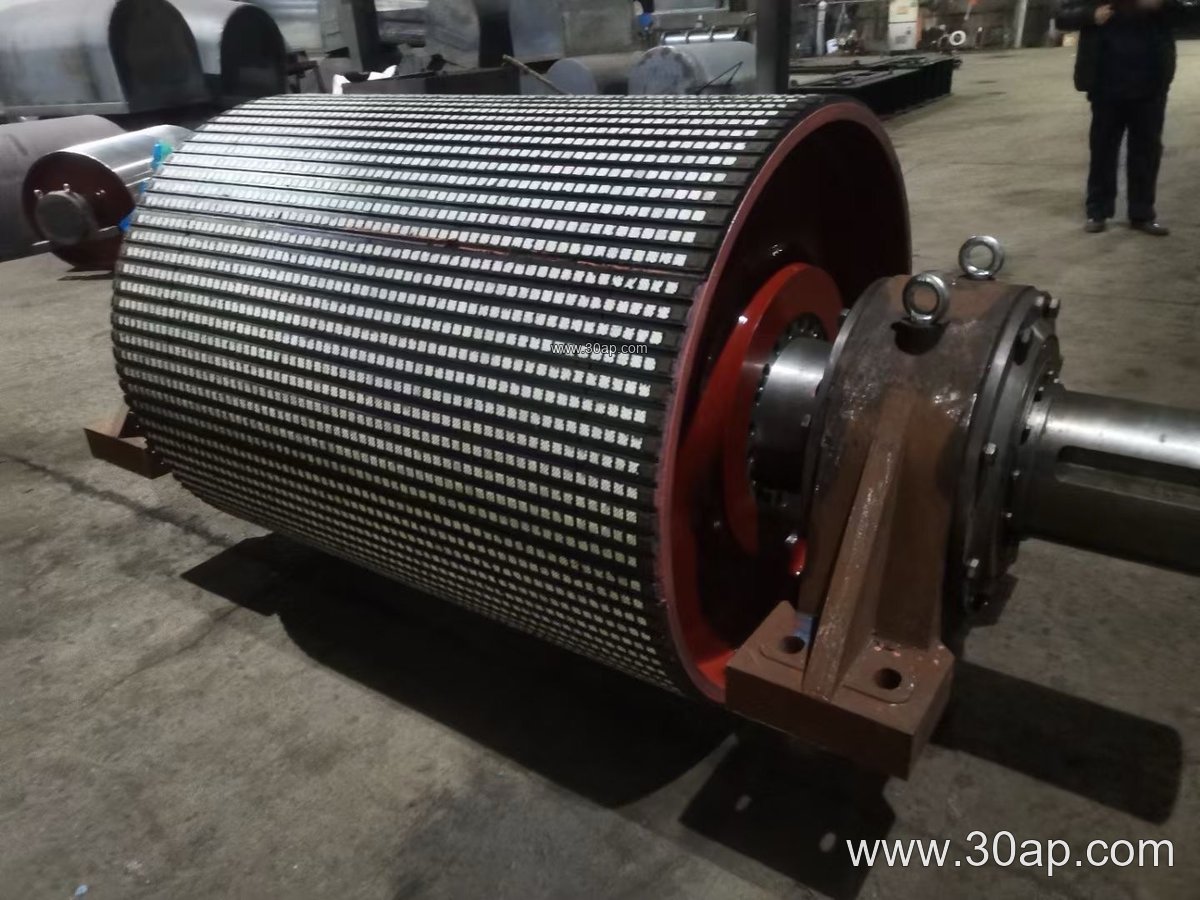
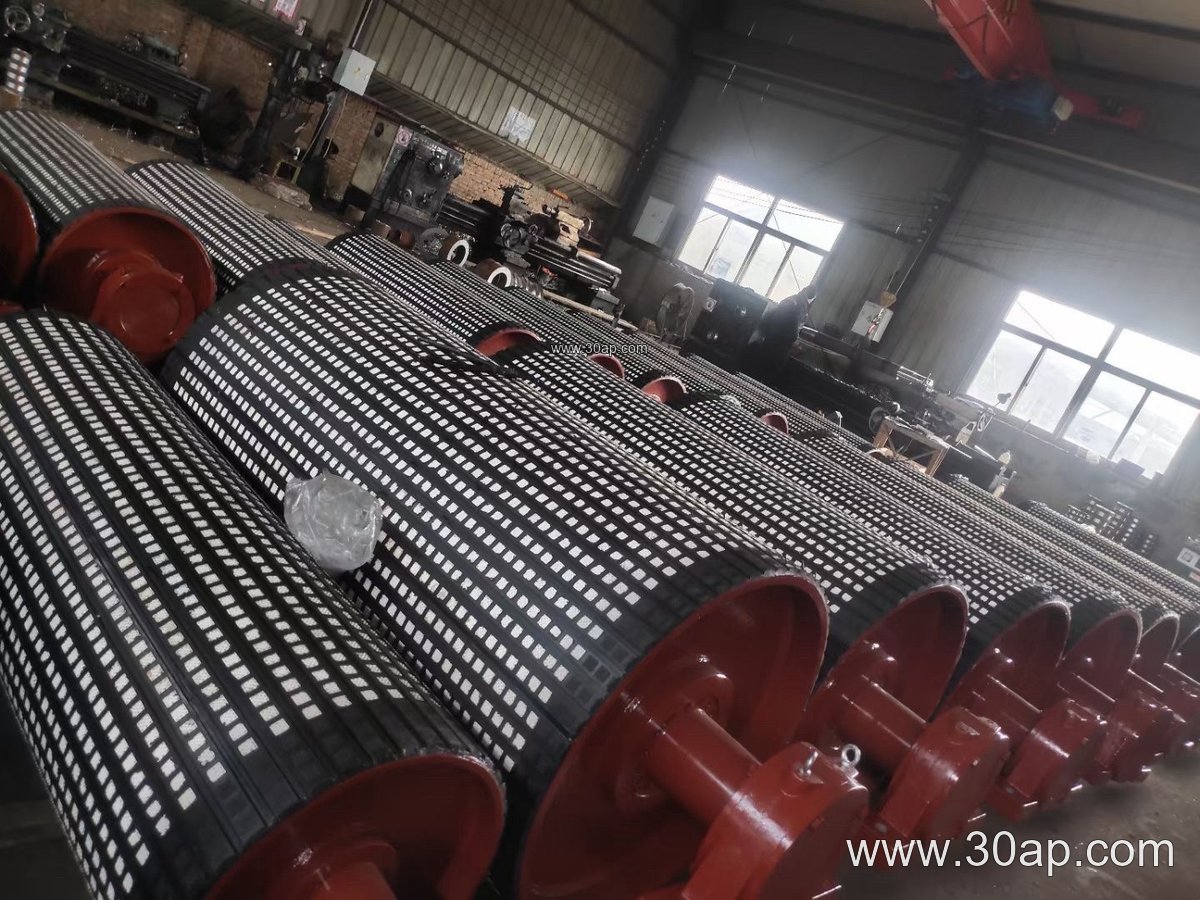
Matching Pulley Size to Belt and Load
Pulley face width is normally slightly wider than the belt. For example, a B800 belt usually runs on a pulley face around 950 mm, and a B1200 belt on roughly 1400 mm. Diameter is chosen from belt tension, wrap angle, and shaft stress, so a B800 line might use Ø500 in one layout and Ø630 in another. Typical combinations include B800 × Ø500, B1200 × Ø1000, and B1400 × Ø800, but these are reference examples, not fixed rules. The table below shows common reference ranges only.
- Belt width B400 to B650: pulley face roughly 500 to 750 mm
- Belt width B800 to B1000: pulley face roughly 950 to 1150 mm
- Belt width B1200 to B1400: pulley face roughly 1400 to 1600 mm
- Belt width B1600 to B2000: pulley face roughly 1800 to 2200 mm
At www.montageconveyor.com, buyers often ask how a heavy-duty conveyor pulley interacts with an EP conveyor belt or a multi-ply fabric core conveyor belt; the answer depends on the tension rating and the pulley diameter, not on a single catalogue number.
Buyer Checklist Before Ordering
State the pulley position: drive, tail, bend, or take-up. Give the belt width, the belt type such as EP200 conveyor belt or NN conveyor belt, and the conveyor bracket dimensions so the shaft and bearing housing fit. Specify lagging type and thickness, and confirm the shaft diameter from torque calculations. Ask for dynamic balance and weld inspection reports where relevant. For a port or ship loading conveyor belt system, mention the duty cycle and the ambient conditions. A well-specified heavy-duty conveyor pulley reduces belt slip, extends lagging life, and keeps the whole conveying line running.