What a Cast-Welded Pulley Is and How It Is Built
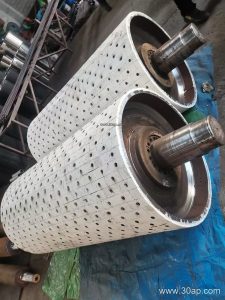
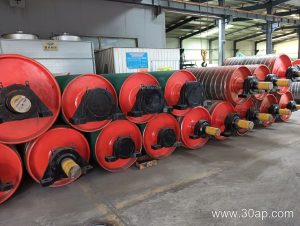
A cast-welded pulley is a conveyor pulley whose shell is produced by a combination of casting and welding, rather than from a simple rolled tube alone. The casting process forms the pulley body or end sections with integrated hubs or stiffening features, and welding joins these cast components to the shaft assembly or to the shell body. This hybrid construction gives the pulley a robust, thick-walled profile with good resistance to bending and impact. In a typical arrangement, the cast body is machined to accept the shaft, bearing housings, and lagging, while the weld seams are inspected and dressed for smooth operation. The result is a heavy-duty conveyor pulley suitable for continuous duty in demanding material handling circuits.
Because the cast-welded pulley is a distinct construction style, it should not be confused with drive, tail, or bend pulleys, which describe the pulley’s position and function. A cast-welded pulley can be supplied in any of those roles, but the term itself refers to how the pulley is manufactured. Buyers often specify a cast-welded pulley when they need a robust shell that can handle high tension, shock loading, or large diameters without excessive deflection.
Where Cast-Welded Pulleys Are Used
These pulleys are common in bulk material handling systems across industries such as mining, coal preparation, cement plants, power plant coal handling, and quarry and aggregate operations. In a limestone mine, a cast-welded pulley may serve as a head pulley driving a heavy conveyor belt loaded with crushed rock. In a coal preparation plant, the same construction may be used for a tail pulley or tension pulley where space is tight and the pulley must resist abrasive fines. The cast-welded design is also useful in sinter plants and steel mills, where heat and mechanical stress demand a sturdy pulley body.
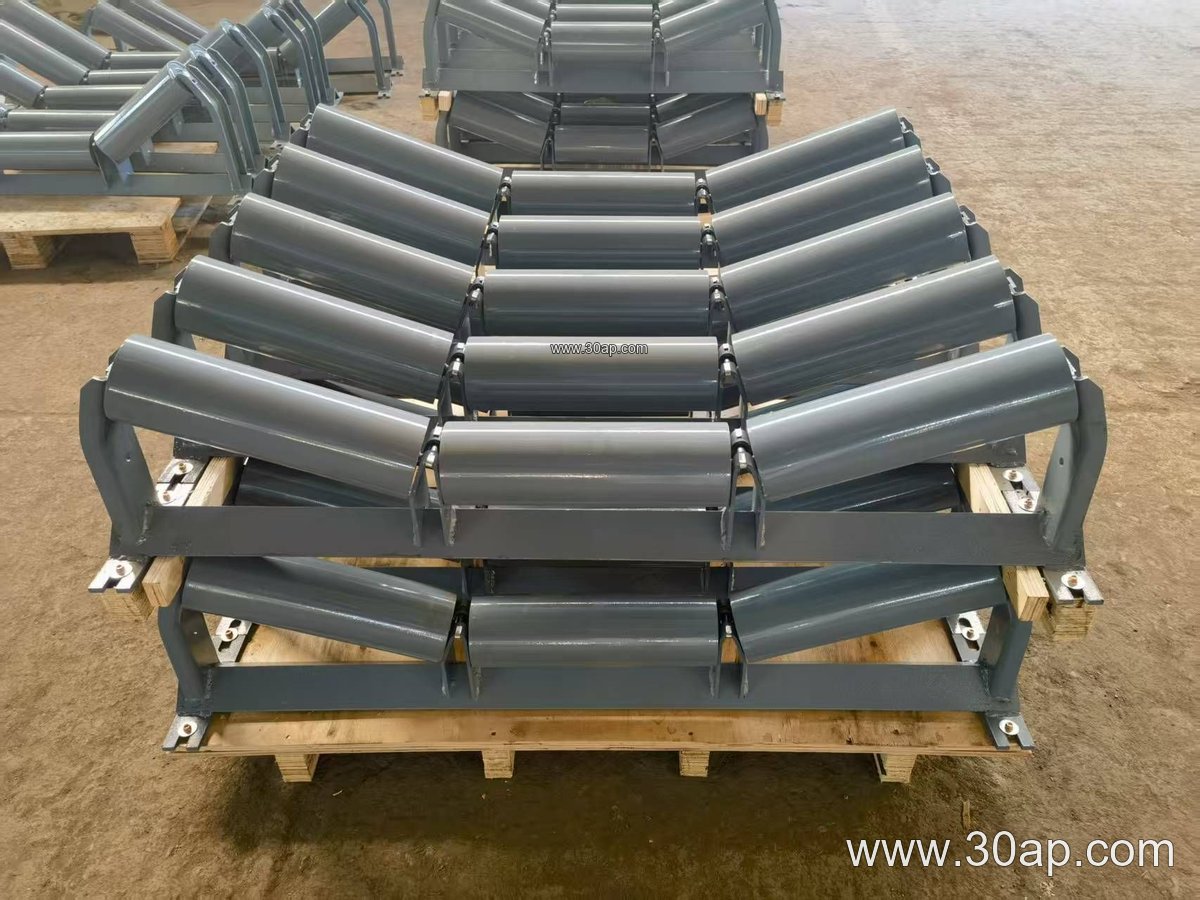
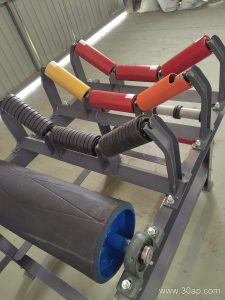
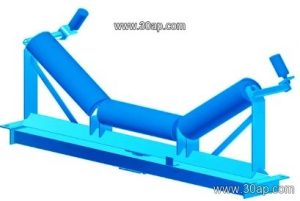
Because the pulley works with the conveyor belt, idler roller, and conveyor bracket, the overall conveyor layout must be considered. A cast-welded pulley that is properly matched to the belt width and tension will help maintain belt tracking and reduce wear on the conveyor belt, idler rollers, and brackets. For abrasive duty, pairing the pulley with an abrasion resistant conveyor belt and well-sealed idler rollers can extend service life. In underground mining, a flame retardant conveyor belt may be required, and the pulley should be selected to suit the same environment.
Construction Details That Matter
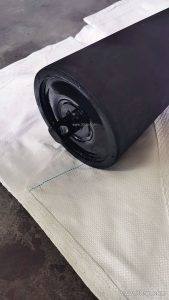
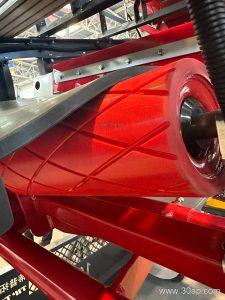
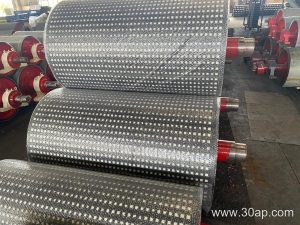
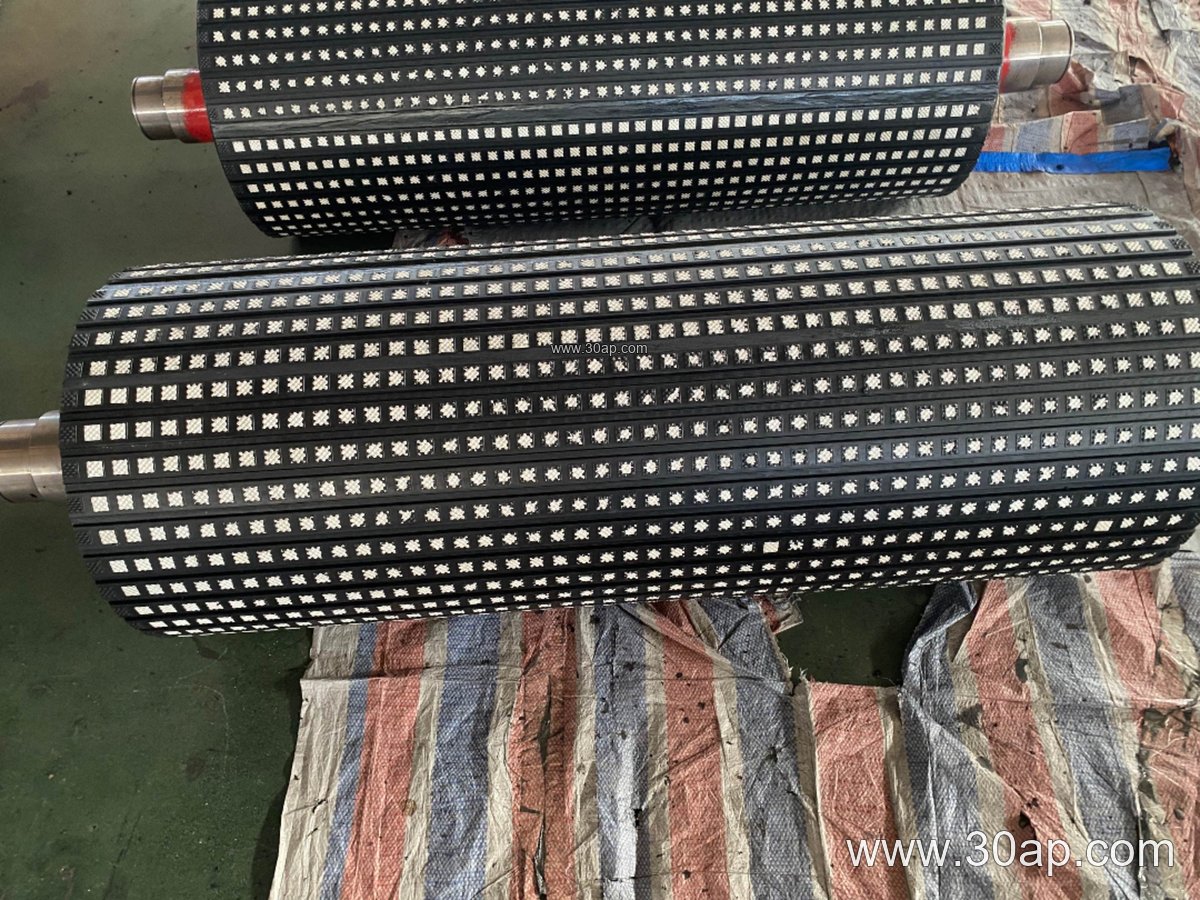
The cast-welded pulley typically includes a cast shell or cast end discs, a welded shaft connection, and machined surfaces for lagging. Common surface forms include plain, cast rubber, cold-bonded rubber, hot vulcanized rubber, diamond lagging, herringbone lagging, and ceramic lagging. Lagging thickness is often 8, 10, 12, 15, or 20 mm, depending on the application and the required grip. The pulley face width is usually greater than the belt width; for example, a B800 belt may use a pulley face around 950 mm, while a B1200 belt may use a face around 1400 mm. These are typical references, not fixed rules, and the final dimensions are determined by the conveyor design.
Shaft diameter is selected by torque and load, not by belt width alone. Common shaft sizes include Ø50, Ø60, Ø70, Ø80, Ø90, Ø100, Ø120, Ø140, Ø160, Ø180, and Ø200 mm. A cast-welded pulley with a Ø1000 mm diameter and a B1200 belt width is a common combination in heavy-duty service, but many other combinations are possible. The pulley diameter should be checked against the belt’s minimum pulley diameter recommendation and the available space.
Selection and Maintenance Notes
When choosing a cast-welded pulley, confirm the pulley’s role—drive, tail, bend, or tension—and the expected belt tension. Match the lagging type to the environment: ceramic or diamond lagging for wet and slippery conditions, plain or rubber lagging for general duty. Ensure the shaft and bearing assembly are sized for the load, and verify that the pulley face width suits the conveyor belt width. During installation, align the pulley with the conveyor frame and check that the conveyor bracket and bearing seats are clean and square. Regular inspection of the lagging, welds, and shaft should be part of the maintenance schedule.
For a complete conveyor solution, the cast-welded pulley should be considered together with the conveyor belt, idler roller, and conveyor bracket. Whether the system uses an EP conveyor belt, a steel cord conveyor belt, or a heat resistant conveyor belt, the pulley must be compatible with the belt’s construction and operating conditions. A well-selected cast-welded pulley helps maintain stable belt tracking and contributes to the overall reliability of the conveyor line.