What a Belt Conveyor Bracket Does on the Line
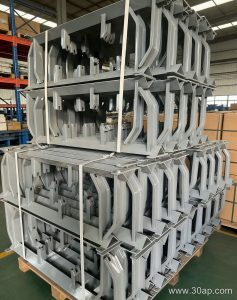
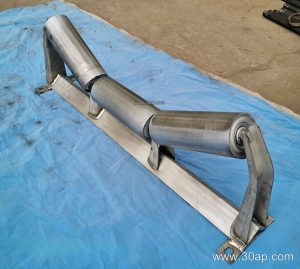
On any troughed belt conveyor, the belt conveyor bracket is the structural link between the idler roller and the conveyor frame. It holds the rollers at the correct trough angle, keeps spacing consistent along the carry side and return side, and transfers the load from the belt and material into the main stringers. In a quarry or a cement plant, a well-built bracket assembly helps maintain belt alignment and reduces the chance of material spillage at transfer points.
Because the bracket works together with the conveyor belt, idler roller and conveyor pulley, small errors in bracket height or angle can show up as edge wear, roller seizure or belt mistracking. That is why buyers often treat the bracket as a wear part that deserves the same attention as the rollers themselves.
Common Types and Where They Sit
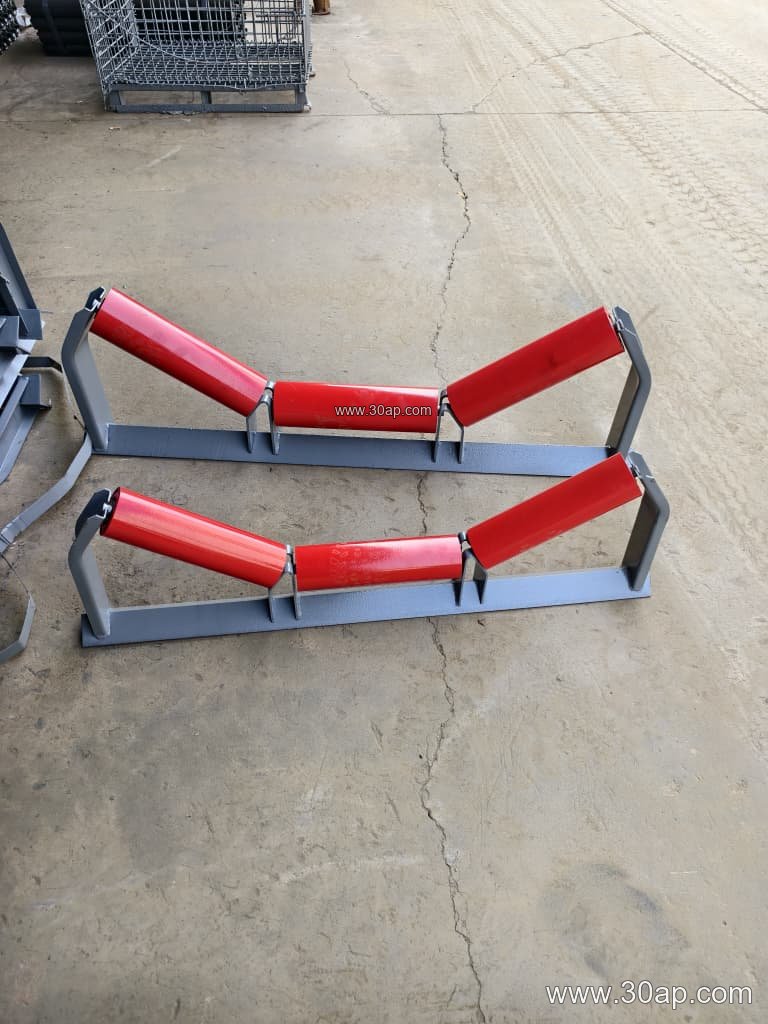
The carry side usually uses a troughing bracket, often called a troughing idler bracket or simply a trough bracket. It supports three rollers at a set trough angle. On the return side, a flat return bracket or a V-return bracket carries the empty belt. Transition brackets are placed near the head and tail to ease the belt from flat to troughed. Impact brackets sit under loading points and are paired with impact rollers.
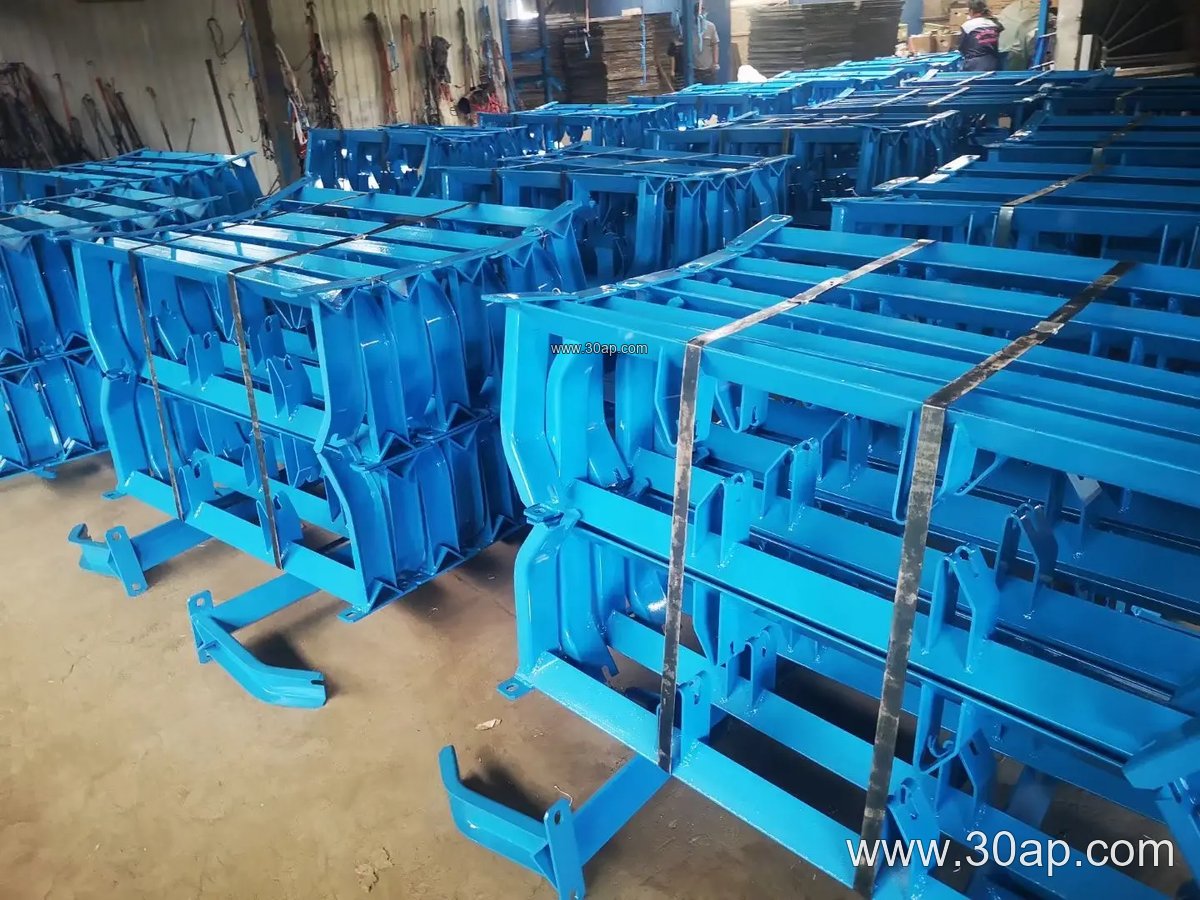
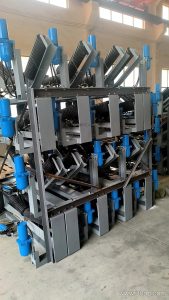
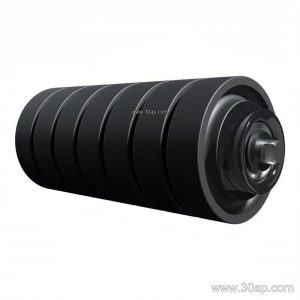
Adjustable brackets allow the trough angle to be changed within a range, which helps when a conveyor handles different materials. Self-aligning brackets work with training rollers to correct minor mistracking. Hanging brackets are used in some compact or mobile conveyor designs. Each type is a distinct component, and a troughing bracket should not be confused with a return bracket or with a conveyor pulley.
Build, Materials and Fit
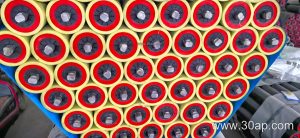
Most brackets are fabricated from angle steel, channel steel or folded steel plate. The frame is drilled or slotted to match the roller shaft ends. Common belt widths include B500, B650, B800, B1000, B1200, B1400, B1600 and B1800, but the bracket length and hole spacing are determined by the belt width, trough angle and roller diameter together. Typical roller diameters are Ø89, Ø108, Ø133, Ø159 and Ø194. A B800 conveyor might use a 35 degree trough with Ø108 rollers in one plant, while a B1200 conveyor in a coal handling system could run 45 degrees with Ø133 rollers. These are examples of common combinations, not fixed rules.
| Bracket Type | Typical Location | Common Belt Widths (B) | Common Roller Diameter | Common Trough Angle |
|---|---|---|---|---|
| Troughing bracket (3-roll) | Carry side | B500–B1800 | Ø89–Ø159 | 20°, 30°, 35°, 45° |
| Flat return bracket | Return side | B500–B2000 | Ø89–Ø159 | Flat |
| V-return bracket | Return side | B650–B1600 | Ø89–Ø133 | V configuration |
| Transition bracket | Near head/tail | B800–B1800 | Ø108–Ø159 | Variable |
| Impact bracket | Load zone | B800–B1600 | Ø108–Ø159 | 30°–45° |
| Adjustable bracket | Carry side, variable | B650–B1400 | Ø89–Ø133 | 20°–45° |
Forward-leaning brackets, often set at about 1.5 to 2 degrees, are used with forward-leaning rollers to help center the belt. Spiral roller brackets and self-aligning brackets are selected when sticky material or misalignment is a concern.
Selection Notes for Buyers
Start with the belt width, the required trough angle and the roller diameter, then confirm the mounting hole pattern with the roller supplier. Check the material of the bracket against the environment: a wash plant or a fertilizer store may need extra corrosion protection, while a sinter plant or a power plant coal yard may need brackets that tolerate heat and dust. The bracket should match the conveyor frame bolt spacing, and the roller shaft should seat without forcing.
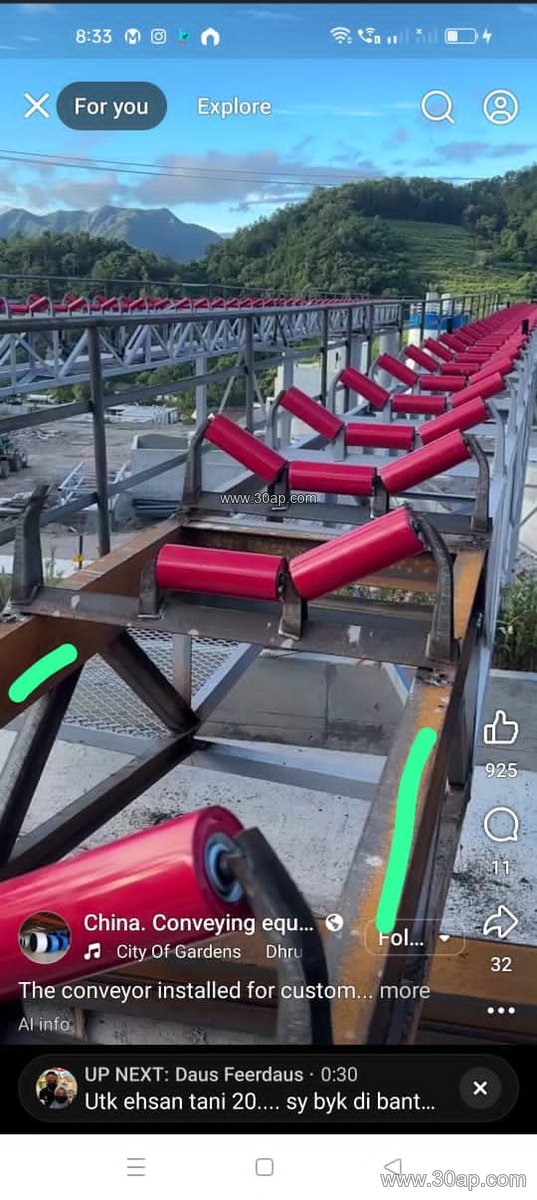
When specifying, ask for the bracket drawing, the steel grade and the surface treatment. For a heavy-duty mining conveyor belt installation, the bracket thickness and weld quality matter as much as the roller. Keep a small stock of spare brackets for transition and impact zones, where failures are more likely.
Maintenance and Compatibility
Inspect brackets during routine roller checks. Look for bent frames, elongated holes and loose bolts. A misaligned bracket can cause the belt to run off-center even when the rollers are new. Replace damaged brackets in pairs where possible, and recheck the trough angle after replacement. The bracket is a simple part, but it works in a system with the belt, rollers and pulleys. Treating it as an afterthought often leads to repeated downtime in sand and gravel lines, cement plants and port loading facilities.
For more information on compatible rollers and belts, visit conveyor bracket and conveyor belt resources. Related components such as the idler roller and conveyor pulley should always be specified together with the bracket to ensure a proper fit.