What an Iron Ore Conveyor Pulley Does
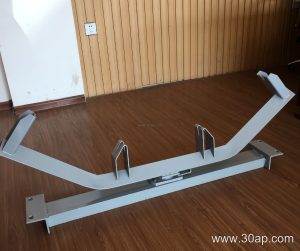
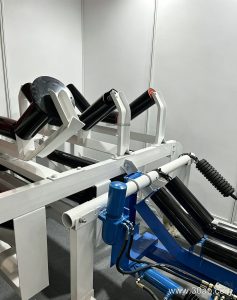
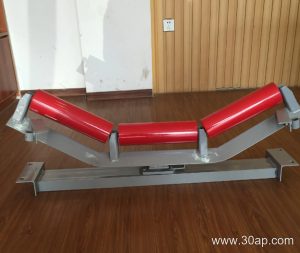
An iron ore conveyor pulley is the rotating drum that drives or redirects the belt on a bulk handling conveyor. In a typical iron ore conveyor system, the drive pulley transmits power to the conveyor belt, while other pulleys guide the belt along its path. Because iron ore is dense and abrasive, the pulley must be built to handle high tension and wear. The pulley works together with the idler roller and conveyor bracket to keep the belt aligned and moving efficiently.
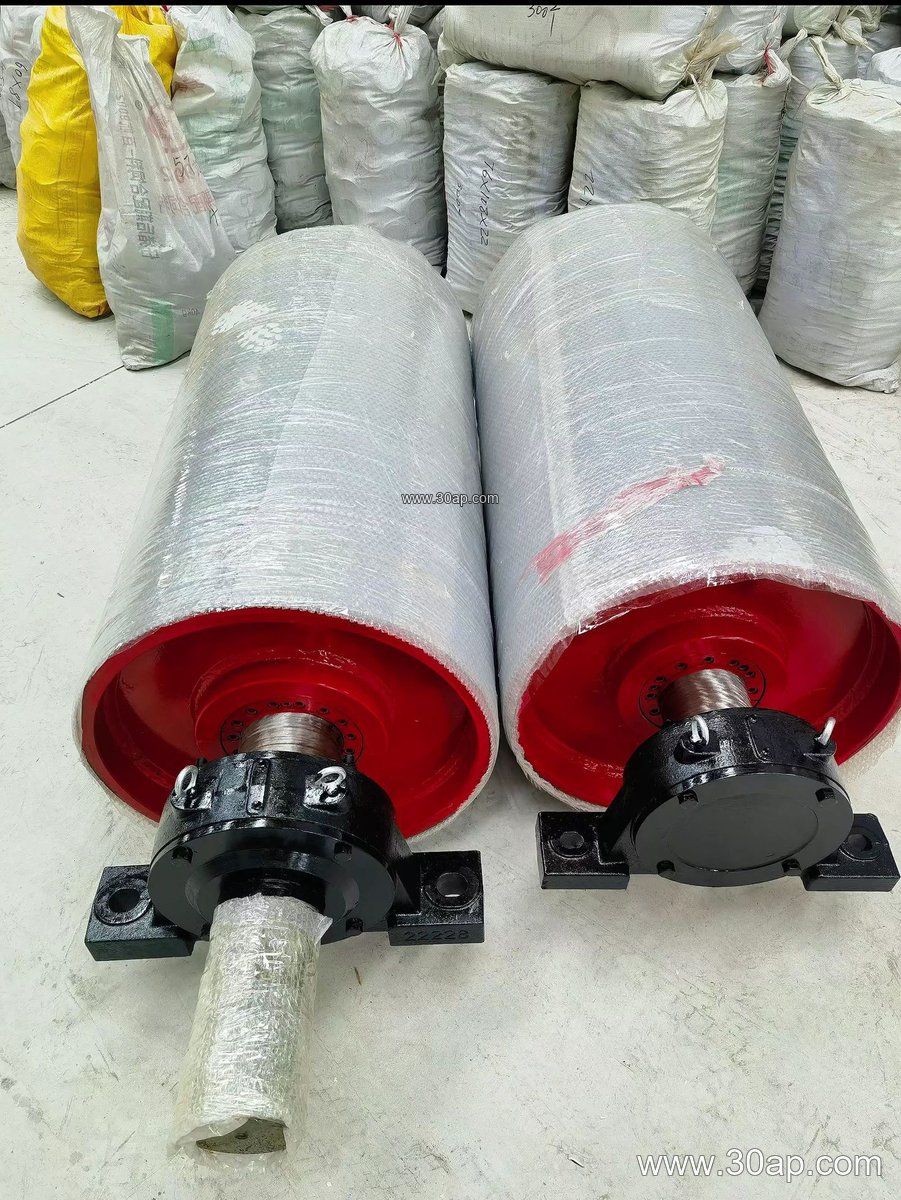
Construction and Surface Options
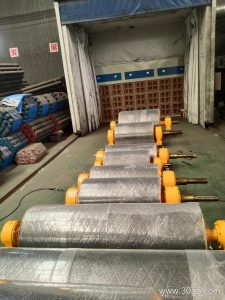
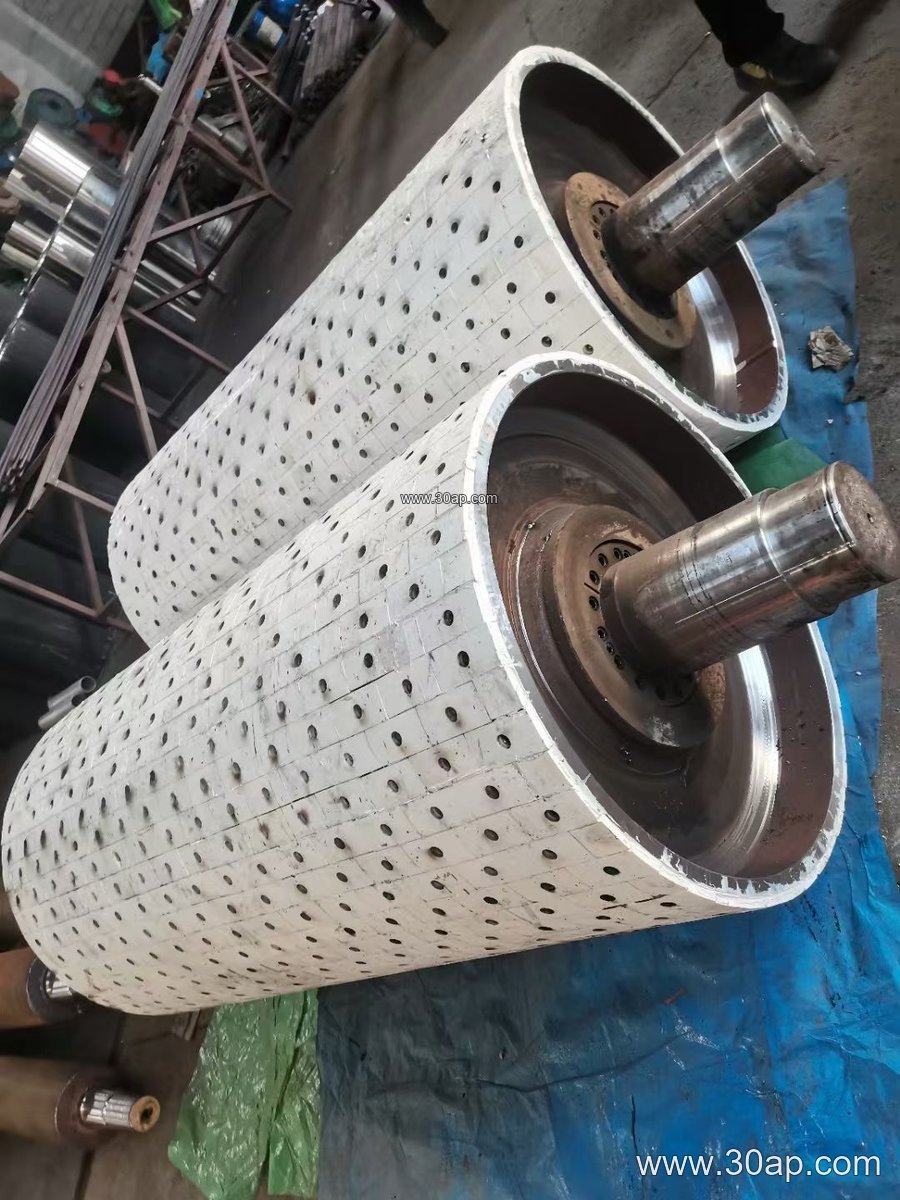
Most iron ore conveyor pulleys are welded steel drums with shafts, hubs, and bearing housings. The surface may be plain or covered with rubber, ceramic, or other materials to improve grip and reduce slip. Common surface forms include plain, cast rubber, cold-bonded rubber, hot-vulcanized rubber, diamond grooved, herringbone grooved, and ceramic lagging. Lagging thickness often ranges from 8 mm to 20 mm, depending on the duty. The pulley face width is usually wider than the belt to prevent edge damage. For example, a B1200 belt may use a pulley face of about 1400 mm, and a B800 belt may use about 950 mm. Diameters vary from Ø200 to Ø1800 or more, selected according to belt tension and shaft load.
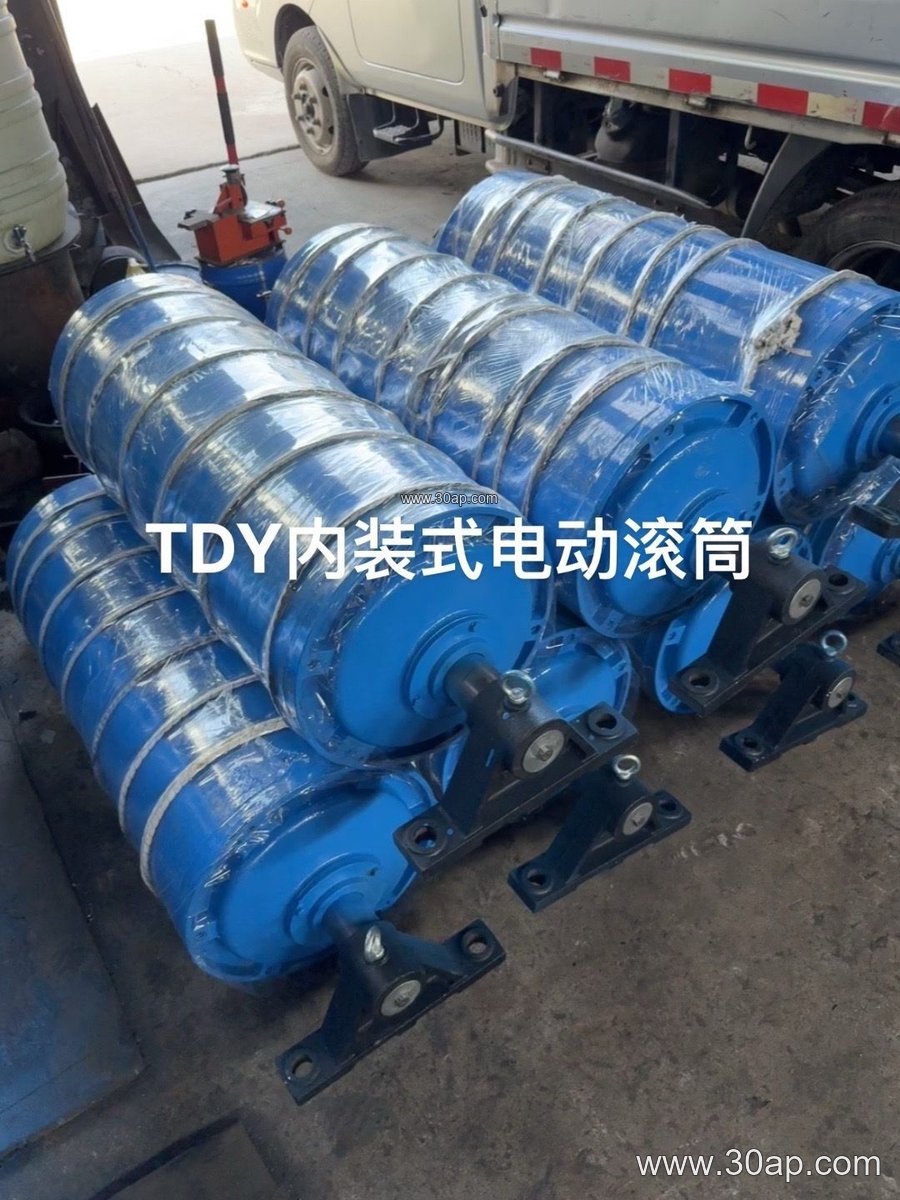
Common Pulley Dimensions (Reference Only)
| Belt Width | Typical Pulley Face Width | Example Diameter Range |
|---|---|---|
| B500 | 600 mm | Ø250–Ø400 |
| B800 | 950 mm | Ø315–Ø630 |
| B1000 | 1150 mm | Ø400–Ø800 |
| B1200 | 1400 mm | Ø500–Ø1000 |
| B1400 | 1600 mm | Ø630–Ø1250 |
| B1600 | 1800 mm | Ø800–Ø1400 |
Shaft diameters are determined by torque and load, not by belt width alone. Common shaft sizes include Ø80, Ø100, Ø120, Ø140, Ø160, and Ø180 mm. A pulley might be specified as B1200 × Ø1000 with a 140 mm shaft, but these are examples, not fixed rules.
Where Iron Ore Conveyor Pulleys Are Used
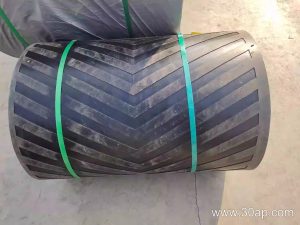
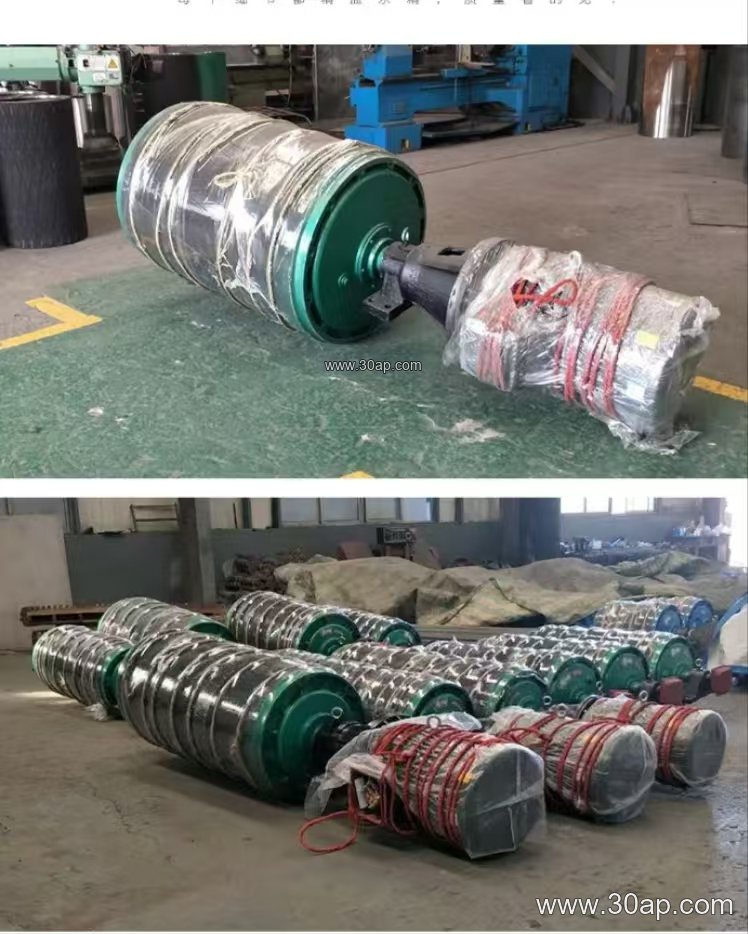
These pulleys are found in iron ore mines, steel plants, and port bulk terminals. In a crushing and screening circuit, the drive pulley powers the belt that carries ore from the crusher to the stockpile. Tail and bend pulleys redirect the belt and maintain tension. The pulley must resist abrasive dust and occasional impact from lump ore. In such environments, a combination of a heavy-duty conveyor pulley, abrasion resistant conveyor belt, and sturdy idler roller ensures reliable operation. Other industries like coal mining, cement plants, and power plants also use similar pulleys, but the iron ore duty places extra emphasis on wear protection.
Key Selection Factors for Buyers
When choosing an iron ore conveyor pulley, consider the belt width, maximum belt tension, and the pulley’s location (head, tail, take-up, or bend). Drive pulleys usually require lagging to transmit torque without slip; ceramic or diamond grooved lagging is common for high-traction needs. Tail and bend pulleys may use plain or rubber lagging. The shaft size must be calculated from the actual torque and radial load. Bearing selection and housing seals should suit the dusty, often wet conditions of a mine. Also check that the pulley face width matches the belt and that the pulley is balanced for the operating speed. The pulley should be compatible with the conveyor bracket and the overall conveyor layout. For extreme abrasion, consider a pulley with a thick rubber cover (e.g., 15–20 mm) and a robust shell.
Maintenance and Belt Interaction
Regular inspection of lagging wear, shaft alignment, and bearing condition helps prevent unplanned stoppages. A worn pulley surface can cause belt slip, misalignment, and increased wear on the conveyor belt. When replacing a pulley, verify the diameter and face width against the original design, and ensure the new pulley matches the belt speed and tension requirements. In iron ore operations, keeping the pulley clean and the lagging intact extends service life. Partnering with a supplier who understands the demands of iron ore handling can simplify selection and reduce downtime.