What a Heavy-Duty Steel Conveyor Bracket Does on a Belt System
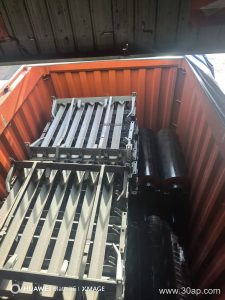
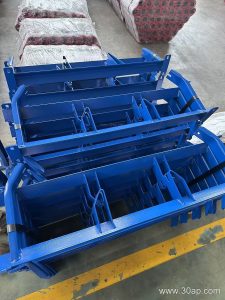
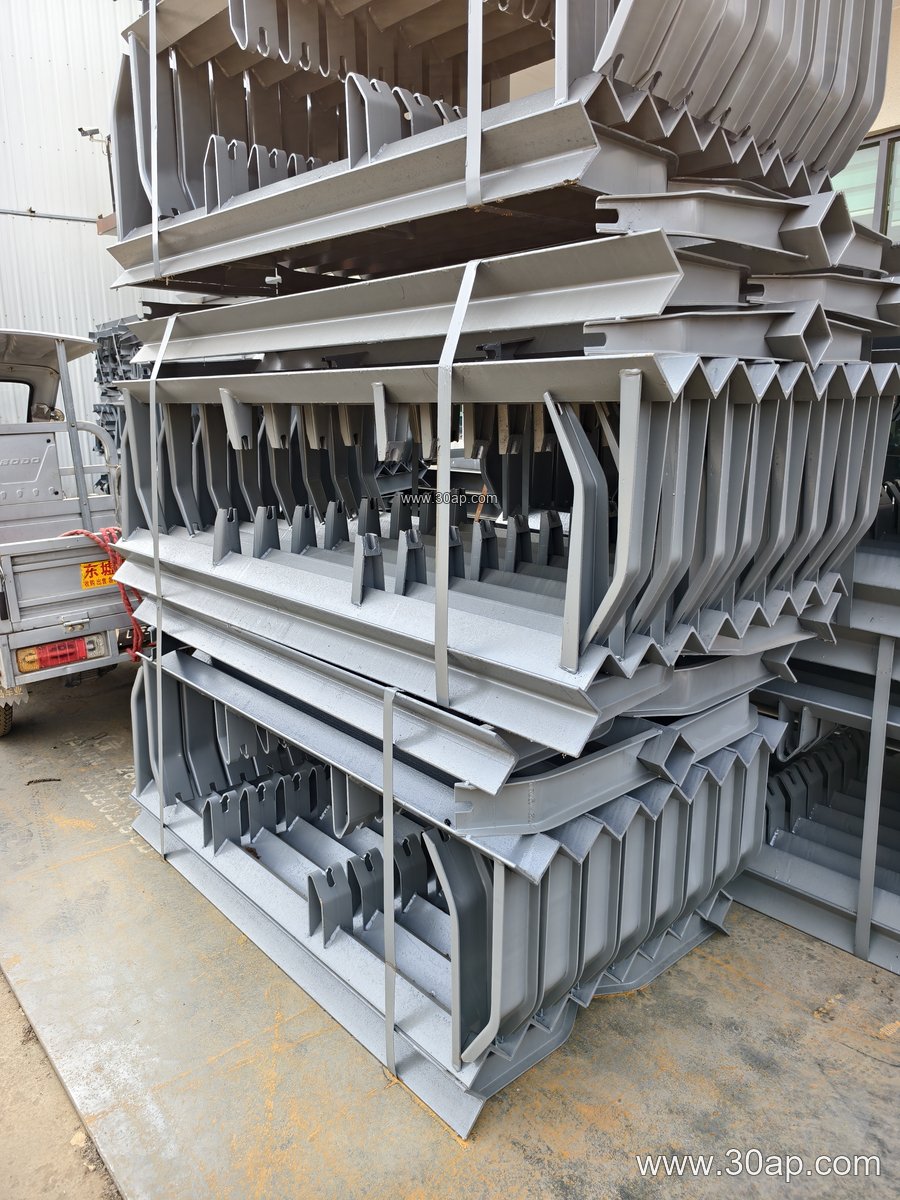
A heavy-duty steel conveyor bracket is the structural support that holds idler rollers in the correct position along a conveyor frame. In a quarry, a coal handling plant, or a crushing and screening line, the conveyor bracket carries the load of the belt, the material, and the rollers, then transfers it into the main frame. A light bracket may be fine on a short package line, but where rock, ore, or aggregate runs continuously, the bracket has to absorb vibration and impact without loosening or bending. This is why the heavy-duty steel conveyor bracket is treated as a load-bearing component rather than a simple accessory.
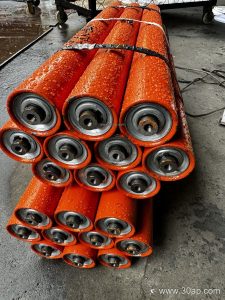
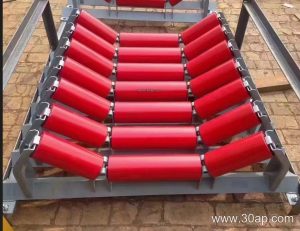
The bracket does not work alone. It locates the conveyor idler roller, sets the trough angle of the conveyor belt, and keeps the belt tracking in line with the structure. When brackets are weak or poorly aligned, the belt wears unevenly, the rollers run hot, and spillage increases.
How the Bracket Is Built
Most heavy-duty brackets are formed from angle steel, channel steel, or folded steel plate. The material thickness, weld size, and hole positions are usually determined by the belt width, the trough angle, and the expected load. Rust protection matters in wet or dusty sites, so buyers often ask for painting, hot-dip galvanizing, or another coating suitable for the environment.
Typical reference data for bracket and roller matching is shown below. These values are common ranges, not fixed rules, and final dimensions follow the conveyor design.
| Belt width | Trough angle | Idler diameter | Typical bracket form |
|---|---|---|---|
| B500 | 20° / 30° | Ø89 | Fixed trough bracket |
| B650 | 30° / 35° | Ø89 / Ø108 | Fixed or adjustable trough bracket |
| B800 | 30° / 35° / 45° | Ø108 / Ø133 | Trough bracket, transition bracket |
| B1000 | 35° / 45° | Ø108 / Ø133 / Ø159 | Trough bracket, impact bracket |
| B1200 | 35° / 45° | Ø133 / Ø159 | Heavy trough bracket, return bracket |
| B1400 | 35° / 45° | Ø133 / Ø159 / Ø194 | Heavy trough bracket, V-return bracket |
| B1600 | 35° / 45° | Ø159 / Ø194 | Heavy-duty support set |
| B1800 | 35° / 45° | Ø159 / Ø194 | Heavy-duty support set |
| B2000 and above | 35° / 45° | Ø159 / Ø194 | Engineered bracket per design |
Note that one belt width can be paired with more than one trough angle or roller diameter. Installation hole spacing and crossbeam length change with belt width and trough angle, so they should be confirmed against the drawing rather than assumed.
Common Bracket Positions in a Conveying Line
Brackets appear at several points along the structure, and each position has its own job:
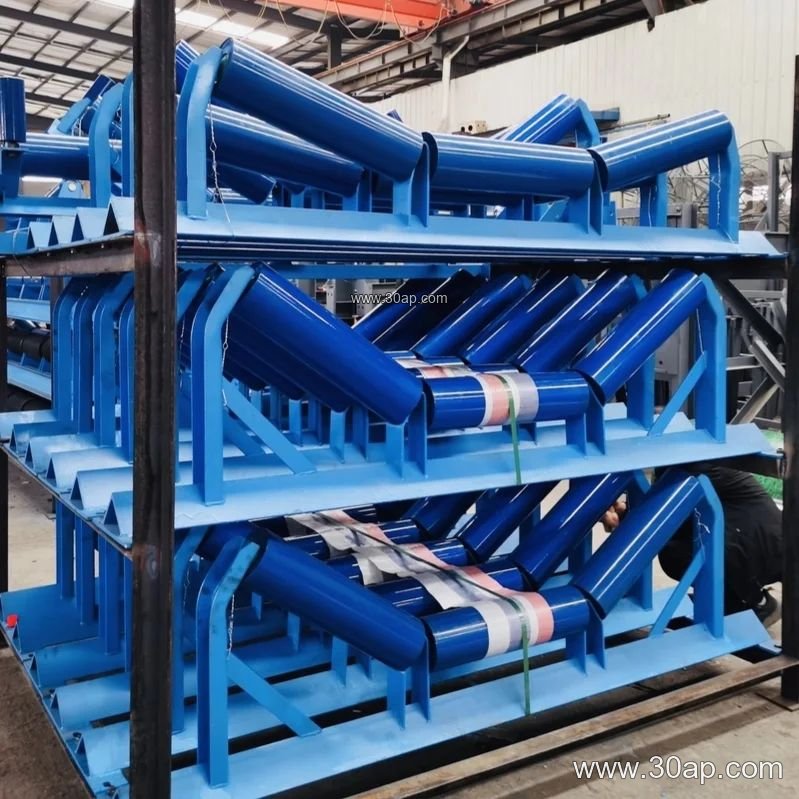
- Trough brackets support the carrying side and set the trough angle, usually 20°, 30°, 35°, or 45°.
- Transition brackets ease the belt from a flat pulley into the trough section, reducing edge stress.
- Impact brackets sit under loading points and work with impact rollers to absorb falling material.
- Return brackets and V-return brackets support the empty side of the belt.
- Self-aligning brackets help correct belt tracking; forward-leaning designs often use about 1.5° to 2° of lead.
- Adjustable brackets allow the trough angle to be changed within a range, which is useful during commissioning or when the material changes.
At a crushing and screening plant, an impact bracket under the crusher discharge is often the first part to show wear. At a power plant coal yard, trough and return brackets work with a flame retardant conveyor belt and idler rollers to keep the line running through long shifts. In a cement plant, dust and heat make coating quality and roller alignment especially important.
Matching the Bracket to the Belt and Rollers
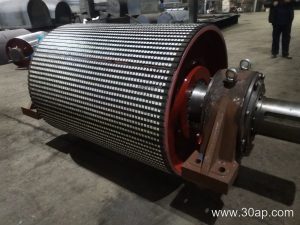
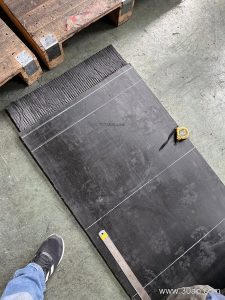
The bracket is only as good as the parts around it. A heavy-duty steel conveyor bracket should be selected together with the conveyor pulley, the idler roller, and the conveyor belt. On a steep incline, a chevron conveyor belt or a corrugated sidewall conveyor belt may be used, and the bracket must still hold the rollers square to the belt path. For long overland lines, a steel cord conveyor belt or a high strength conveyor belt carries more tension, so the frame and bracket rigidity deserve closer attention. In underground coal mining, a PVG conveyor belt is common, and the bracket should suit the flame retardant and anti-static requirements of the whole system.
Buyers should confirm belt width, trough angle, roller diameter, mounting hole pattern, material thickness, surface treatment, and required load rating before ordering. Ask for drawings, and check that the bracket matches the existing frame rather than assuming a standard fit. For more on compatible components, visit conveyorconveyor.com for conveyor belt and idler roller references.
Installation and Maintenance Points
Align brackets along the frame before tightening, and check that all rollers sit at the same height. Recheck bolt torque after the first days of operation, because vibration loosens poorly seated joints. Inspect welds and coating at loading points, and clean out packed material that can distort alignment. A worn or bent bracket should be replaced rather than straightened, since a distorted support will shorten roller and belt life.