What the Conveyor Belt Support Frame Does
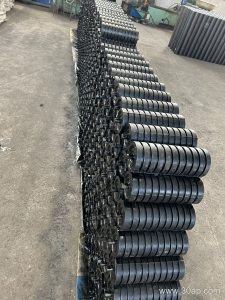
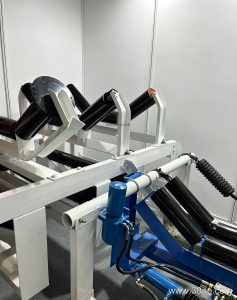
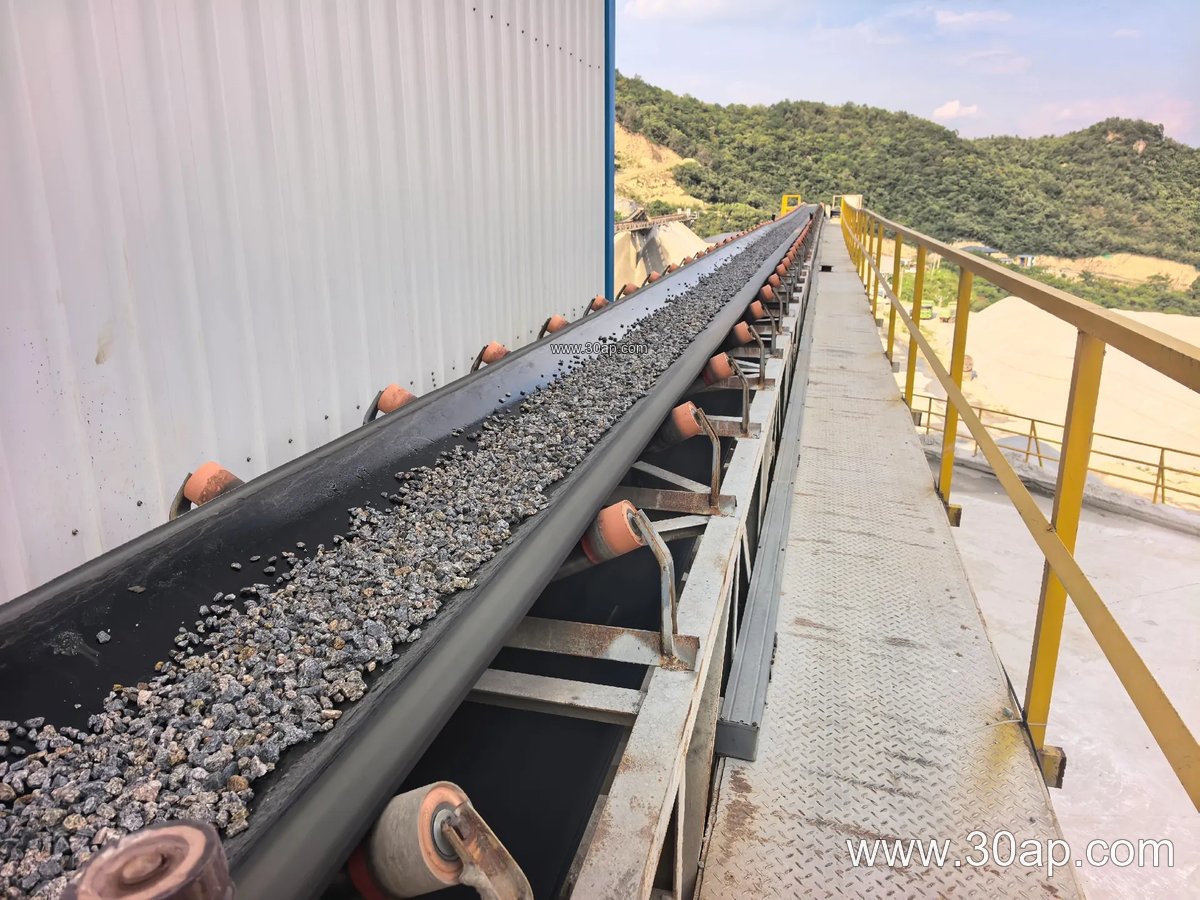
A conveyor belt support frame is the structural backbone that holds the idler roller sets at the correct height, spacing, and trough angle along a conveyor line. In a quarry, a coal washing plant, or a cement plant, the frame carries the weight of the belt and the material through every section of the run. It is often called a conveyor idler frame or idler support frame, and it works together with the conveyor bracket, the pulley assemblies, and the belt itself to keep the line tracking straight and running smoothly.
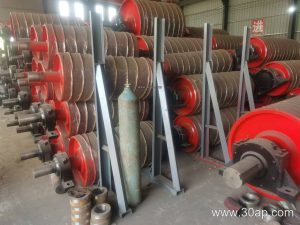
The frame does not move the belt; that job belongs to the drive pulley and the tail pulley. The support frame only provides a stable platform for the rollers that shape and carry the belt. That distinction matters when specifying replacement parts, because a support frame, a bend pulley, and a drive pulley are different components with different functions and should never be ordered interchangeably.
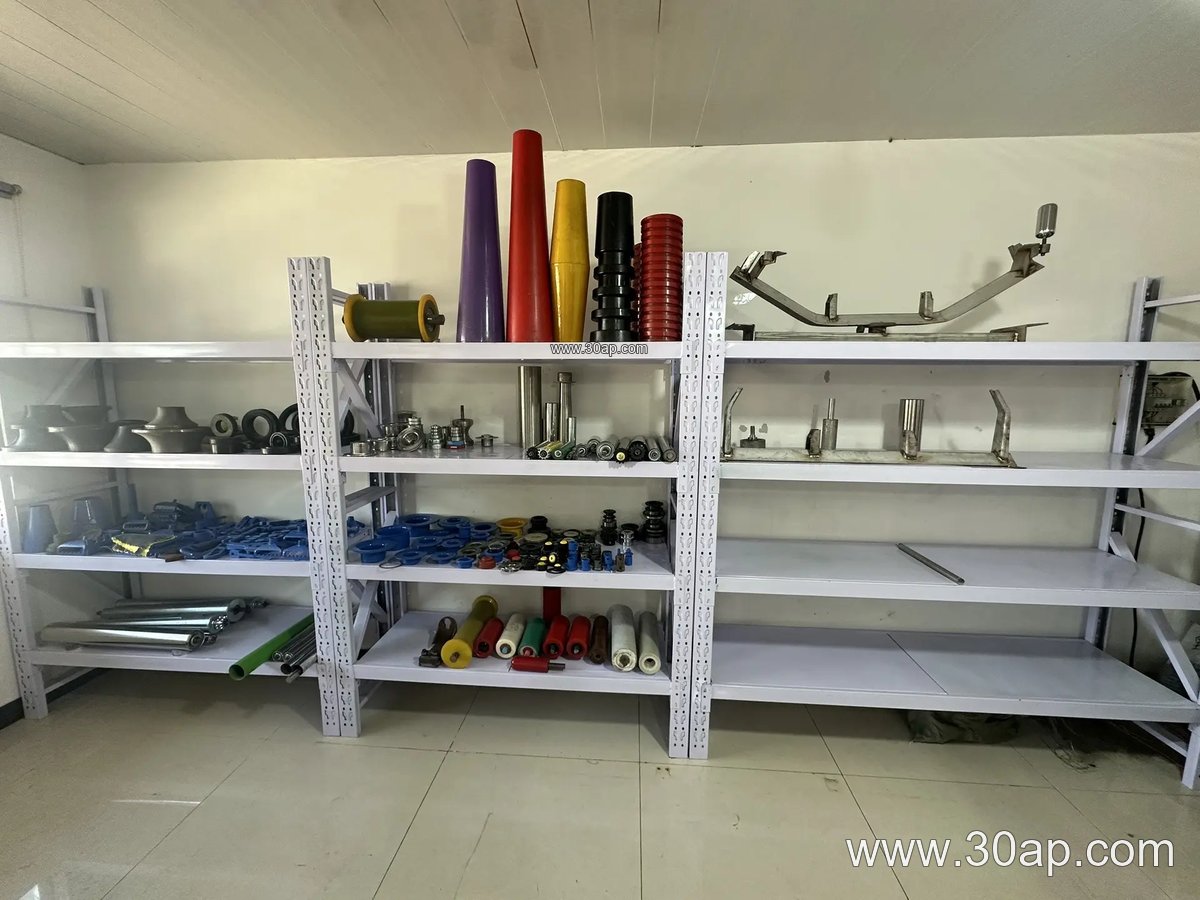
Construction and Materials
Most frames are fabricated from angle steel, channel steel, or folded steel plate. The choice depends on the load, the belt width, and the environment. A heavy-duty Mining Conveyor Belt carrying ore in an iron ore plant needs a stiffer frame than a light aggregate line, so the steel section and weld detail are usually matched to the duty. Common finishes include painted carbon steel and galvanized steel for damp conditions such as a wash box or a port terminal.
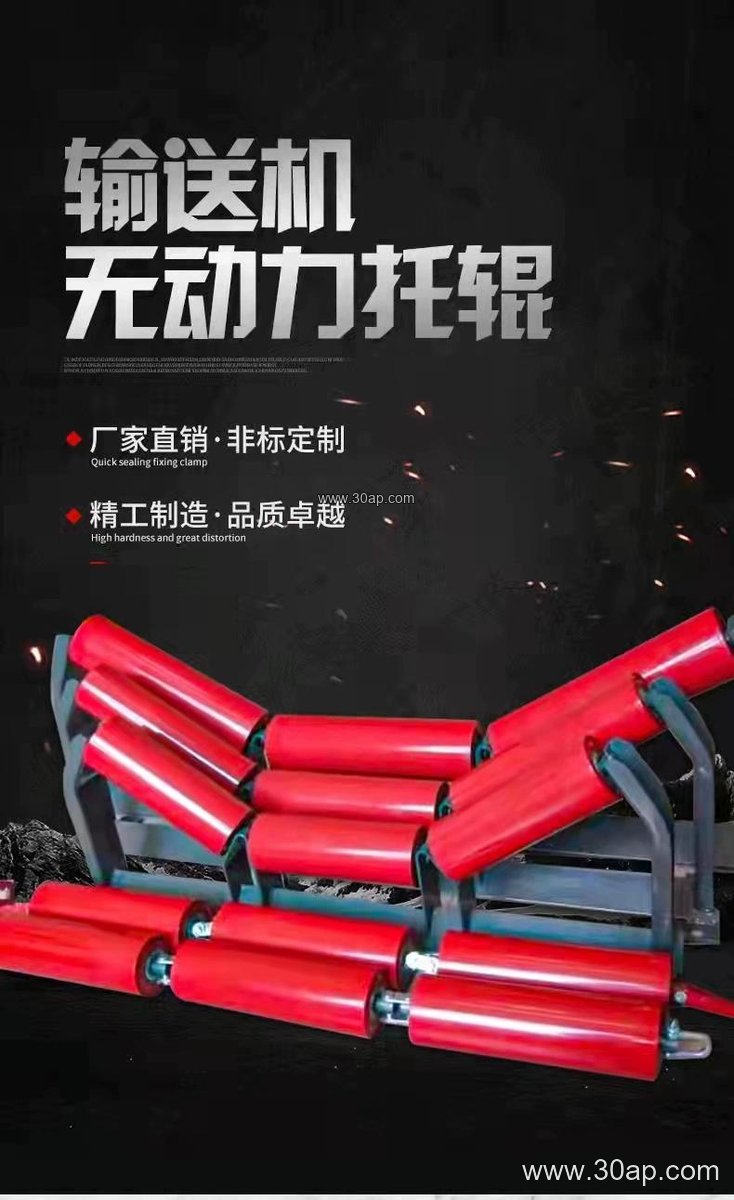
Frames are typically bolted to the conveyor stringer rather than welded on site, which makes alignment and later replacement easier. Mounting hole spacing and crossbeam length change with belt width and trough angle, so these dimensions are always determined by design rather than fixed by a single standard number.
Common Types and Where They Sit
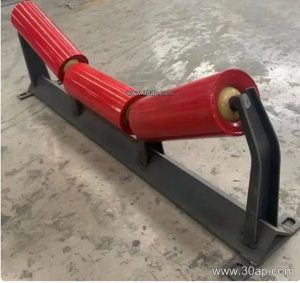
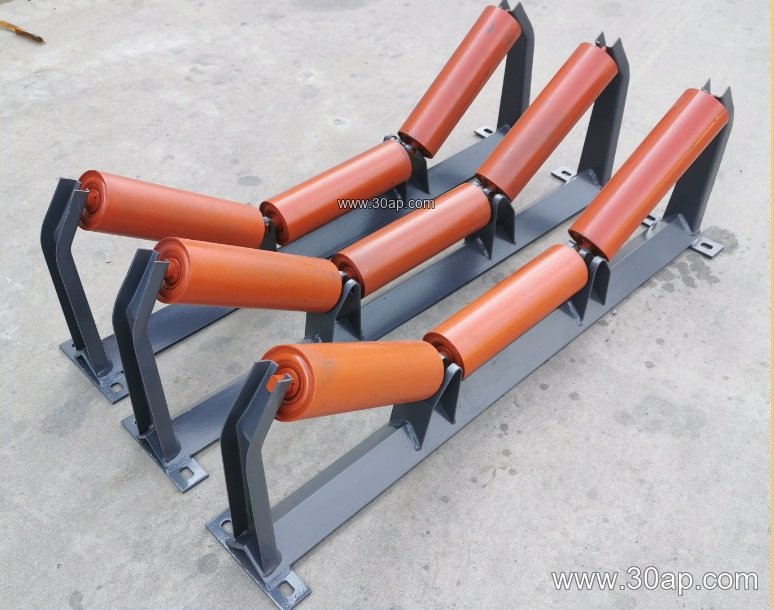
- Troughing frame – supports the carrying side and sets the trough angle, usually 20, 30, 35, or 45 degrees.
- Transition frame – placed near the head and tail to ease the belt from flat to troughed shape.
- Return frame or V-return frame – supports the empty side and helps the belt self-center.
- Impact frame – fitted under the loading point to absorb shock from falling material.
- Self-aligning frame – allows slight movement to correct belt drift.
- Adjustable frame – lets maintenance staff change the trough angle within a range instead of replacing the whole unit.
A fixed frame and an adjustable frame are not the same product. The adjustable version is useful during commissioning or when material characteristics change, while the fixed version is simpler and often preferred on long, steady runs.
Matching Frame, Roller, and Belt Width
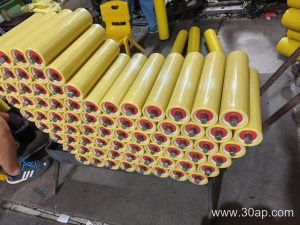
Belt width and roller diameter are usually selected together with the frame. Typical reference combinations include B800 with a 35-degree trough and Ø108 rollers, B1200 with a 45-degree trough and Ø133 rollers, or B650 with a 30-degree trough and Ø89 rollers. These are common examples, not fixed rules. A wider belt can be paired with different roller diameters depending on load and speed, and no single belt width locks the design to one trough angle or one roller size.
| Belt width (B) | Common trough angle | Common roller diameter |
|---|---|---|
| B500 / B650 | 20° / 30° | Ø89 |
| B800 / B1000 | 30° / 35° | Ø108 |
| B1200 / B1400 | 35° / 45° | Ø133 |
| B1600 / B1800 | 35° / 45° | Ø159 |
| B2000 / B2200 | 35° / 45° | Ø194 |
Where the conveyor uses a Steel Cord Conveyor Belt or a thick EP Conveyor Belt, the frame and roller set should be checked for the higher belt tension and weight. In a power plant coal yard, a Flame Retardant Conveyor Belt is common, and the frame spacing should follow the belt manufacturer’s recommendation for sag control. For a fertilizer or grain silo line, a Food Grade Conveyor Belt may be used, but the frame still needs proper drainage and cleaning access.
Installation and Maintenance Notes
Alignment is the first priority. A frame set out of square will push the belt sideways no matter how well the rollers are made. Check crossbeam level, frame squareness, and height relative to the pulley centerline before tightening bolts. On the return side, a V-return frame helps keep the belt centered, while a self-aligning frame can reduce edge wear on long overland routes.
During operation, watch for loose bolts, bent crossbeams, and worn mounting holes. A frame that has shifted can cause the belt to rub the structure, and that damage often appears as edge fraying on an Abrasion Resistant Conveyor Belt long before the frame itself is inspected. Keep spare brackets and bolts on hand for shutdowns, and record frame positions so replacement units return to the same setting.
Buyer Checklist
- Confirm belt width, trough angle, and roller diameter as a set.
- State whether the frame is fixed or adjustable.
- Specify carrying, return, transition, or impact duty.
- Give the mounting hole pattern or reference the existing stringer.
- Match steel section and finish to the site environment.
- Check compatibility with the pulley layout and belt type before ordering.
Whether the line handles limestone in a quarry, coal in a washing plant, or clinker in a cement works, the conveyor belt support frame is the part that keeps every roller in place. Get the frame right, and the belt, the idler roller, and the conveyor pulley all work with less wear and fewer tracking problems.