What a Motor-Driven Pulley Is
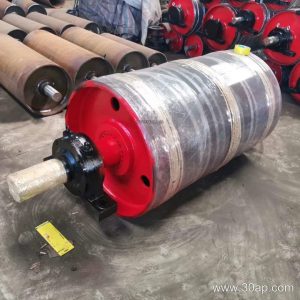
A motor-driven pulley, also called a drive pulley, is the powered drum that transfers torque from the drive unit to the conveyor belt. It is the traction component at the head or intermediate drive station, and its surface grip and diameter directly influence belt speed, tension distribution, and startup behavior. In a typical aggregate or cement plant, this pulley sits at the discharge end, pulling the loaded belt over the carrying idlers and returning it through the tail and bend positions. The motor-driven pulley should not be confused with a tail pulley or a bend pulley, which are unpowered and serve different roles in the belt path.
Construction and Surface Options
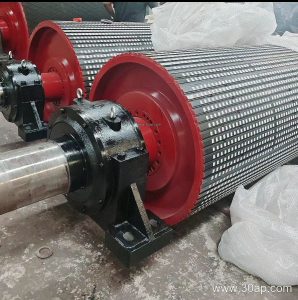
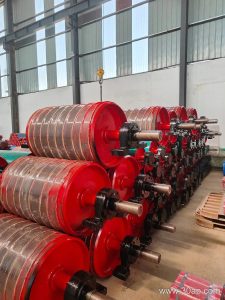
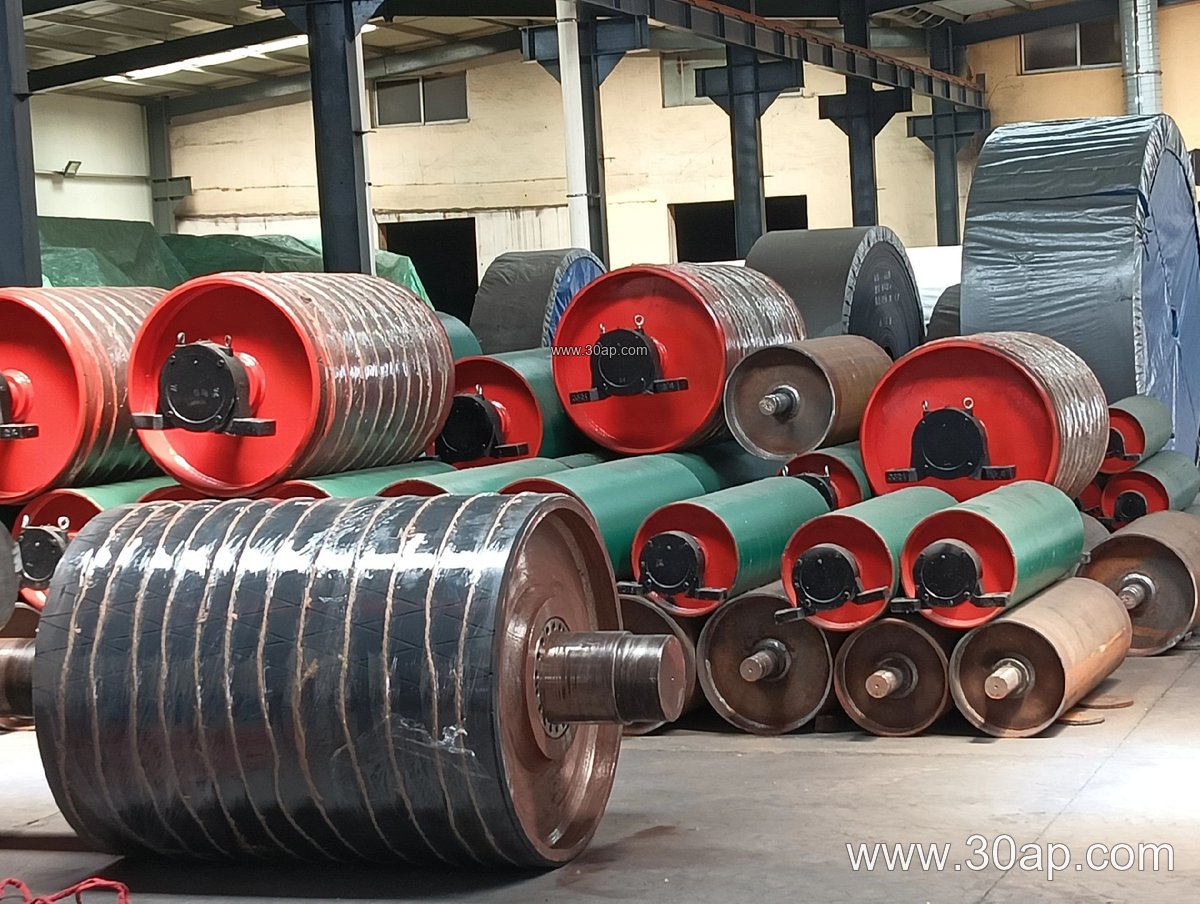
The drum body is usually a welded steel shell with machined end discs and a shaft sized by torque and radial load, not by belt width alone. Common shaft diameters include Ø80, Ø100, Ø120, Ø140, and Ø160, selected through design calculations. The shell is covered with lagging to improve friction and protect the belt: plain, cast rubber, cold-bonded rubber, hot-vulcanized rubber, diamond pattern, herringbone, and ceramic lagging are typical choices. Lagging thickness often falls in the 8–20 mm range. For a B1000 belt, a drive pulley might be Ø800 with 12 mm diamond lagging; for a B1400 system, Ø1000 with 15 mm ceramic lagging may be specified. These are reference combinations, not fixed rules—each conveyor is engineered individually.
Where It Fits in the Conveyor System
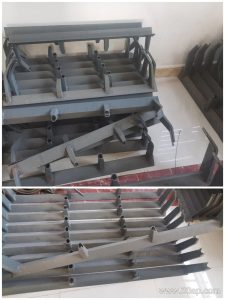
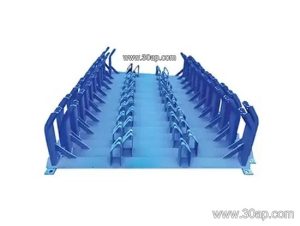
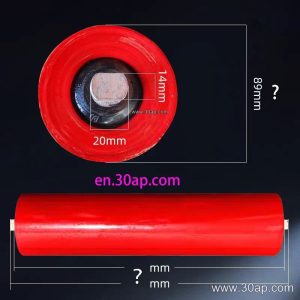
Motor-driven pulleys appear in quarry conveying, limestone and iron ore handling, coal preparation plants, power station coal feed, and port bulk terminals. They work alongside the conveyor belt, idler roller sets, and conveyor bracket assemblies that support the belt line. In a crusher conveyor at a stone crushing plant, the drive pulley must handle shock loads and abrasive dust; in a cement plant clinker line, heat-resistant lagging may be needed. The pulley also interacts with the belt type—an EP conveyor belt or steel cord conveyor belt has different tension and tracking characteristics, and the drive pulley diameter should be matched to the belt’s minimum bend radius to avoid ply separation or cord fatigue.
Selection Factors for Buyers
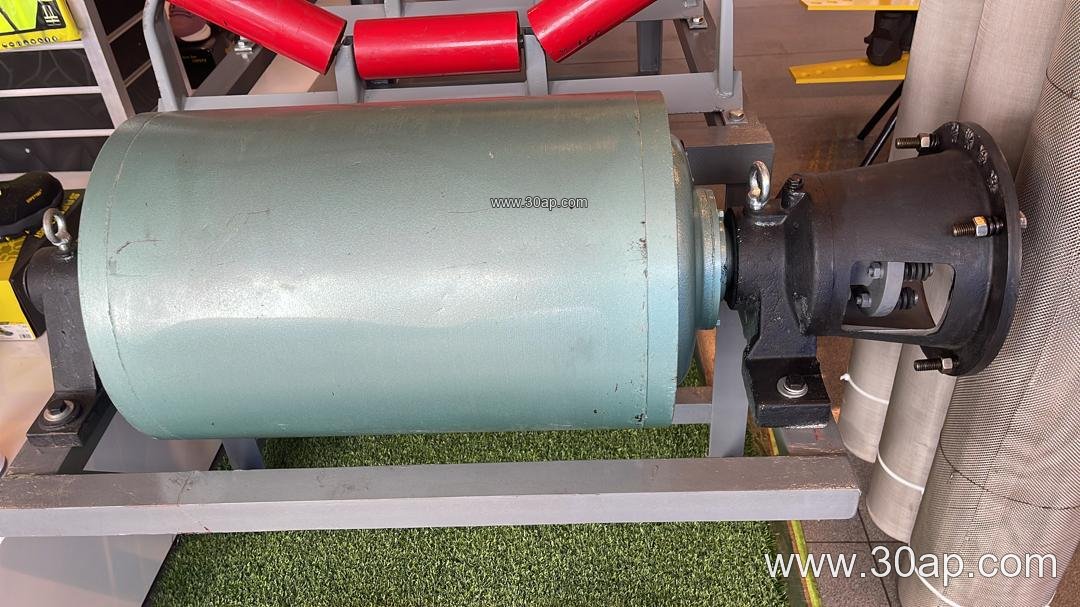
Buyers should confirm the required belt width, belt speed, motor power, and starting torque before specifying a motor-driven pulley. The pulley face width is usually slightly wider than the belt: for B800, about 950 mm; for B1200, about 1400 mm; for B1600, about 1800 mm. Diameter choices range from Ø200 for small units to Ø1600 or larger for high-capacity systems, but the final diameter depends on belt tension, lagging type, and space constraints. Shaft diameter is determined by torque and bearing load—never assume a fixed shaft size from belt width. Surface lagging should suit the environment: ceramic or diamond lagging for wet, dusty conditions; plain or rubber lagging for general duty. For flame-retardant requirements in underground coal mining, the pulley and belt must both meet relevant safety standards, and the lagging material should be compatible with the fire-resistant conveyor belt in use.
Maintenance and Compatibility Notes
Regular inspection of lagging wear, shaft alignment, and bearing condition helps prevent belt slippage and tracking issues. A worn drive pulley can cause increased tension, belt edge damage, and premature idler roller failure. When replacing a motor-driven pulley, verify the mounting dimensions, keyway, and bearing housing match the existing conveyor bracket. Keep spare lagging sheets and fasteners on hand for quick repairs. Remember that drive, tail, and bend pulleys are not interchangeable; each has a distinct function in the conveyor layout. For high-abrasion environments such as copper ore or gold mining operations, a heavy-duty motor-driven pulley with thick rubber lagging may extend service life, while a pipe conveyor belt or corrugated sidewall belt may require a different pulley profile—consult the belt manufacturer for minimum pulley diameter recommendations.