What an Adjustable Conveyor Bracket Does
An adjustable conveyor bracket is a support component that holds idler rollers at a settable position under the belt. Instead of welding a fixed frame at one trough angle, the bracket uses slotted holes, pivoting arms, or movable cross beams so maintenance crews can change the roller position to match the material and belt width. In a quarry, cement plant, or power plant coal yard, this flexibility saves time when a line is re-tensioned or when spillage patterns shift.
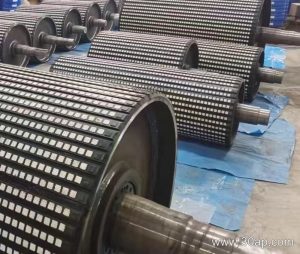
The bracket is part of the conveyor structure, not the pulley set. Drive pulleys, tail pulleys, and bend pulleys are separate components with their own mounting arrangements, and they should never be treated as interchangeable with a bracket. An adjustable bracket works together with a conveyor bracket system, idler roller, and the belt itself to keep the load centered.
How the Bracket Is Built
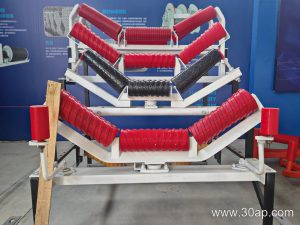
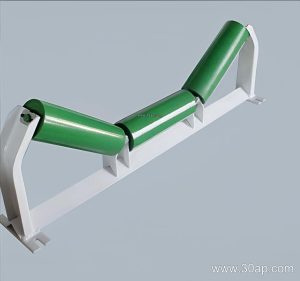
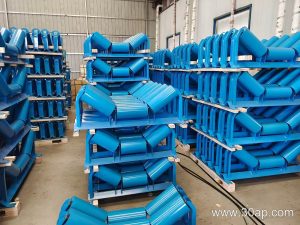
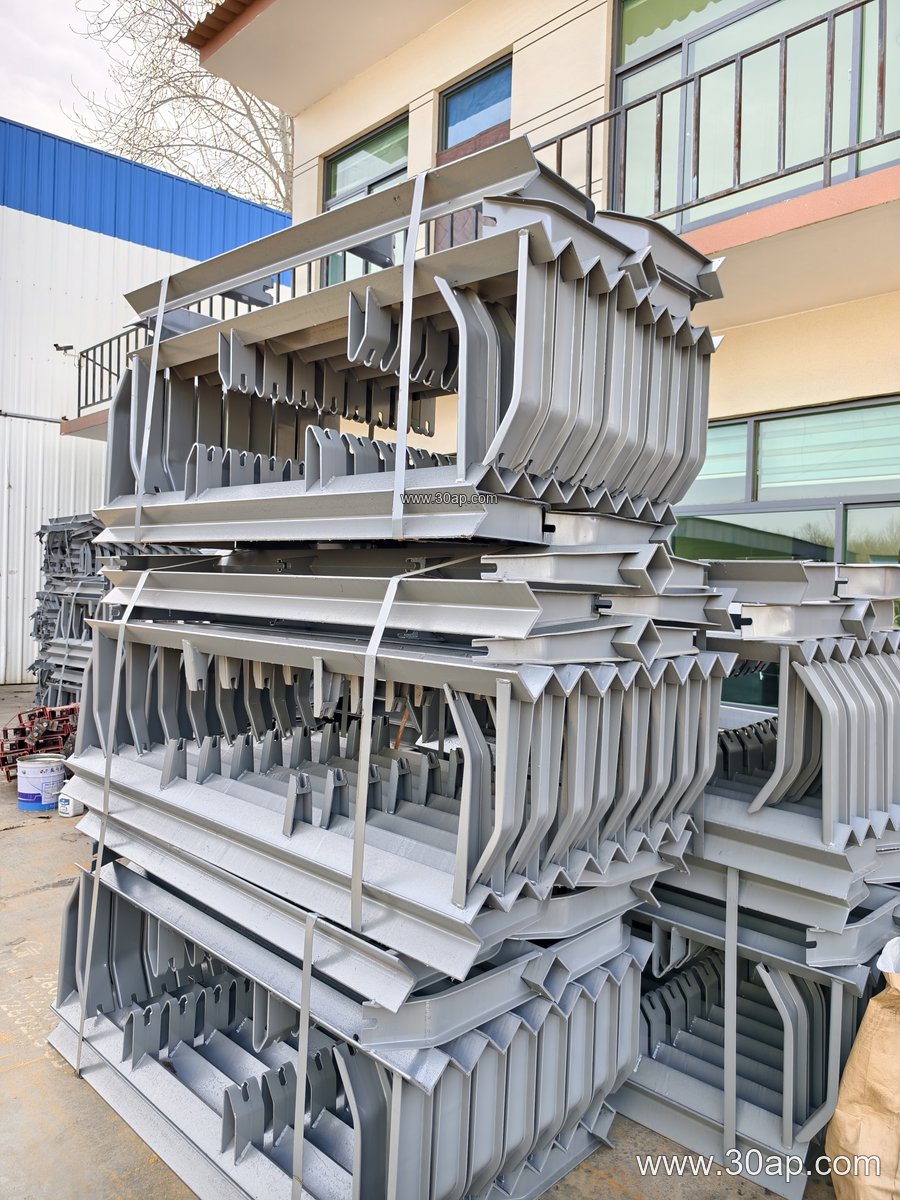
Most units are fabricated from angle steel, channel steel, or folded steel plate. A typical adjustable bracket has a base beam that bolts to the conveyor stringer, two side arms with slotted mounting holes, and a roller cradle that can be tilted through a range of trough angles. Locking bolts or clamp plates hold the setting after adjustment.
Because the arms move, the bracket can serve several belt widths and roller diameters without a custom frame. Common trough angles on adjustable designs include 20, 30, 35, and 45 degrees, and the setting is usually locked with a bolt or pin. For comparison, a fixed troughing bracket is welded or bolted at one angle only, which is cheaper but less forgiving when operating conditions change.
Where Adjustable Brackets Are Used
These brackets appear in stone crushing lines, aggregate plants, and cement kiln feed systems where belt loading varies. In a coal handling section of a power plant, an adjustable bracket can correct a slight belt misalignment without cutting and re-welding the frame. In iron ore and copper ore terminals, the same bracket style helps when a conveyor is converted to a different belt width or when a heavier Steel Cord Conveyor Belt changes the roller contact pattern.
They are also used in tunnel spoil removal, fertilizer granulation lines, and grain silos, especially where the trough angle must be tuned after commissioning. In all of these places the bracket supports the idler roller, which in turn carries an EP Conveyor Belt, a flame retardant belt, or an abrasion resistant belt.
Matching Bracket, Belt, and Roller
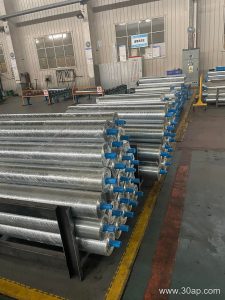
The bracket setting should follow the belt width, the roller diameter, and the material being carried. A wider belt generally needs a longer cross beam, but the actual mounting hole spacing and beam length are determined by the conveyor design. Roller diameters such as Ø89, Ø108, Ø133, Ø159, and Ø194 are common in bulk handling, and each diameter needs a matching cradle height.
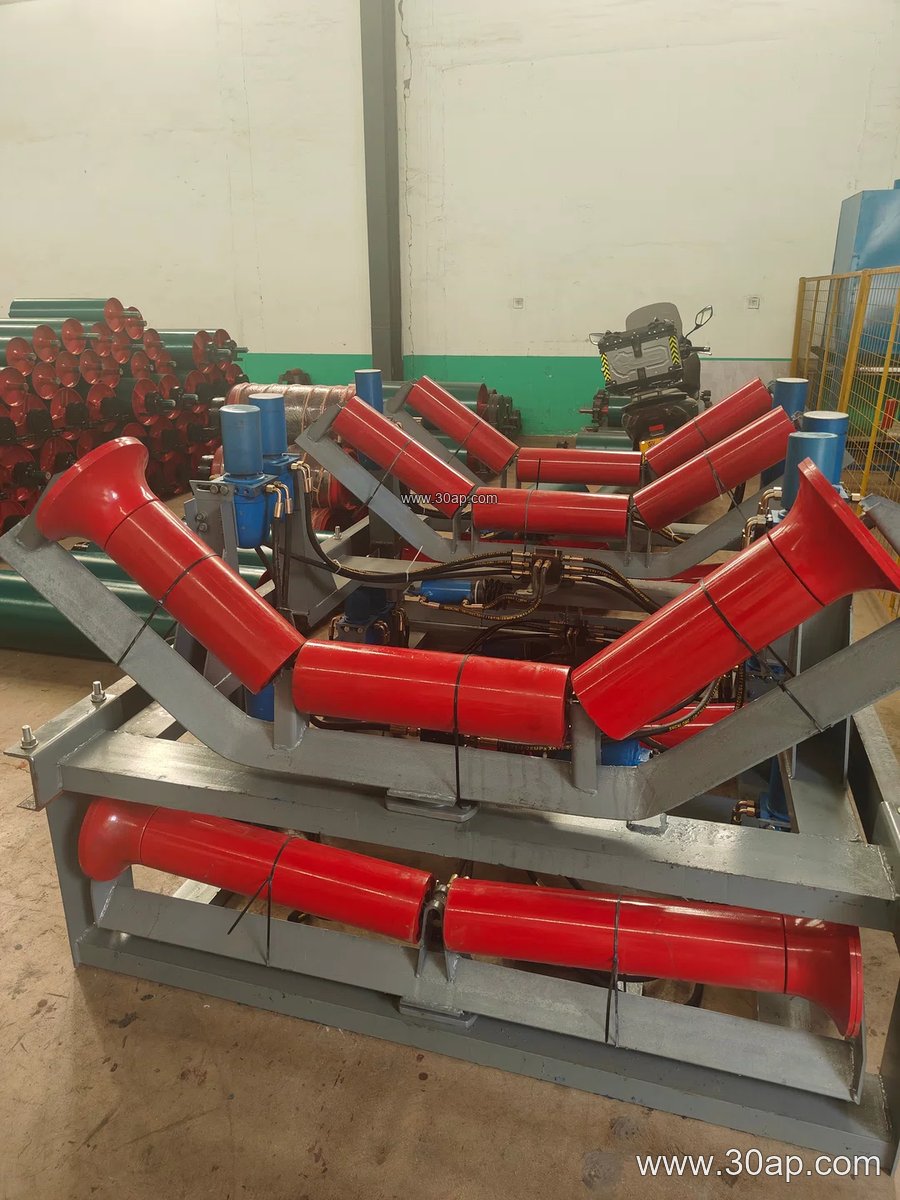
There is no rule that one belt width can only use one pulley diameter or one trough angle. A B800 belt may run at 30 degrees with Ø89 rollers in a light duty line, while a B1200 line may use 45 degrees with Ø133 rollers for a heavier load. The table below shows common reference combinations, not fixed supply specifications.
| Belt Width | Trough Angle | Roller Diameter | Typical Use |
|---|---|---|---|
| B650 | 30 degrees | Ø89 | Aggregate transfer, sand line |
| B800 | 35 degrees | Ø108 | Cement plant, coal yard |
| B1000 | 35 degrees | Ø133 | Quarry, ore handling |
| B1200 | 45 degrees | Ø133 | Power plant coal conveyor |
| B1400 | 35 degrees | Ø159 | Port loading, heavy bulk |
| B1600 | 45 degrees | Ø159 | Iron ore, copper ore |
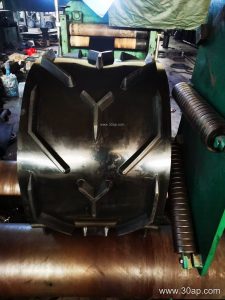
When a line uses a Chevron Conveyor Belt or a corrugated sidewall belt, the bracket height and clearance should be checked so the cleats or sidewalls pass without rubbing. The same check applies to a pipe conveyor belt, where the roller arrangement is different from an open trough.
What Buyers Should Check
- Confirm the belt width and the roller diameter before ordering, because the cradle dimensions follow both.
- Ask for the adjustment range in degrees, not just a single angle.
- Check the mounting hole spacing against the existing stringer holes.
- Confirm the steel thickness and surface treatment for the site environment.
- Review how the locking bolt is accessed during maintenance.
An adjustable unit is not a substitute for a properly aligned pulley or a worn idler roller. If the belt tracks poorly, check the conveyor pulley alignment and roller condition first, then use the bracket for fine tuning. For a mining conveyor belt or a heavy duty mining conveyor belt, the bracket should be rated for the load and inspected at the same interval as the rollers.
For site planners working with a cement conveyor belt, a quarry conveyor belt, or an underground coal mining conveyor belt, the adjustable bracket is a practical way to keep the trough profile correct as the line ages. Buyers can compare fixed and adjustable designs on the adjustable conveyor bracket page and confirm dimensions before purchase.