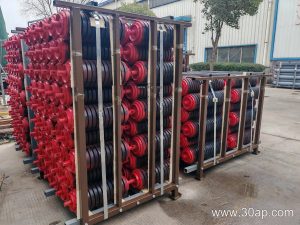
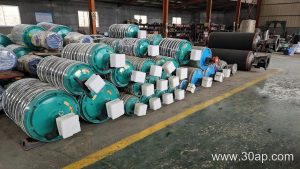
What a Bend Rubber Lagged Pulley Does
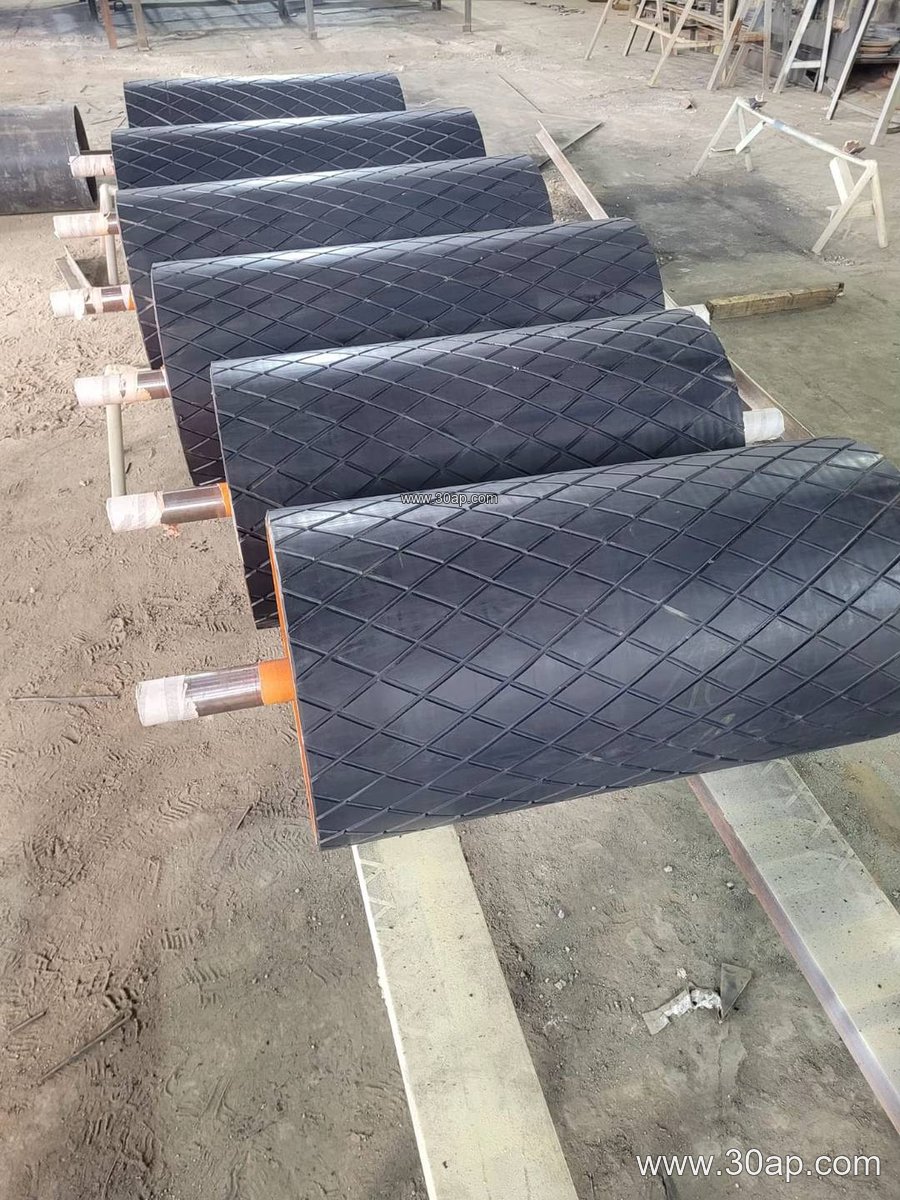
A bend rubber lagged pulley is a type of conveyor pulley used to change the direction of a conveyor belt without driving it. Unlike drive pulleys that transmit power or tail pulleys that handle belt return, this pulley simply guides the belt along its path, often around curves or to maintain proper tension. The rubber lagging on its surface serves two main purposes: it protects the belt from slipping and reduces wear on both the pulley and the belt. In industries such as mining, cement plants, and power generation, this component helps keep bulk material handling systems running smoothly.
Also known as a rubber-lagged bend pulley or a bend pulley with rubber lagging, this product is essential in conveyor layouts where the belt must navigate around obstacles or change elevation. It is not interchangeable with a drive pulley or a tail pulley, as each has a distinct role in the conveyor system.
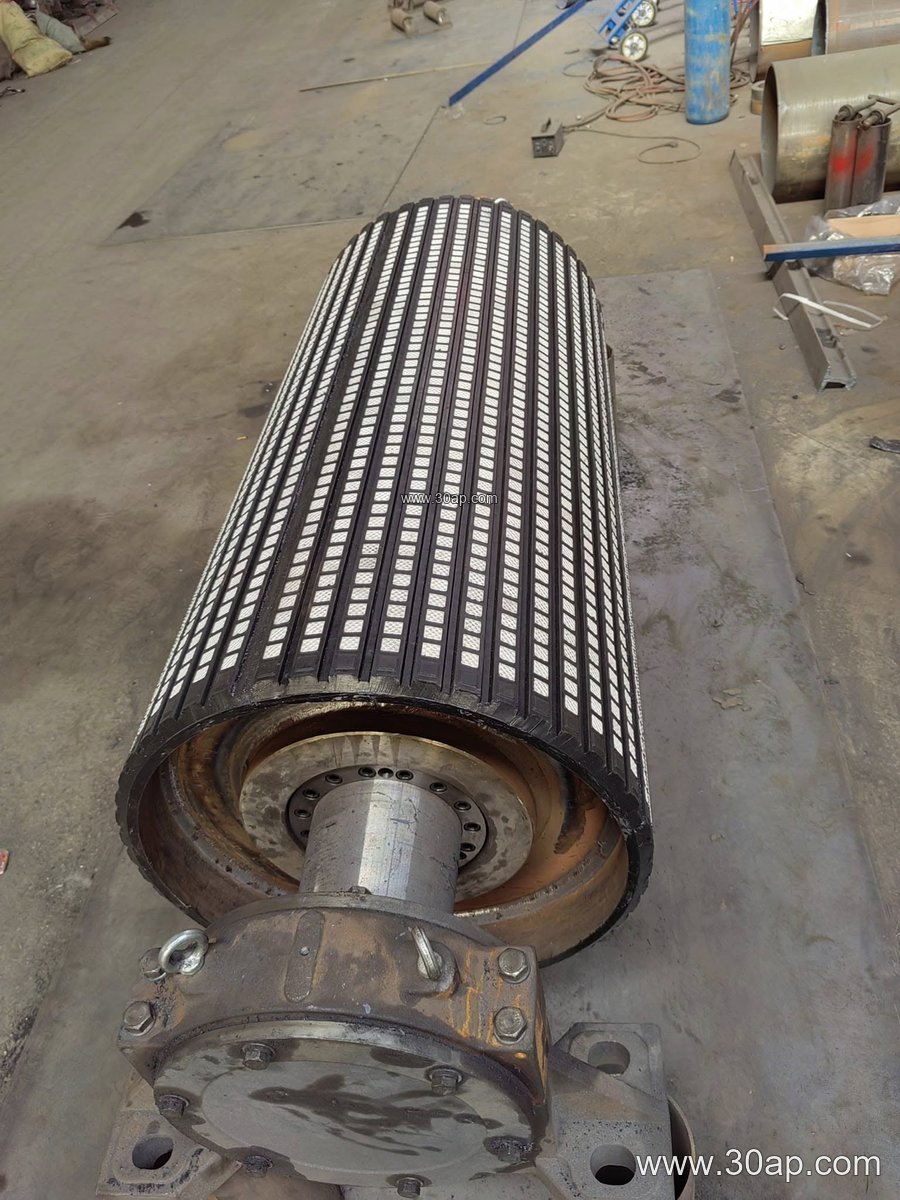
Construction and Key Features
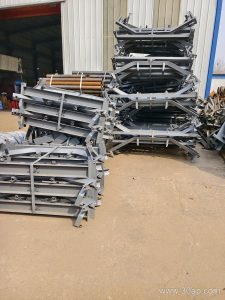
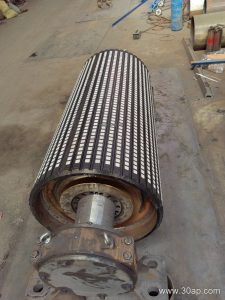
The bend rubber lagged pulley typically consists of a steel drum with a rubber layer applied to the outer surface. The lagging can be cold-bonded or hot-vulcanized, and common surface patterns include plain, diamond, or herringbone, though plain rubber is often sufficient for bend applications. The pulley is mounted on a shaft with bearings and is supported by conveyor brackets. The rubber lagging thickness usually ranges from 8 mm to 20 mm, depending on the belt width and load conditions.
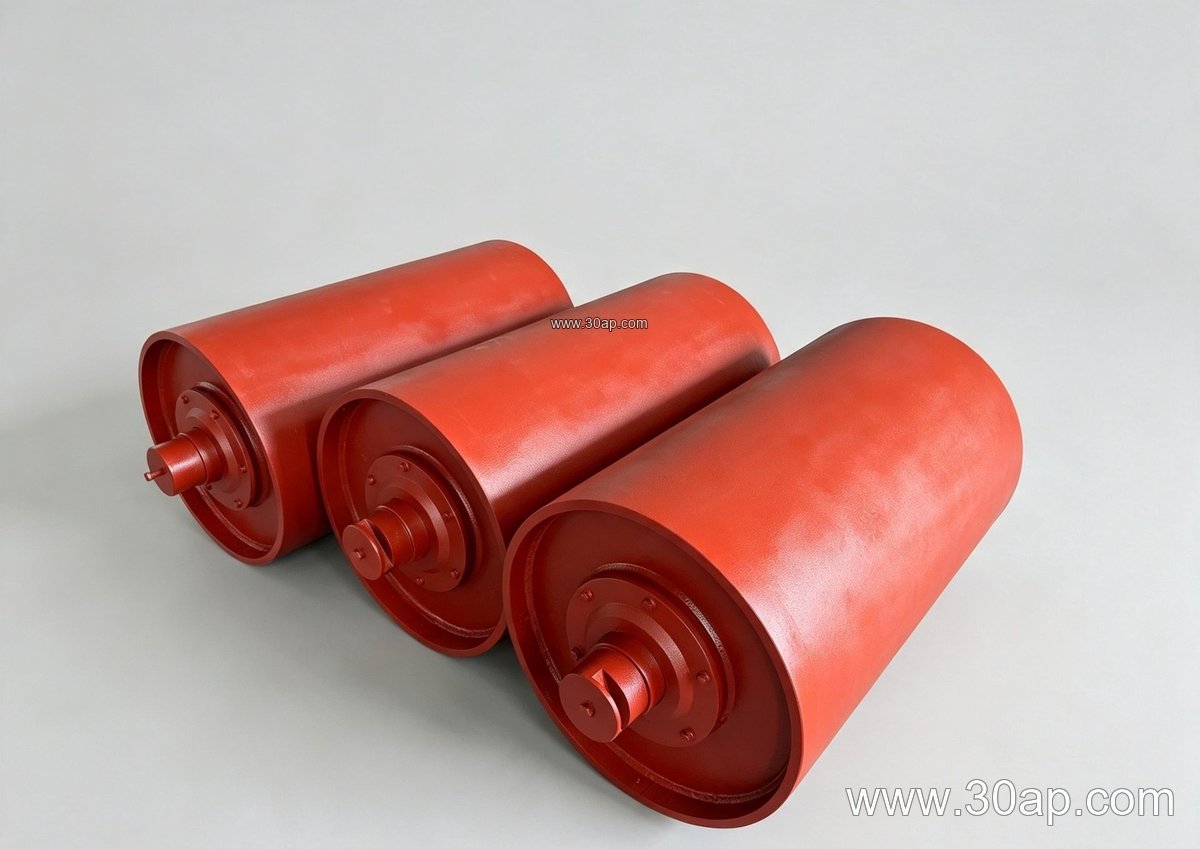
Common belt widths for conveyors using bend pulleys include B500, B650, B800, B1000, B1200, B1400, and B1600. The pulley diameter is selected based on belt tension and space constraints; typical diameters are Ø250, Ø315, Ø400, Ø500, Ø630, and Ø800. The shaft diameter is determined by torque and load, with common sizes such as Ø60, Ø80, Ø100, and Ø120. These values are for reference only and should be confirmed with the conveyor design.
Where It Is Used
You will find bend rubber lagged pulleys in a variety of bulk material handling systems. In a quarry or aggregate plant, they help route the conveyor belt around crushers and screens. In a coal mining operation, they assist in maintaining belt alignment in confined spaces. Cement plants use them to guide belts through preheater towers and clinker coolers. Power plants rely on them in coal handling systems to change belt direction before feeding boilers.
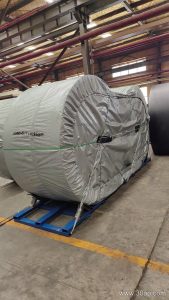
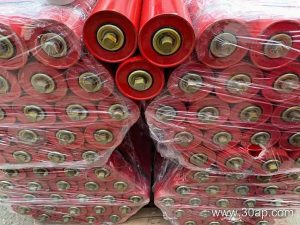
These pulleys work in harmony with other conveyor components such as idler rollers, conveyor brackets, and the conveyor belt itself. For instance, a heavy-duty mining conveyor belt may require a robust bend pulley with thick lagging to withstand abrasive conditions. Similarly, a heat resistant conveyor belt in a cement plant needs a pulley that can handle high temperatures without degrading the rubber lagging.
Selection and Maintenance Tips
When choosing a bend rubber lagged pulley, consider the belt width, the required diameter, and the lagging thickness. The pulley face width is usually slightly wider than the belt; for example, a B800 belt might use a pulley with a face width of about 950 mm. It is important not to assume a fixed relationship between belt width and pulley diameter, as the design depends on tension and space. Also, shaft diameter should be calculated based on the actual load, not simply matched to belt width.
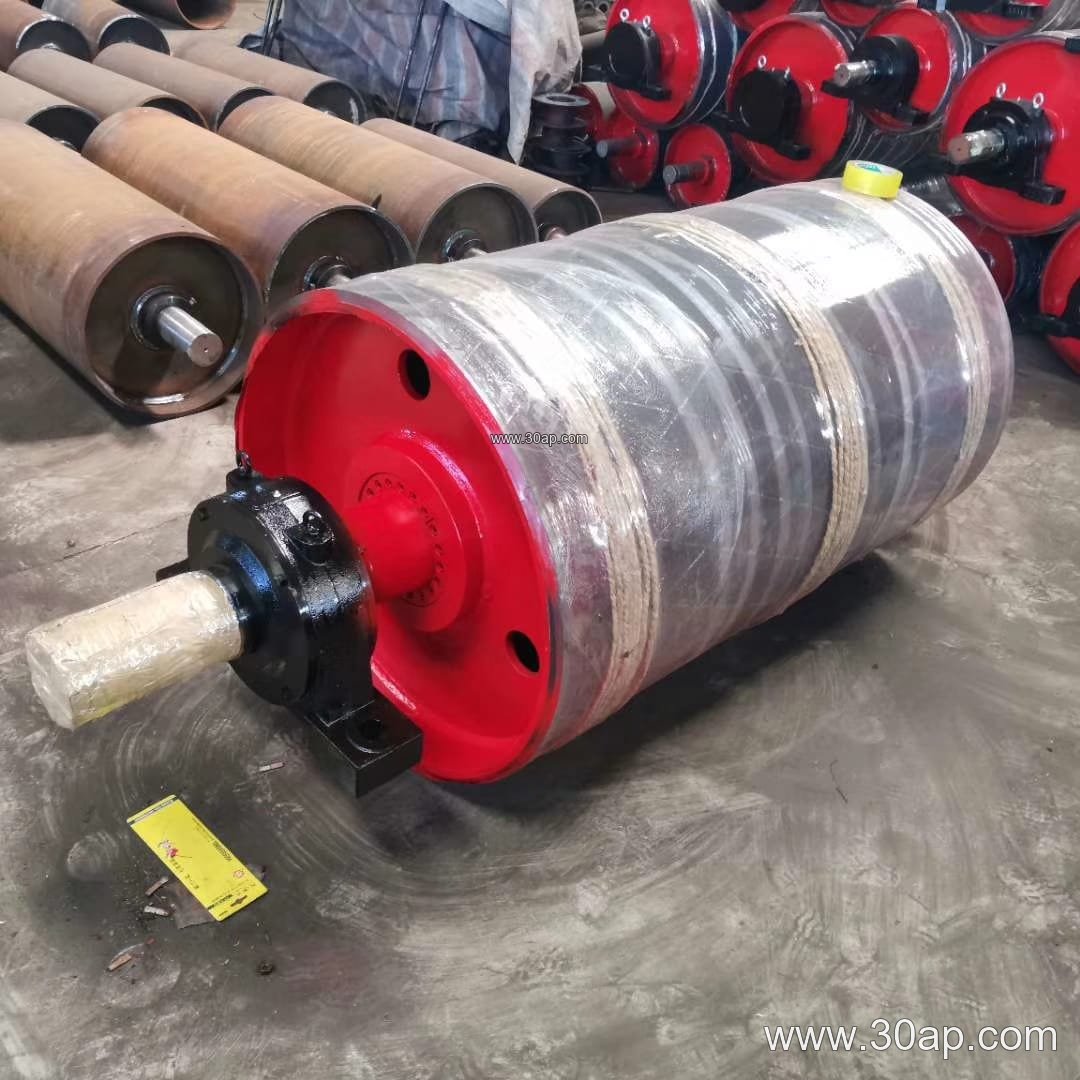
Regular maintenance includes checking the lagging for wear or damage, ensuring proper belt tracking, and lubricating bearings. Worn lagging can cause belt slippage and misalignment, so replacing it promptly is advisable. In dusty environments like coal mines or cement plants, keeping the pulley clean extends its service life.
For more information on conveyor components and belts, visit our site at www.example.com/conveyor-pulley or www.example.com/bend-pulley. We also supply a wide range of rubber conveyor belts, including EP conveyor belt and steel cord conveyor belt, to complement your pulley selection.