What a Carrying Idler Set Does on a Conveyor
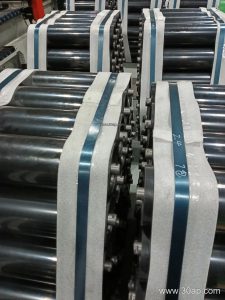
A carrying idler set is the assembly of rollers that supports the loaded run of a conveyor belt. In a troughed line, the set usually consists of two or three idler rollers mounted in a frame, with the side rolls angled upward to shape the belt into a trough. That trough keeps bulk material centered, reduces spillage, and helps the belt track steadily between the tail and head pulleys. Buyers often call the same assembly a troughing idler set or upper idler group, and these are accurate equivalents for the loaded side of the conveyor. The return side is a different duty and uses flat or V-return rollers, so it should not be confused with the carrying assembly.
Construction and Common Configurations
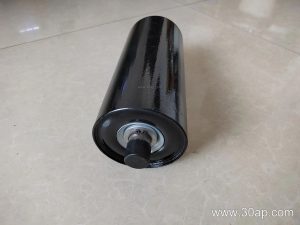
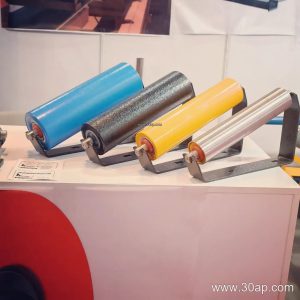
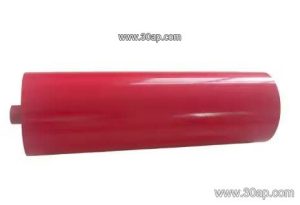
A typical set combines steel or polymer rollers, sealed bearings, a rigid frame, and mounting brackets that fix the assembly to the conveyor stringer. Roller shells may be plain steel, nylon, ceramic-coated, or fitted with rubber rings where impact is heavy. The three-roll troughing arrangement is the most familiar, but two-roll and single-roll forms also appear on narrower or special lines. Trough angles are commonly 20, 30, 35, or 45 degrees, and a slight forward tilt of about 1.5 to 2 degrees is sometimes used on training sets to help center the belt.
Roller length changes with belt width, trough angle, and frame design. The table below gives common reference examples for the center and side rolls of three-roll sets; side rolls and center rolls may differ, so these are examples rather than fixed matches.
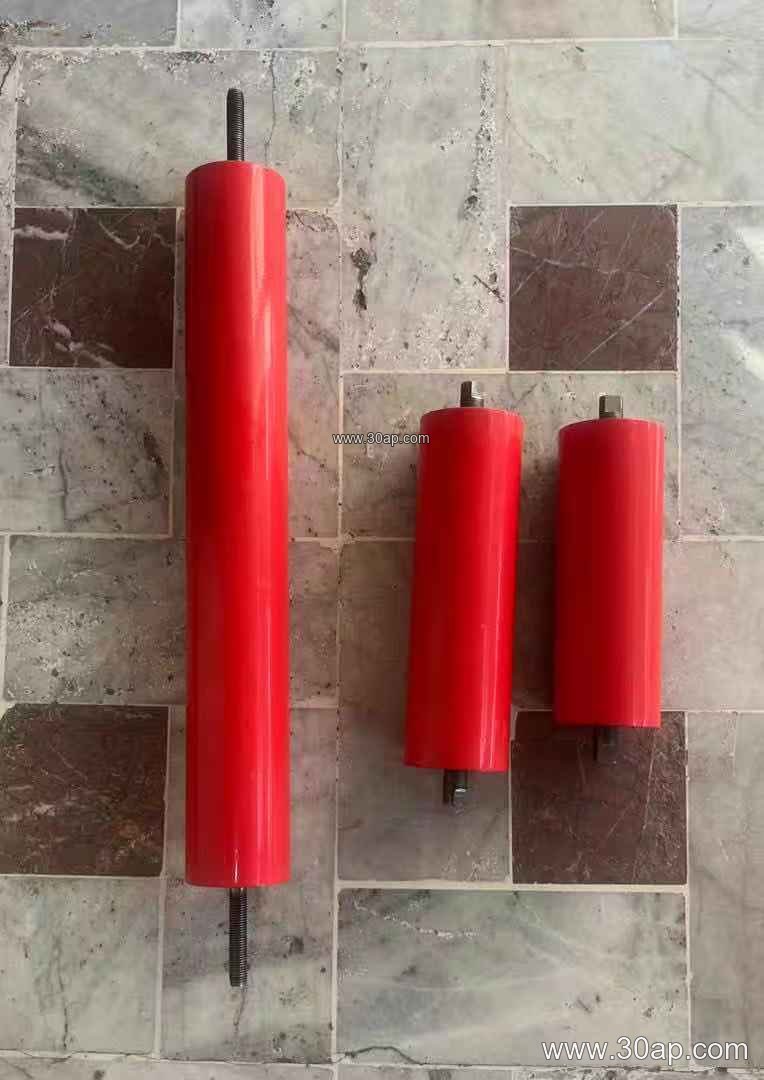
Reference Roller Length Examples
| Belt Width | Typical Roller Length Reference |
|---|---|
| B500 | about 200 mm |
| B650 | about 250 mm |
| B800 | about 315 mm |
| B1000 | about 380 mm |
| B1200 | about 465 mm |
| B1400 | about 530 mm |
| B1600 | about 600 mm |
| B1800 | about 670 mm |
| B2000 | about 750 mm |
Roller diameters commonly range from Ø63 and Ø76 mm on light duties up to Ø159, Ø178, Ø194, and Ø219 mm on heavy lines. Bearing sizes such as 6204, 6205, 6305, 6306, 6308, and 6310 appear across these diameters, and no single bearing should be treated as locked to one roller size. The frame, shaft, and bearing housing are selected together with the belt width and load.
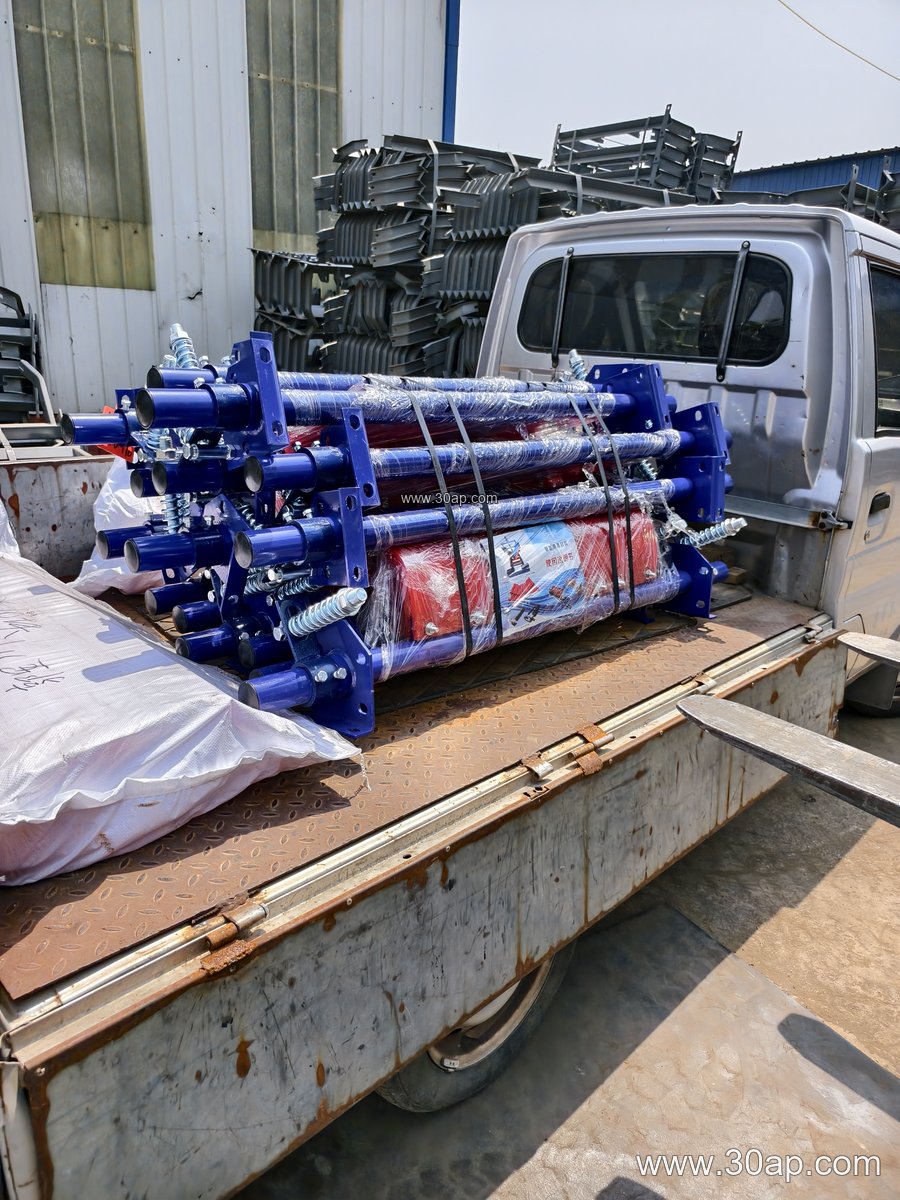
Where These Assemblies Are Used
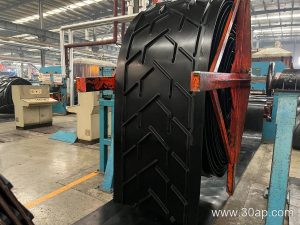
In a limestone quarry or a sand and aggregate plant, carrying idler sets hold the belt steady under sharp, abrasive rock. In a coal washing plant or power station coal yard, they support a flame retardant conveyor belt and keep the load centered through long transfer points. The same assemblies appear in cement plants, iron ore handling, copper ore transport, and port ship-loading lines. The belt itself may be an EP conveyor belt, a steel cord conveyor belt, or a multi-ply fabric core conveyor belt, and the idler set must suit the belt width, speed, and material load rather than the belt brand alone.
Selection Points for Buyers
- Confirm belt width and trough angle before choosing roller length and frame geometry.
- Match roller diameter and bearing class to load, speed, and expected service life.
- Use impact or rubber-ring rollers at transfer points where lumps fall onto the belt.
- Check that brackets and mounting holes fit the existing conveyor bracket spacing.
- Consider sealing and shell material where dust, moisture, or fine abrasive material is present.
For a heavy-duty mining conveyor belt or a high abrasion resistant conveyor belt, the carrying assembly should be sized for the extra load and impact rather than copied from a lighter line. A supplier should be able to confirm roller diameter, roller length, bearing number, trough angle, and frame dimensions against the actual conveyor drawing.
Maintenance and Replacement Notes
Inspect carrying idler sets for seized rollers, worn shells, and loose brackets. A roller that stops turning can rub the belt and shorten the life of an otherwise sound rubber conveyor belt. Replace damaged rollers in matched sets where possible, and keep spare frames and brackets on hand for shutdown work. For lines carrying hot material, check that the selected roller and bearing arrangement suits the temperature, and for dusty quarry or coal service, pay attention to seal quality. A well-matched carrying idler set protects the belt, keeps material centered, and supports steady output from the crusher to the stockpile.