What a Fire Resistant Conveyor Belt Is
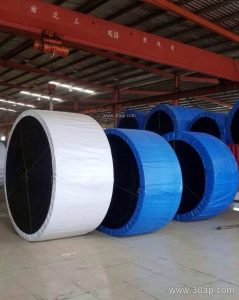
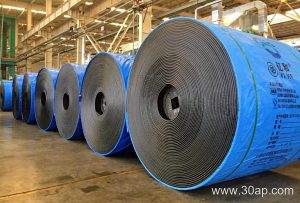
A fire resistant conveyor belt is a rubber conveyor belt designed to resist ignition and limit flame spread when it operates in environments where sparks, hot material, or combustible dust are present. It is also commonly called a flame retardant conveyor belt, and both names describe the same product family. The belt is not a replacement for good housekeeping or fire detection, but it adds a layer of protection in coal mining, power plants, cement works, and other bulk material handling systems.
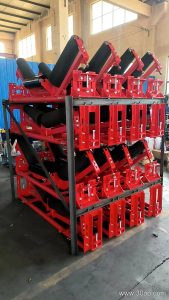
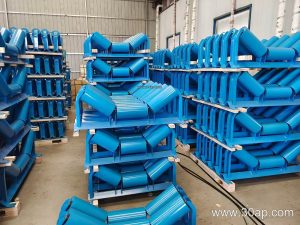
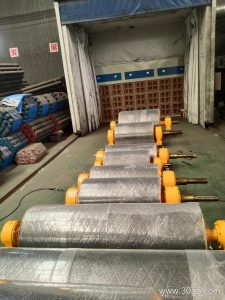
The fire resistant conveyor belt sits on the conveyor structure alongside idler rollers, conveyor pulleys, and conveyor brackets. Drive pulleys, tail pulleys, and bend pulleys each have a distinct role and are not interchangeable; the belt specification should follow the conveyor design rather than a single pulley or idler size.
Construction and Materials
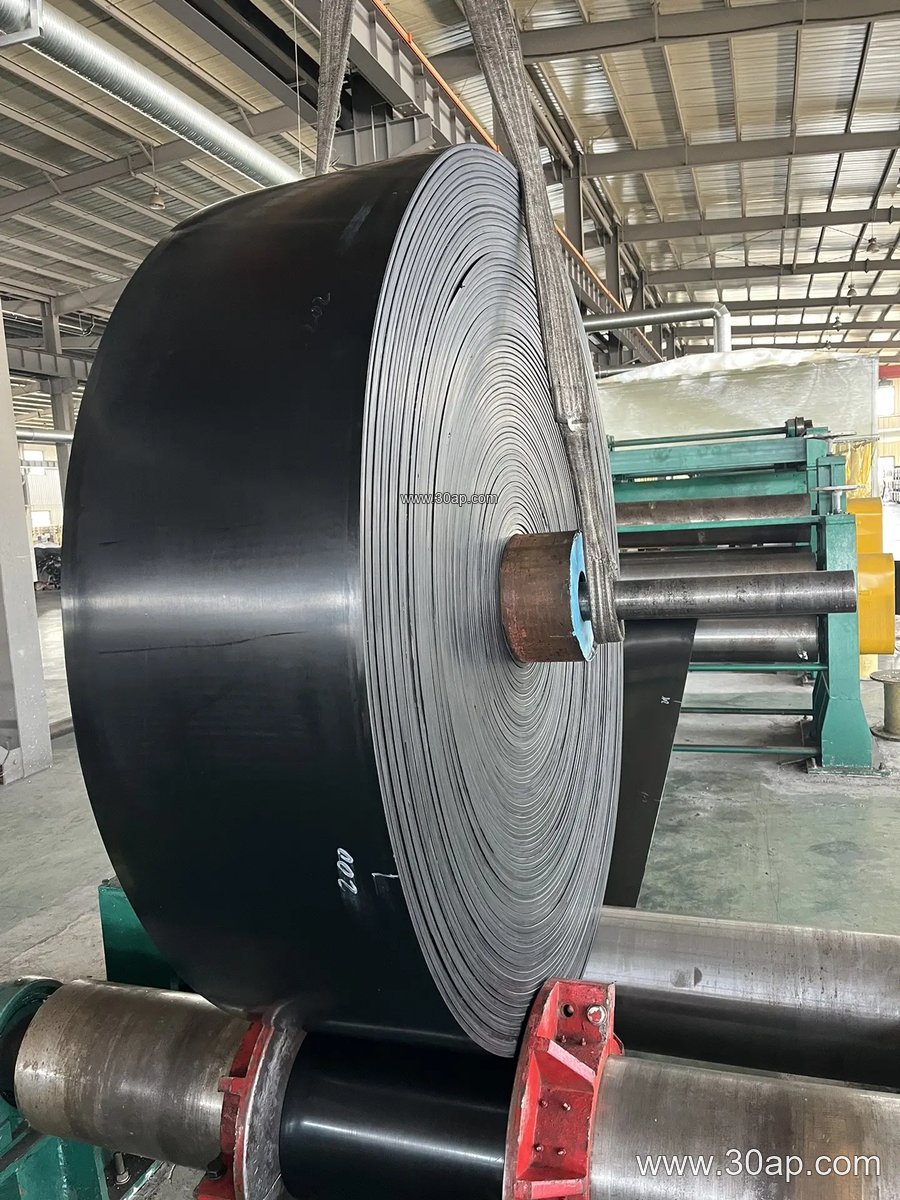
Most fire resistant conveyor belts use a fabric core or steel cord carcass covered with rubber layers. Common carcass options include EP conveyor belt (polyester-nylon), NN conveyor belt (nylon-nylon), and steel cord conveyor belt for high tension duties. The cover compound is formulated to reduce flame propagation, and antistatic properties are often included so that static charge does not build up on the belt surface.
Multi-ply fabric core conveyor belt constructions are typical in underground coal mining conveyor belt systems and in plant conveyors where moderate tensile strength is needed. A fabric core conveyor belt may have two to six plies depending on the load. Steel cord conveyor belt types such as ST1000 or ST1600 are used where higher strength and lower elongation are required, and the fire resistant version follows the same carcass logic with a flame retardant cover.
Common Reference Parameters
| Parameter | Typical reference values |
|---|---|
| Belt width | B500, B650, B800, B1000, B1200, B1400, B1600, B1800, B2000 |
| EP strength grades | EP200, EP315, EP400, EP500, EP630, EP800, EP1000, EP1250 |
| Cover thickness | 3+1.5 mm, 4+2 mm, 5+2 mm, 6+2 mm, 8+3 mm |
| Carcass plies | 2 to 6 plies, by design |
These values are common references, not fixed requirements. Actual belt width, cover thickness, and strength grade should be confirmed against the conveyor design, material lump size, and loading conditions.
Where It Is Used
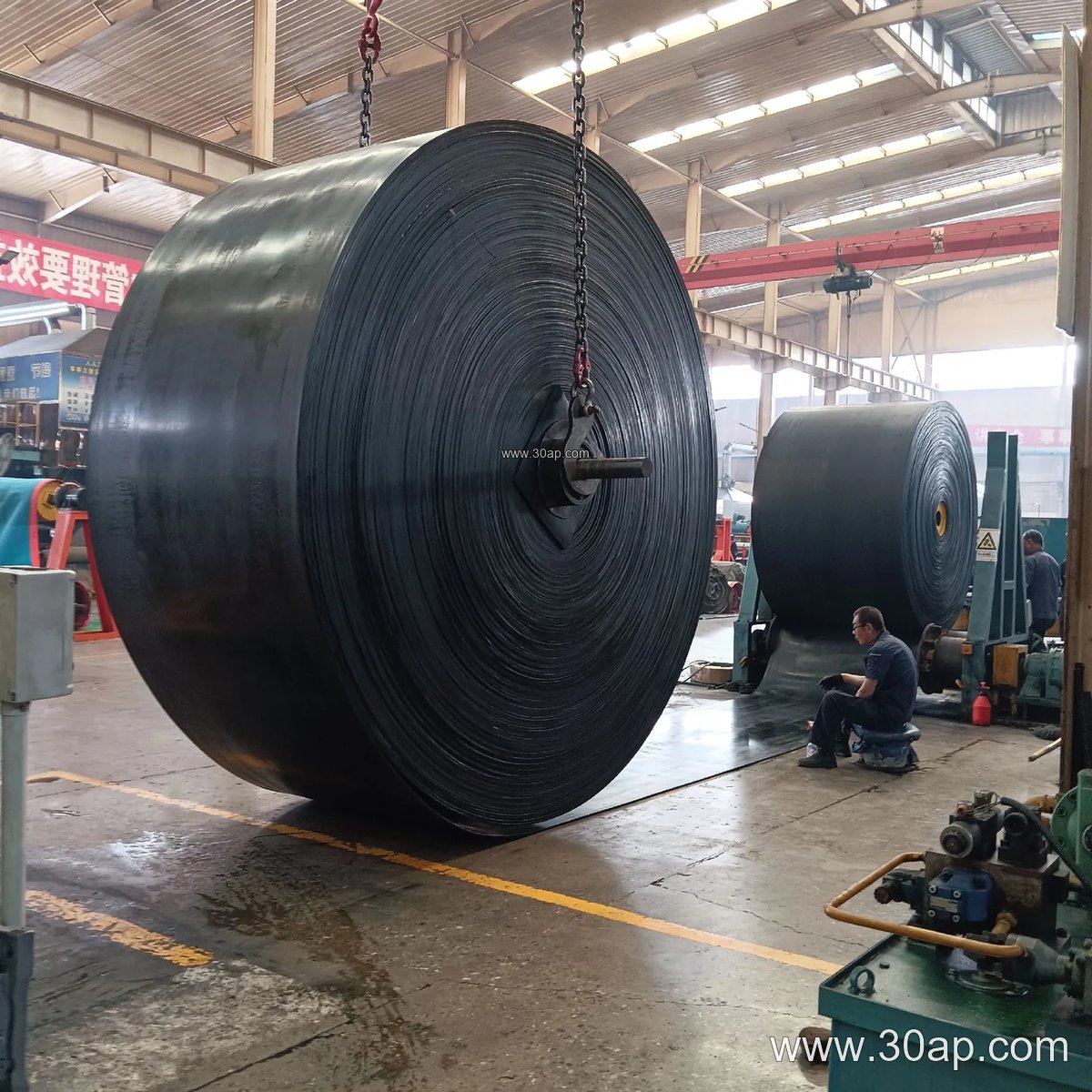
Fire resistant conveyor belts are widely used in underground coal mining conveyor belt systems, coal mining conveyor belt lines, and power plant coal handling. They also appear in cement plants, steel plants, and quarry conveyor belt installations where hot clinker, dust, or frictional heat may be present. In these settings, the belt works with idler rollers, conveyor pulleys, and conveyor brackets to keep bulk material moving.
Other belt types serve different needs and should not be substituted without review. A heat resistant conveyor belt handles hot material but does not necessarily provide the same flame spread performance. An abrasion resistant conveyor belt focuses on wear life, and an oil resistant conveyor belt handles oily loads. A chevron conveyor belt or corrugated sidewall conveyor belt changes the surface form for inclined or steep conveying, and those features can be combined with a fire resistant cover when the application calls for it.
Selection and Buyer Checklist
- Confirm the required flame retardant and antistatic performance with the conveyor designer and local site rules.
- Match belt strength and width to the actual duty; do not assume that one belt width fits every pulley or idler roller arrangement.
- Check cover thickness against impact and abrasion from the material, especially at transfer points and crusher conveyor belt discharges.
- Review splice type and belt edge condition, since a poorly made splice can reduce fire performance.
- Ask for the manufacturer’s data sheet for the specific fire resistant conveyor belt grade rather than relying on a generic label.
For underground mining conveyor belt and coal mining conveyor belt projects, buyers often compare PVG conveyor belt and PVC conveyor belt constructions with fabric core rubber belts. Each has its place, and the final choice should reflect the fire safety plan, the material being carried, and the conveyor layout.
Maintenance Notes
Keep idler rollers turning freely and remove accumulated dust and spillage from the conveyor structure. Worn conveyor pulleys or misaligned brackets can cause belt tracking problems and edge damage. Inspect the fire resistant conveyor belt for cover cuts, exposed carcass, and splice wear. A belt that is damaged in service may no longer perform as intended, so repairs should follow the belt maker’s guidance.
When replacing a belt, record the belt width, strength grade, cover thickness, and splice details so the next fire resistant conveyor belt order matches the conveyor. This simple record helps maintenance teams in mines, cement plants, and power plants avoid mismatches with idler rollers, pulleys, and brackets.