What a Port Conveyor Pulley Does in a Bulk Terminal
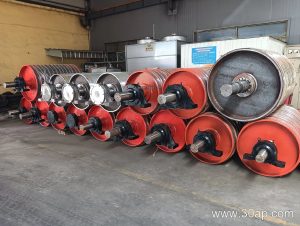
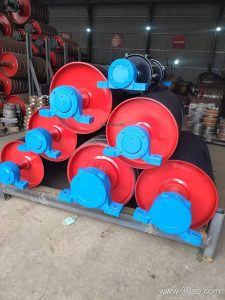
A port conveyor pulley is the rotating drum that drives, redirects, or tensions the belt on a ship loading or bulk handling conveyor. In a terminal that moves iron ore, coal, fertilizer, or grain, the pulley is the point where motor torque becomes belt motion, and where belt tension is managed across long inclined runs. The same component is often called a conveyor drum or belt pulley; these are equivalent names for the same product, while drive, tail, and bend positions remain distinct duties.
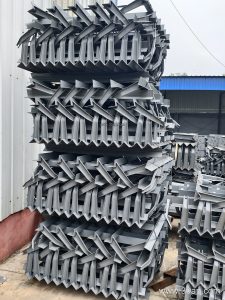
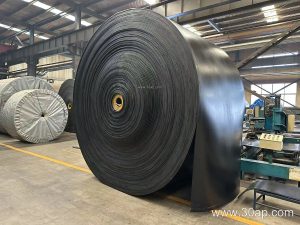
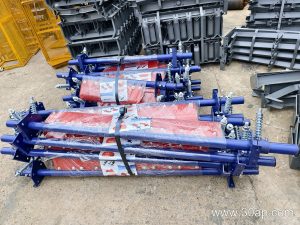
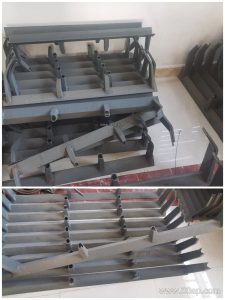
Terminal conveyors rarely work alone. A single ship loading line may use several pulleys, a set of conveyor idler rollers to support the belt, and a conveyor bracket to fix each assembly to the steel structure. The pulley must match the belt it carries, whether that is an EP conveyor belt, a steel cord conveyor belt, or a flame retardant conveyor belt in a coal handling circuit.
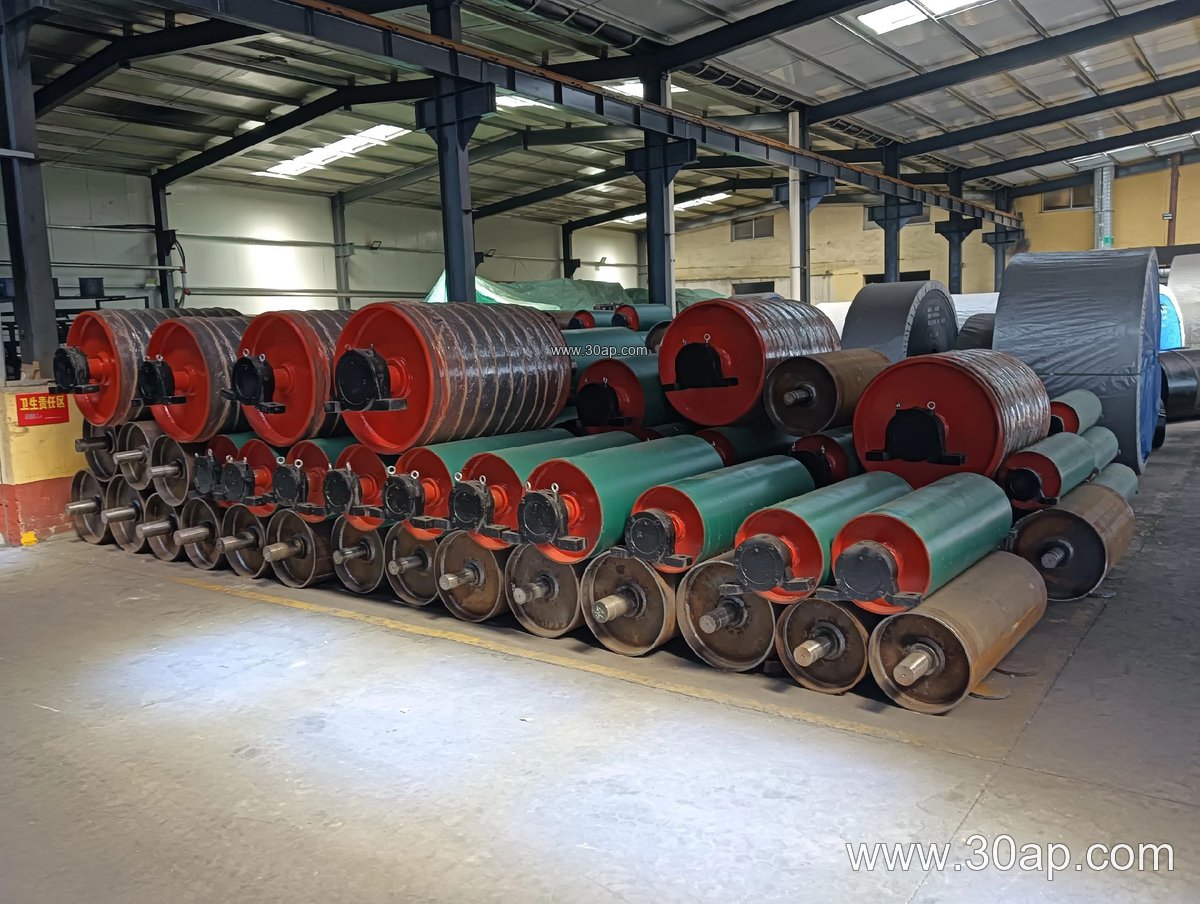
Construction and Surface Options
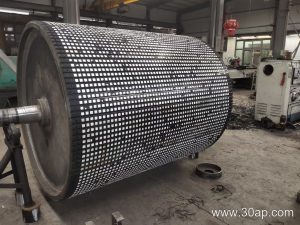
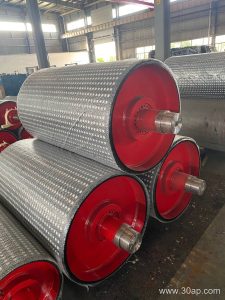
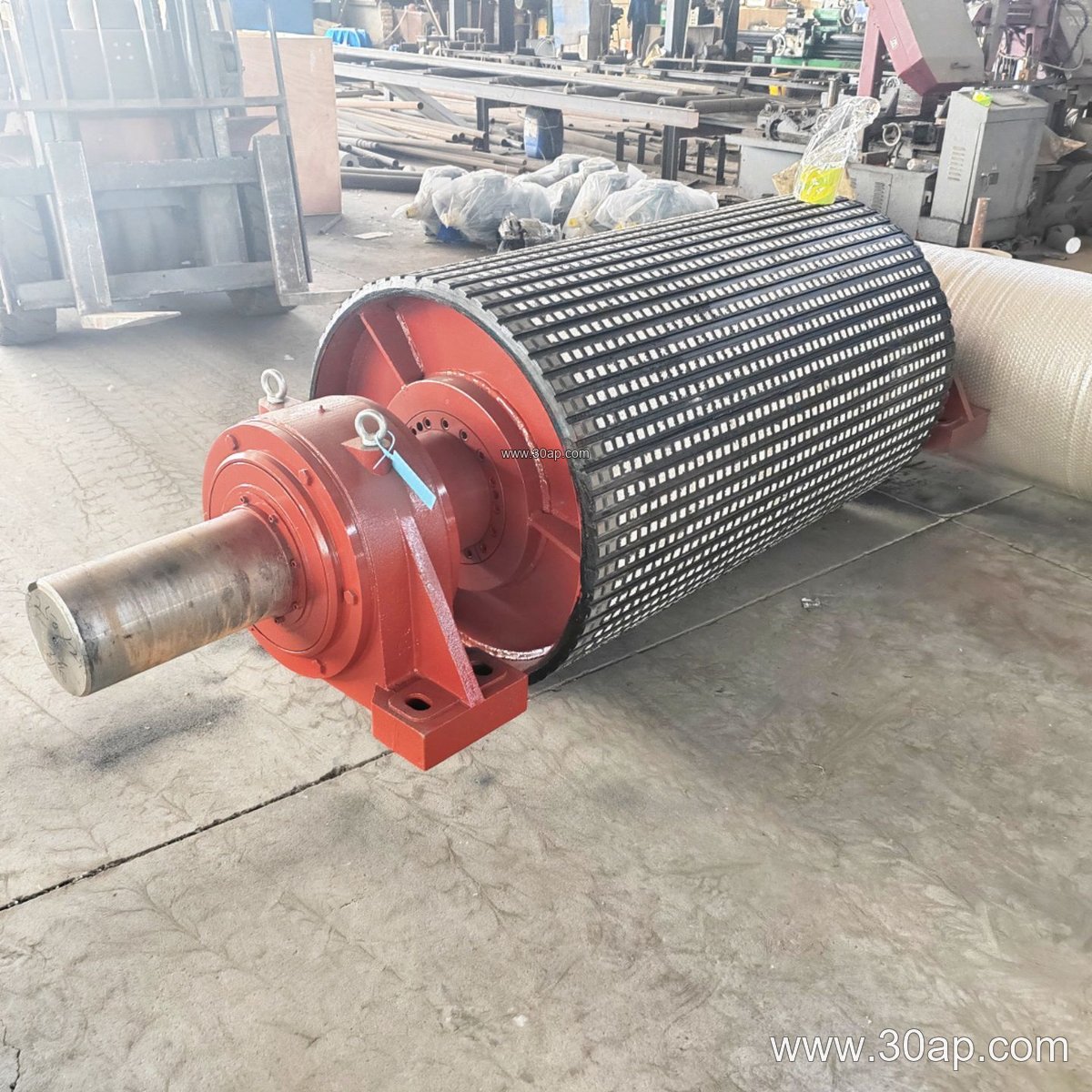
Most port pulleys use a welded steel shell with shaft, hub, and bearing housings. The shell is machined for balance and then covered according to the duty. Common surface forms include plain, cast rubber, cold-bonded rubber, hot vulcanized rubber, diamond grooved, herringbone grooved, and ceramic lagging. Lagging thickness is commonly 8, 10, 12, 15, or 20 mm, selected for grip and wear rather than for appearance.
The drive pulley usually carries the highest torque and benefits from grooved or ceramic lagging where the belt is wet or oily. A tail pulley at the loading point may need a smooth or lightly lagged face to allow belt cleaning and to avoid material build-up. A bend pulley only changes belt direction, so its load is lower but its alignment still matters.
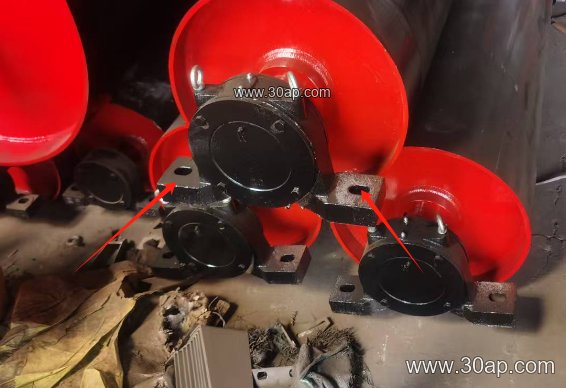
Common Size Reference
Port conveyors are built around belt widths from about B400 to B2400, and pulley diameters typically range from Ø200 to Ø1800. The drum face is normally wider than the belt, for example about 500 mm for B400, about 950 mm for B800, about 1400 mm for B1200, and about 2000 mm for B1800. A 1200mm wide conveyor belt may run on a Ø800 drum on one conveyor and a Ø1000 drum on another; the diameter follows tension, wrap angle, and shaft load, not belt width alone.
| Belt width | Typical drum face | Example diameter range |
|---|---|---|
| B500 | about 600 mm | Ø250 to Ø500 |
| B650 | about 750 mm | Ø315 to Ø630 |
| B800 | about 950 mm | Ø400 to Ø800 |
| B1000 | about 1150 mm | Ø500 to Ø1000 |
| B1200 | about 1400 mm | Ø630 to Ø1250 |
| B1400 | about 1600 mm | Ø800 to Ø1400 |
Shaft diameters are commonly Ø50 to Ø200, but they are fixed by torque and bearing load, not by belt width. A B800 × Ø500 drive pulley and a B1400 × Ø800 bend pulley can share a shaft size only when the design calculation allows it.
Matching the Pulley to the Belt and the Terminal
The belt family shapes the pulley choice. An abrasion resistant conveyor belt moving sinter or crushed rock needs a wear-tolerant lagging, while a heat resistant conveyor belt on a cement clinker line needs a surface that tolerates warm contact. In coal terminals, a fire resistant conveyor belt or PVG conveyor belt is common underground and in enclosed galleries, and the pulley lagging should be compatible with the belt cover rather than simply harder.
Where the belt carries fines and dust, a self-cleaning grooved surface helps. Where the line handles oil-bearing scrap or recycled material, an oil resistant conveyor belt paired with a smooth, well-sealed drum reduces slip and build-up. On steep ship loading booms, a chevron conveyor belt or corrugated sidewall conveyor belt may be used, and the pulley face must clear the cleats without interference.
Buyer Checklist
- Confirm the duty: drive, tail, bend, or take-up, and the wrap angle at each position.
- State belt type and width, for example EP1000 1200mm or ST1600, plus belt thickness and cover grade.
- Give the required drum diameter and face width, and the calculated shaft diameter with bearing centers.
- Specify lagging form and thickness, such as 12 mm diamond grooved or 15 mm ceramic.
- Ask for balancing, runout, and keyway details, and confirm the conveyor bracket interface.
For terminal projects, it helps to review the pulley together with the conveyor pulley supplier and the belt maker, so that lagging, belt cover, and idler roller spacing are chosen as one system rather than separately. A well-matched port conveyor pulley keeps the belt tracking true from the stockyard to the ship loader.