What Belt Conveyor Pulley Lagging Does
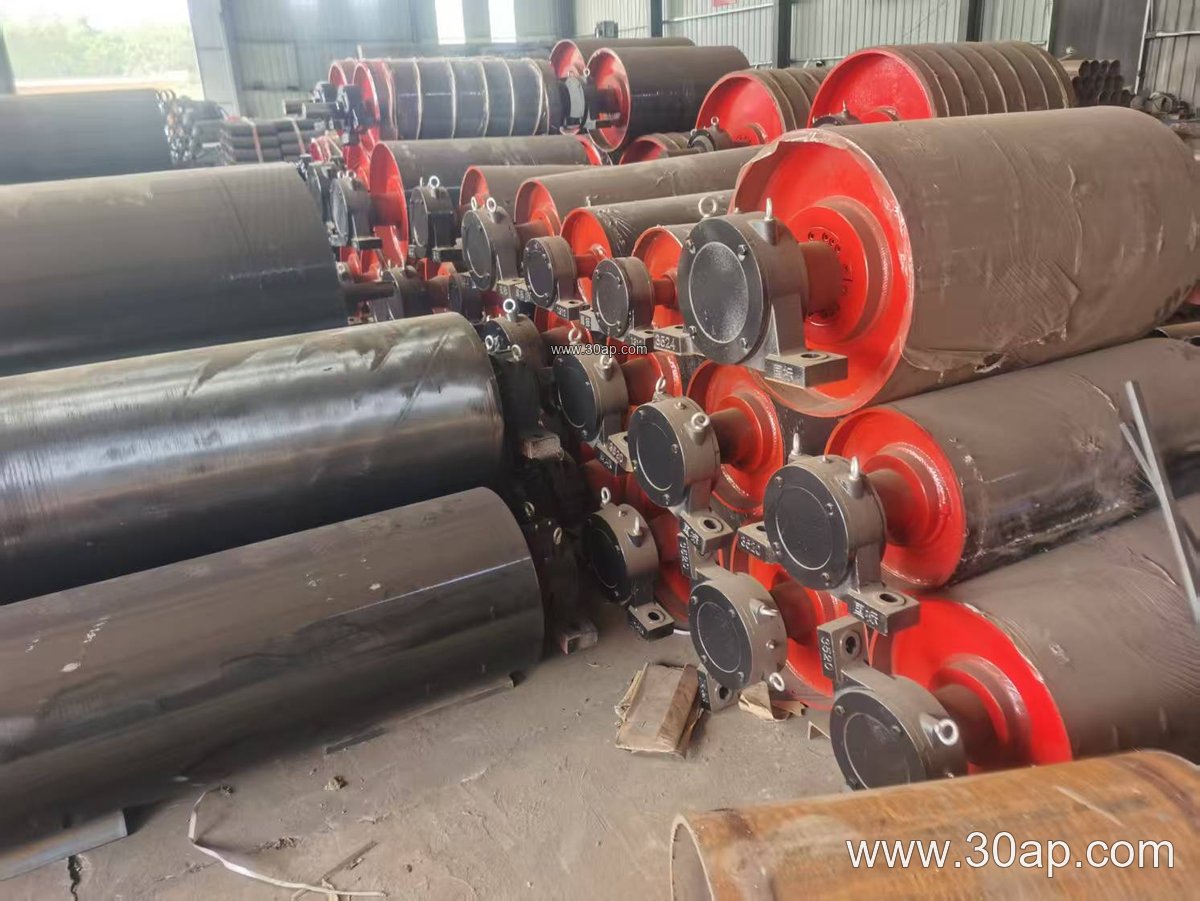
Belt conveyor pulley lagging is the rubber or ceramic layer applied to the shell of a conveyor pulley to improve friction between the pulley and the conveyor belt. Without adequate lagging, a drive pulley can slip under load, especially in wet or dusty conditions. Lagging also protects the pulley shell from abrasive wear and helps center the belt on the pulley face. In mining, quarry, cement, and power plant conveyor systems, the right lagging can extend pulley life and reduce downtime.
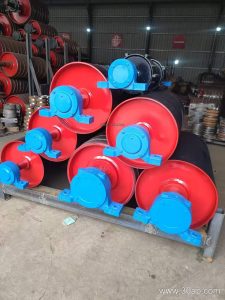
The product is often called pulley lagging, rubber pulley lagging, or conveyor pulley rubber lagging. It is not a substitute for a drive pulley, tail pulley, or bend pulley; it is a surface treatment applied to those pulleys. Drive pulleys rely on lagging for torque transmission, while tail and bend pulleys may use it for wear protection and belt tracking.
Construction and Surface Forms
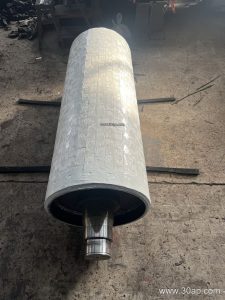
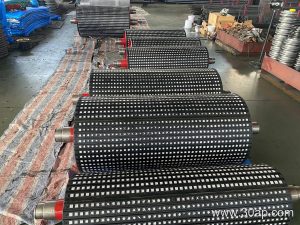
Lagging is usually supplied as sheets or strips that are bonded to the pulley shell. Common surface forms include plain rubber, diamond pattern, herringbone pattern, and ceramic tile embedded in rubber. The pattern affects grip and water drainage. Plain lagging is often used on non-drive pulleys, while diamond or herringbone lagging is common on drive pulleys where slip risk is higher. Ceramic lagging offers high wear resistance in abrasive bulk material handling.
Thickness commonly ranges from 8 mm to 20 mm. A typical selection might be 10 mm or 12 mm for moderate duty, and 15 mm or 20 mm for heavy-duty mining or quarry applications. Bonding methods include hot vulcanized, cold bonded, and cast-on. The choice depends on the pulley size, operating environment, and maintenance facilities available.
Common Lagging Thickness Reference
| Thickness (mm) | Typical Use |
|---|---|
| 8 | Light to medium duty, smaller pulleys |
| 10 | General drive and tail pulleys |
| 12 | Moderate abrasive conditions |
| 15 | Heavy-duty mining and quarry conveyors |
| 20 | High wear, large drive pulleys |
These are reference values, not mandatory specifications. Final thickness is determined by pulley diameter, belt tension, and the abrasive nature of the material.
Where It Is Used
Lagging is found on conveyor pulleys in limestone quarries, iron ore mines, coal washing plants, cement plants, and aggregate crushing lines. In a typical stone crushing plant, the drive pulley on the main belt may use diamond rubber lagging to maintain grip on a 1200mm wide EP conveyor belt. Tail pulleys on the same conveyor may use plain lagging to protect the shell from grit. In coal mining, flame retardant lagging may be required for underground conveyors, while above-ground coal handling can use standard abrasion resistant rubber.
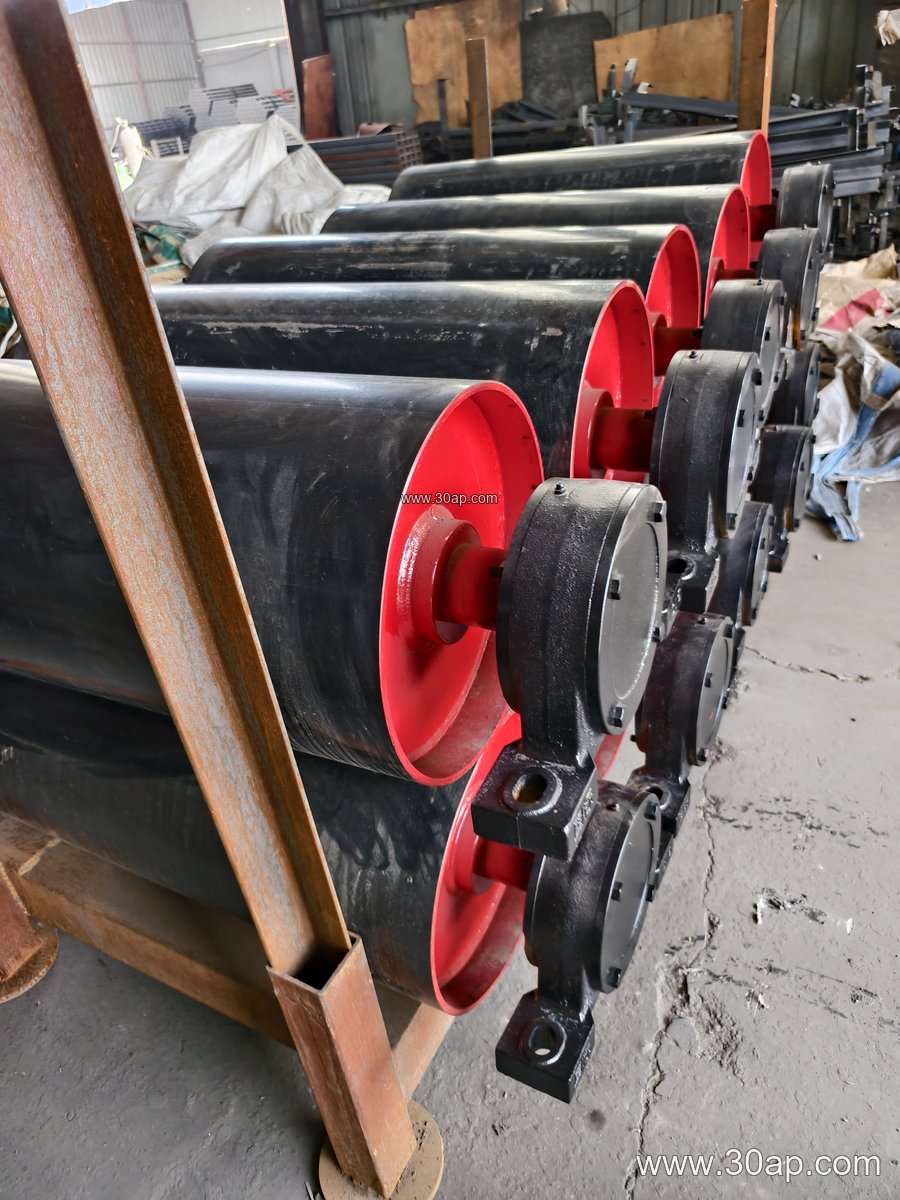
Lagging also works with the conveyor belt and idler roller system to keep the belt tracking. A worn or glazed lagging surface can cause belt misalignment and increased edge wear. Inspecting lagging at the same time as checking conveyor brackets and idler rollers helps avoid unplanned stops.
Selection and Maintenance Notes
Buyers should match lagging to the pulley’s role. Drive pulleys need high-friction surfaces; tail and bend pulleys need wear resistance and belt protection. Consider the belt type as well. A steel cord conveyor belt or high tension EP belt may require more grip than a lightweight fabric core belt. In wet or dirty conditions, grooved patterns can help drain water, but they may not suit fine sticky materials. Ceramic lagging is a good option for high abrasion, but it can be harder on the belt if the belt is not suitable.
Pulley dimensions matter. A common combination might be B800 × Ø500 or B1200 × Ø1000, but no single belt width fixes one pulley diameter. Shaft diameter is determined by torque and load, not by belt width alone. Lagging should be inspected for wear, cracks, and separation. Re-lagging is often more economical than replacing the pulley, provided the shell is still in good condition.