What a Chevron Conveyor Belt Is
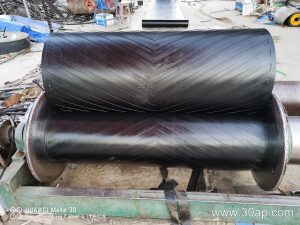
A Chevron Conveyor Belt is a rubber conveyor belt with raised cleat patterns molded onto the top cover. The pattern is usually V-shaped or herringbone, and it is often called a chevron belt, V-belt profile belt or herringbone patterned belt. The raised ribs grip the load and reduce sliding and roll-back on inclines, which makes this belt a practical choice where a smooth-surface belt would struggle. It belongs to the patterned belt family, so it is a different product from a corrugated sidewall belt or a skirted belt, although all three deal with material containment in their own way.
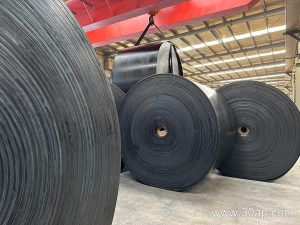
The carcass is still the load-bearing part. Most chevron belts are built on a fabric core, such as an EP conveyor belt or NN conveyor belt, with multiple plies. Heavier duties can use a steel cord conveyor belt carcass, but fabric core remains common because it handles troughing and pulley contact well. The chevron pattern is pressed into the top cover during vulcanization, so the ribs and the cover form one body rather than a glued-on strip.
Construction and Surface Forms
A typical build includes a top cover with the chevron profile, a fabric or steel carcass, and a bottom cover. Cover thickness is usually given as top plus bottom, for example 4+2 mm, 5+2 mm or 6+2 mm, and the pattern height adds to the top side. Common carcass constructions run from 2 to 6 plies depending on the duty. The chevron can be open or closed, with different rib heights and pitches, and the pattern may stop short of the edges to leave plain selvedges that help sealing at transfer points.
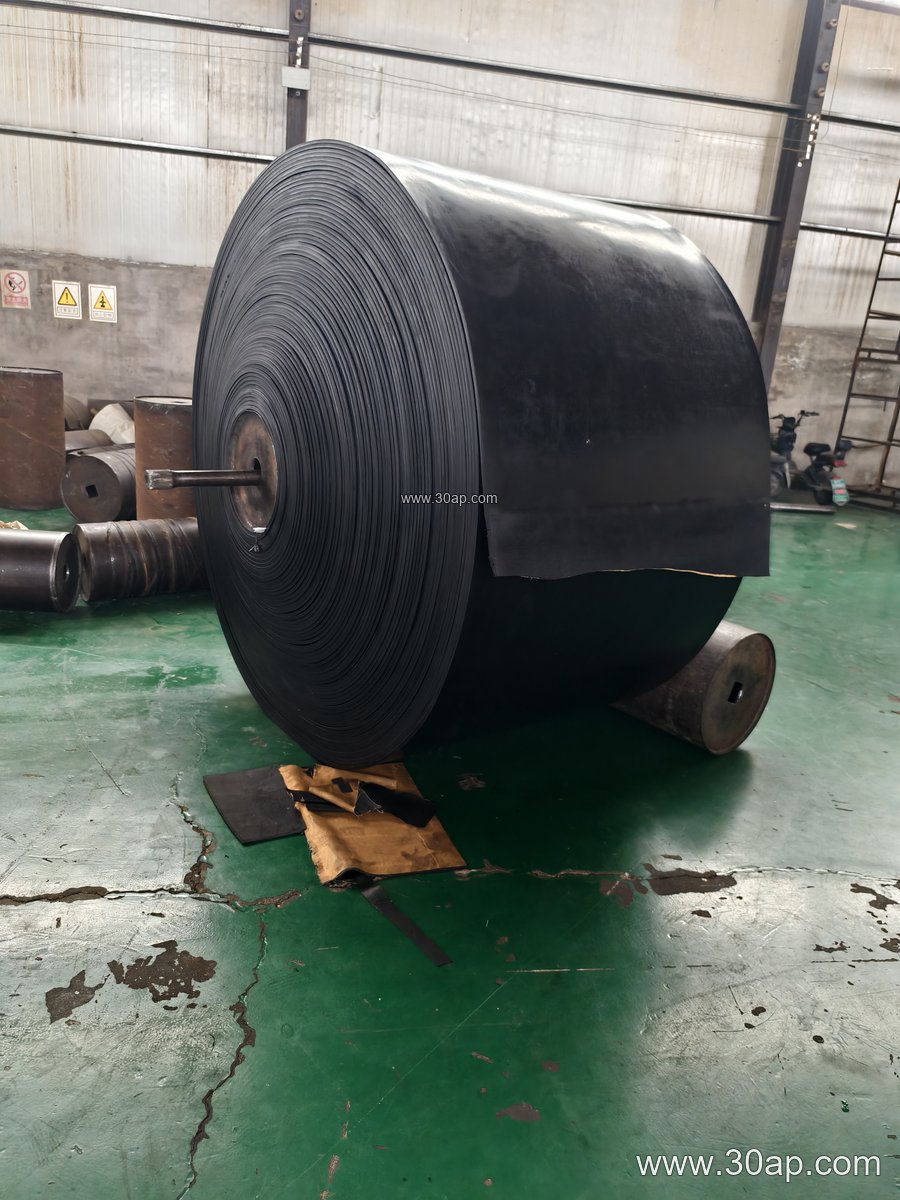
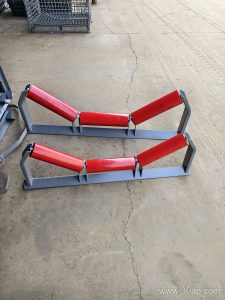
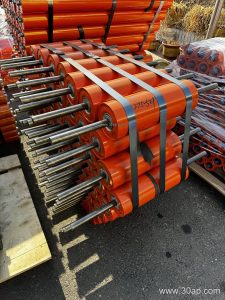
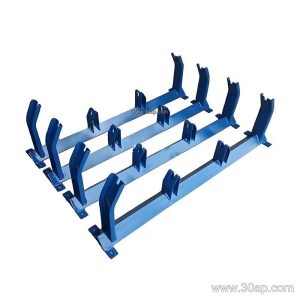
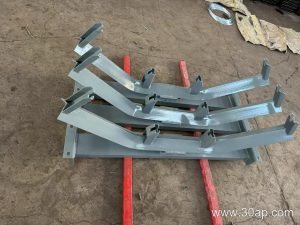
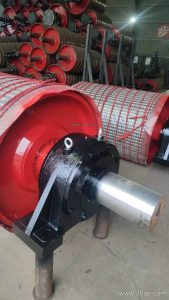
The belt is often specified together with conveyor pulleys, idler rollers and conveyor brackets. Drive pulleys, tail pulleys and bend pulleys each do a different job, and the chevron pattern does not change that. Patterned belts generally need larger pulley diameters than smooth belts of the same thickness because the ribs must flex around the pulley. If the pulley is too small, the rib roots can crack. The belt also needs proper support from troughing idler rollers; a deep trough can distort the pattern on narrow belts.
Where It Fits in Mining and Bulk Handling
The main use is inclined conveying of loose bulk material. In a quarry conveyor belt line, a chevron belt can carry crushed stone up a slope without the load rolling back. In a coal mining conveyor belt or underground coal mining conveyor belt, flame retardant and anti-static grades are often requested, and a mining flame retardant conveyor belt may be specified for safety reasons. A cement plant conveyor belt, power plant conveyor belt, sand making plant and aggregate conveyor belt system can also use this pattern where the incline is steep or the material is wet and slippery.
Wet sand, damp ore and sticky clay are typical loads. A chevron profile helps where a smooth abrasion resistant conveyor belt would allow the load to slide. For iron ore, copper ore or gold mining operations, a heavy-duty mining conveyor belt with a chevron pattern can be paired with impact resistant covers at the loading point. The belt is not a substitute for a corrugated sidewall conveyor belt when very high lifts and full containment are needed; in that case the sidewall design is the correct choice, while the chevron belt remains the simpler option for moderate inclines.
Common Reference Parameters
The table below shows reference values that appear in product literature. They are not universal specifications and should be confirmed with the supplier for each project.
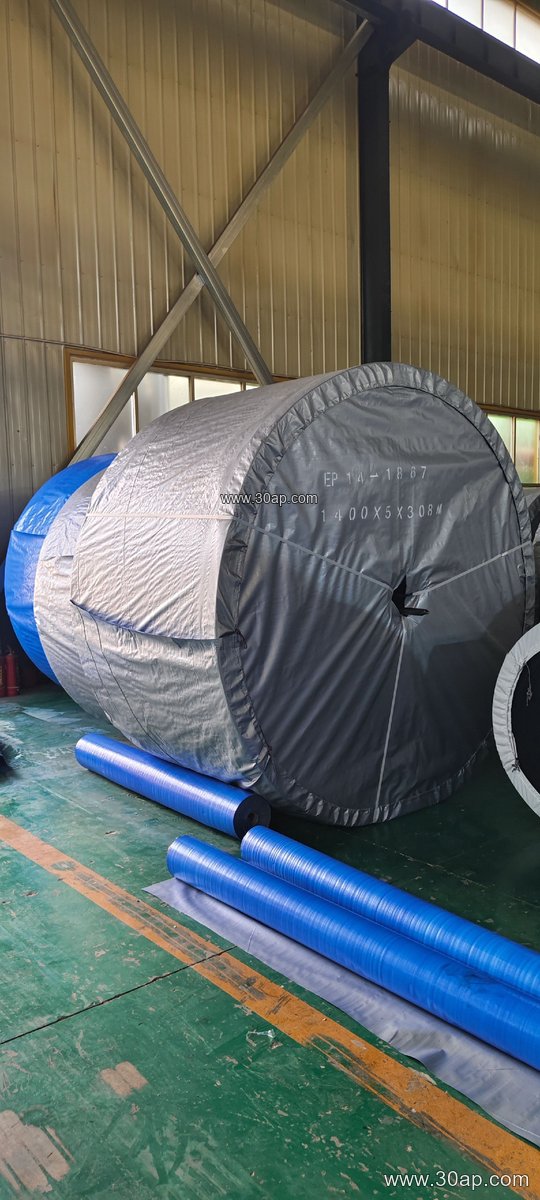
- Fabric grades: EP200, EP315, EP400, EP500, EP630, EP800, EP1000, EP1250, EP1600, EP2000
- Belt widths: B500, B650, B800, B1000, B1200, B1400, B1600, B1800, B2000
- Cover thickness combinations: 3+1.5 mm, 4+2 mm, 5+2 mm, 6+2 mm, 8+3 mm
- Carcass plies: usually 2 to 6 layers
Width selection depends on the conveyor design, the lump size and the required capacity. A 650mm or 800mm belt may suit a small quarry line, while a 1200mm or 1400mm belt is common on larger plants. No single belt width is tied to one pulley diameter; the pulley size follows the belt thickness, the carcass and the manufacturer’s recommendation.
Buyer Checklist
- State the material, lump size, moisture and temperature so the cover compound can be matched, whether abrasion resistant, heat resistant, oil resistant, cold resistant or flame retardant.
- Give the incline angle and the conveyor length. The steeper the incline, the more the chevron pattern matters.
- Confirm the pulley diameters with the belt supplier, especially for the drive pulley and tail pulley.
- Ask about the rib height, pitch and whether the pattern is open or closed.
- Check the joint method. An endless conveyor belt joint or a vulcanized splice must suit the patterned surface.
- For underground work, confirm the required flame retardant and anti-static properties in writing.
Used well, a chevron belt is a dependable solution for inclined haulage in mining, cement, power and aggregate operations. Matching the pattern, carcass and cover to the actual duty is the key step.